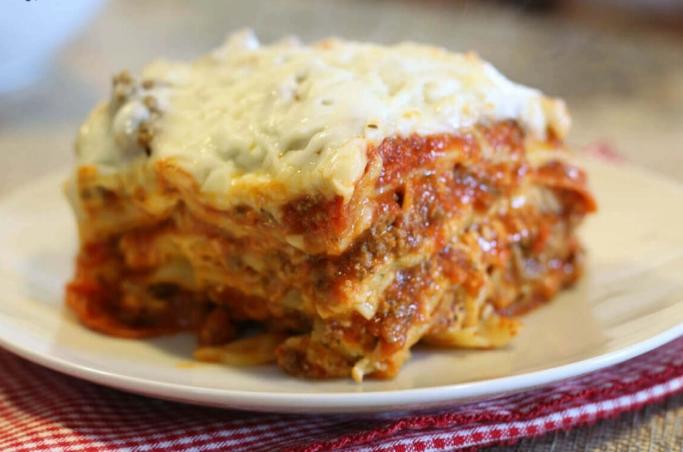
I used to think slow cooker lasagna was a compromise. You know, the kind of meal you make when you've given up on the ideal of crispy edges and distinct layers. My first attempt years ago proved it—a watery, sloppy mess where the noodles dissolved into the sauce. It tasted fine, but it looked like a pasta casserole that had given up on life. Then, during a particularly chaotic week of back-to-back meetings, the oven broke. Desperation led to experimentation. After tweaking everything from the sauce consistency to the layering order, I stumbled onto a method that doesn't just work; it creates what my family now argues is the best lasagna, period. The slow cooker's gentle, even heat coaxes out a depth of flavor you just can't get from a rushed oven bake. Here's how to make it, and exactly how to avoid the pitfalls that turn this comfort food dream into a mushy nightmare.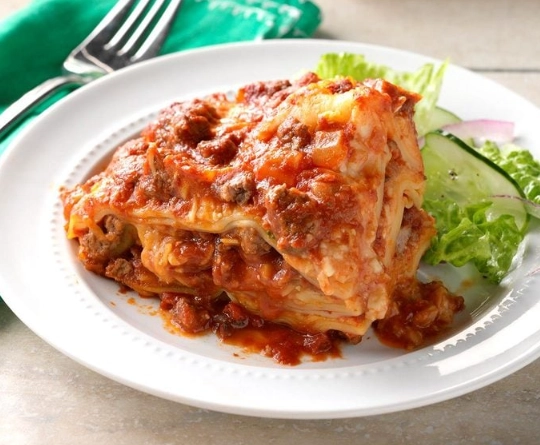
Quick Navigation: Your Path to Perfect Lasagna
Why a Slow Cooker Actually Wins for Lasagna
Let's be clear: this isn't just about convenience, though that's a huge part of it. It's about texture and flavor chemistry. In a conventional oven, the outer edges of your lasagna dish bear the brunt of the heat, often leading to over-crisped or even burnt noodles and cheese before the center is fully hot. The slow cooker surrounds the entire ceramic insert with gentle, moist heat. This means every layer cooks at the same rate.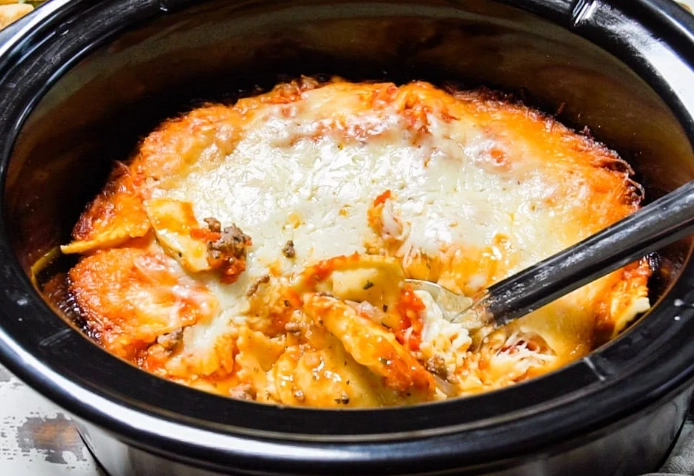
The result? Incredibly tender pasta that melts in your mouth, cheese that melts into a seamless blanket, and a meat sauce that has hours to let its flavors marry and deepen. It's a different beast from oven-baked—softer, more unified, and arguably more comforting. You also get to skip pre-boiling the noodles entirely, which is a game-changer for weeknights.
The Non-Negotiable Ingredients for the Best Slow Cooker Lasagna
You can't build a great house with weak bricks. This recipe hinges on a few key choices.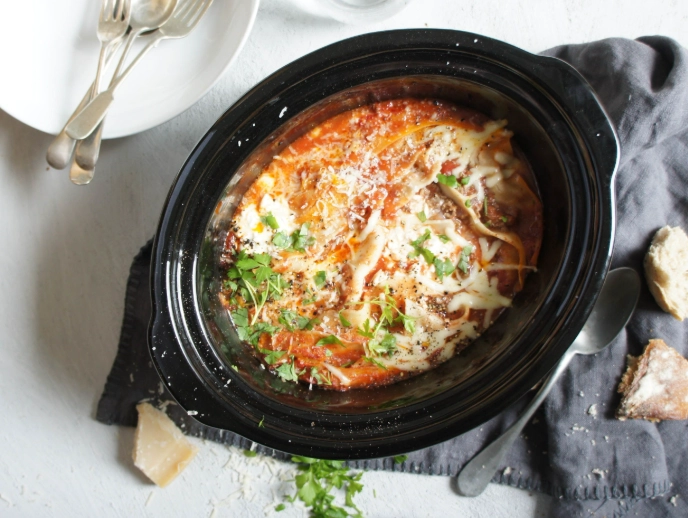
| Ingredient | Why It's Critical & Specific Recommendations |
|---|---|
| Lasagna Noodles | Use regular, no-boil (oven-ready) lasagna noodles. Do not use the ones labeled "extra thick" or "for baked dishes." The standard no-boil kind are the perfect thickness to absorb moisture and cook through without turning to mush. I've had consistent success with Barilla no-boil. |
| Meat Sauce | This is your flavor foundation. A 50/50 mix of ground beef and Italian sausage (mild or hot) is ideal. The sausage adds fat and seasoning that permeates the whole dish. You must cook the meat and reduce the sauce thoroughly before layering. It should be thick, not runny. |
| Cheese Blend | The classic trio: whole-milk ricotta (part-skim works but is less creamy), shredded mozzarella (pre-shredded is fine here due to the moist environment), and grated Parmesan. For the ricotta mixture, bind it with an egg, which helps it set instead of separating. |
| Sauce & Seasoning | If using jarred sauce (like Rao's or Victoria), simmer it with your cooked meat for 10-15 minutes to thicken. Add a splash of red wine or extra tomato paste. This reduction step is non-optional for texture. |
See, it's not about fancy ingredients. It's about treating the basics with respect. That pre-cooking and reduction of the sauce? That's the barrier between a good and a failed slow cooker lasagna.
The Foolproof Layering Process (Step-by-Step)
Order matters. You're creating a self-contained ecosystem where heat and steam move in a specific way.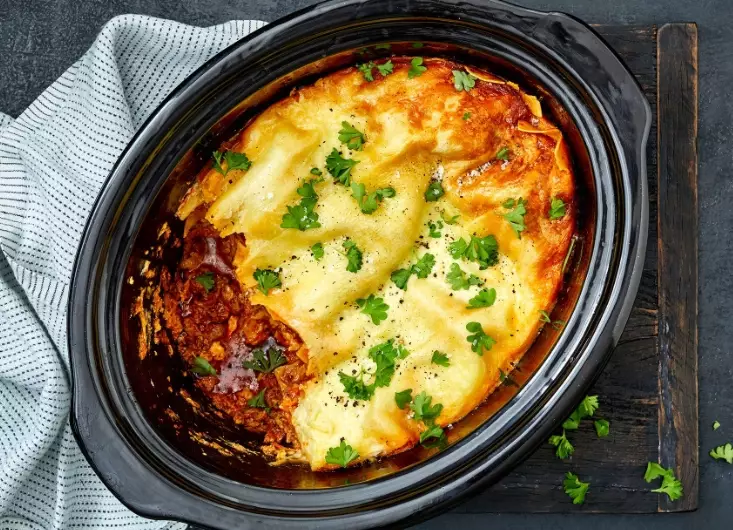
First, grab your 6-quart or larger slow cooker. A oval one is perfect for fitting the noodles. Lightly grease the insert with cooking spray or olive oil.
Layer 1: The Protective Base
Spread about 1 cup of your thickened meat sauce evenly over the bottom. This isn't just for flavor; it creates a barrier that prevents the first layer of noodles from fusing to the hot ceramic and burning. Don't skip it.
Layer 2: The Noodle Puzzle
Break your no-boil noodles to fit the shape of your cooker. It's okay to have gaps. In fact, small gaps are better than forcing whole noodles to curl up the sides. The noodles will expand as they absorb liquid. Just cover the sauce in a mostly single layer.
Layer 3: The Ricotta Stratum
Dollop about one-third of your ricotta mixture (ricotta mixed with an egg, parsley, salt, pepper, and a handful of Parmesan) over the noodles. Use a spoon to spread it gently—it doesn't need to be perfect.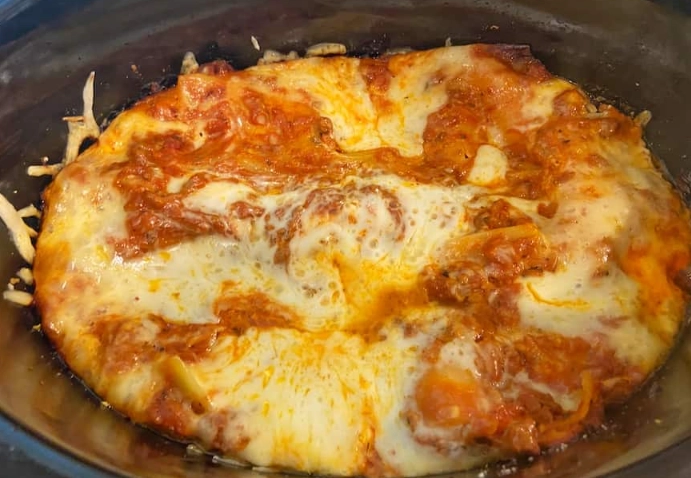
Layer 4: The Sauce & Cheese Combo
Now, spoon over a generous layer of meat sauce, followed by a handful of shredded mozzarella. The sauce should cover the ricotta, and the cheese will start to melt into everything.
Repeat the sequence: Noodles, Ricotta, Sauce/Mozzarella. You should get 3 full layers of noodles. End with a final layer of noodles, topped with the last of your meat sauce, and a heavy blanket of mozzarella and Parmesan.
Cook Time, Temperature & The "Done" Test
This is where patience pays. Cover and cook on LOW for 4 to 5 hours. Do not cook on HIGH. The high setting will force too much steam too quickly, potentially making the bottom layer soggy before the top is done.
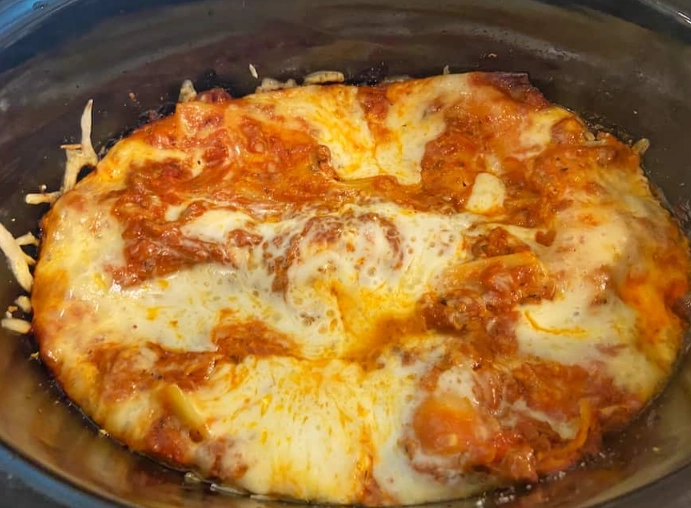
How do you know it's done? The cheese on top will be fully melted and bubbly, and the edges will be slightly browned. But the real test is the knife. Insert a thin knife into the center of the lasagna; it should slide through the noodles with little to no resistance. If you feel firm pasta, give it another 30 minutes.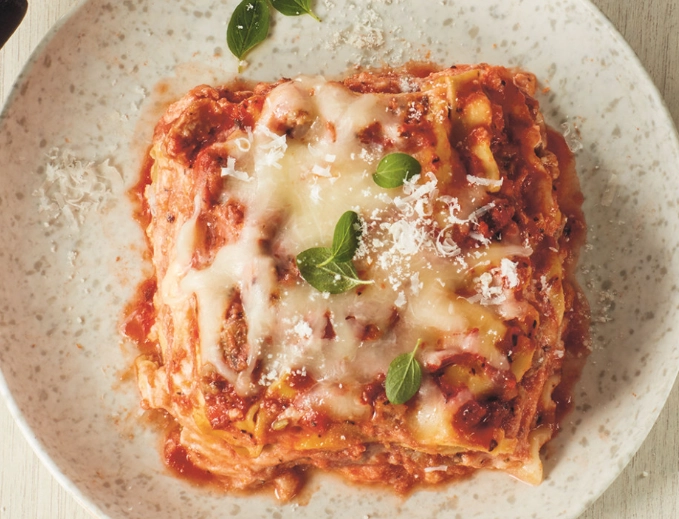
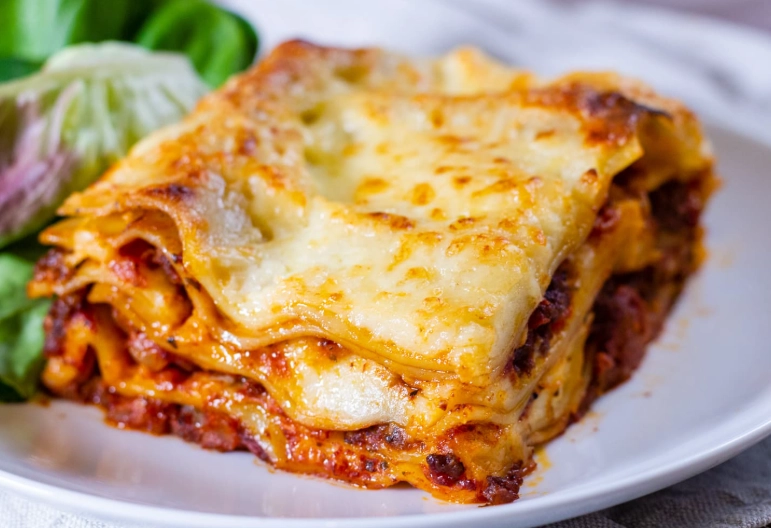
Once done, turn off the cooker, remove the lid, and let it sit for at least 45 minutes. This resting period is not a suggestion—it's mandatory. It allows the lasagna to set, reabsorb steam, and firm up enough to be sliced. Trying to serve it straight from the pot is the second most common mistake.
Make-Ahead, Storage & Reheating Like a Pro
The beauty of this method is its friendliness to a busy schedule.
To Make Ahead: Assemble the entire lasagna in the slow cooker insert the night before. Cover tightly with plastic wrap and refrigerate. The next day, let it sit on the counter for 30 minutes before starting the slow cooker. You may need to add 30-45 minutes to the cook time.
Storing Leftovers: Cool completely, then portion into airtight containers. It will keep in the fridge for up to 4 days.
Reheating: The microwave will make it soggy. For best results, reheat single portions in a covered oven-safe dish at 350°F (175°C) for 15-20 minutes, or until hot through. You can also reheat a larger portion in a covered skillet on the stovetop over very low heat, adding a tablespoon of water to create steam.
Freezing: This lasagna freezes beautifully. Cool completely, slice, wrap individual portions tightly in plastic wrap and foil, and freeze for up to 3 months. Thaw in the fridge overnight before reheating.
Your Slow Cooker Lasagna Questions, Answered
Reader Comments