You pull the lid off your slow cooker after eight hours, ready for a hearty, comforting meal. Instead of a rich, glossy gravy coating tender chunks of meat and vegetables, you're greeted by a sad, watery broth. It happens to the best of us. The crockpot's magic—low, slow, moist cooking—is also its biggest challenge when you're aiming for a thick, luxurious texture. But a thin stew isn't a failure; it's just an unfinished recipe. Thickening a crockpot meal is a final, crucial step that transforms soup into stew and juice into gravy.
I've been wrestling with slow cookers for over a decade, from failed potlucks to perfectly glossy beef bourguignons. The key isn't just knowing the methods, but understanding when and why to use each one. This isn't about dumping in cornstarch. It's about choosing the right tool for the job based on flavor, time, and the dish you're making.
What's Inside This Crockpot Thickening Guide?
- Why Is My Crockpot Dish So Watery?
- 7 Thickening Methods at a Glance
- The Cornstarch Slurry (The Quick Fix)
- The Flour & Butter Roux (The Classic)
- Veggie & Bean Puree (The Healthy Sneak)
- Reduction & Lid Off Cooking
- The Breadcrumb Trick
- Instant Mashed Potatoes
- The Dairy Finish
- Common Thickening Mistakes to Avoid
- Your Thickening Questions Answered
Why Is My Crockpot Dish So Watery?
Let's diagnose the problem first. Slow cookers are sealed environments with minimal evaporation. All the liquid you put in at 9 a.m. is still there at 6 p.m., unlike oven braising where steam escapes. Vegetables like zucchini, mushrooms, and tomatoes also release a ton of water as they cook. If your recipe just says "add 4 cups of broth," that's a starting point, not a guarantee. The goal is to start with enough liquid to prevent burning and create steam, then manage the final consistency. Don't beat yourself up—it's physics, not poor cooking.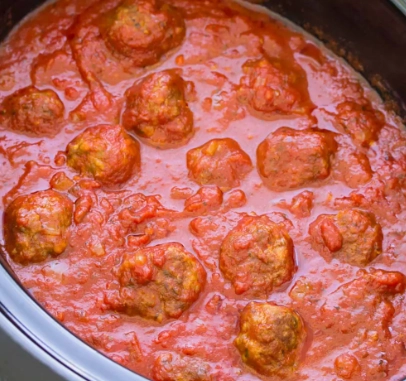
Your 7 Crockpot Thickening Methods: A Quick Comparison
Before we dive deep, here’s a snapshot to help you choose. Think of this as your emergency cheat sheet.
| Method | Best For | When to Add | Key Advantage | Watch Out For |
|---|---|---|---|---|
| Cornstarch Slurry | Clear gravies, Asian-inspired dishes, quick fixes | Last 30 mins | Fast, clear, gluten-free | Can become slimy if overcooked |
| Flour & Butter Roux | Classic stews, chowders, creamy dishes | Beginning (dry) or end (beurre manié) | Rich flavor, stable texture | Raw flour taste if not cooked enough |
| Veggie/Bean Puree | Healthy soups, lentil stews, adding nutrients | Last hour | Adds flavor and body, whole-food | Can change color/flavor of dish |
| Reduction (Lid Off) | Very brothy dishes, concentrated flavors | Final 30-60 mins | Intensifies flavor, no additives | Risk of overcooking meat |
| Breadcrumbs | Meatball soups, rustic Italian dishes | Last 15 mins | Adds hearty texture | Can make it pasty if overdone |
| Instant Mashed Potatoes | Creamy potato soups, chowders, emergency thickener | Last 15 mins, sprinkle | Pantry staple, foolproof | Potato flavor can be noticeable |
| Dairy Finish | Creamy soups, chowders, stroganoffs | Last 10 mins, off heat | Adds richness and creaminess | Can curdle with high heat/acidity |
Method 1: The Cornstarch Slurry (The Go-To Quick Fix)
This is the method everyone knows, but most people mess up the ratio. A slurry is a mix of equal parts cold liquid and cornstarch whisked until smooth, then stirred into the hot crockpot contents.
How to do it right: Scoop out about 1/2 cup of the hot broth from the crockpot into a bowl. Let it cool for a minute. In a separate small cup, make your slurry with cold liquid. Whisk the slurry into the slightly cooled broth you scooped out. Now, pour this mixture back into the crockpot, stirring constantly. Turn the heat to HIGH and let it cook uncovered for 20-30 minutes. The broth will go from cloudy to clear and glossy as it thickens.
My personal twist? I often use the drained liquid from canned beans or mushrooms instead of water for the slurry. It adds a hidden layer of savory flavor.
Method 2: The Flour & Butter Roux (For Flavorful, Stable Thickness)
A roux is cooked flour and fat. It's the base for gumbo, sausage gravy, and classic beef stew. It adds a nutty, toasty flavor and creates a stable thickness that holds up for days in the fridge.
Two Ways to Use Roux in a Slow Cooker:
1. The Traditional Start: Before anything else goes in the pot, melt butter (or use oil) in a skillet. Stir in an equal amount of all-purpose flour. Cook over medium heat, stirring, for 2-3 minutes until it smells nutty and is pale brown (a "blond roux"). Let it cool slightly, then whisk it into your cold broth or stock BEFORE adding it to the crockpot. This prevents lumps. This is my preferred method for dishes like chicken and dumplings.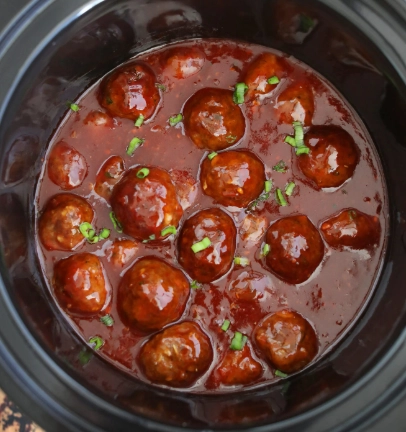
2. The End Hack: Beurre Manié: Forgot to start with a roux? Make a beurre manié (French for "kneaded butter"). Mash equal parts soft butter and flour into a smooth paste. In the last 45 minutes of cooking, turn the crockpot to HIGH. Whisk in small knobs of the paste until fully incorporated. It works like magic.
Method 3: The Veggie & Bean Puree (The Healthy, Flavor-Boosting Sneak)
This is my favorite method for everyday cooking. You're not just thickening; you're adding vitamins, fiber, and deep flavor. Take a portion of the cooked vegetables and beans from your crockpot, blend them until smooth with a bit of broth, and stir it back in.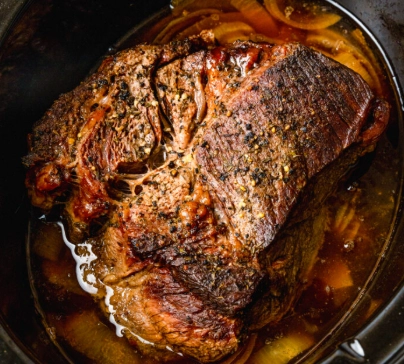
What works best:
Starchy Vegetables: Cooked potatoes, sweet potatoes, carrots, parsnips, or butternut squash. They blend into a creamy, sweet puree.
Beans & Legumes: Cannellini beans, lentils, or chickpeas. They create a velvety, protein-packed thickener.
The Aromatics: Don't overlook cooked onions, garlic, and celery. Blended, they dissolve into a flavor foundation.
I keep a cheap immersion blender (like those from Cuisinart or KitchenAid) just for this. In the last hour, I stick it right in the pot, blend a few sections, and give it a stir. No extra pots, no fuss. For a rustic chili, I'll mash about one-third of the beans against the side of the crock with a fork. It's instant body.
Method 4: Reduction & Lid-Off Cooking (Letting Physics Work)
Sometimes the simplest solution is to remove the lid and let evaporation do its job. This is best if your dish is only slightly too thin and you have 30-60 minutes to spare.
Turn your slow cooker to HIGH. Remove the lid. The increased heat and open surface will allow steam to escape, concentrating the flavors and liquid. Stir occasionally to prevent sticking on the sides. You'll see the liquid level drop. This method is perfect for boeuf bourguignon or a rich beef stew where you want the sauce to coat the back of a spoon.
The downside? It can toughen already-tender meat if done for too long. Use this at the very end, after everything is perfectly cooked.
Method 5: The Breadcrumb Trick (The Rustic, Hearty Touch)
Sounds odd, but it's a classic Italian trick for soups like pasta e fagioli or escarole and bean. Fine, dry breadcrumbs (panko works great) act like tiny sponges, soaking up excess liquid and adding a comforting, hearty texture.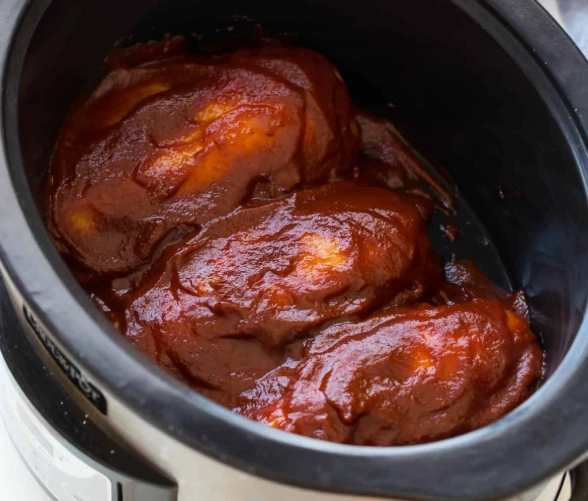
Sprinkle in a tablespoon at a time, stir, and let it cook for 10-15 minutes on HIGH before adding more. You'll need less than you think—usually 2-3 tablespoons for a 6-quart pot. Use plain, unseasoned crumbs unless you want to add garlic or herb flavor.
Method 6: Instant Mashed Potatoes (The Pantry Savior)
Don't laugh. In a true dinner emergency, a sprinkle of instant potato flakes is a shockingly effective thickener. They're designed to absorb liquid and create a creamy texture. This works brilliantly for potato soups, corn chowder, or a vegetable stew that's already potato-friendly.
Sprinkle a quarter-cup over the surface, stir vigorously, and let it cook for 10 minutes. Repeat until you reach the desired consistency. The potato flavor blends in seamlessly with most savory dishes.
Method 7: The Dairy Finish (For Creaminess, Not Just Thickness)
Heavy cream, sour cream, yogurt, or cream cheese add richness and a luxurious mouthfeel, which our brains perceive as thickness. The critical rule: temper your dairy. Adding cold cream directly to a boiling hot crockpot is a one-way ticket to curdle city.
Turn the crockpot OFF. Scoop out a ladleful of the hot broth into a bowl. Whisk your cold dairy (e.g., 1 cup sour cream) into this ladle of broth until smooth. Now, slowly whisk this tempered mixture back into the main pot. The gradual temperature increase prevents the proteins from seizing up. Give it a final gentle stir and serve.
Common Thickening Mistakes You're Probably Making
After years of teaching cooking classes, I see the same errors repeatedly.
Adding thickener at the beginning. Starches break down over long cooking. That cornstarch you added at 10 a.m. will have given up by dinnertime, leaving you with a thin, slightly slimy broth. Always thicken in the last 30-60 minutes.
Not cooking out the flour taste. If using a roux or beurre manié, ensure it cooks in the hot liquid for at least 20-30 minutes. Taste it. If it still has a raw, pasty flavor, it needs more time.
Using the wrong thickener for clear soups. Flour and roux will cloud a consommé. Use cornstarch or arrowroot for transparency.
Stirring in dairy on high heat. This bears repeating: always temper. Your stroganoff will thank you.
Your Crockpot Thickening Questions Answered
Can I use all-purpose flour directly in the crockpot without making a roux?
Technically yes, but I strongly advise against it. You'll likely end up with floating lumps of raw-flour paste. If you must, make a "slurry" with flour just like with cornstarch—mix it with cold water until smooth first. But even then, the flavor won't be as good as a properly cooked roux.
My stew is already thick, but the flavor is weak. What can I do?
Thickness and flavor intensity are different issues. Use the lid-off reduction method (Method 4) for 30-45 minutes. As water evaporates, the flavors concentrate. Also, this is the time to adjust seasoning—add more salt, pepper, a splash of Worcestershire sauce, or a teaspoon of tomato paste for umami.
What's the best gluten-free thickener for a slow cooker?
Cornstarch is the classic choice. For a more whole-food approach, pureed starchy vegetables (potatoes, beans) are excellent. Arrowroot powder is another good starch; it works like cornstarch but can handle a bit more acidity, making it good for tomato-based dishes.
I added cornstarch but my gravy is still thin. What happened?
The liquid might not have been hot enough to activate the starch. Turn the crockpot to HIGH, leave it uncovered, and give it a full 30 minutes. Also, double-check your ratio. For a very large pot of liquid, you may need more than you think.
Can I thicken a crockpot dish after it's been refrigerated?
Absolutely. In fact, many stews thicken as they cool because the starches set. Reheat it gently on the stove or back in the crockpot. If it's still too thin once hot, use a quick slurry (Method 1) or beurre manié (Method 2) on the stovetop—it's faster and easier to control.
The goal isn't just a thick stew, it's a balanced one. The sauce should cling to your meat and vegetables without feeling gloopy or heavy. Start with less liquid than you think, knowing you can always add more. And remember, thickening is the final act of seasoning—it brings all the elements together into a cohesive, satisfying dish. Now, go rescue that pot and turn your soup into a superstar stew.
Reader Comments