What's Inside?
You've got the slow cooker sitting on the counter, you're dreaming of that incredible smell filling the house, and you want a beef roast so tender you can cut it with a fork—maybe even a spoon. But then you get to the meat counter and freeze. There's chuck, round, rump, brisket... which one actually delivers on the promise? I've been there, staring at the labels, hoping I didn't just waste thirty bucks on a tough, chewy disappointment. So let's cut through the confusion and talk real talk about what makes a beef roast turn into slow cooker magic.
The short answer everyone wants? For most home cooks, the beef chuck roast is the undisputed champion for the most tender, flavorful, and foolproof result in a slow cooker. It's not even a close race for everyday meals. But—and this is a big but—"most tender" isn't a one-size-fits-all title. It depends on what you mean by tender. Fall-apart shreddy tender? Silky, sliceable tender? Or something in between? Different cuts get you different textures, even when they're all cooked low and slow.
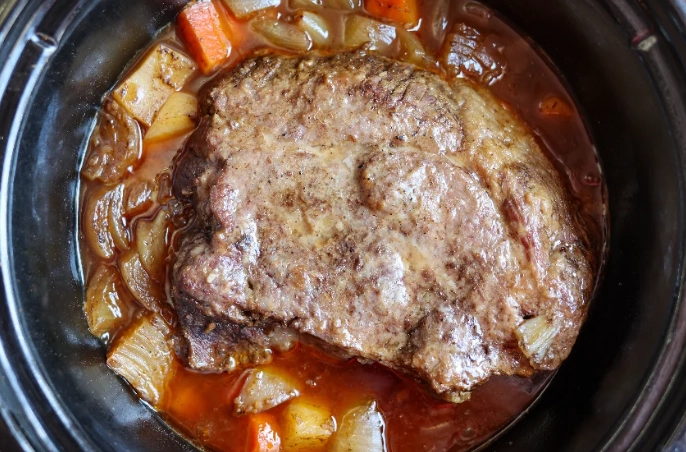 Think of your slow cooker as a magic box for transforming tough cuts into gold.
Why does chuck win? It's all about the marbling and connective tissue. Chuck comes from the shoulder and neck area of the cow, a hard-working muscle. All that work makes it tough if you grill it fast, but it also builds up rich marbling (intramuscular fat) and lots of collagen. Collagen is the key. When you subject it to low, moist heat for hours—exactly what your slow cooker does—that tough collagen slowly melts into gelatin. Gelatin is what gives the meat an unbelievably juicy, rich mouthfeel and causes it to pull apart with little effort. The fat bastes the meat from the inside. It's a perfect storm of flavor and texture.
The Contenders: A Breakdown of the Best Beef Roasts for Your Pot
Okay, so chuck is the top dog. But what about the others? Let's rank them based on tenderness potential, flavor, and reliability. I'm including some personal opinions here—because not every cut is worth your time and money for the slow cooker, in my experience.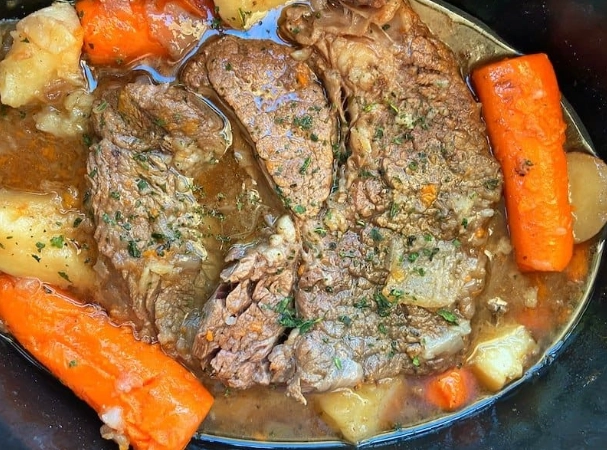
| Cut of Beef | Where It's From | Tenderness Potential | Flavor & Best For | My Honest Take |
|---|---|---|---|---|
| Chuck Roast (Chuck Eye, Chuck Shoulder) | Shoulder/Neck | Extremely High (Shreddy) | Rich, beefy, classic pot roast. Perfect for shredding for sandwiches, tacos, or serving whole. | The gold standard. Forgiving, consistently great. If you only remember one cut, make it this one. |
| Beef Brisket (Whole or Flat Cut) | Lower Chest | Very High (Sliceable) | Intense beef flavor, iconic for BBQ. Makes beautiful slices when cut against the grain. | Fantastic, but trickier. Can dry out if lean (flat cut). Needs careful slicing. A project, but rewarding. |
| Short Ribs (Boneless or Bone-in) | Rib/Plate | Extremely High (Rich & Unctuous) | Incredibly rich, luxurious. The bone adds depth. Creates a superb, thick sauce. | Maybe the best flavor of all. Pricier per pound, but the result is restaurant-quality. A special treat. |
| Bottom Round / Rump Roast | Hind Leg | Medium-High (Sliceable) | Leaner, milder flavor. Best sliced thin against the grain for sandwiches (like Italian Beef). | Can be dry if overcooked. Not as forgiving as chuck. You need to be precise with time and slicing. |
| Tri-Tip Roast | Bottom Sirloin | Medium | Good beefy flavor, less connective tissue. Better for roasting/grilling. Can be tough in slow cooker if not treated right. | I don't recommend it for beginners. It lacks the collagen to become "fall-apart" tender and can become mealy. |
See what I mean? What is the most tender beef roast for slow cooker? For shredding, it's chuck. For elegant slices, it's brisket. For decadent richness, it's short ribs. They all achieve amazing tenderness, but the *type* of tenderness differs. Most recipes and home cooks are aiming for that classic, pull-apart pot roast, which is why chuck is the go-to answer.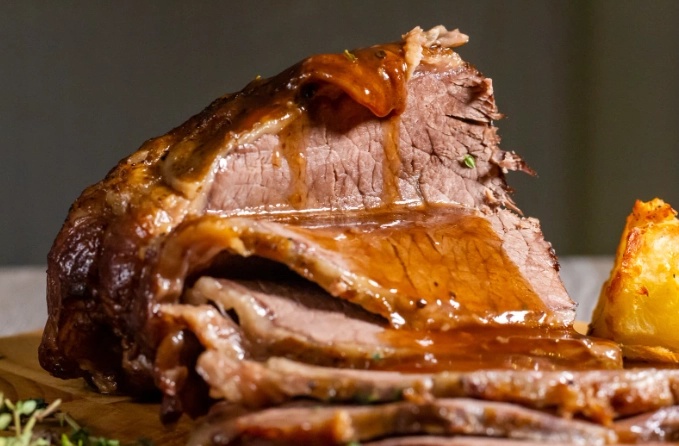
Beyond the Cut: How to Guarantee Tenderness Every Single Time
Picking the right roast is 70% of the battle. The other 30% is what you do with it. You can mess up a good chuck roast if you ignore a few key steps. Here’s what actually matters, based on a lot of trial and error (mostly error early on).
The Sear: Is It Non-Negotiable?
You'll see this debated everywhere. To sear or not to sear? I'm firmly in the sear camp, and here's why it's not just about color. Searing creates a crust via the Maillard reaction—hundreds of new flavor compounds that make the final dish taste profoundly more beefy and complex. It also gives the exterior texture a nice contrast. Does it "lock in juices"? Science says that's a myth. But for flavor alone, it's worth the extra pan to wash.
My method: Pat the roast bone-dry with paper towels. This is crucial for a good sear. Season heavily with salt and pepper. Get a skillet screaming hot with a little oil. Sear on all sides until it's a deep brown. Don't rush it. That fond (the brown bits stuck to the pan) is liquid gold. Deglaze the pan with a splash of red wine, broth, or even water, and pour that into your slow cooker. You just added a huge flavor boost.
Liquid Ratio: The Biggest Tenderness Killer
This might be the most common slow cooker fail. People think they need to submerge the roast. You don't. In fact, you shouldn't. You're not boiling the meat; you're braising it. The ideal liquid level is about halfway up the side of the roast. The steam from that liquid will do the cooking on the top half. Too much liquid dilutes flavor and can make the texture a bit soggy or boiled instead of tender and concentrated.
Start with about 1 to 1.5 cups of liquid—broth, stock, tomato juice, even beer. The roast and vegetables will release more liquid as they cook.
Low and Slow vs. High and Fast: The Time Debate
Always choose "Low." Just always. The "High" setting exists, but it's a trap for large cuts like a roast. High heat can cause the muscle fibers to contract violently and squeeze out moisture faster than the collagen can break down. You might end up with a roast that's both dry and tough. Low heat allows for that gentle, gradual transformation where collagen becomes gelatin and moisture is retained.
For a 3-4 pound chuck roast, plan on 8-10 hours on Low. A bigger piece or a very dense brisket might need 10-12. Yes, it's a long time. That's the point. Set it and forget it (but maybe check it once near the end).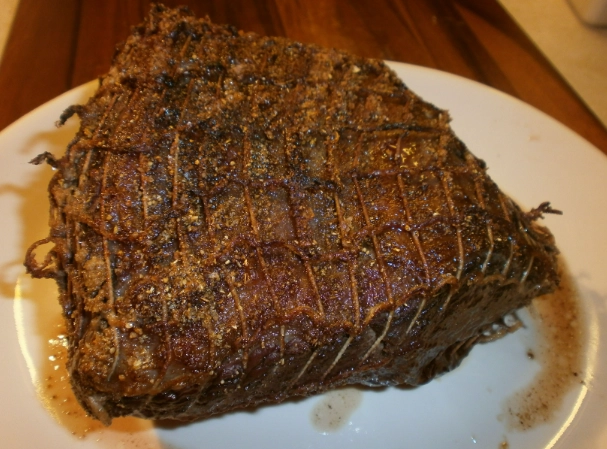
Answering Your Real Questions (The Stuff You Actually Google)
Do I need to trim the fat off the roast?
This is personal preference, but I recommend trimming only the large, hard caps of exterior fat. Leave the marbling (the white streaks inside the meat) completely alone. That's your flavor and juiciness. The exterior fat will render and flavor the cooking liquid. You can always skim excess fat off the sauce at the end if you want.
Can I put frozen beef roast in the slow cooker?
The official food safety guidance from the USDA Food Safety and Inspection Service advises against it. A large frozen roast could spend too long in the "danger zone" (40°F - 140°F) where bacteria can multiply, as the slow cooker may take too long to bring the entire mass up to a safe temperature. For safety and even cooking, always thaw your roast in the fridge first.
Why is my slow cooker beef roast still tough?
It's almost always one of two things: 1) You didn't cook it long enough. The collagen hasn't finished breaking down. Give it another hour and check. 2) You chose the wrong cut. A lean round roast will never get as shreddably tender as a chuck, no matter how long you cook it. If it's a chuck and it's tough, just keep cooking. It will eventually give up and become tender.
What about those pre-seasoned or pre-cut "stew meats"?
I avoid them. They're often trimmings from various parts of the cow, meaning they'll cook unevenly. Some pieces will be tender, others will be chewy. You also pay a premium for the convenience. For a stew, you're better off buying a whole chuck roast and cutting it into cubes yourself. You'll know exactly what you're getting, and the quality and consistency will be far superior.
The Final Verdict and How to Choose
So, after all this, what is the most tender beef roast for slow cooker for you?
- For First-Timers & Guaranteed Success: Grab a chuck roast. It's affordable, available everywhere, and nearly impossible to ruin. This is your answer 9 times out of 10.
- For a Special Dinner & Slicing: Go for a whole beef brisket (point and flat together). Do your research on slicing against the grain. It's a showstopper.
- For the Ultimate in Richness (Budget Allowing): Treat yourself to bone-in short ribs. The flavor is incomparable.
- For Leaner Sliced Sandwiches: A bottom round roast, cooked with care and sliced paper-thin against the grain, can be excellent.
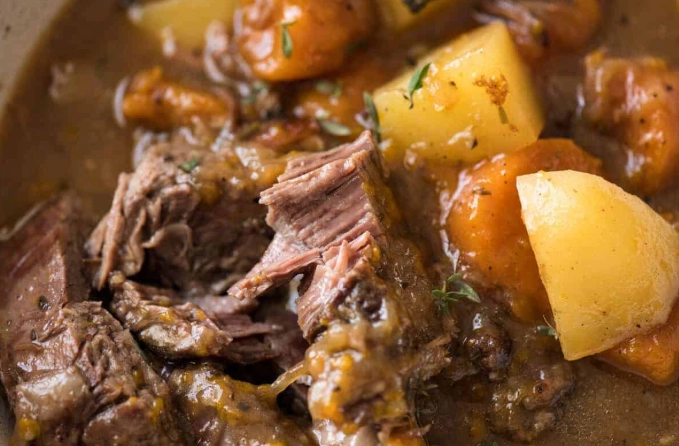
Remember, the magic isn't just in the machine; it's in the marriage of the right cut and the right technique. Your slow cooker is a tool, not a magician. Give it the right ingredient—a well-marbled, connective-tissue-rich roast like a chuck—and it will reward you with something truly special: effortless, melt-in-your-mouth tenderness that turns a simple dinner into a memorable meal.
Now go check what's on sale at the butcher counter. I bet it's chuck.
Reader Comments