What You'll Find in This Guide
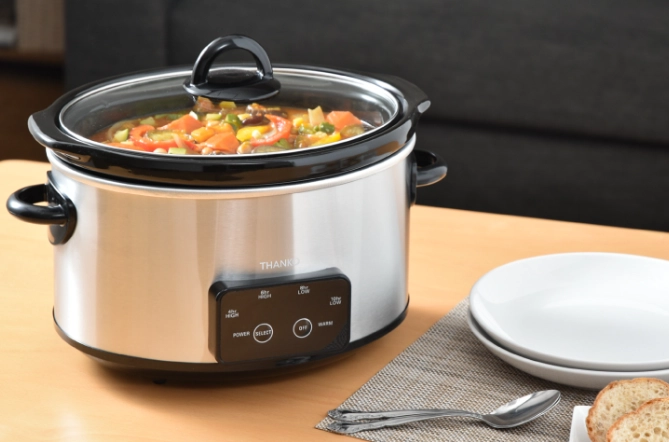
Let's cut to the chase. Yes, pasta can cook well in a slow cooker, but it's not as simple as dumping everything in and walking away. I've been using a slow cooker for over a decade, and I've had my share of pasta disasters—mushy noodles, stuck-together messes, you name it. But when you get it right, it's a game-changer for busy weeknights. This guide will walk you through everything, from picking the right pasta shape to nailing the liquid ratio.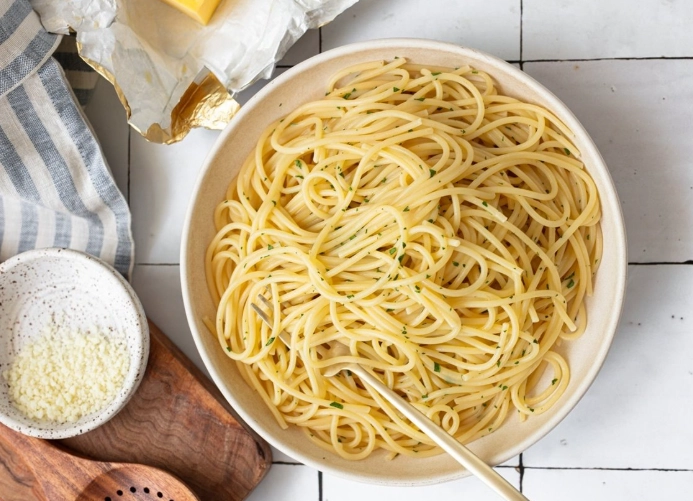
The Good and Bad of Slow Cooker Pasta
Why even bother? Slow cookers are fantastic for hands-off cooking, but pasta is tricky. On the plus side, you can create one-pot meals that simmer all day, infusing flavors deeply. Think of a rich spaghetti bolognese where the pasta soaks up the sauce. It's convenient, especially for meal prep.
But here's the downside. Pasta tends to overcook if you're not careful. The slow, moist heat can turn firm noodles into a gluey blob. I remember one time I added penne too early, and it dissolved into the soup—total waste. So, the key is timing and technique.
How to Cook Pasta in a Slow Cooker Without Messing Up
Follow these steps, and you'll avoid the common pitfalls. It's not rocket science, but a few details matter.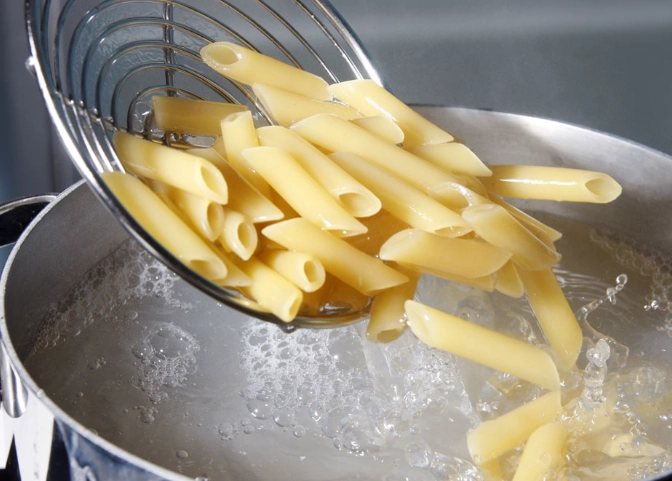
Choosing the Right Pasta Shape
Not all pasta is created equal for slow cooking. Sturdy shapes hold up better. Here's a quick list:
- Best picks: Penne, rigatoni, fusilli, orzo. These have more surface area and don't turn mushy as fast.
- Avoid if possible: Spaghetti, linguine, or angel hair. Long strands can clump together and overcook easily.
I usually go with penne because it's forgiving. Orzo is great for soups, but watch the liquid—it absorbs a lot.
Liquid Ratios and Cooking Times
This is where most people fail. Pasta needs liquid to cook, but in a slow cooker, it keeps absorbing. For every cup of dry pasta, use about 1.5 to 2 cups of liquid (broth, water, or sauce). If you're making a recipe with tomatoes, remember they release water, so adjust.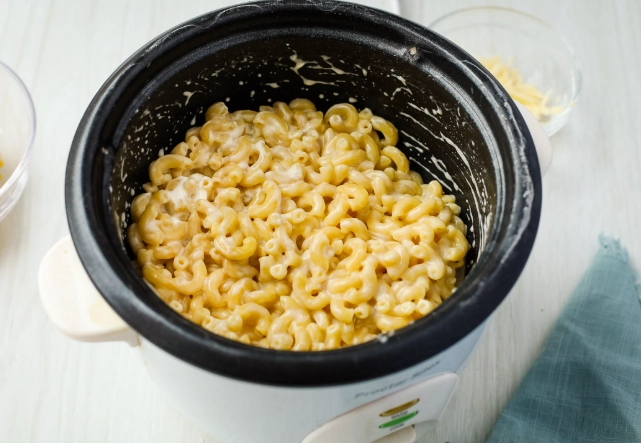
Cook times vary. On low heat, add pasta in the last 30-60 minutes. On high, maybe 20-30 minutes. Always check for doneness by tasting a piece. Al dente is the goal, but it'll soften a bit after you turn off the heat.
Here's a personal trick: I often par-cook pasta on the stove for 5 minutes, then add it to the slow cooker. It reduces the risk of mushiness.
Mistakes Everyone Makes (And How to Dodge Them)
I've seen these errors over and over. Let's break them down.
- Adding pasta too early: This is the biggest one. If you toss in uncooked pasta at the start, it'll be overcooked by the time the meal is done. Wait until the end.
- Not enough liquid: Pasta swells and absorbs liquid. If your sauce thickens too much, add a splash of broth or water midway.
- Stirring too much: Once you add pasta, give it a gentle stir to coat, but avoid frequent stirring—it can break the noodles.
A friend of mine once made a slow cooker lasagna without extra liquid, and the top layer turned into a dry cracker. Lesson learned: always account for evaporation.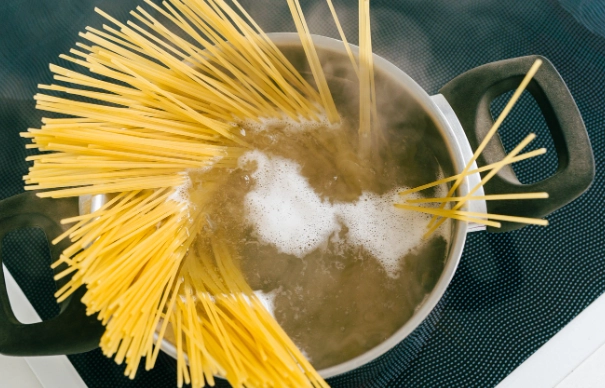
Slow Cooker Pasta Recipes That Actually Work
Let's get practical. Here are two recipes I've tested repeatedly. They're foolproof if you follow the tips above.
Slow Cooker Creamy Chicken Alfredo Pasta
Ingredients: 1 lb chicken breasts, 12 oz penne pasta, 4 cups chicken broth, 1 cup heavy cream, 1 cup grated Parmesan, garlic, salt, pepper.
Steps: Place chicken and broth in slow cooker. Cook on low for 6 hours. Shred chicken. Add pasta and cream, cook on high for 30 minutes. Stir in Parmesan until melted. Serves 6.
Why it works: The pasta cooks in the flavorful broth, and the cream adds richness without curdling if added late.
Slow Cooker Vegetarian Pasta e Fagioli
Ingredients: 1 cup ditalini pasta, 1 can diced tomatoes, 4 cups vegetable broth, 1 can kidney beans, carrots, celery, onion, Italian herbs.
Steps: Sauté veggies briefly, then add to slow cooker with tomatoes and broth. Cook on low for 7 hours. Add pasta and beans, cook on high for 20 minutes. Adjust seasoning.
This is a hearty soup where the pasta holds its shape well. Ditalini is small but sturdy.
Both recipes are adaptable. Use what you have on hand, but stick to the timing guidelines.
Your Burning Questions Answered
So, does pasta cook well in a slow cooker? Absolutely, with a bit of know-how. It's not a set-it-and-forget-it deal, but once you master the timing and liquid balance, you'll love the convenience. Give it a try this week—start with a simple recipe like the Alfredo, and tweak it to your taste. Happy cooking!
Reader Comments