Quick Navigation
- What Exactly is Beef Tip?
- And What is Stew Meat Supposed to Be?
- Beef Tip vs. Stew Meat: The Head-to-Head Breakdown
- So, What Should I Buy? Your Decision Guide
- Can You Use Them Interchangeably?
- Beyond the Basics: Other Cuts That Confuse the Issue
- Your Top Beef Stew & Tips Questions, Answered
- Wrapping It Up: Your Meat Aisle Confidence
Look, I've been there. Standing in the grocery store aisle, staring at packages labeled "Beef Tips" right next to others screaming "Stew Meat." The price is different, the chunks look sort of similar, and that nagging question pops into your head: is beef tip the same as stew meat? You just want to make a good dinner, not get a degree in meat science. The short, honest answer? Usually not. But the real story is way more interesting, and knowing it will save you money and a potentially tough, chewy meal.
Most of the confusion isn't your fault. Supermarkets and even some butchers use these terms pretty loosely, sometimes as marketing words rather than precise cuts. Frankly, it's a mess. One store's "beef tip" is another store's "stew meat," and what you get in that plastic tray can be a real gamble. So let's cut through the marketing speak and get to what actually matters—texture, flavor, and how to cook each one right.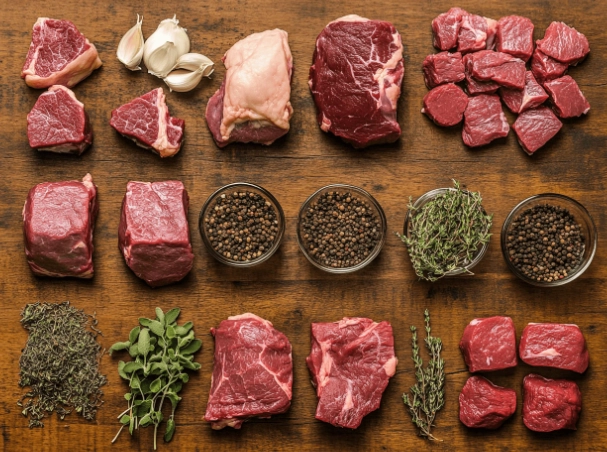
The Core Takeaway: While both are often sold in chunks for slow-cooked dishes, beef tip usually refers to a more specific, tender cut (like sirloin tip), while stew meat is a generic label for tougher, cheaper cuts from various parts of the cow that require long, slow cooking to become tender.
What Exactly is Beef Tip?
This is where things get tricky. "Beef tips" isn't an official, USDA-defined primal cut like chuck or rib. It's more of a butchers' and retailers' term. Traditionally, it pointed to the tender, lean chunks cut from the sirloin tip, also known as the knuckle. This is a muscle from the round (the hind leg) that doesn't do a ton of work, so it's relatively tender compared to other round cuts.
When you find real sirloin tips, they're great for quick-cooking methods. Think stir-fries, kebabs, or fast sautés. They have a decent beefy flavor and, if not overcooked, a pleasant chew. But here's the kicker—because the name "tips" sounds good and appetizing, stores now slap that label on all sorts of things. I've seen chunks from the tougher round, trimmings from various steaks, and even bits of chuck sold as "beef tips." It's frustrating.
My advice? Don't trust the label alone. Look at the meat. True sirloin tip is lean with a fine grain and a deep red color. If the chunks are marbled with little streaks of white fat, you're probably looking at something else, maybe even a cut better suited for stewing.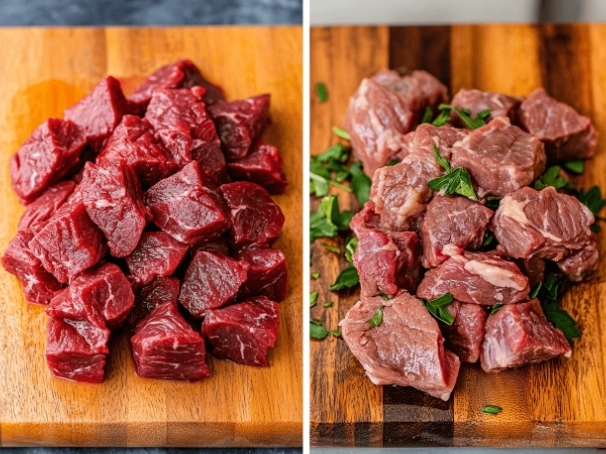
And What is Stew Meat Supposed to Be?
Stew meat is the ultimate mystery bag. The label is a catch-all for cuts that are flavorful but too tough to grill or pan-sear quickly. The whole point of stewing is to break down tough connective tissue (collagen) into gelatin through low, slow, moist heat. That transforms a chewy piece of meat into something fork-tender and luxurious.
Ideally, stew meat should come from hard-working muscles with lots of connective tissue. The champions here are cuts from the chuck (shoulder) and the round (hind leg). Chuck is the gold standard for stew—it's marbled with fat and collagen, which melts down and gives the stew an incredible richness and body. Round cuts are leaner but still benefit from long cooking.
But here's the problem: since "stew meat" isn't regulated, the package could contain scraps from anywhere. You might get a great mix of chuck, or you might get a pile of very lean, very tough round cuts that will stay a bit stringy no matter how long you cook them. It's a budget-friendly option, but the results can be inconsistent.
A Common Pitfall: The biggest mistake people make is treating all chunked beef the same. If you take a package of true, lean sirloin tip (beef tips) and try to stew it for 2 hours like stew meat, you'll end up with dry, chalky, overcooked nuggets. Conversely, if you try to quickly sear and serve a package of tough chuck stew meat, you'll be chewing for days. The cooking method is dictated by the cut's structure, not the name on the package.
Beef Tip vs. Stew Meat: The Head-to-Head Breakdown
Let's lay this out clearly. When you're asking is beef tip the same as stew meat, you're really asking about their purpose in the kitchen. This table should make the key differences impossible to ignore.
| Feature | Beef Tip (Ideal: Sirloin Tip) | Stew Meat (Ideal: Chuck) |
|---|---|---|
| Typical Source Cut | Sirloin Tip (Knuckle), sometimes other round cuts. | Chuck (Shoulder), Round, Brisket trimmings – a mix. |
| Texture & Fat Content | Lean, fine grain, relatively tender. Low marbling. | Tough, coarse grain, higher connective tissue. Good marbling (if chuck). |
| Flavor Profile | Good, clean beefy flavor. | Rich, deeply beefy flavor, especially when slow-cooked. |
| Best Cooking Methods | Quick, dry heat: Stir-fry, sautéeing, grilling (kebabs), broiling. | Long, moist, low heat: Braising, stewing, slow-cooking. |
| Price Point | Generally more expensive per pound than generic stew meat. | Usually the most budget-friendly option for chunked beef. |
| The "Risk" Factor | Label misuse: You might pay a premium for tougher cuts mislabeled as tips. | Inconsistent composition: You don't always know what cut you're getting. |
See? They're fundamentally different players. Thinking is beef tip the same as stew meat is like asking if a sprinter is the same as a marathon runner. Both are athletes, but their training and purpose are worlds apart.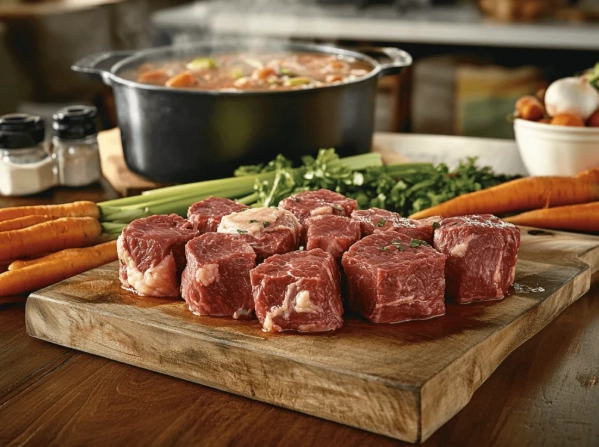
So, What Should I Buy? Your Decision Guide
Stop looking at the name and start thinking about your recipe. This is the single most important shift you can make.
When to Buy "Beef Tips" (and What to Look For)
You're making a stir-fry, a beef tips and mushroom skillet dish, or kebabs. You want meat that cooks fast and stays tender.
- Ask the butcher. Seriously, just ask. "Are these sirloin tips, or from another cut?" A good butcher will tell you.
- Inspect the meat. Look for lean, uniform chunks with minimal gristle or large seams of fat. A fine grain is a good sign.
- Be prepared to pay a bit more. True, tender tips from the sirloin are a premium product compared to generic stew meat.
If the package just says "beef for stir-fry," it's often the same idea as beef tips—lean cuts meant for fast cooking.
When to Buy "Stew Meat" (and How to Get the Best)
You're making a classic beef stew, a bourguignon, or a slow-cooker pot roast style dish.
- Embrace the chuck. Don't buy mystery meat. Skip the pre-cut "stew meat" package and go to the meat counter. Ask for a chuck roast (like a chuck shoulder or arm roast) and have them cut it into 1.5-inch cubes for you. This guarantees quality and consistency. The difference in your final stew is night and day.
- If you must buy pre-packaged, look for chunks with visible marbling (little white streaks of fat within the meat). That fat means flavor and collagen. Avoid packs that are all solid, deep red with no white—that's likely very lean round and can be stringy.
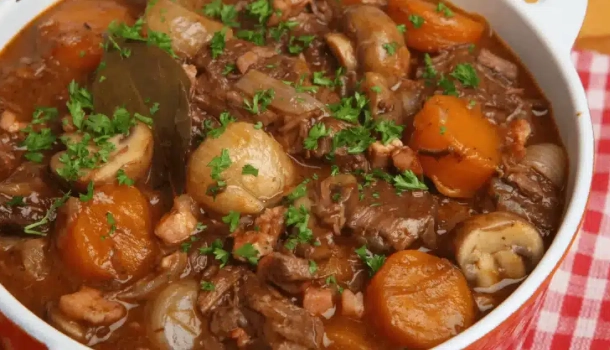
Pro-Tip from the Kitchen: My personal favorite for stew is chuck. It's the perfect balance of flavor, fat, and collagen. When I'm feeling frugal, I'll buy a whole chuck roast on sale, cut half into stew chunks (freezing what I don't use), and grind the other half for burgers or chili. Zero waste, maximum flavor.
Can You Use Them Interchangeably?
This is the heart of the matter, right? Can you swap one for the other? Technically, you can put any piece of beef in a pot. But should you? Let's be real.
Using Beef Tips (sirloin tip) in a stew: You can, but it's a bit of a waste of money. Because it's lean and tender to begin with, it doesn't benefit from the 2-3 hour stewing process. It will cook through much faster and can easily become dry and overcooked. If you do this, add the beef tips in the last 30-45 minutes of cooking just to heat them through and absorb flavor. Don't stew them from the start.
Using Stew Meat (chuck) for a stir-fry: This is a recipe for disaster. Those tough chunks need hours of slow cooking to break down. A 5-minute blast in a wok will leave them nearly inedible—chewy, tough, and rubbery. Just don't do it.
So when you wonder, is beef tip the same as stew meat for my recipe, the answer is a firm no if you want the best results. Match the cut to the cooking method. Always.
Beyond the Basics: Other Cuts That Confuse the Issue
While we're deep in the meat aisle, let's clear up a couple of other troublemakers.
"Beef for Kabobs" – This is usually in the same family as beef tips (sirloin tip, sometimes tenderloin or top sirloin trimmings). It's meant for quick grilling.
"Braising Steak" or "Pot Roast Meat" – These are cousins to stew meat. Often thicker slices or chunks from the chuck, perfect for the slow, moist heat they're named for.
"Round Steak" cubed – This is very lean and can be tough. It's often sold as stew meat but requires careful cooking to not become stringy. It's my least favorite choice for stew, to be honest.
The USDA provides a great resource for understanding standard beef cuts and where they come from on the animal, which can help demystify all these labels. For a trusted reference, you can check their official site and look for beef cutting charts or publications from the Agricultural Marketing Service. It's not light reading, but it's the source of truth.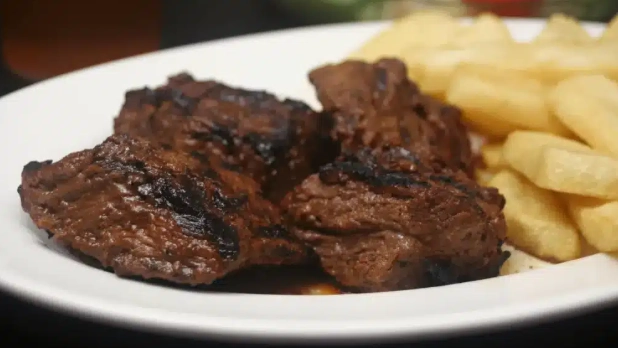
Your Top Beef Stew & Tips Questions, Answered
Why is my stew meat always tough?
Two main reasons: 1) You didn't cook it long enough. Tough cuts need time above 160°F to break down collagen. A 1-hour simmer isn't enough. Give it at least 1.5 to 2 hours, sometimes more. 2) You used the wrong cut. Very lean round meat will always be a bit stringier than well-marbled chuck. Underseasoning at the beginning can also make the flavor seem "tough" or bland.
Can I make beef tips tender like stew meat?
You don't need to! That's their superpower—they start tender. To keep them that way, cook them quickly to medium-rare or medium (135-145°F internal temp). If you try to "tenderize" them with long cooking, you'll ruin them. For a "fall-apart" texture, you need a different cut entirely.
What's the absolute best cut for beef stew?
Hands down, chuck roast. It's the perfect package of flavor, fat, and collagen. Buy it whole and cube it yourself. Second place goes to beef shank (incredibly flavorful, bone-in), and third to a well-marbled short rib (expensive but divine).
How can I tell what's really in my pre-packaged meat?
Short of a DNA test, you can't be 100% sure. This is the core of the is beef tip the same as stew meat confusion. Your best bets are: buy from a reputable butcher who labels accurately, look for the characteristics described above (marbling for stew, leanness for tips), and when in doubt, ask. If the store staff can't answer, consider that a red flag.
Wrapping It Up: Your Meat Aisle Confidence
So, is beef tip the same as stew meat? I hope by now you're shouting "NO!" at the screen (in a friendly way, of course). They are different tools for different jobs. The label chaos is real, but you're no longer at its mercy.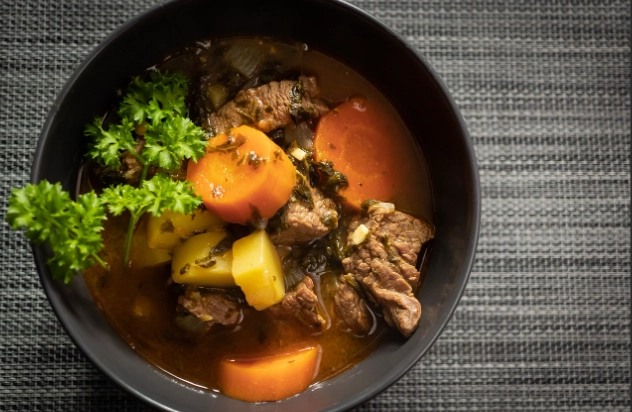
Remember this simple mantra: Quick cooking needs lean, tender cuts (like real sirloin tips). Slow cooking needs tough, flavorful, marbled cuts (like chuck). Let your recipe be your guide, not the sometimes-deceptive package label.
The next time you're in that grocery store aisle, you'll have the knowledge. You can look at the "beef tips" and the "stew meat," understand what each is probably offering, and make the choice that leads to a fantastic meal, not a disappointing one. And that's the whole point, isn't it?
Happy cooking, and may your stews always be tender and your stir-fries always be swift.
Reader Comments