In This Article
- Roots and History: Where Did They Come From?
- Breaking Down the Key Differences: A Side-by-Side Look
- What About “American Goulash”? This is Where It Gets Messy.
- Cooking Methods: Slow Simmer vs. Quick Skillet
- Common Questions & Confusions (Answered)
- So, Which One Should You Make?
- Final Thoughts: Embracing Both Worlds
You’ve probably seen both dishes on a menu or a family dinner table—hearty, steaming bowls of meat, pasta or potatoes, and a rich, savory sauce. They look similar, right? A lot of folks get them mixed up. I know I did for the longest time. My grandma called her weeknight skillet dinner “American goulash,” but it tasted nothing like the goulash I had at a Hungarian restaurant later in life. That’s when I started digging. What is the difference between goulash and chili mac, really? Is it just a name game, or are we talking about two completely different culinary traditions?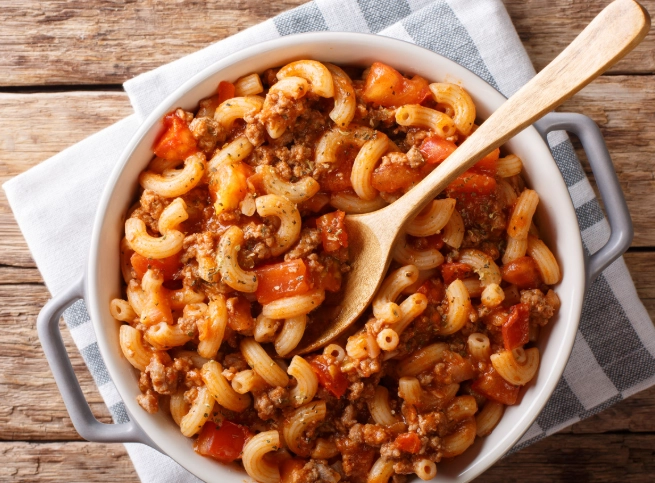
Turns out, it’s the latter. The confusion is understandable, especially in the United States where the names have sometimes been used interchangeably for similar-looking one-pot meals. But trust me, once you know the key differences, you’ll never confuse them again. It’s like realizing salsa and tomato sauce are both red but come from totally different worlds. This isn’t just about ingredients; it’s about history, geography, and the soul of the food.
Roots and History: Where Did They Come From?
You can’t talk about the difference between goulash and chili mac without starting with their stories. The history explains so much about how they taste.
The Story of Goulash: From the Hungarian Plains
Goulash (or “gulyás” in Hungarian) is old. We’re talking about a dish that started with Hungarian cattle herders (gulyás) on the Great Plains (the Puszta) around the 9th century. Imagine these herders spending days out with their cattle. They needed food that was filling, could be cooked in a single pot over an open fire, and would last. Their original version was more of a simple soup or stew, dried and carried in a bag, then reconstituted with water.
The big flavor revolution came with the introduction of paprika to Hungary in the 16th century. This wasn’t the mild powder you sometimes find; real Hungarian paprika is a vibrant, flavorful spice that became the heart and soul of the dish. Over centuries, it evolved from a herder’s meal to a national symbol. The Hungarian government even submitted it for UNESCO Intangible Cultural Heritage status, which tells you how serious they are about it. You can read about its cultural significance on the official Hungarian tourism site.
So, goulash is history in a bowl.
The Story of Chili Mac: An American Kitchen Sink Creation
Chili mac, on the other hand, is a much younger, distinctly American fusion. Its history is a bit murkier, which is typical for many beloved American comfort foods. It likely emerged in the early to mid-20th century, born from the practical, budget-friendly kitchens of home cooks and probably popularized in cafeterias, diners, and by the U.S. military.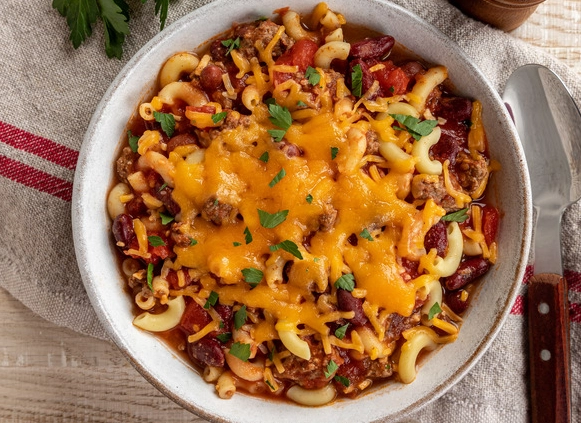
Think about the components: chili (with roots in Tex-Mex cuisine) and macaroni (a staple of Italian-American cooking). Combine them, and you get a hearty, cheap, and incredibly satisfying dish that feeds a crowd. It’s a product of American ingenuity—taking two existing, popular ideas and smashing them together to create something new and convenient. There’s no single “official” recipe, which is part of its charm and also why it gets confused with American-style “goulash.”
Breaking Down the Key Differences: A Side-by-Side Look
Okay, history lesson over. Let’s get into the nitty-gritty. When you put them side by side, the differences between Hungarian goulash and American chili mac become crystal clear. This table sums it up before we dive deeper.
| Aspect | Hungarian Goulash | American Chili Mac |
|---|---|---|
| Primary Origin | Hungary (Central Europe) | United States (North America) |
| Main Protein | Beef (stewing cuts like chuck), sometimes veal or pork. | Ground beef (most common), but can be turkey, beans, or a mixture. |
| Signature Spice | Paprika (sweet or hot). This is non-negotiable. | Chili Powder Blend (cumin, garlic powder, oregano, etc.). |
| Starch Base | Potatoes or small dumplings (csipetke). Never pasta. | Elbow macaroni or similar small pasta. Always pasta. |
| Tomato Use | Minimal or none in traditional versions. It’s a paprika-based stew. | Heavy use of tomatoes: tomato sauce, paste, diced tomatoes, or even ketchup. |
| Beans? | Absolutely not. Considered a culinary sin in authentic goulash. | Very common, especially kidney beans or pinto beans. |
| Consistency | A stew or thick soup. Brothy but substantial. | Thick, almost casserole-like. The sauce clings to the pasta. |
| Cheese? | No cheese garnish. | Often topped with shredded cheddar or a melty cheese. |
See? They’re pretty much opposites in several categories. The table makes it easy, but let’s talk about why these differences matter on your palate.
The Flavor Profile Face-Off
Close your eyes and taste each one in your mind.
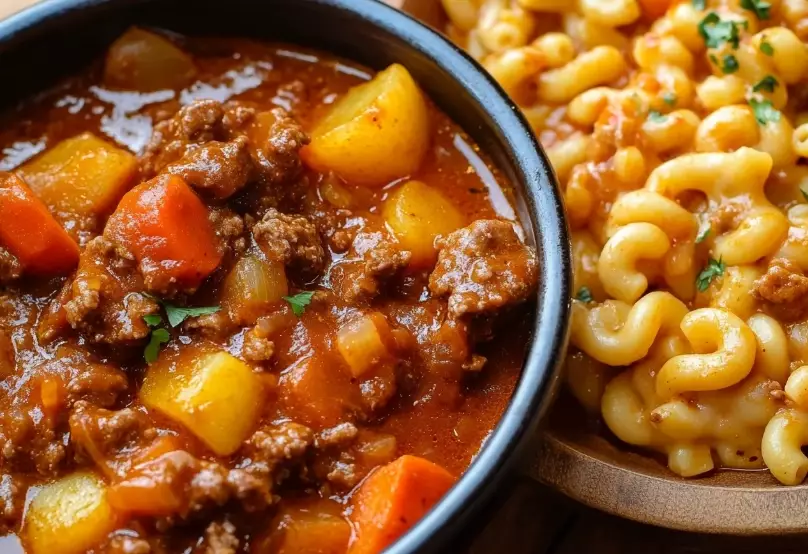
A spoonful of real Hungarian goulash gives you a deep, earthy, and slightly sweet warmth from the paprika. The beef is tender and shreddy, the broth is rich and savory (often from good stock and slow cooking), and the vegetables (onions, carrots, peppers) melt into the background. The potato chunks soak up all that paprika-infused goodness. It’s complex but balanced, hearty but not heavy. The flavor is all about the quality of the paprika and the meat.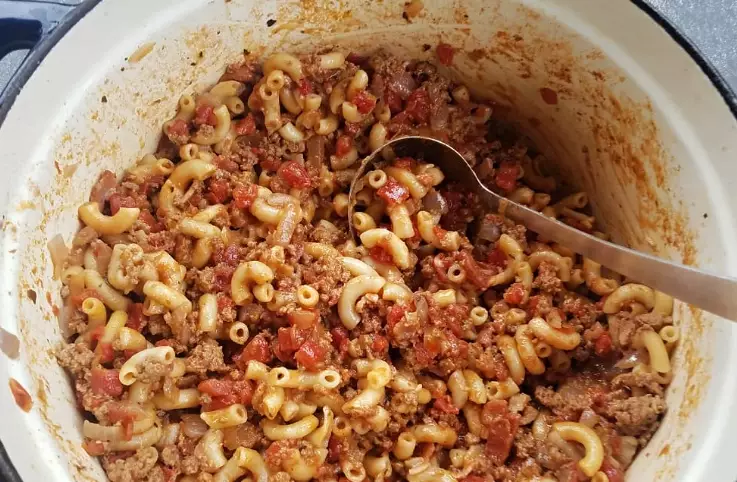
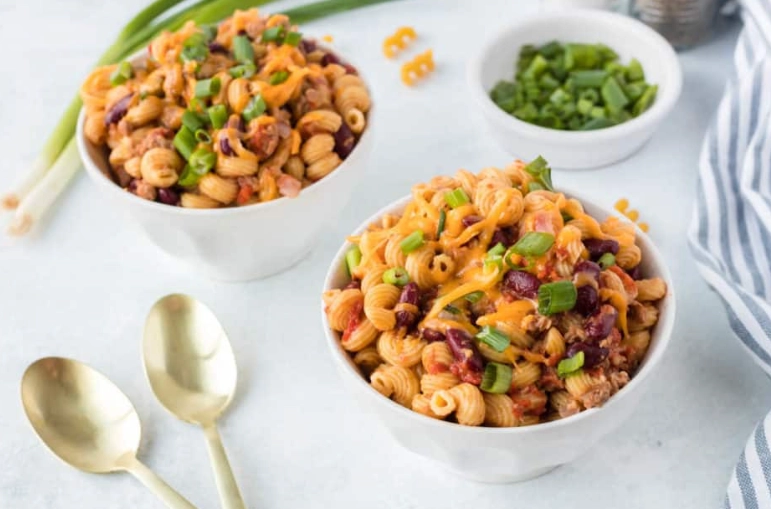
Now, a forkful of classic chili mac hits you differently. It’s a bolder, more “in-your-face” flavor. You get the savory umami of ground beef, the tangy sweetness from tomatoes, the earthy kick from cumin in the chili powder, and the comforting blandness of the macaroni that soaks up the spiced tomato sauce. Then you might get a gooey, salty bite of melted cheese on top. It’s a layered, robust, and very satisfying flavor that’s built for comfort and ease.
The Texture and Heartiness Factor
Texture is another huge differentiator. Goulash is a stew. It’s meant to be eaten with a spoon. The liquid is a central part of the experience—a brothy, flavorful soup that’s a meal in itself. The potatoes or dumplings provide soft, starchy bites.
Chili mac is closer to a pasta dish or a casserole. You eat it with a fork. The sauce is thick, chunky, and designed to coat every piece of macaroni. The ground beef and beans add a granular, hearty texture. It sits heavily and wonderfully in your stomach. It’s the food equivalent of a weighted blanket.
What About “American Goulash”? This is Where It Gets Messy.
Ah, the plot thickens. If you’re American, you might be thinking, “But my mom’s goulash had macaroni and tomato sauce!” You’re not wrong. In many parts of the U.S., especially the Midwest, what’s called “American goulash” or “Johnny Marzetti” is essentially the same dish as chili mac, or its very close cousin.
This Americanized version typically consists of ground beef, elbow macaroni, tomatoes (often tomato soup or sauce), onions, and maybe some green peppers. It might use paprika, but usually just a sprinkle alongside other Italian-ish herbs. The name “goulash” got attached to it likely because it was a one-pot, “thrown-together” meal, loosely evoking the spirit of the original. But let’s be honest, it has far more in common with chili mac than with Hungarian goulash.
So, in the U.S., the line between chili mac and American goulash is often blurred. But when we talk about the true difference between goulash and chili mac, we’re comparing the authentic Hungarian original to the American pasta dish.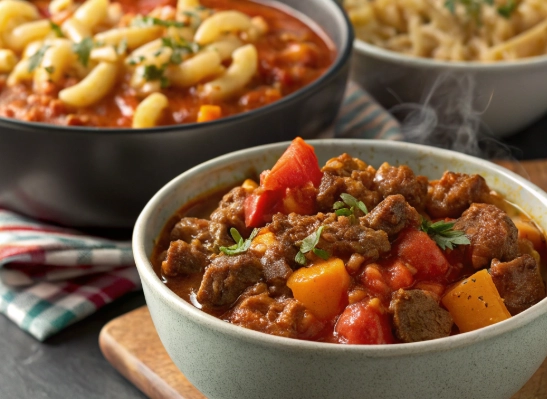
Cooking Methods: Slow Simmer vs. Quick Skillet
How you cook them also highlights their personalities. Authentic goulash is a lesson in patience. It’s a slow-cooked dish. You brown chunks of beef, sauté onions in fat (often lard), bloom the paprika carefully (so it doesn’t burn and turn bitter), add liquid, and let it simmer for hours until the meat is fork-tender. It’s a weekend project, a labor of love. The official Budapest information portal often highlights this slow-food aspect as key to its flavor.
Chili mac? It’s a weeknight hero. You can have it on the table in 30-45 minutes. Brown some ground beef, throw in onions and garlic, add your spices, tomatoes, and cooked beans, mix in boiled macaroni, top with cheese, and maybe broil it for a minute. It’s fast, forgiving, and hard to mess up. This practicality is its superpower.
Common Questions & Confusions (Answered)
Let’s tackle some of the specific questions people have when trying to figure out what is the difference between goulash and chili mac.
So, Which One Should You Make?
It’s not a competition—they’re both winners. But your choice depends on your mood, time, and what you’re craving.
Make Hungarian Goulash if:
- You want a culinary project and to explore a traditional dish.
- You’re craving deep, savory, paprika-forward flavors in a brothy stew.
- You have a tougher cut of beef to use up.
- You want to impress with something authentically European.
Make Chili Mac if:
- You need a quick, filling, family-friendly dinner on a busy night.
- You’re craving the classic American comfort food trifecta: pasta, meat sauce, and cheese.
- You’re feeding a crowd on a budget.
- You want something customizable—add more veggies, switch proteins, adjust the heat.
I keep both in my rotation. A big pot of goulash is my go-to for a cozy Sunday dinner that gives me leftovers for days. Chili mac is what I throw together on a Wednesday when I’m tired and just want something reliably delicious with minimal fuss.
Final Thoughts: Embracing Both Worlds
At the end of the day, understanding the difference between goulash and chili mac isn’t about declaring one better. It’s about appreciating two fantastic dishes for what they uniquely are. One is a centuries-old national treasure from Hungary, a masterclass in the power of a single spice. The other is a brilliant, modern American mash-up that solves the perennial question of “what’s for dinner?” with gusto.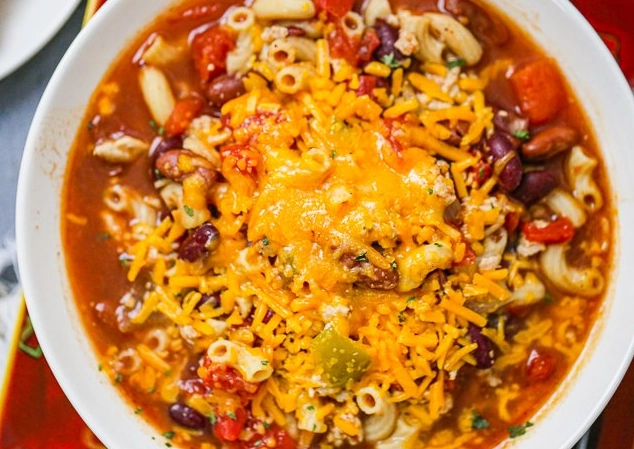
The next time someone asks you, “What is the difference between goulash and chili mac?” you can tell them it’s the difference between a slow-simmered history lesson and a quick, cheesy hug in a bowl. And honestly, we’re lucky to have both.
Maybe try making both this month. Start with a solid chili mac recipe from a trusted source like Bon Appétit for a reliable modern take. Then, when you have an afternoon, dive into a traditional goulash recipe. Taste the history. Your taste buds will thank you for knowing the difference.
Reader Comments