The short answer is a resounding yes. You can absolutely cook spaghetti in a slow cooker. But the real question most home cooks are asking is, "Can you put spaghetti in a slow cooker and have it come out perfectly al dente, not a mushy, bloated mess?" That's where the technique comes in. I've spent years testing this, and I can tell you that most recipes and online advice get a critical step wrong, leading to disappointing results. Let's cut through the noise.
Using a slow cooker for spaghetti isn't about laziness—it's about developing deep, complex flavors in the sauce that a 20-minute stovetop simmer can't match. The pasta becomes a vehicle for that sauce. But you have to be smart about it.
What You’ll Find Inside
The Core Mistake Everyone Makes (And How to Fix It)
Here’s the non-consensus view most food blogs won't tell you: Adding dry spaghetti to the slow cooker at the beginning with all the liquid is a guaranteed path to gluey, overdone pasta. It seems logical—let everything cook together. But spaghetti, especially the standard semolina kind, absorbs liquid aggressively and continues to cook long after it's "done." In the moist, steamy environment of a crockpot, this means it will blow past al dente into mush territory by the time your sauce is ready.
I learned this the hard way. My first attempt yielded a dish my kids kindly called "spaghetti soup." The noodles had disintegrated, thickening the sauce into a pasty, unappealing texture. The flavor was fine, but the mouthfeel was all wrong.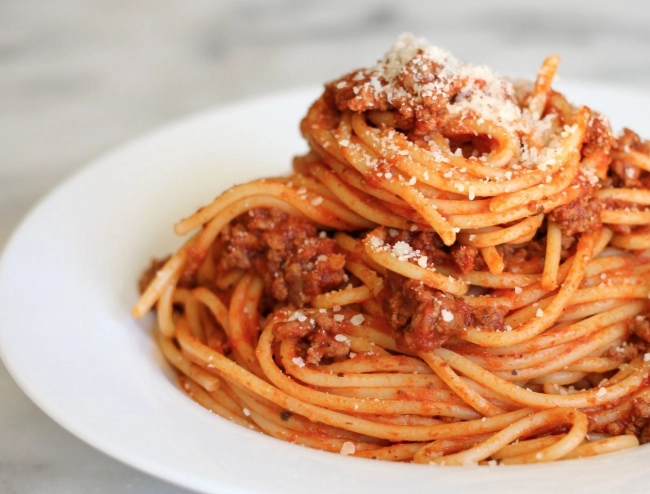
Expert Insight: The starch released by continuously cooking pasta can also make your sauce too thick or even cause it to stick and burn on the edges of the slow cooker insert, adding a scorched flavor. It's a double whammy of texture and taste problems.
Two Proven Methods for Perfect Slow Cooker Spaghetti
So, how do you do it right? You have two primary strategies, each with its own merits. Your choice depends on whether you prioritize convenience or perfect pasta texture.
Method 1: The "Pasta Finish" (Best for Texture)
This is my preferred method and the one I recommend for company or when you really care about the bite of your pasta. You cook your sauce—meat, vegetables, tomatoes, herbs—low and slow for 6-8 hours. This slow simmer melds flavors beautifully, tenderizes meat until it falls apart, and creates a rich, hearty base.
Then, about 20-30 minutes before you want to eat, you cook your spaghetti separately in a pot of boiling, salted water. You cook it to just barely al dente, perhaps a minute less than the package instructions. Drain it, and then stir it into the finished sauce in the slow cooker. Put the lid back on and let it sit on the "Warm" setting for 10-15 minutes. The pasta will finish absorbing flavor from the sauce without continuing to break down.
Why it wins: You get restaurant-quality pasta texture with the benefit of a slow-cooked sauce. The extra pot is worth it.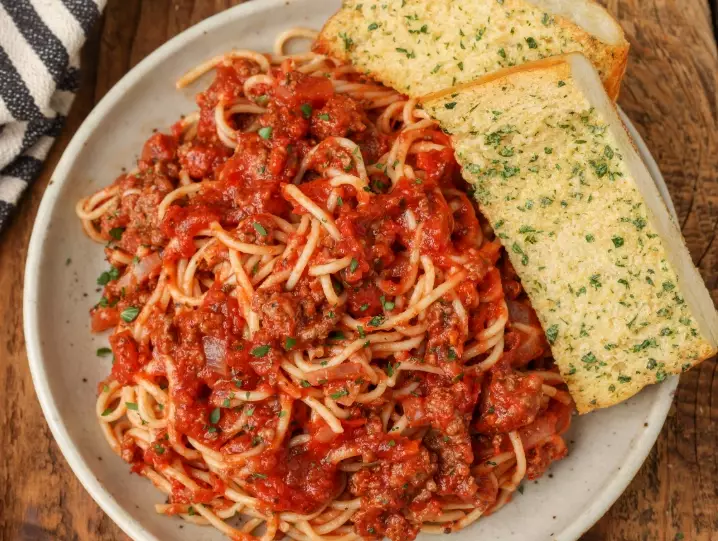
Method 2: The "One-Pot Hybrid" (Best for Convenience)
This method is for true one-pot devotees. You still start your sauce in the slow cooker and let it go for most of the cooking time. The key difference is when you add the pasta.
About 45-60 minutes before serving, you break your dry spaghetti in half (this helps it fit and cook more evenly) and submerge it into the simmering sauce. You'll need to ensure there's enough liquid. A good rule is that the pasta should be just covered by the sauce. You might need to add a cup of hot water, broth, or even starchy pasta water if you saved some from a previous boil.
Stir well to separate the strands. Put the lid back on and cook on HIGH for 45-60 minutes. Check at 45 minutes. The pasta should be tender but still have a slight bite.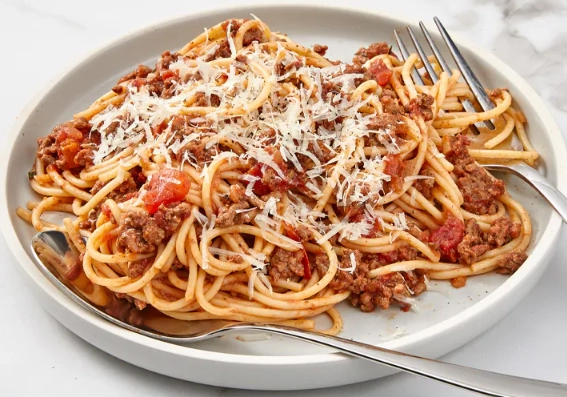
Pro-Tip for the Hybrid Method: Use a robust pasta like Barilla or De Cecco. Some cheaper brands have a weaker structure and turn mushy faster. Also, slightly undercook any ground meat before adding it to the slow cooker for this method, as the final cook time is shorter.
Noodle Know-How: A Pasta Timing Chart for the Hybrid Method
Not all pasta shapes behave the same. If you're using the one-pot hybrid method, this chart is your best friend. These times are for adding dry pasta to a hot sauce on the HIGH setting.
| Pasta Type | Approx. Cook Time in Sauce (on HIGH) | Notes & Tips |
|---|---|---|
| Spaghetti or Linguine (broken) | 45 - 60 minutes | Break in half for even cooking. Stir at 30 mins to prevent clumping. |
| Penne, Rigatoni, Ziti | 60 - 75 minutes | Holds up very well. The tubes capture sauce beautifully. |
| Fusilli, Rotini | 50 - 65 minutes | The twists cook evenly. A great choice for chunkier sauces. |
| Small Shells, Ditalini | 40 - 55 minutes | Be careful—these can go from perfect to soft quickly. Check early. |
| Fresh Refrigerated Pasta | DO NOT ADD TO SLOW COOKER | This will disintegrate in minutes. Always cook fresh pasta separately at the end. |
How to Prevent Mushy Spaghetti in a Slow Cooker: The Golden Rules
Beyond the method, these tactical adjustments make all the difference between good and great.
- Undercook Your Pasta: Whether boiling separately or cooking in the sauce, aim for a firmer bite than you think you want. It will continue to soften from residual heat.
- Mind the Liquid: The sauce will reduce over many hours. If you plan to add dry pasta later, make sure your sauce is a bit saucier/wetter than a final stovetop sauce. Have hot broth or water on standby to adjust consistency.
- Salt is Non-Negotiable: If cooking pasta in the sauce, you must adequately salt the sauce itself. Pasta cooked in unsalted water (or sauce) tastes bland. Don't be shy.
- The Acid Check: Long, slow cooking can mellow tomato acidity too much, making the sauce taste flat. A splash of red wine vinegar or a squeeze of fresh lemon juice stirred in at the very end can wake the whole dish up.
Building a Sauce That Can Handle the Heat
A slow cooker spaghetti sauce isn't just a sped-up version of a regular one. It benefits from ingredients that thrive with long cooking.
Brown your meat. I don't care what any "dump-and-go" recipe says. Taking 10 minutes to properly brown ground beef, sausage, or meatballs creates a Maillard reaction—those tasty brown bits—that adds a foundational depth of flavor you can't get any other way. Deglaze the pan with a little red wine or broth and pour that liquid gold into the slow cooker too.
Use dried herbs at the start, fresh at the end. Dried oregano and basil stand up to long cooking. Stir in fresh basil or parsley just before serving for a bright, aromatic finish.
Consider your vegetables. Onions, garlic, carrots, and celery soften and sweeten over hours. If you like mushrooms with more texture, add them in the last hour. Bell peppers can become too soft for some if cooked all day; it's a texture preference.
The beauty is in the set-it-and-forget-it simplicity for the bulk of the work. You build layers of flavor while you're at work or running errands.
Your Slow Cooker Spaghetti Questions, Answered
This is common. First, try removing the lid for the last 30-45 minutes of cooking on HIGH to allow evaporation. If it's still too thin, make a quick slurry: mix 1-2 tablespoons of cornstarch with an equal amount of cold water until smooth. Stir this into the simmering sauce (ensure it's on HIGH) and let it cook for 10-15 minutes until thickened. Alternatively, stir in a few tablespoons of tomato paste for both thickness and a flavor boost.
You can, but with caution. Whole wheat pasta often has a more porous structure and can become mushy faster. For the hybrid method, reduce the initial cook time by 10-15 minutes and check early. Gluten-free pasta (made from rice, corn, or legumes) is notoriously fragile and can fall apart. I strongly recommend cooking gluten-free pasta separately using the "Pasta Finish" method (Method 1) to guarantee it holds its shape.
From a food safety standpoint, yes, the slow cooker will bring the meat to a safe temperature if cooked long enough. The U.S. Department of Agriculture confirms that slow cooking is safe for raw meat. However, from a flavor and texture standpoint, I don't recommend it for spaghetti sauce. Raw ground beef will stew in its own fat and water, leading to a greasy, bland sauce with a crumbly, unappealing meat texture. Browning first is the single biggest flavor upgrade you can make.
A slow cooker's heating element wraps around the sides, so the edges are always hottest. Three tips: 1) Use a slow cooker liner or ensure your insert is well-coated with a thin layer of oil. 2) Avoid high-sugar sauces (like some BBQ sauces) for very long cooks, as sugar burns easily. A classic tomato sauce is usually fine. 3) If you're home, give the sauce a gentle stir once or twice during the cooking process to rotate it. If you see darkening, you can add a splash of liquid (water, broth) to the edges.
Reheating is the final test of your pasta's resilience. The microwave is the worst offender, steaming the pasta into mush. Instead, reheat it gently on the stovetop in a saucepan over medium-low heat. Add a small splash of water or broth to loosen the sauce and stir frequently. You can also reheat individual portions in a covered oven-safe dish at 325°F (160°C) for 15-20 minutes. The dry, ambient heat of the oven helps re-crisp the pasta's surface slightly.
Reader Comments