After ten years of cooking Italian food, I can tell you straight up: the secret to a killer spaghetti sauce isn't more tomatoes or garlic. It's a tiny tube of anchovy paste. Yeah, you heard that right. Most home cooks skip it because they think it'll make the sauce fishy, but that's where they're wrong. Anchovy paste melts into the sauce, adding a deep, savory umami that ties everything together. I learned this from an old chef in Naples, and it changed my sauce game forever.
Here's What We'll Cover
Why Anchovy Paste is the Secret Weapon
Let's cut to the chase. Anchovy paste is packed with glutamates, the compounds that create umami—the fifth taste. Umami is that savory, mouthwatering quality you get in aged cheeses or soy sauce. In spaghetti sauce, it rounds out the acidity from tomatoes and boosts the flavors of herbs like basil and oregano. Without it, your sauce can taste flat, no matter how long you simmer it.
I remember my first time trying it. I was in a small trattoria in Rome, and the sauce had this incredible depth I couldn't pinpoint. The chef later showed me his trick: a teaspoon of anchovy paste added early in the cooking process. It dissolves completely, leaving no fishy taste, just richness. Science backs this up. According to resources from culinary institutes like The Culinary Institute of America, umami-rich ingredients enhance overall flavor perception.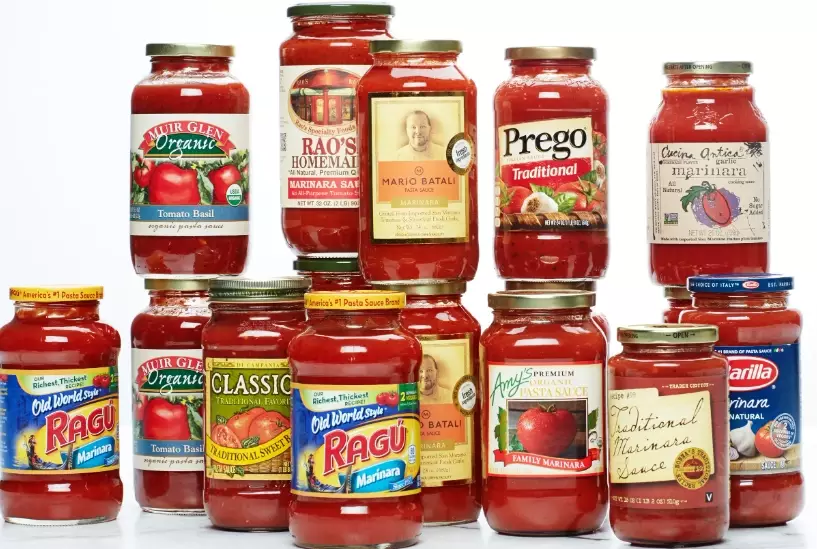
The Science of Umami
Umami works by stimulating specific receptors on your tongue. When you add anchovy paste to spaghetti sauce, it interacts with the tomatoes' natural glutamates, creating a synergistic effect. This isn't just theory—it's why many top Italian restaurants use anchovies or their paste in their base sauces. You're not masking flavors; you're amplifying them.
Some people swear by sugar to balance acidity, but that's a band-aid solution. Sugar adds sweetness, but it doesn't build complexity. Anchovy paste does. It's like the difference between listening to music with headphones versus cheap speakers. Everything just pops.
How to Use Anchovy Paste Like a Pro
Using anchovy paste is simple, but timing matters. Here's my step-by-step method, honed from countless batches.
Start with a good base. Heat two tablespoons of extra-virgin olive oil in a pot over medium heat. Add one finely chopped onion and three minced garlic cloves. Cook until soft, about five minutes. Now, here's the key moment: stir in one teaspoon of anchovy paste. Let it cook for a minute until it melts into the oil. You'll smell a savory aroma, not fish.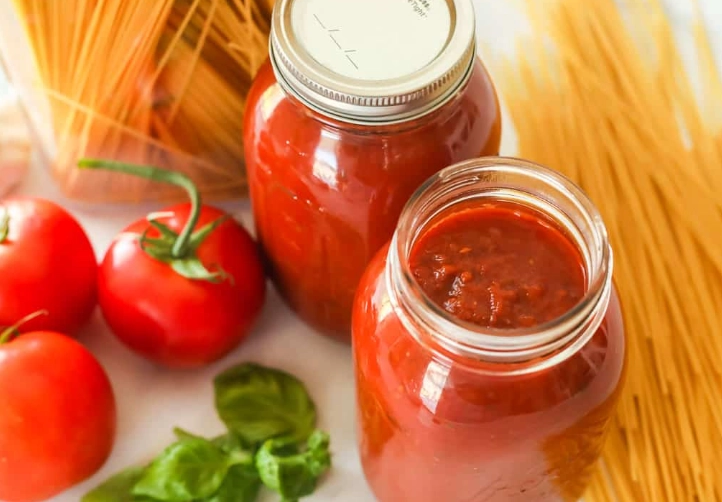
Next, add your tomatoes. I prefer canned San Marzano tomatoes—they're less acidic. Crush them by hand for a chunkier texture. Simmer for at least an hour, but two is better. The anchovy paste works its magic slowly, integrating with the tomatoes.
Common mistakes? Adding too much. A teaspoon is enough for a batch serving four people. More than that, and you might get a salty undertone. Also, don't add it at the end; it needs time to meld. I've seen cooks ruin a sauce by dumping it in late—it just sits there, tasting odd.
Step-by-Step Guide in a Nutshell
- Heat olive oil, sauté onion and garlic.
- Add 1 tsp anchovy paste, cook for 1 minute.
- Add tomatoes, herbs (like basil and oregano), salt, and pepper.
- Simmer for 1-2 hours, stirring occasionally.
If you're short on time, even 30 minutes of simmering helps, but the longer, the better. The anchovy paste deepens the flavor over time.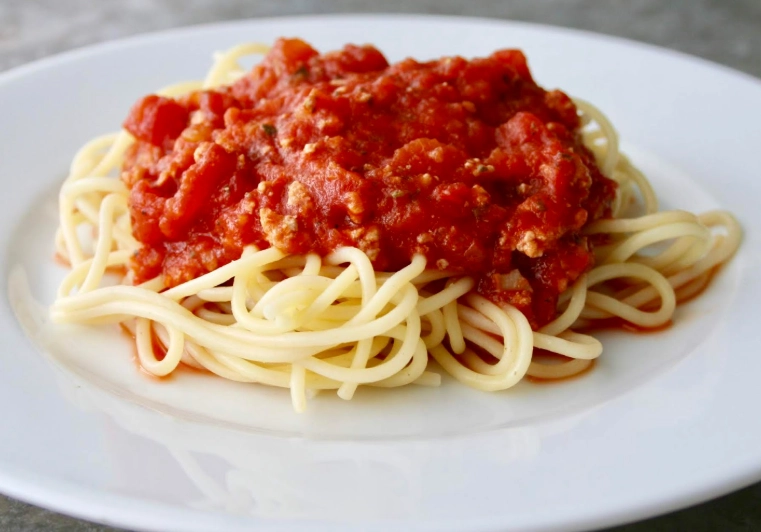
The Supporting Cast: Other Essential Ingredients
Anchovy paste is the star, but it needs a good team. Here's a quick breakdown of other components that matter, based on my experience.
| Ingredient | Role in Sauce | Expert Note |
|---|---|---|
| Tomatoes (canned San Marzano) | Base, provides acidity and sweetness | Skip fresh tomatoes unless they're peak season; canned are more consistent. |
| Garlic | Aromatic, adds pungency | Don't burn it—cook until fragrant, not brown. |
| Olive Oil | Fat for sautéing, richness | Use extra-virgin for flavor; cheaper oils lack depth. |
| Fresh Basil | Herbal note, freshness | Add half while simmering, half at the end for brightness. |
| Oregano (dried) | Earthiness, classic Italian flavor | A pinch is enough; too much can taste medicinal. |
Notice how anchovy paste isn't listed? That's because it's the secret enhancer, not just another ingredient. It elevates all these elements. For instance, when I tested batches side-by-side, the one with anchovy paste had a more rounded tomato flavor, while the one without tasted sharper, almost tinny.
Some recipes call for red wine or meat, but those are variations. The core principle remains: umami from anchovy paste binds everything. If you're making a meat sauce, add it after browning the meat—it'll deepen the meaty flavors.
Advanced Tips from a Seasoned Cook
Here's where most online guides fall short. They repeat the same old advice, but after a decade, I've picked up nuances that make a real difference.
First, brand matters. Not all anchovy pastes are equal. I use Cento or Reese because they're balanced in saltiness. Cheaper brands can be overly salty, forcing you to adjust the rest of your seasoning. Once, I bought a generic brand, and my sauce turned out too salty—I had to double the tomatoes to fix it. Lesson learned.
Second, don't rely on anchovy paste as a cure-all. If your tomatoes are low-quality, no amount of paste will save the sauce. Invest in good canned tomatoes. In the U.S., look for DOP-certified San Marzano tomatoes; they're pricier but worth it. I've found them at stores like Whole Foods or online from retailers like Amazon.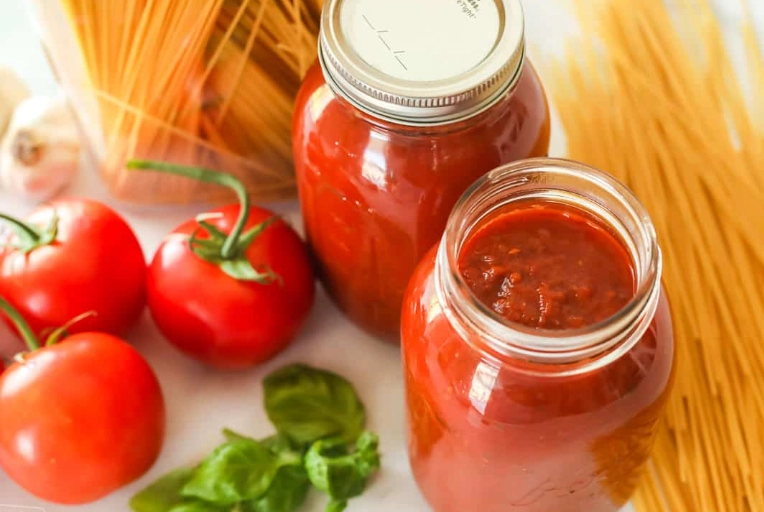
Another non-consensus point: skip the sugar. Many recipes add sugar to cut acidity, but with anchovy paste, you don't need it. The umami naturally balances the tomatoes. I've had students tell me their sauce tastes "off" when they use sugar—it adds a cloying sweetness that clashes with the savory notes.
For storage, keep anchovy paste in the fridge after opening. It lasts for months. If you're vegetarian, try a teaspoon of soy sauce or miso paste as a substitute. They're also umami-rich, but the flavor profile shifts slightly. Soy sauce adds a different depth, so adjust salt accordingly.
Finally, experiment. Start with a small batch. Use one teaspoon of anchovy paste, taste as you go. You might find your perfect ratio is a bit more or less. Cooking isn't about rigid rules; it's about tuning flavors to your palate.
Your Burning Questions Answered
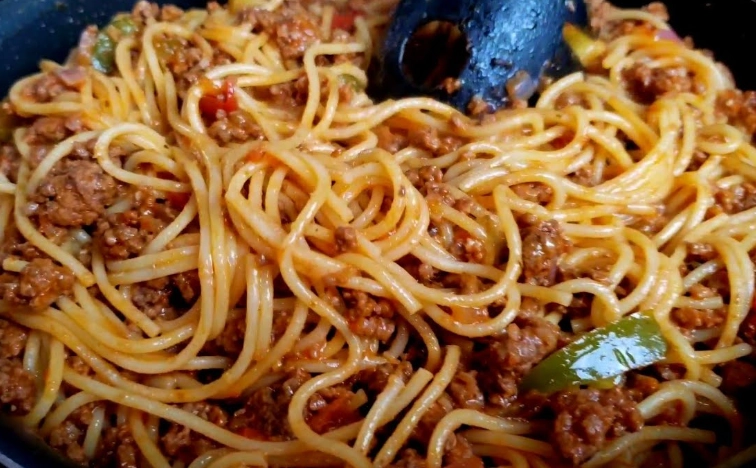
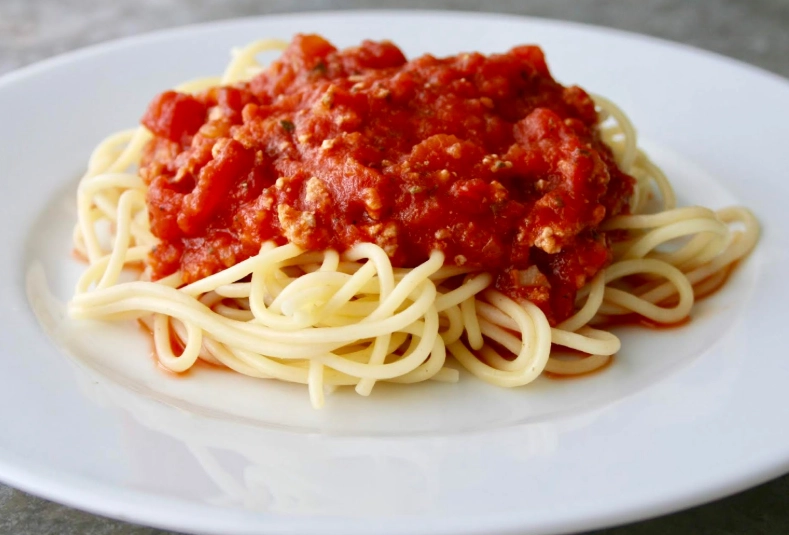
So, there you have it. The one ingredient that makes spaghetti sauce so much better isn't a mystery—it's anchovy paste. It's cheap, easy to find, and transforms your cooking. Next time you make sauce, give it a try. Start small, trust the process, and watch your family ask for seconds. Happy cooking!
Reader Comments