Let's cut to the chase. You found a promising slow cooker recipe, it calls for pasta, and you're staring at that box of dry rigatoni wondering if you can just dump it in. The short, direct answer is yes, you absolutely can put dry pasta in a slow cooker. But—and this is a massive but—you cannot treat it like the other ingredients and let it cook for 6-8 hours. Doing that will give you a gluey, mushy, completely unappetizing mess. The real magic lies in the timing.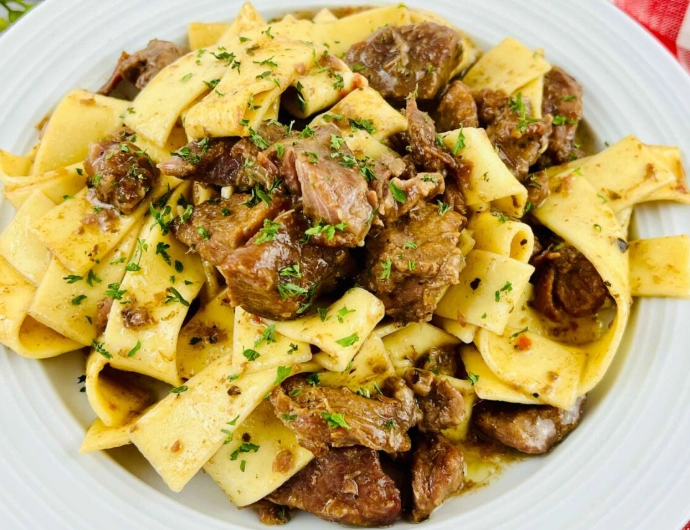
I learned this the hard way years ago. I threw dry penne into a slow cooker with sausage and sauce, left for work, and came home to what looked like a pot of paste. It was a total dinner fail. Since then, through a lot of trial and error (and consulting with other slow cooker fanatics), I've nailed down a method that works every single time.
What’s Inside This Guide?
The Direct Answer: Yes, But With a Caveat
Think of your slow cooker as a gentle, moist heat environment. Dry pasta needs to absorb liquid to become tender. If you give it too much time in that hot bath, it absorbs all the liquid, swells past its prime, and then starts to break down. The starch leaches out, and you're left with sludge.
The golden rule? Add dry pasta during the last 30 to 60 minutes of cooking on HIGH. On LOW, it might take 60 to 90 minutes. This window gives it enough time to cook through and soak up flavor without disintegrating.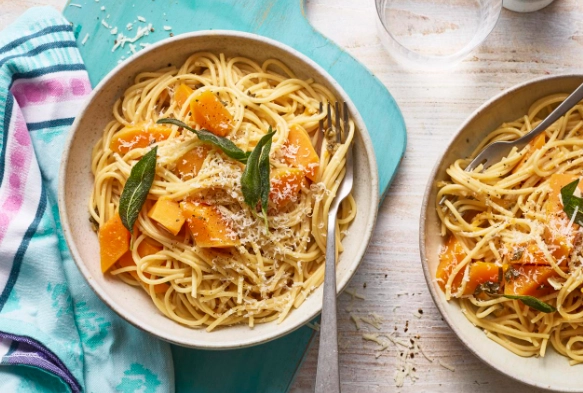
This changes your entire approach to slow cooker recipes. You're no longer making a "set it and forget it" meal. You need to plan for one intervention. For many of us, that's the difference between a workday dinner and a weekend project. It's worth it, though. The flavor infusion is incredible.
How to Cook Dry Pasta in a Slow Cooker: A Step-by-Step Guide
Let's walk through a real scenario. Say you're making a classic slow cooker beef ragu with pasta.
1. Cook Your Main Ingredients First
Brown your beef, sauté your onions and garlic (this step is non-negotiable for flavor, don't skip it), and add them to the slow cooker with your crushed tomatoes, broth, and herbs. Let this cook on LOW for 6-7 hours. The pasta isn't even in the picture yet.
2. The Critical Pasta Addition
About 60 minutes before you want to eat, stir the pot. Now, assess your liquid. The pasta will soak up a lot. You need enough saucy liquid to fully submerge the dry pasta. If it looks thick, add a splash of hot water, broth, or even pasta water if you have some handy.
Stir in your dry pasta—let's use fusilli this time—ensuring it's covered by liquid. Crank the heat to HIGH. Put the lid back on.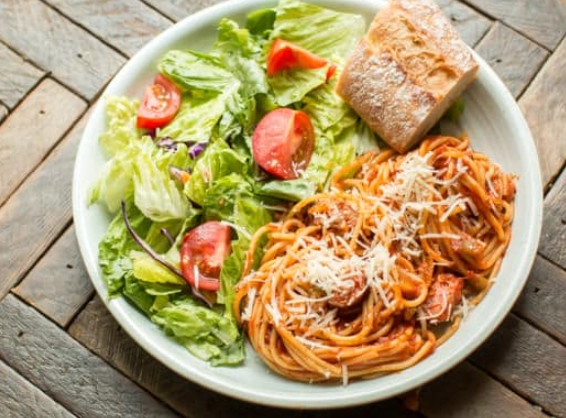
3. The Don't-Walk-Away-Far Check
Set a timer for 30 minutes. Check it. Stir it. Is the pasta al dente? Probably needs another 10-15 minutes. The exact time depends on the pasta shape and your specific slow cooker. This isn't an exact science like boiling water; it's a feel. You're looking for tender but firm, not chalky in the center.
Once it's done, turn the slow cooker to WARM. Let it sit for 5-10 minutes. The pasta will absorb a bit more sauce and the whole thing will thicken up perfectly.
Choosing the Right Pasta for Your Slow Cooker
Not all pasta is created equal for this job. Delicate shapes like angel hair or thin spaghetti are a nightmare—they'll turn to mush before you blink. You want sturdy, substantial shapes that can hold up to the extended simmering.
- Champions (Best Choices): Penne, Rigatoni, Ziti, Fusilli, Farfalle, Shells (medium or large). These have thick walls or nooks that trap sauce and stand up to heat beautifully.
- Proceed with Caution: Rotini, Cavatappi. They work, but check them a bit earlier.
- Avoid: Spaghetti, Linguine, Capellini, Orzo, any "mini" pasta. They overcook in a heartbeat and clump together.
My personal favorite is rigatoni. The tubes get filled with sauce, and the ridges hold onto every bit of flavor. It's a transformative experience compared to boiled pasta.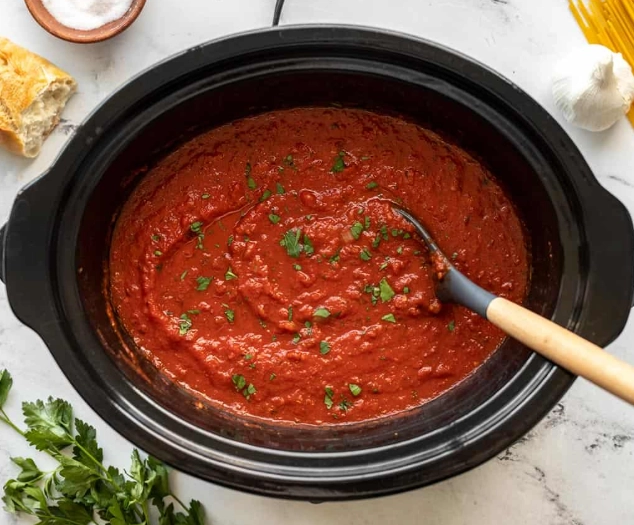
Common Mistakes and How to Avoid Them
Here's where that "10 years of experience" insight comes in. Everyone talks about timing, but few mention these subtle traps.
Mistake 1: Not adjusting the liquid. You followed a stew recipe to the letter, then added pasta. The pasta drank the broth, and you ended up with a thick, sticky mass. Fix: Before adding pasta, your sauce should be slightly soupier than your desired final result. Have a cup of hot liquid ready to adjust.
Mistake 2: Adding pasta to a cold or low-heat pot. If your slow cooker has been on LOW for 8 hours and you add pasta, it might take 2 hours to cook through, leading to uneven texture. Fix: Always switch to HIGH when adding dry pasta. You need that concentrated heat surge.
Mistake 3: Forgetting the stir. Pasta loves to sink and stick to the bottom, especially in thicker sauces. That bottom layer can scorch or become a solid block. Fix: Stir thoroughly when you add the pasta, and give it at least one good stir halfway through the pasta cooking time.
Expert Tips for Perfect Slow Cooker Pasta
Take your results from good to "restaurant-quality at home" with these pointers.
**Undercook your other ingredients slightly.** If your vegetables are perfect at the 7-hour mark, they'll be mush after the pasta cooks. Add heartier veggies (like carrots, celery) at the start, but consider adding zucchini or bell peppers in the last hour alongside the pasta.
**Cheese is a finisher, not a simmerer.** Never add grated Parmesan or mozzarella at the same time as the dry pasta. The cheese will melt, separate, and get oily. Stir it in during the last 5 minutes, or just serve it on top at the table.
**The pre-soak secret (a non-consensus hack).** Here's a trick I rarely see mentioned: For a truly "hands-off" finish, soak your dry pasta in cold water for 15-20 minutes while the main dish cooks. Drain it. This partially hydrates the noodles. When you add them to the hot slow cooker, they'll be done in 15-20 minutes on HIGH, reducing the risk of overcooking and the need for extra liquid. It's a game-changer for reliability.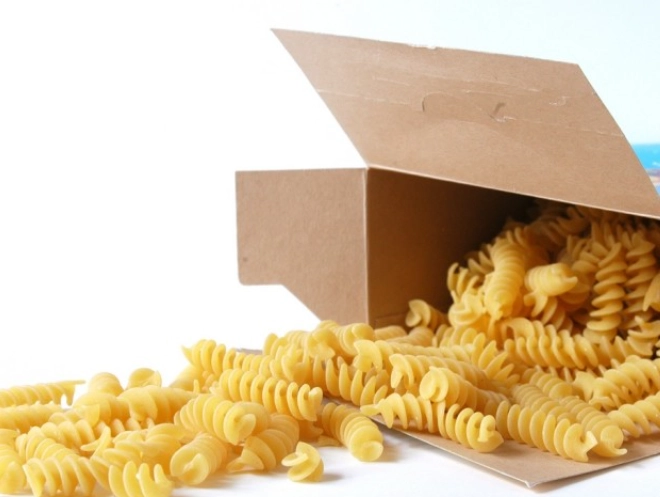
FAQs: Your Slow Cooker Pasta Questions Answered
So, can you put dry pasta in a slow cooker? Absolutely. It's not a passive process, but a simple, active step that unlocks a world of deeply flavored, one-pot wonders. Ditch the mush. Embrace the technique. Your weeknight dinners just got a lot more interesting.
Reader Comments