Your Cubed Steak Roadmap
- What Is Cubed Steak, Anyway? (And Why It's a Weeknight Secret Weapon)
- Step 1: Picking Your Steak and Prepping It Right
- Step 2: To Dredge or Not to Dredge? (The Flour Question)
- The Three Main Paths to Tender Cubed Steak (Choose Your Adventure)
- Three Can't-Miss Easy Cubed Steak Recipes to Try First
- Flavor Boosters: Simple Marinades & Rubs
- What to Serve With Your Easy Cubed Steak Recipes
- Common Questions & Troubleshooting (Stuff I Had to Figure Out)
- Wrapping It Up: Your New Go-To Budget Meal
Let's be honest. The first time I bought cubed steak, I had no idea what I was doing. The package looked affordable, the pieces were thin and seemed like they'd cook fast – perfect for a weeknight, right? Wrong. I threw them in a hot pan with just salt and pepper, and five minutes later I was chewing on something that reminded me more of shoe leather than dinner. It was tough, kind of bland, and a total letdown. I almost swore off it for good.
But here's the thing. I was missing the point of cubed steak entirely. It's not a steak you treat like a ribeye. It's a project cut, a blank canvas that needs a little know-how to transform. Once I figured out the simple secrets – and I mean truly simple, no chef skills required – it became one of my go-to budget-friendly heroes. The kind of meal you can get on the table without stress, that feels hearty and satisfying, and that the whole family will actually eat without complaint.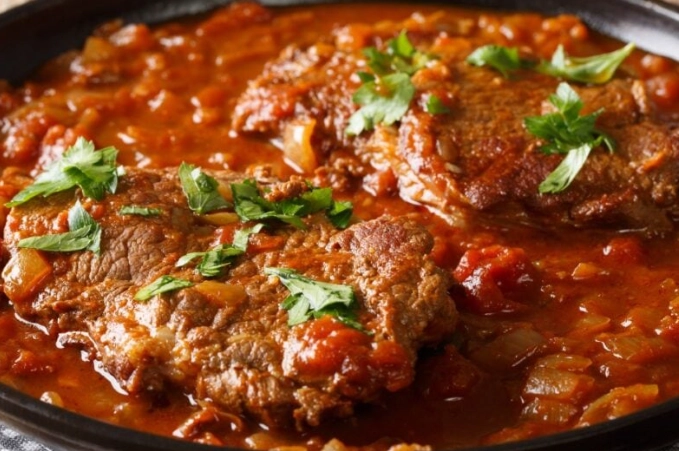
That's what this is all about. I'm not here to give you fussy, restaurant-style plates. I want to give you the real-deal, kitchen-tested easy cubed steak recipes and methods that work. The ones that solve the "what's for dinner" panic on a Tuesday. Whether you want to pan-fry it with gravy, throw it in the slow cooker, or bake it with simple flavors, I've got you covered. Let's turn that tough cut into something tender and delicious.
What Is Cubed Steak, Anyway? (And Why It's a Weeknight Secret Weapon)
Before we jump into the recipes, let's clear up what we're working with. Cubed steak isn't a specific cut like sirloin or chuck. It's usually made from tougher, less expensive cuts like top round or shoulder. The magic happens when it's run through a mechanical tenderizer – a machine with tiny blades or needles that pierce the meat, breaking down those tough muscle fibers. That's where the characteristic indentations or "cube" marks come from.
This pre-tenderizing is your best friend. It means the hard work of breaking down the connective tissue is already started for you. According to information from the Beef. It's What's For Dinner website, maintained by the Beef Checkoff, cube steak is prized for its value and versatility, perfect for braising or pan-frying. The goal of any easy cubed steak recipe is to finish that tenderizing process with moisture and gentle heat, or to protect it during high-heat cooking.
Think of it as the construction paper of the beef world. It's not fancy on its own, but with the right approach, you can create something really great without spending a lot.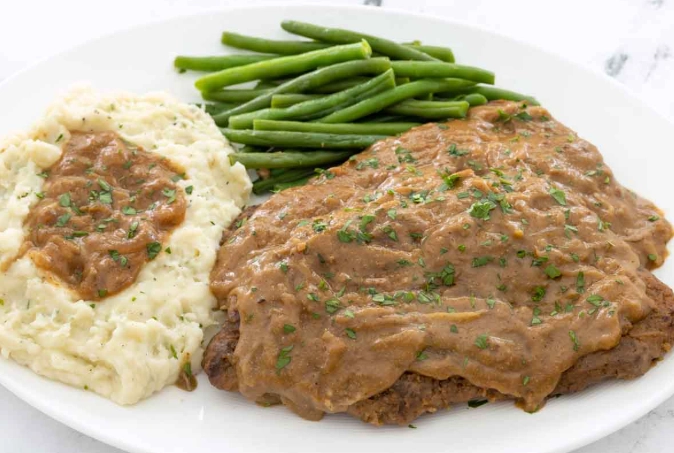
The Golden Rule: Don't Overcook It
This is the biggest mistake, and I made it myself. Because the pieces are thin, it's incredibly easy to go from just-right to overdone and tough in a matter of minutes. We're not cooking a thick steak to a specific internal temp here. With most methods, you're looking for the meat to just lose its pink color and be heated through. If you cook it until it's gray all the way through, you've probably gone too far.
Step 1: Picking Your Steak and Prepping It Right
Not all packages of cubed steak are created equal. Here’s what to look for:
- Color: It should be a bright, cherry red. Avoid any that look brown or grayish.
- Marbling: A little bit of white fat flecks throughout is a good thing. It means more flavor and a bit more insurance against drying out.
- Thickness: Try to find pieces that are somewhat even in thickness. It makes cooking them evenly much simpler.
Once you get it home, pat it dry with paper towels. This is a non-negotiable step for good browning. Wet meat steams instead of sears. If you have time, let it sit on the counter for 15-20 minutes to take the chill off. Cooking it ice-cold straight from the fridge can lead to uneven cooking.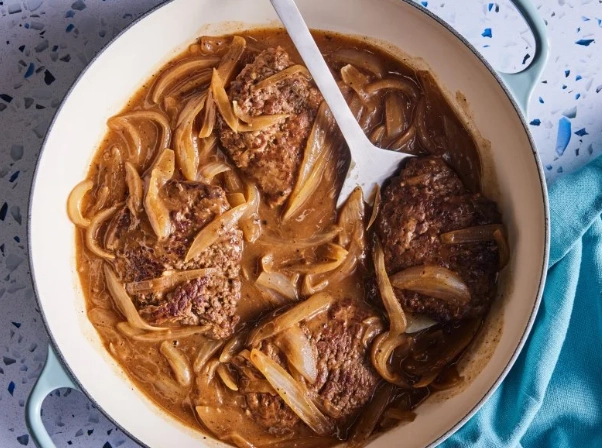
Step 2: To Dredge or Not to Dredge? (The Flour Question)
This is a classic move for a reason. Lightly coating the steak in seasoned flour before cooking does a few brilliant things:
- It creates a delicious, crispy crust when pan-fried.
- The flour helps thicken the pan juices into an instant gravy.
- It forms a protective layer that can help keep the meat juicier.
My basic dredge is just 1/2 cup all-purpose flour, 1 teaspoon salt, 1/2 teaspoon black pepper, and maybe a 1/2 teaspoon of garlic powder or paprika if I'm feeling fancy. Put it in a shallow dish, press each piece of steak in on both sides, and shake off the excess.
But you don't have to dredge. If you're going for a more "grilled" style or prepping for a slow cooker, you might just season it liberally. For most easy cubed steak recipes that involve a pan or a gravy, though, the dredge is your friend.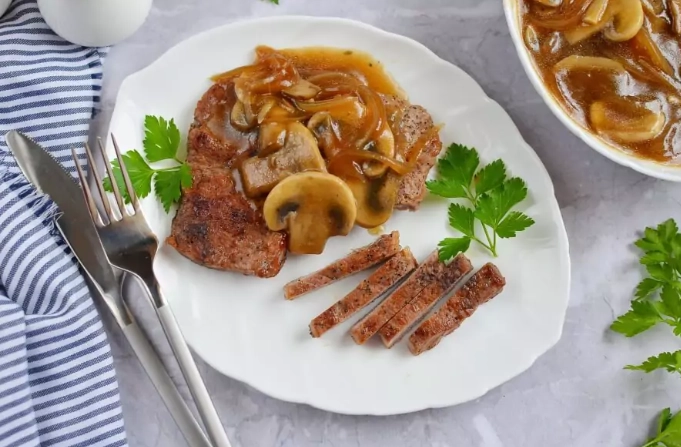
The Three Main Paths to Tender Cubed Steak (Choose Your Adventure)
Here’s where we get into the methods. I've broken it down into the three most reliable families of recipes. Your choice depends on your time, tools, and what you're craving.
| Method | Best For | Key to Success | Time Commitment |
|---|---|---|---|
| Pan-Frying & Saucing | Classic comfort food, quick gravy, crispy texture. | Hot pan, don't crowd it, deglize for gravy. | 20-30 mins |
| Braising & Slow Cooking | Hands-off cooking, fall-apart tenderness, deep flavor. | Enough liquid, low & slow heat. | 2-8 hours (mostly hands-off) |
| Baking | Easy clean-up, cooking larger batches, casseroles. | Covered dish with moisture (soup, sauce, veggies). | 45-60 mins |
Path 1: The Quick Pan-Fry (My Weeknight Savior)
This is the fastest route to dinner. Heat a couple tablespoons of oil (canola, vegetable, or olive oil) in a large skillet over medium-high heat. You want it nice and hot so the steak sizzles when it hits the pan.
Add your dredged steaks in a single layer. Don't overcrowd – cook in batches if you have to. Overcrowding drops the pan temp and makes everything steam. Cook for about 3-4 minutes per side. You're looking for a deep golden brown crust. Don't move them around constantly; let them sear.
Remove the steaks to a plate. Now, here's where the magic happens for an easy cubed steak recipe with gravy. In the same pan, with all those delicious brown bits (the "fond"), you might add a little more butter, some sliced onions or mushrooms, and cook them until soft. Sprinkle in a tablespoon of the leftover dredging flour, cook for a minute to get rid of the raw flour taste, then slowly whisk in about 1 to 1.5 cups of beef broth. Let it simmer and thicken into a gorgeous gravy. Slide the steaks back in to warm through. Done.
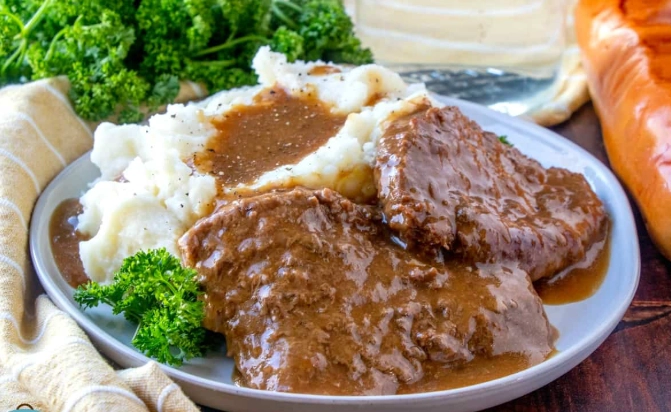
Path 2: The Set-It-and-Forget-It Braise (Slow Cooker or Dutch Oven)
This method is foolproof. The long, moist cooking environment breaks down every last bit of toughness, resulting in meat that you can cut with a fork. It's perfect for a weekend or a day you're working from home.
You can sear the steaks first in a skillet for extra flavor (recommended), or just place them in the slow cooker. Add your flavor agents: a packet of onion soup mix and a can of cream of mushroom soup is the classic "busy day" version. Or go for sliced onions, garlic, a cup of beef broth, and a splash of Worcestershire sauce. The USDA advises to always start with fresh or thawed meat in a slow cooker, and to ensure it reaches a safe temperature, which this method easily achieves.
Cook on LOW for 6-8 hours or on HIGH for 3-4 hours. That's it. The meat will be incredibly tender and swimming in a rich sauce perfect over mashed potatoes or egg noodles.
Path 3: The Simple Bake (For Easy Clean-Up)
Preheat your oven to 350°F (175°C). In a baking dish, layer sliced onions, then your seasoned (and optionally dredged) cubed steaks. You can top each steak with a slice of tomato or a spoonful of cream soup. Pour in about 1/2 to 3/4 cup of liquid—broth, water, even tomato juice—around the sides. Cover the dish tightly with foil.
Bake for about 45 minutes to an hour. The steam created inside the covered dish braises the meat gently. It's not as intensely flavored as a slow cooker braise, but it's wonderfully simple and the clean-up is a breeze.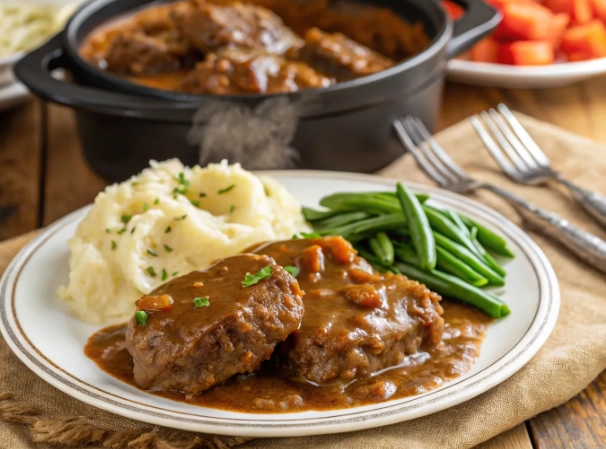
Three Can't-Miss Easy Cubed Steak Recipes to Try First
Let's get specific. Here are three foundational recipes that cover the spectrum. I've made each one dozens of times.
1. The Classic Smothered Cubed Steak with Onion Gravy
This is the quintessential easy cubed steak recipe. Dredge 4 pieces of steak in seasoned flour. Brown them well in a skillet with 2 tbsp oil, then remove. Add 1 large sliced onion to the pan and cook until soft and golden, about 10 minutes. Sprinkle 2 tbsp of the leftover flour over the onions, cook 1 minute. Gradually whisk in 2 cups of beef broth and 1 tsp of Worcestershire sauce. Bring to a simmer, let thicken. Return steaks to pan, spoon sauce over, cover, and simmer on low for 15-20 minutes. The gravy is everything.
2. The "Lazy Day" Slow Cooker Cubed Steak
No searing required for this ultra-easy version. Place 4 pieces of cubed steak in the bottom of your slow cooker. In a bowl, mix one 10.5oz can of condensed cream of mushroom soup, one 10.5oz can of condensed French onion soup (or a dry onion soup mix packet + 1 cup water), and 1/2 cup of milk or water. Pour over the steak. Cook on LOW for 7-8 hours. The meat will be fall-apart tender and the sauce is rich and perfect over rice. Some people swear by this, though I find it a bit salty—using a low-sodium soup helps.
3. The "Country Fried" Style Steak
A close cousin to chicken fried steak. Dredge steaks in flour, then dip in beaten egg, then back in the flour. Pan-fry in 1/4 inch of oil (about 350°F) for 3-4 minutes per side until deep golden and crispy. Drain on paper towels. Make a simple cream gravy by making a roux with 2 tbsp of the pan drippings and 2 tbsp flour, then whisking in 2 cups of milk. Season with salt and plenty of black pepper. Serve the steak smothered in the pepper gravy. It's decadent and so satisfying.
Flavor Boosters: Simple Marinades & Rubs
If you have an extra 30 minutes or even overnight, a marinade can work wonders. Since the meat is pierced, it soaks up flavor beautifully.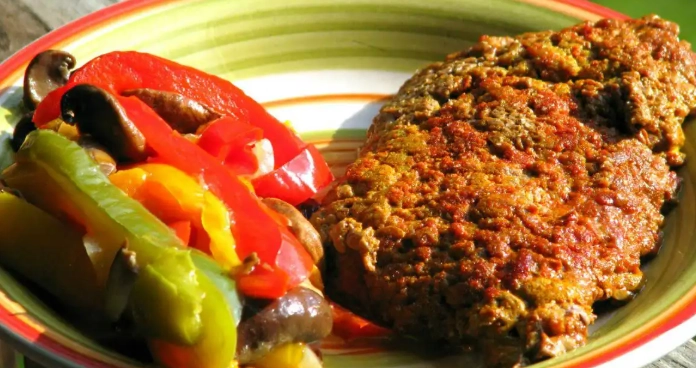
- Basic Beef Boost: 1/4 cup soy sauce, 2 tbsp olive oil, 1 tbsp Worcestershire, 2 minced garlic cloves, 1 tsp black pepper.
- Italian Herb: 1/4 cup red wine vinegar, 1/4 cup olive oil, 1 tsp each dried oregano, basil, and garlic powder.
- Simple Steakhouse: 2 tbsp balsamic vinegar, 2 tbsp olive oil, 1 tbsp Dijon mustard, 1 tsp smoked paprika.
Just mix, pour over the steaks in a zip-top bag, and let it sit in the fridge. Even 30 minutes helps. Pat dry before cooking.
What to Serve With Your Easy Cubed Steak Recipes
The side dish can make or break the meal. Here’s what works:
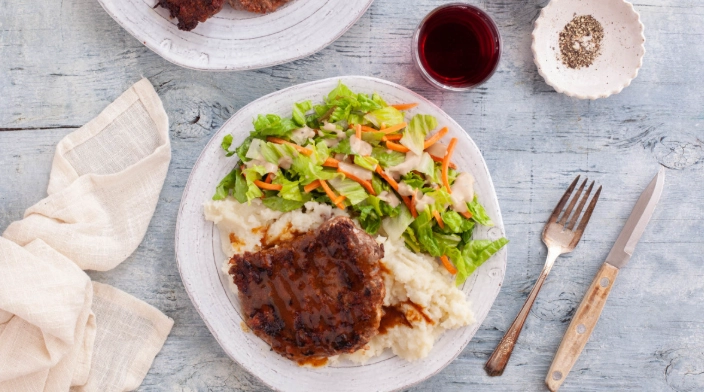
The Ultimate Pairing: Mashed potatoes. They are non-negotiable for soaking up gravy. Instant mashed potatoes are a totally acceptable cheat here.
Other Great Options: Buttered egg noodles, white rice, creamy polenta, or even a thick slice of crusty bread. For veggies, go for something simple that won't compete: green beans (canned French-cut are classic), steamed broccoli, a simple garden salad, or roasted carrots.
Common Questions & Troubleshooting (Stuff I Had to Figure Out)
Wrapping It Up: Your New Go-To Budget Meal
So, there you have it. Cubed steak isn't a mystery or a punishment. It's an opportunity. An opportunity to make a hearty, comforting meal without blowing your grocery budget. The key is respecting what it is—a tough cut that's been given a head start—and finishing the job with moisture, gentle heat, or a protective crust.
Start with the classic smothered version. Get comfortable with it. Then maybe try the slow cooker on a busy day. I promise, once you get the hang of it, you'll see that package in the meat case and smile, knowing you've got a delicious, no-stress dinner in the bag.
Don't be afraid to experiment with your own flavors once you master the basic methods. That's where the real fun begins. Now go grab a package and get cooking.
Reader Comments