Quick Navigation
Let's be honest. We've all been there. You follow a recipe to the letter, pop everything into your trusty slow cooker, let it work its magic for eight hours, and then... disappointment. The chicken is dry. The stew is watery. The flavors are just... flat. It's enough to make you want to shove the thing to the back of the cupboard and order takeout.
I did that for years. I blamed the appliance. "This crockpot just doesn't work right," I'd grumble. Turns out, I was the problem. Through a lot of trial and error (and some truly mediocre dinners), I figured out the common pitfalls. The good news? Once you know the top mistakes to avoid with your slow cooker, it transforms from a finicky gadget into the most reliable kitchen helper you own.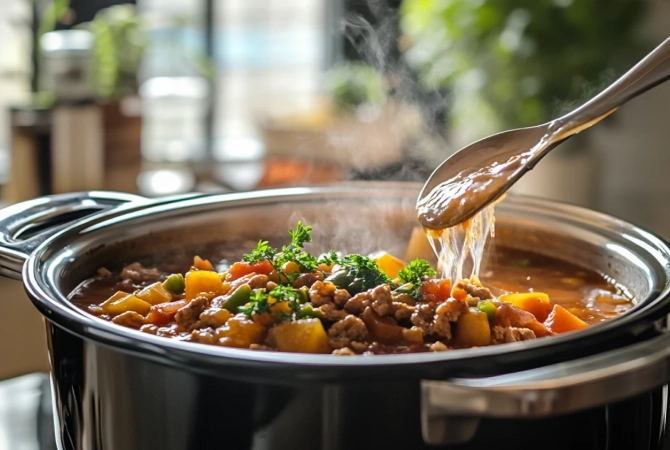
This isn't about complicated cooking science. It's about simple adjustments that make a world of difference. Ready to stop wasting ingredients and start making food you're actually excited to eat?
The Foundation: Getting Your Ingredients Wrong
This is where most people trip up right from the start. A slow cooker isn't a trash can for old veggies and freezer-burned meat. What you put in matters, and how you prepare it matters even more.
The Big One: Not Browning Your Meat
I know, I know. The whole appeal of the slow cooker is "dump and go." Skipping the sear feels like saving time. But trust me, it's a trap. That extra ten minutes at the stove is non-negotiable. When you brown meat—beef roast, pork shoulder, chicken thighs—you create the Maillard reaction. That's just a fancy term for the delicious, complex, savory flavors and rich color that comes from caramelization. Without it, your meat will taste boiled and look pale and unappetizing. The texture suffers too. A quick sear in a hot pan locks in juices better than you'd think. Don't just take my word for it; the flavor difference is so stark it's the number one tip from professional chefs for home slow cooking.
And while we're on meat, using the wrong cut is another classic error. Slow cookers are designed for tough, inexpensive, collagen-rich cuts. Think chuck roast, pork shoulder, lamb shanks. These have connective tissue that breaks down over long, slow cooking, becoming meltingly tender. If you use a lean cut like chicken breast or sirloin tip, it will just dry out and become stringy over hours of cooking. Save those for quick-cooking methods.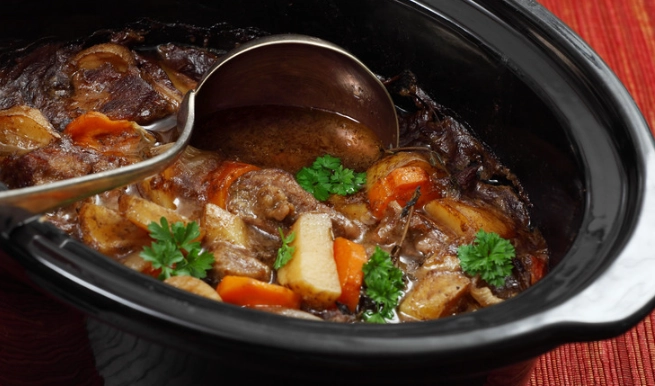
Produce Problems
Vegetables need thought, too. Root vegetables like potatoes, carrots, and parsnips are dense and take longer to cook than most meats. If you throw everything in together, you'll have mushy meat and crunchy carrots. The fix? Cut them small (about 1-inch chunks) and place them at the bottom of the pot, where it's hottest. Or, give them a 20-minute head start before adding the meat. Delicate veggies like zucchini, peas, or spinach should only go in for the last 30-60 minutes of cooking, or they'll dissolve into nothing.
Herbs are another victim. Dried herbs hold up well to long cooking. But if you add fresh, delicate herbs like basil, cilantro, or parsley at the beginning, their vibrant flavor will be completely cooked out. Stir them in right before serving. It makes all the difference.
The Liquid Dilemma: Too Much, Too Little, Too Soon
Liquid management might be the trickiest part of slow cooker mastery. The sealed lid means very little evaporation occurs. This is great for moisture, but terrible if you treat it like a regular pot.
What liquid you use matters too. Water is the enemy of flavor. Instead of water, use broth, stock, wine, beer, or even tomato juice. These add depth and complexity that builds over the cooking time. And for heaven's sake, season your liquid! A slow cooker can mute flavors, so be generous with salt, pepper, and aromatics at the beginning. You can always adjust at the end, but you can't fix a bland base.
Which brings us to dairy. Cream, milk, sour cream, and cheese will almost always curdle or separate if cooked for hours on end. It creates a grainy, unpleasant texture. Add these during the last 30 minutes of cooking, or better yet, stir them in after you've turned the cooker off and let the residual heat do the work.
Operational Errors: The How and When
You've got the right ingredients, prepared correctly, with the perfect amount of flavorful liquid. Now you can just set it and forget it, right? Well, mostly. But a few handling mistakes can still derail your meal.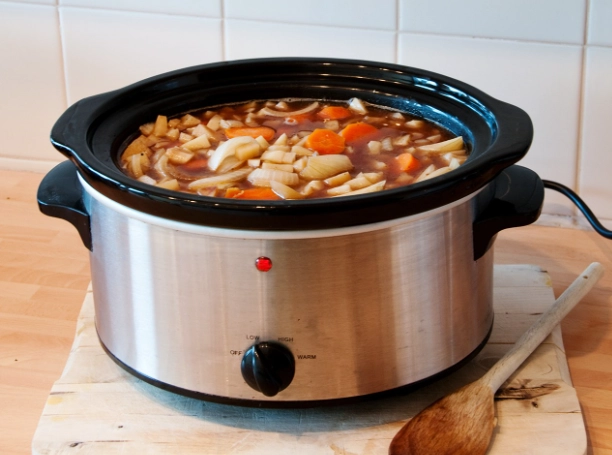
Peeking is Killing Your Dinner
Every time you lift that lid, you let out a massive amount of heat and steam. It can take the cooker 20-30 minutes to recover that lost temperature. If you're peeking every hour, you're effectively adding hours to your cooking time and risking food safety by keeping the food in the "danger zone" (between 40°F and 140°F) for too long. I get the curiosity, I really do. But resist! Trust the timer. If you must check, do it quickly towards the end of the estimated cook time, and only once.
Wrong Setting, Wrong Time
Most recipes give a range, like "6-8 hours on low." How do you know where in that range to land? It depends on your specific model (they all run a bit different), how full it is, and the size of your ingredients. A good digital meat thermometer is your best friend here. For pulled pork, you're aiming for an internal temperature of around 200-205°F for shreddable tenderness. For a beef roast you want to slice, aim for 145°F (medium-rare) to 160°F (medium). Don't guess.
And about those settings: Low isn't just a slower version of High. It's a different, gentler heat. High typically reaches about 300°F, while Low is around 200°F. You can't always just halve the time on High to match a Low recipe. The texture won't be the same. Tough cuts truly need the long, slow, low heat to break down properly. If you're short on time, it's often better to use a pressure cooker than to crank the slow cooker to High.
To Layer or Not to Layer?
Order matters. As mentioned, dense veggies go on the bottom, near the heat source. Meat usually goes on top of them. Pour your liquid down the side, not directly over the meat if you've taken the time to brown it, to preserve that crispy crust. Delicate ingredients go on top for the final stretch. Following this simple layering logic is one of the easiest slow cooker mistakes to avoid for better texture.
Safety and Maintenance Blunders
This is the less fun but critically important stuff. Getting it wrong here isn't just about taste—it's about health.
Let's talk preheating. Some newer models have a "sear" function or recommend preheating. Many older ones don't. Why does it matter? If you put cold, dense food (like a large frozen roast or even a refrigerated one) into a cold cooker, it can spend too long in the temperature danger zone where bacteria multiply rapidly. The USDA recommends thawing meat completely in the refrigerator before slow cooking for safety. If your model doesn't preheat, you can add a bit of hot liquid to the base to give it a head start, but fully thawed is always safest.
Overfilling is a dual problem. First, it can lead to uneven cooking as the heat can't circulate properly. Second, and more dangerously, if it's too full, the food near the top may not reach a safe temperature quickly enough. Stick to the manufacturer's fill line, usually 1-2 inches from the rim.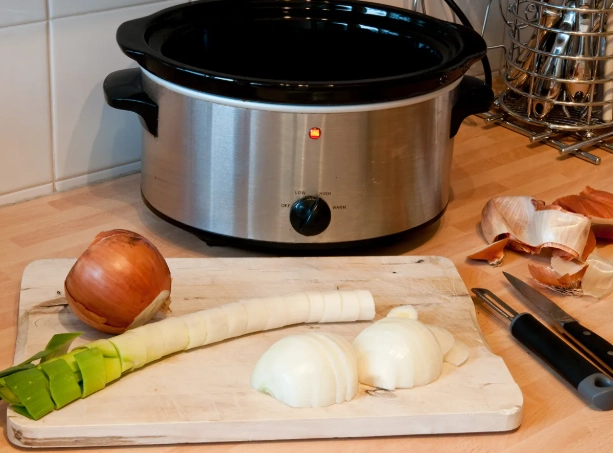
Here’s a quick reference table for some critical food safety temps in the slow cooker:
| Food Type | Target Safe Internal Temperature | Why It Matters |
|---|---|---|
| Poultry (Chicken, Turkey) | 165°F (74°C) | Eliminates Salmonella and Campylobacter. |
| Ground Meats (Beef, Pork, Lamb) | 160°F (71°C) | Destroys E. coli and other bacteria distributed throughout. |
| Fresh Beef, Pork, Lamb, Veal (for slicing) | 145°F (63°C) with a 3-min rest | Safe while still allowing for medium doneness. |
| "Pullable" Tough Cuts (Pork Shoulder, Chuck Roast) | 200-205°F (93-96°C) | Not for safety, but for texture. Collagen fully breaks down here. |
Cleaning is the final, often overlooked, mistake. That lovely, moist, warm environment is a breeding ground for bacteria if you don't clean it thoroughly. The stoneware insert and lid should go in the dishwasher or be washed with hot, soapy water after every use. Don't forget to wipe down the base unit's heating element (when unplugged and cool) to prevent grease and food splatter from building up and creating a fire hazard or funky smells. And that rubber gasket around the lid? It needs a good scrub too. A smelly slow cooker often just means a dirty one.
Beyond the Basics: Advanced Pitfalls
So you've mastered the fundamentals. Here are some finer points that separate a good slow cooker meal from a great one.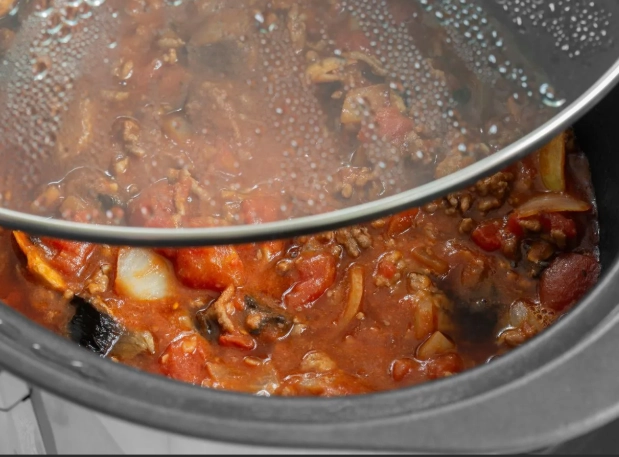
Thickening agents. A common complaint is "my stew is too thin." Adding flour or cornstarch at the beginning can sometimes give an odd texture or taste. The best method is to make a slurry at the end: mix equal parts cornstarch and cold water (maybe a tablespoon of each), stir it into the hot liquid in the cooker, set it to High, and let it cook uncovered for 15-20 minutes until thickened. For a richer thickener, mash some of the cooked beans or potatoes from the dish and stir them back in.
Cooking with dried beans. This is a controversial one. Many authorities, including the USDA Food Safety and Inspection Service, advise against cooking raw kidney beans in a slow cooker. They contain a toxin called phytohaemagglutinin that can cause severe food poisoning. The toxin is destroyed by boiling, but a slow cooker may not reach a high enough temperature to break it down, especially if other ingredients are added. Safer to use canned beans (rinsed) or boil the dried beans for at least 10 minutes before adding them to the slow cooker.
Using it as a food warmer. It's tempting to leave the cooker on "Warm" for a party. But the "Warm" setting is designed to hold already fully cooked food at a safe temperature (above 140°F) for a few hours. It is not meant for continuous cooking or holding food all day. Food quality deteriorates, and safety can become an issue after 2-4 hours on Warm.
Your Questions, Answered
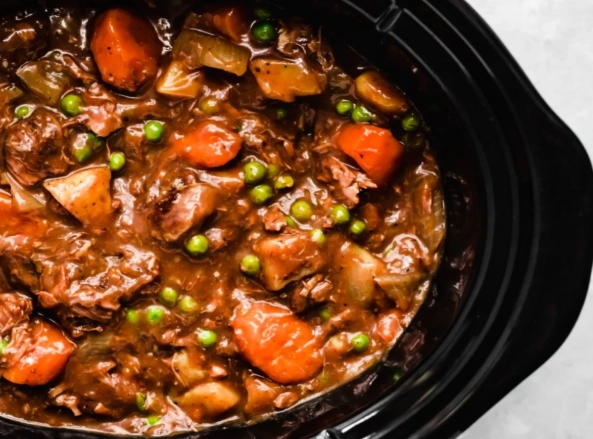
Look, the goal isn't to make slow cooking seem complicated. It's the opposite. Once you internalize these few key principles—brown your meat, manage your liquid, respect the lid, and think about texture and timing—the whole process becomes effortless. You'll stop fighting your appliance and start loving the incredible, hands-off meals it can produce. Avoiding these common mistakes with your slow cooker is the fastest way to get there.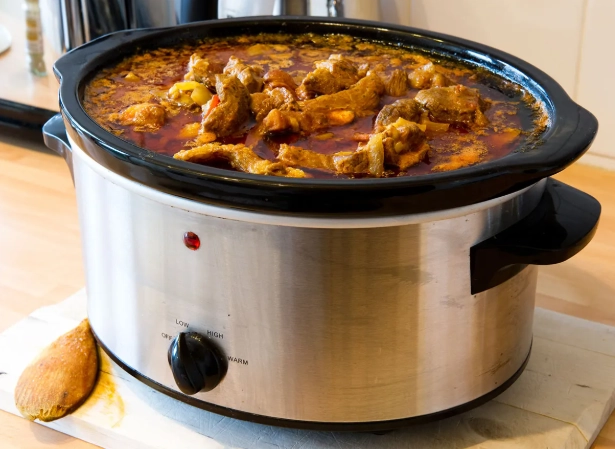
So go dig that crockpot out of the cabinet. Give it a good clean. Pick a forgiving recipe like a pork shoulder or a beef chili. Apply what you've learned here. I promise, your next meal will be a revelation.
Reader Comments