Your Reading Roadmap
Let's cut right to the chase, because I know that's why you're here. You've got a pack of beef tips sitting in your fridge, your crock pot is clean and ready on the counter, and a nagging question is holding you back: can you overcook beef tips in a crock pot? Maybe you had a bad experience before—tough, dry, stringy meat that made you wonder why you bothered. Or perhaps you're just nervous, having heard that slow cookers are forgiving, but also warnings about turning food to mush.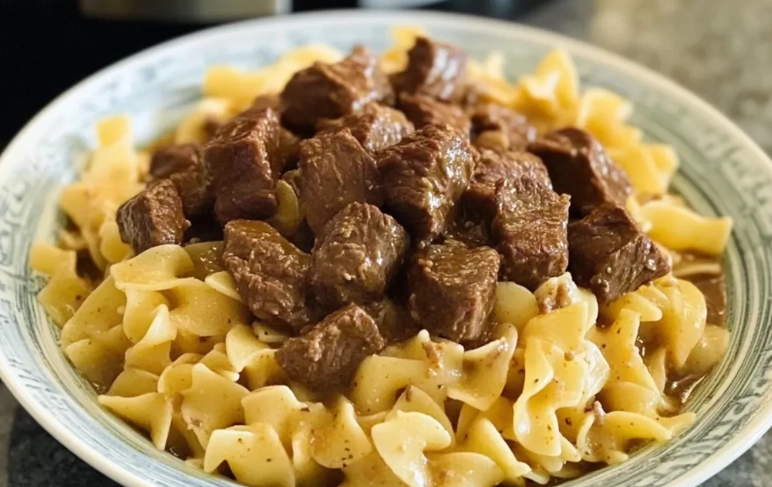
I've been there. I remember the first time I tried making beef tips in my slow cooker. I followed some generic "cook on low for 8 hours" advice from a old, stained recipe card. The result? Beef that practically dissolved into the gravy, with no texture left at all. It was edible, sure, but it wasn't good. It was... sad. That experience sent me down a rabbit hole of learning about meat science, collagen, and the real limits of our beloved slow cookers.
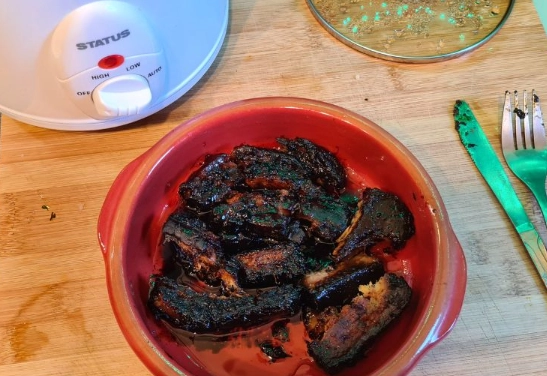
The short, direct answer is yes, you absolutely can overcook beef tips in a crock pot. It's not a myth. While slow cookers are designed to be gentle and forgiving, especially for tough, collagen-rich cuts, they operate on a principle of time and low heat. There's a sweet spot—a window of perfect tenderness—and if you blast right through it, you end up on the other side where the meat fibers, having finally broken down all that lovely connective tissue, then proceed to tighten, squeeze out moisture, and become dry and crumbly.
Why You Can Overcook Beef Tips: The Science of "Too Much"
Think of a beef tip (often cut from sirloin or round) like a bundle of ropes. The ropes are the muscle fibers. Holding those ropes together is a network of tough, gristly stuff—collagen and connective tissue. The magic of slow cooking is that low, moist heat, over a long period, melts that collagen into gelatin. This is what gives you that fall-apart tenderness. It's a transformative process.
But here's the catch nobody talks about enough. Once that collagen is fully converted, the process doesn't just stop. The heat keeps working on the muscle fibers themselves. They continue to contract, squeezing out the juices they once held. The gelatin you worked so hard to create can start to thin out if there's too much liquid movement. What you're left with is meat that has passed "tender" and arrived at "mealy," "dry," or "stringy."
I find a lot of recipes online are terrified of giving specific times, which is understandable because every cut and slow cooker is different. But that vagueness is what leads to overcooking. Saying "cook on low for 6-10 hours" is a huge range! The difference between a perfect pot and an overcooked one could be hiding in those four hours.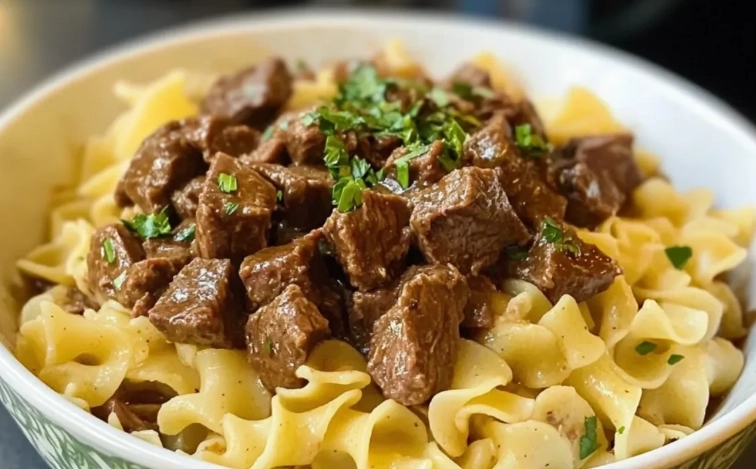
The Signs Your Beef Tips Are Overcooked
How do you know you've crossed the line? It's not always obvious until you take a bite, but there are visual and textural clues.
- Texture is King (or Tyrant): Perfect slow-cooked beef should be tender enough to cut with a fork but still offer a slight, pleasant resistance—a clean pull-apart. Overcooked beef tips will shred at the slightest touch, almost disintegrating into the sauce. It feels mushy, not tender.
- The Stringy Feeling: Instead of neat chunks, the meat separates into long, dry, thread-like fibers. It's chewy in a bad way, requiring a lot of work to break down in your mouth.
- Dryness, Even in Sauce: This is the real kicker. The meat can be sitting in a pool of liquid and still taste dry. That's because the moisture has been forced out of the meat cells and into the surrounding broth. The meat itself becomes a sponge that's lost its own juice.
- Loss of Flavor: A lot of the beefy flavor can leach out into the cooking liquid when overcooked. The meat itself can taste bland and washed-out, relying entirely on the sauce for any taste.
I made a note in my cooking journal once: "Beef tips today—tasted like gravy delivery devices, not beef." That was an overcook day.
The Golden Rules to Avoid Overcooking Beef Tips
Okay, enough of the doom and gloom. Let's talk about how to make sure you never have to ask "can you overcook beef tips in a crock pot?" with a sigh of disappointment again. This is where we get practical.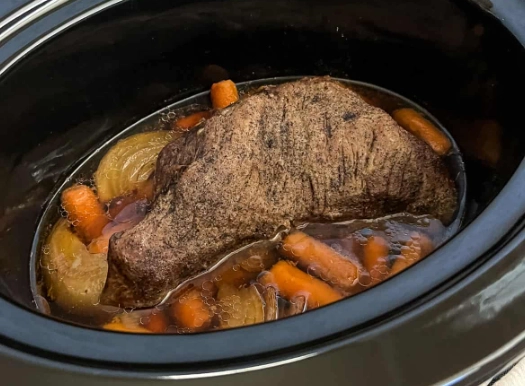
1. Choose the Right Cut (This is 50% of the Battle)
Not all beef is created equal for the crock pot. Beef "tips" can be vague. Ideally, you want cuts with lots of marbling and connective tissue. These are the cuts that benefit from and can withstand long cooking.
2. Master the Time and Temperature Matrix
This is the heart of it. Forget the "set it and forget it for 10 hours" mentality. Active, mindful timing is your best friend. Here’s a breakdown that has never failed me, based on using standard 2-inch chunks of a well-marbled chuck roast.
| Cut of Beef (for tips) | Slow Cooker Setting | Optimal Time Range | Texture Goal | Risk Zone (Overcook) |
|---|---|---|---|---|
| Chuck Roast / Brisket (High Collagen) | LOW | 7 - 8 hours | Pull-apart tender, moist | Beyond 9 hours |
| Chuck Roast / Brisket | HIGH | 4 - 5 hours | Firm-tender, holds shape | Beyond 6 hours |
| Bottom Round / Sirloin (Medium Collagen) | LOW | 6 - 7 hours | Tender, sliceable | Beyond 8 hours |
| Bottom Round / Sirloin | HIGH | 3.5 - 4.5 hours | Just tender, juicy | Beyond 5.5 hours |
| Very Lean Cuts (e.g., Sirloin Tips) | LOW | 3 - 4 hours MAX | Cooked through, slightly pink | Beyond 4.5 hours |
See that? A hard stop. That's your guardrail.
The most important tool in your kitchen for this? A simple instant-read thermometer. The USDA recommends a safe minimum internal temperature of 145°F (63°C) for beef, but for slow-cooked, tough cuts, you need to go much higher to break down collagen—usually between 190°F and 205°F (88°C-96°C). Start checking at the lower end of the time range. If it hits 190°F and is still tough, give it another 30 minutes. But once it's probe-tender (the thermometer slides in with almost no resistance), it's done. Stop the cooking. Seriously, just stop.
3. The Liquid Level Matters More Than You Think
You don't need to submerge the meat. In fact, too much liquid can be a problem. It creates a more aggressive cooking environment and can lead to boiled, rather than braised, meat. The meat will release its own juices. Just add enough liquid to come about one-third to halfway up the sides of the beef chunks. This concentrates the flavor and gives better control.
4. Size and Sear Consistency
Cut your beef tips uniformly. If you have big chunks and little chunks, the little ones will be overcooked and dry long before the big ones are tender. A quick sear in a hot pan before they go in the pot isn't just for flavor (though it adds a ton). It creates a crust that can help the meat retain some of its internal moisture during the long cook.
What If It's Already Overcooked? Damage Control.
So you come home, lift the lid, and your heart sinks. The beef looks... wrong. It's shredding just from the steam. Don't dump it. All is not lost.
- Embrace the Shred: If it's falling apart, lean into it. Remove the beef, shred it completely with two forks, and mix it back into the sauce. You've now made a fantastic, thick beef ragù or filling for sandwiches, tacos, or shepherd's pie. The extra surface area coated in sauce will help mask the dryness.
- The Gravy Save: Chop the overcooked beef very finely or pulse it a few times in a food processor. Stir it into a thick gravy or bean chili. It will add beef flavor and texture without being the main event.
- Moisture Injection (Last Resort): For a stew, you can try stirring in a tablespoon or two of cold butter or a splash of heavy cream at the very end. The fat can coat the meat fibers and create a richer, smoother mouthfeel that compensates slightly.
It's a salvage job, not a restoration. But it beats wasting food.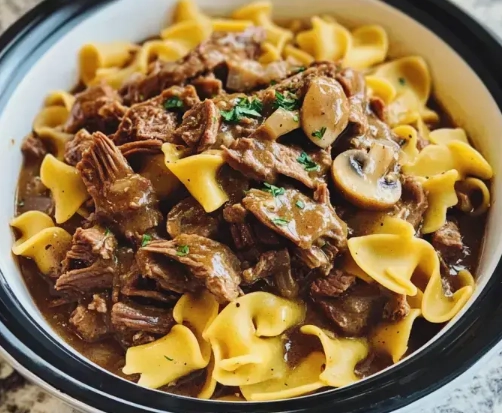
Your Crock Pot Beef Tips Questions, Answered
"The biggest mistake home cooks make with slow cookers is treating them like a black box where time doesn't matter. It matters profoundly. It's the difference between alchemy and ashes." – This is a sentiment echoed by many cooking scientists, like those at Serious Eats, who rigorously test these principles.
My Go-To "No-Fail" Beef Tips Method
After years of testing, this is my baseline method. It accounts for the variables and keeps the beef in its happy place.
- Prep: Pat 2 lbs of chuck roast (cut into 2-inch cubes) dry. Season aggressively with salt and pepper.
- Sear (Optional but Recommended): Heat a skillet with a bit of oil over high heat. Sear the beef in batches until browned on at least two sides. This takes 2-3 minutes per side. Don't crowd the pan. This step builds flavor through the Maillard reaction.
- Layer: Place a chopped onion and a few minced garlic cloves in the bottom of the crock. Add the seared (or raw) beef tips on top. Add your liquids (e.g., 1 cup beef broth, 2 tbsp soy sauce, 1 tbsp Worcestershire)—it should come about halfway up the beef. Add herbs (thyme, a bay leaf).
- Cook with Intent: Set to LOW. Set a timer for 7 hours. Not 8, not "all day." 7.
- The Check: At 7 hours, carefully open the lid (try not to do this before, as it releases heat). Pierce a beef tip with a fork or thermometer. It should slide in with slight resistance. If it's still tough, give it 30 more minutes and check again. If tender, proceed immediately to step 6.
- Finish: Remove the beef tips to a bowl. If you want a thicker gravy, make a slurry with 2 tbsp cornstarch and 3 tbsp cold water. Whisk it into the hot liquid in the crock, set to HIGH, and let it thicken for 15-20 minutes. Then return the beef to the gravy just to warm through. This prevents the beef from sitting in the thickening, boiling liquid and overcooking further.
That last step is a game-changer.
So, can you overcook beef tips in a crock pot? Unequivocally, yes. But understanding why it happens turns the slow cooker from a mysterious appliance into a precise tool. It's about respecting the biology of the meat—the collagen that needs time to relax, and the muscle fibers that will eventually clench up if given too much time. Don't be afraid of your crock pot. Just be smart about it. Start checking earlier than you think you should, use a thermometer, and remember that even on low, the clock is always ticking towards that point of no return. Now go forth and make the most tender, juicy beef tips of your life. You've got this.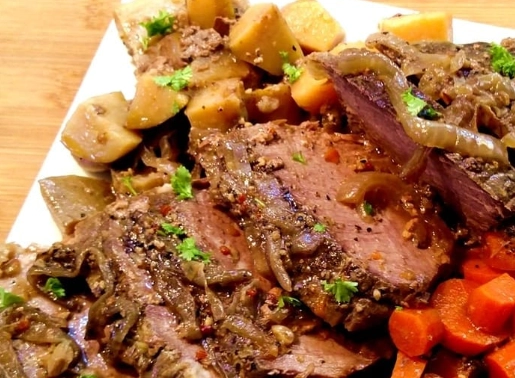
Reader Comments