I used to think making lasagna was a weekend project. Boiling noodles, wrestling with a messy baking dish, hovering over the oven. Then I tried making it in my slow cooker on a whim, and honestly, it changed my weeknight dinner game. This isn't just a "hack"—it's a legitimately better, easier way to get that cheesy, layered comfort food on the table without the traditional fuss. The slow cooker's gentle, moist heat cooks the noodles perfectly from dry, and you can literally walk away for hours. Let me walk you through exactly how to nail it, including the one mistake almost everyone makes with the noodles.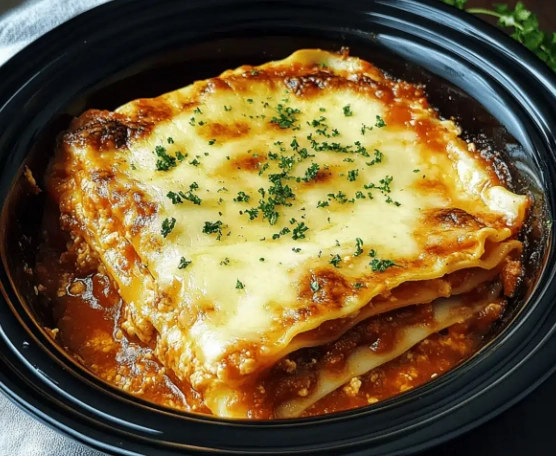
Your Quick Guide to This Recipe
What You'll Need (The No-Boil Secret)
The beauty here is the pantry-staple ingredient list. You don't need special "slow cooker" noodles—regular, dry, oven-ready lasagna noodles are the key. Do not use the fresh, refrigerated kind meant for boiling; they'll turn to mush. The dry ones absorb moisture from the sauce and cook through perfectly.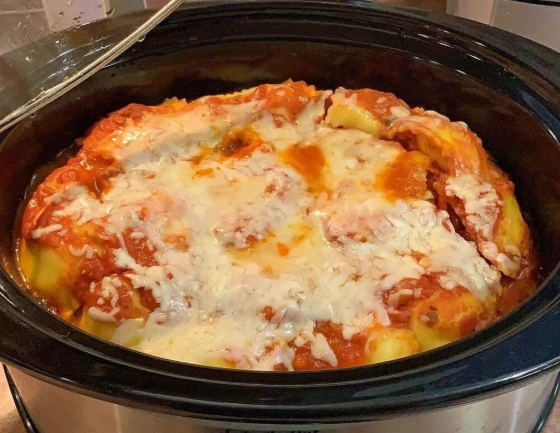
The Core Ingredients:
- Dry Lasagna Noodles: 1 box (about 12-15 sheets). Break them to fit your slow cooker shape.
- Marinara/Jarred Pasta Sauce: 1 (24-ounce) jar. Go for a robust flavor like Rao's Homemade or a simple tomato basil. You'll need about 3 cups total.
- Ricotta Cheese: 1 (15-ounce) container. Whole milk ricotta gives the creamiest result.
- Shredded Mozzarella: 3 cups. Pre-shredded is fine for convenience, but block-shredded melts smoother.
- Grated Parmesan: 1 cup.
- Egg: 1 large (to bind the ricotta layer).
- Seasonings: Salt, black pepper, dried oregano, and garlic powder.
That's genuinely it for the basic version. A 6-quart oval or round slow cooker is ideal. Spray the insert generously with cooking spray—this is non-negotiable for easy serving.
Step-by-Step: Building Your Slow Cooker Lasagna
Think of this as assembly, not cooking. It takes 15 minutes tops.
The Sauce Base
Start with about 3/4 cup of sauce in the bottom of the greased slow cooker. Just a thin layer. This prevents the first layer of noodles from sticking and gives them immediate moisture to start absorbing.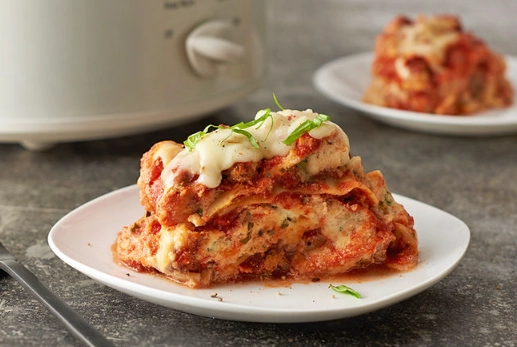
The Ricotta Layer (The Binder)
In a bowl, mix the entire container of ricotta, the egg, 1/2 cup of the Parmesan, a teaspoon of garlic powder, a half teaspoon of oregano, and a pinch of salt and pepper. This mixture shouldn't be runny; it should hold together. This is your glue between noodle layers.
Layering It All Up
Here's the sequence. Repeat it twice: 1. Layer of dry noodles (break them to cover the bottom without too much overlap).
2. Spread half the ricotta mixture over the noodles. A spoon or offset spatula works.
3. Sprinkle 1 cup of mozzarella over the ricotta.
4. Spoon about 3/4 cup of sauce over the cheese, spreading lightly.
Then, start again: noodles, the rest of the ricotta, another cup of mozzarella, more sauce. For the final top layer, add one last layer of noodles, cover them with the remaining sauce (make sure all noodle edges are covered to prevent drying out), and top with the last cup of mozzarella and the remaining 1/2 cup of Parmesan.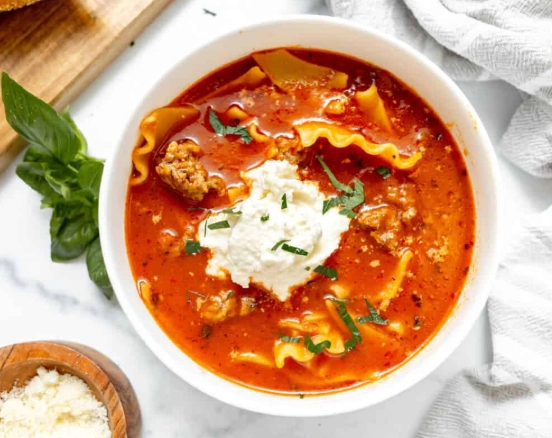
Cover. Cook on LOW for 4-5 hours. Do not cook on High—it will burn the edges and leave the center undercooked. The lasagna is done when the noodles are tender (a knife inserts easily) and the edges are bubbly. Let it sit with the lid off for 20-30 minutes before cutting. This settling time is crucial for clean slices.
Common Mistakes & How to Avoid Them
I've messed this up so you don't have to. The biggest pitfall isn't the ingredients; it's the technique.
Too Many Noodle Layers: Everyone wants to use the whole box. Resist. Three layers of noodles max in a standard slow cooker. More than that, and the heat can't penetrate the center, leaving you with crunchy middle noodles. It's better to have leftover dry noodles than an undercooked lasagna.
Insufficient Sauce Coverage: Every single bit of dry noodle must be touching sauce. Exposed edges become hard, chewy shards. After you add each layer of sauce, tilt the crock to help it seep down the sides.
Using a Thin, Watery Sauce: The sauce is the only liquid that cooks the noodles. A thin sauce from a budget brand can make the final dish soupy. Opt for a thicker, seasoned marinara. If your sauce seems thin, simmer it in a pan for 10 minutes to reduce it first.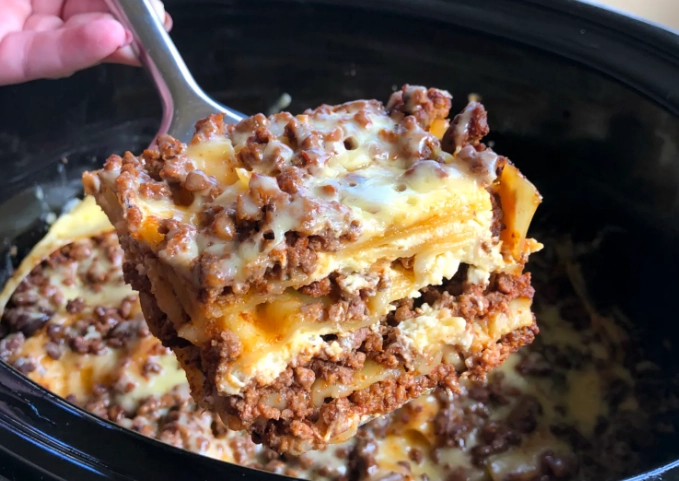
Peeking Too Often: Every time you lift the lid, you release heat and steam, adding 15-20 minutes to the cook time. Trust the process. Set a timer and leave it alone.
Adjustments for Meat Lovers, Veggies & Meal Prep
The basic recipe is a flawless vegetarian version. But here's how to customize.
For a Meat Sauce: Brown 1 pound of Italian sausage or ground beef (or a mix) in a skillet. Drain the fat thoroughly—excess grease will pool in the slow cooker. Mix the cooked meat into your jarred sauce before assembling. That's it.
Adding Vegetables: Spinach is a winner. Thaw a 10-ounce box of frozen chopped spinach, squeeze it completely dry (this is vital), and mix it into the ricotta layer. Sliced mushrooms or diced zucchini can be sautéed first to remove moisture, then layered with the sauce.
Meal Prep/Freezer Note: You can assemble the entire lasagna in the greased slow cooker insert, cover it tightly with plastic wrap and foil, and freeze it. Thaw in the fridge for 24 hours before cooking as directed. The noodles may soften a bit more from the thawing, but the result is still great.
Slow Cooker vs. Oven: The Real Breakdown
Is one method objectively better? It depends on your goal.
| Aspect | Slow Cooker Lasagna | Traditional Oven Lasagna |
|---|---|---|
| Effort & Hands-On Time | Minimal. 15-min assembly, walk away. No boiling, no watching the oven. | High. Boil noodles, assemble, monitor baking time. |
| Texture | Softer, more uniform noodles. Creamier, melt-together layers from steady moist heat. | Firmer noodles with defined layers. Crispy, browned cheese top. |
| Timing & Flexibility | Forgiving. A 30-minute "keep warm" window after cooking. Great for flexible dinner times. | Precise. Must be served shortly after baking to avoid drying out. |
| Kitchen Heat | None. Perfect for summer or hot kitchens. | Heats up the whole kitchen. |
| Crispy Top | You won't get one. The top stays soft and cheesy. | The iconic golden-brown, bubbly top is a signature. |
My take? The slow cooker version wins on a busy Tuesday when you need dinner ready when you walk in the door. The oven method is for a Sunday when you want that classic presentation. They're different tools for different moods.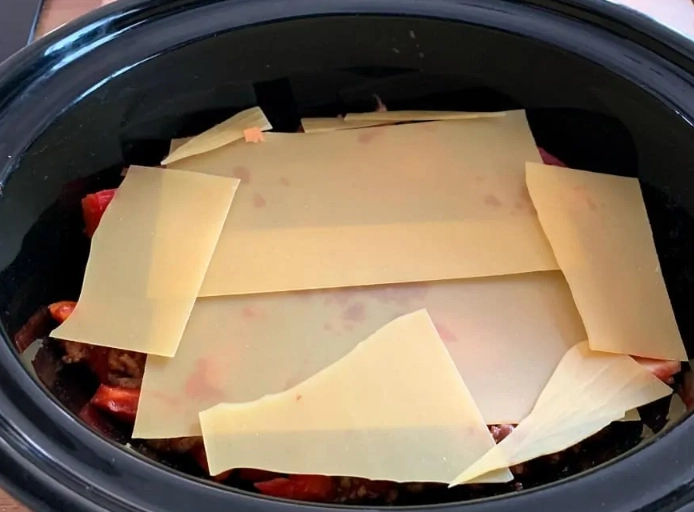
Your Slow Cooker Lasagna Questions Answered
Can I use regular lasagna noodles (the ones you boil) in the slow cooker?
Technically, you can, but you must pre-boil them first, which defeats the purpose of this easy method. They also tend to overcook and become mushy in the long, slow heat. Stick with dry, oven-ready (no-boil) noodles. They're designed to hydrate during cooking and hold their structure better.
My slow cooker lasagna turned out watery. What happened?
Three likely culprits: 1) Your sauce was too thin to start. Next time, use a thicker sauce or reduce it first. 2) You used vegetables (like fresh spinach or zucchini) without cooking off their excess water first. Always sauté or thoroughly thaw and drain. 3) You didn't let it rest. The resting period allows the starches in the noodles to fully absorb the liquid. Let it sit for a full 30 minutes before serving.
How do I prevent the edges from burning or getting too dark?
This is a common issue with older or hotter-running slow cookers. The fix is simple: create a "foil sling." Tear off two long pieces of aluminum foil, fold them lengthwise into strips, and criss-cross them in the slow cooker insert before you spray it and add ingredients. Leave the ends hanging over the sides. When the lasagna is done, you can use the foil strips as handles to lift the entire lasagna out, preventing the spoon from scraping against the hot ceramic edges that cook faster. Also, ensure you're cooking on Low, not High.
Can I make this slow cooker lasagna recipe ahead of time?
Absolutely, and it's a fantastic meal prep strategy. Assemble the lasagna completely in the greased insert. Cover the top tightly with plastic wrap, pressing it directly onto the surface of the sauce/cheese to prevent air exposure, then wrap the whole insert in heavy-duty foil. Refrigerate for up to 24 hours. When ready to cook, remove the plastic wrap, cover with the slow cooker lid, and add about 30 extra minutes to the cook time since you're starting from cold. For freezing, follow the same wrap method and freeze for up to 3 months. Thaw in the fridge for 24-48 hours before cooking.
What's the best way to get clean slices of lasagna from the slow cooker?
The resting period is step one. Step two is using the right tool. A silicone or plastic slotted server (the kind with a sharp-ish front edge) works much better than a spoon. Slide it straight down through the layers, then lift. If you used the foil sling trick, lift the whole thing out first onto a cutting board, then slice. It's surprisingly neat.
So, give it a shot. Grab that slow cooker gathering dust in the cabinet, a jar of sauce, and some cheese. In a few hours of hands-off time, you'll have a comforting, crowd-pleasing meal that proves great lasagna doesn't have to be complicated.
Reader Comments