Quick Guide to This Article
- The Core Philosophy: How Slow Cooker Lasagna Actually Works
- Gathering Your Arsenal: What You Absolutely Need (and What You Don't)
- The Step-by-Step: Building Your Masterpiece
- Oven vs. Slow Cooker: A Head-to-Head Showdown
- Answering Your Burning Questions (The FAQs)
- Getting Creative: Flavor Variations to Try
- The Troubleshooting Guide: Fixing Common Problems
- Parting Thoughts: Is Slow Cooker Lasagna Worth It?
Let's be honest. The idea of making lasagna can be a bit daunting. You've got the boiling noodles (or hoping the no-boil ones work), the layering, the long bake time, and that inevitable moment where the top is perfect but the center is still cold. What if I told you there's a way to get lasagna that's arguably more tender, more flavorful, and requires about 10 minutes of active work? That's the magic of lasagna in a slow cooker.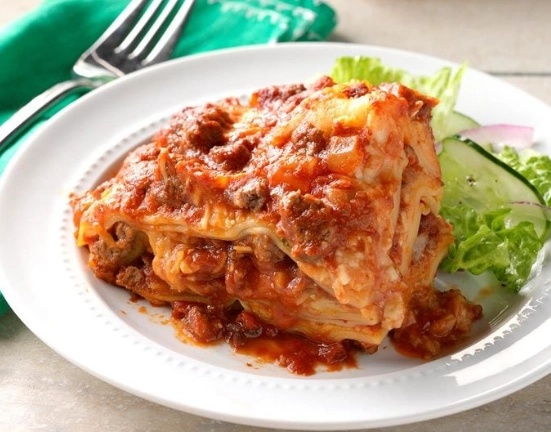
I was a skeptic too. The first time a friend suggested it, I laughed. Wouldn't it be a soggy mess? A culinary crime against Italian grandmothers everywhere? But then I tried it. And my oven hasn't seen a lasagna pan since.
The slow cooker, or crockpot, creates a gentle, moist heat environment that perfectly cooks pasta and melds flavors in a way a dry oven blast sometimes can't. It's forgiving. It's hands-off. And it solves the biggest lasagna problem of all: the dreaded dry edges.
The Core Philosophy: How Slow Cooker Lasagna Actually Works
Understanding the "why" makes the "how" much easier. An oven applies direct, radiant heat from the top and bottom. A slow cooker surrounds the food with steady, indirect heat and traps steam. This means the noodles cook in the sauce, absorbing liquid and flavor directly, rather than being pre-cooked in water. The result is layers that are seamlessly fused together.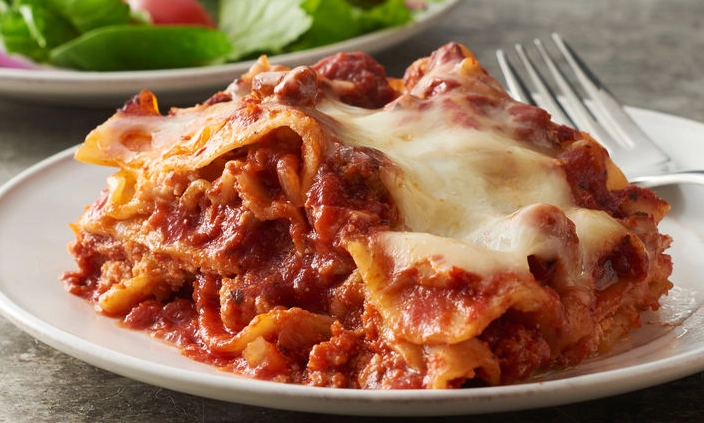
But it's not just about convenience. The long, slow cooking breaks down the meat (if you're using it) into fall-apart tenderness and lets the herbs and spices in your sauce really get to know each other. It's a depth of flavor that's hard to achieve in a 45-minute oven bake.
Gathering Your Arsenal: What You Absolutely Need (and What You Don't)
Before we dive into layering, let's talk gear and ingredients. You don't need anything fancy, but a few smart choices make a world of difference.
The Non-Negotiables:
- A 6-Quart or Larger Slow Cooker: This is the sweet spot. A 4-quart will work for a smaller batch, but a 6-quart gives you room for proper layers. Oval is ideal for fitting those rectangular noodles.
- No-Boil Lasagna Noodles: Barilla, DeCecco, or store-brand—just make sure the box says "oven-ready" or "no boil." This is the single most important ingredient swap for slow cooker lasagna success.
- A Good, Thick Sauce: Because the noodles absorb liquid, a watery sauce will leave you with a soupy result. Use a robust, jarred marinara or make your own. If it's thin, simmer it on the stove for 15-20 minutes to reduce it first.
Now, about the cheese. Whole-milk ricotta is worth the extra few cents. It's creamier and less grainy. For the mozzarella, a low-moisture block that you shred yourself melts far better than the pre-shredded stuff (which has anti-caking agents that can make it gluey). I know, shredding is a pain. But for this? It matters.
The Step-by-Step: Building Your Masterpiece
Okay, let's get to it. This is the basic framework. Once you nail this, you can start getting creative.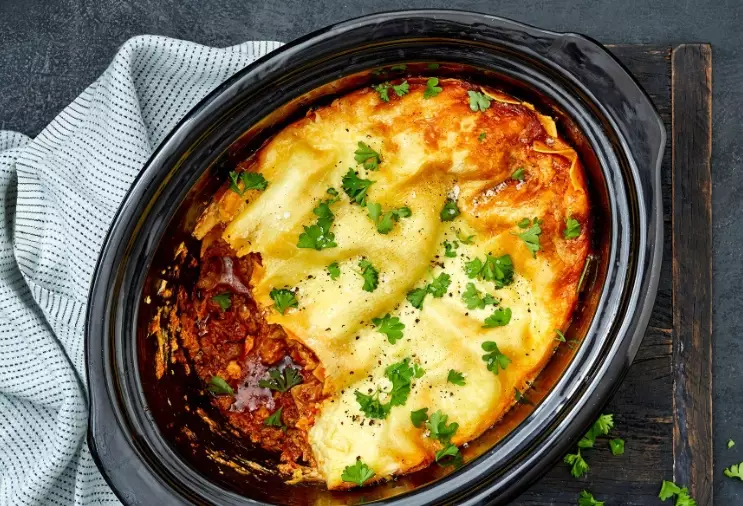
Prep Work (The 10-Minute Hustle)
Brown your meat if using (sausage is fantastic here). Mix your ricotta with an egg, some Parmesan, salt, pepper, and maybe some chopped parsley or basil. Shred that mozzarella. Have everything in bowls, assembly-line style. Spray the inside of your slow cooker insert with a little cooking spray. It helps, trust me.
The Layering Strategy (It's Not What You Think)
Forget starting with noodles. You need a buffer.
- The Foundation: Spread about ¾ cup of sauce on the bottom. This prevents the first layer of noodles from sticking and burning.
- Noodle Layer: Break your no-boil noodles to fit the shape of your cooker. It's a puzzle. Overlap them slightly. It's fine if they go up the sides a bit.
- Cheese Layer: Dollop half your ricotta mixture over the noodles and spread it as best you can. Sprinkle a handful of mozzarella.
- Meat/Sauce Layer: Spoon a generous layer of sauce (and meat) over the cheese.
- Repeat: Do another layer of noodles, the rest of the ricotta, more mozzarella, and more sauce.
- The Finale: End with a layer of noodles, the last of your sauce, and a heavy blanket of mozzarella and Parmesan.
The Cooking & The Crucial Rest
Put the lid on. Cook on LOW for 4-5 hours. Do NOT cook on HIGH—it will burn the edges and leave the center raw. You'll know it's done when the edges are bubbly and the cheese on top is fully melted and starting to get those golden spots.
Here's the step everyone skips but is absolutely critical: Turn the slow cooker off, remove the lid, and let it sit for at least 30-45 minutes. This rest period allows the layers to set. If you cut into it right away, it will ooze everywhere. This resting time is what gives you clean slices.
Oven vs. Slow Cooker: A Head-to-Head Showdown
Let's break down the differences clearly. It's not that one is better, but they serve different purposes.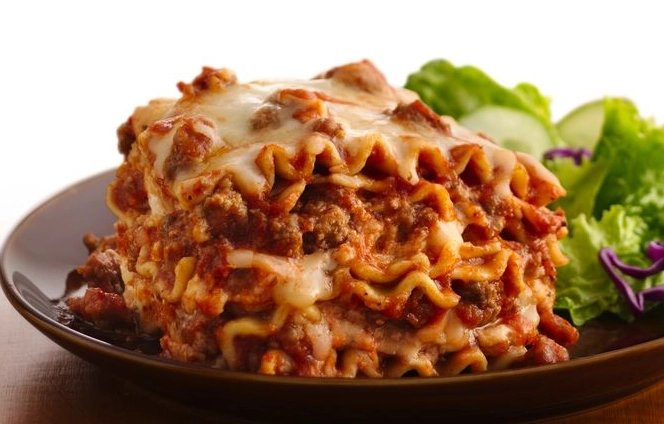
| Aspect | Traditional Oven Lasagna | Slow Cooker Lasagna |
|---|---|---|
| Active Prep Time | Higher (boiling noodles, etc.) | Very Low (no boiling required) |
| Hands-Off Time | 45-60 mins (needs monitoring) | 4-5 hours (truly set-and-forget) |
| Flavor Development | Good | Excellent (longer, slower melding) |
| Best For | Weekend projects, feeding a crowd quickly | Weeknight dinners, potlucks, meal prep |
| The "Oops" Factor | Can dry out or burn if unattended | Very forgiving; hard to overcook on LOW |
See? It's a trade-off. If you crave that crispy, cheesy top crust, the oven wins. If you want melt-in-your-mouth tenderness and ultimate convenience, the slow cooker lasagna recipe is your champion.
Answering Your Burning Questions (The FAQs)
Can I use regular lasagna noodles?
You can, but you shouldn't. They need to be pre-boiled, which defeats the purpose. They also absorb liquid differently and often end up gummy or undercooked in the slow cooker's environment. Stick with no-boil.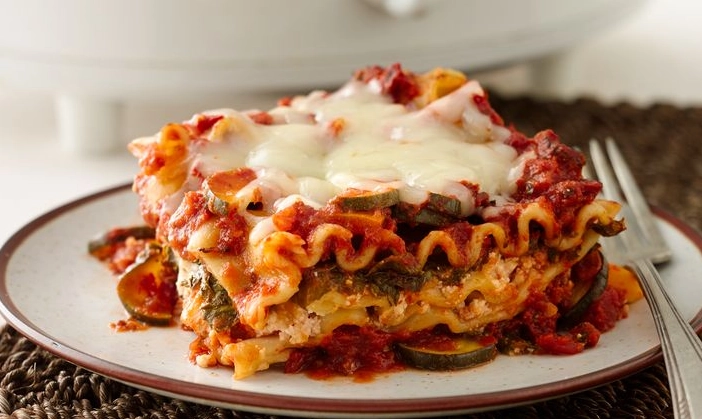
Why is my lasagna watery?
Three main culprits: 1) Your sauce was too thin. 2) You used vegetables with high water content (like zucchini) without sautéing them first to drive off moisture. 3) You added water or broth when layering. Next time, use a thicker sauce, sauté veggies, and trust the process.
Can I cook it on HIGH to save time?
I strongly advise against it. High heat will cause the edges and bottom to burn long before the center is cooked through. The beauty of lasagna in a crockpot is the low, slow cooking. Plan ahead.
How do I know when it's done?
The edges should be actively bubbling, and the cheese on top should be completely melted. If you insert a knife into the center, it should go through the noodles with little resistance. The internal temperature should be at least 165°F (74°C) in the center if you're using a meat sauce, as recommended by the USDA food safety guidelines.
Can I make it ahead of time?
Absolutely! This is a huge advantage. You can assemble the entire lasagna in the slow cooker insert the night before, cover it tightly, and refrigerate. The next day, put the cold insert into the base and add an extra 30-60 minutes to the cooking time. It's the ultimate dinner hack.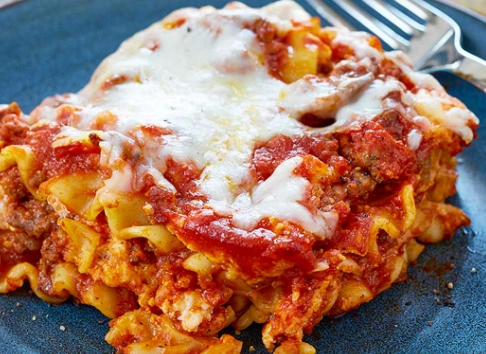
Getting Creative: Flavor Variations to Try
Once you've mastered the basic beef or sausage version, the world is your oyster.
- The Veggie Powerhouse: Layer in sautéed spinach, mushrooms, roasted red peppers, and artichoke hearts. Use a rich tomato sauce or even a creamy Alfredo.
- The White Lasagna: Skip the tomato sauce. Use a béchamel or a simple mixture of ricotta, Parmesan, and herbs. Layer with chicken, mushrooms, and spinach. It's a revelation.
- The "Everything But the Kitchen Sink": Got leftover roasted veggies? Throw them in. The slow cooker is incredibly forgiving. As noted by food science experts at Serious Eats, the no-boil method relies on ample sauce to hydrate the pasta—a principle that works perfectly in the moist slow cooker environment.
My personal favorite? A hybrid. I do a layer of meat sauce and a layer of a veggie mix. It keeps everyone happy.
The Troubleshooting Guide: Fixing Common Problems
Things don't always go perfectly. Here's how to salvage the situation.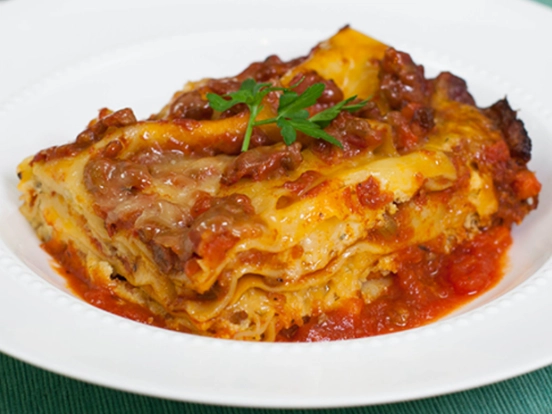
Problem: Still soupy after cooking and resting.
Fix: Carefully spoon out some of the excess liquid from the edges. You can also remove the lid for the last 30 minutes of cooking to let some steam escape.
Problem: Noodles are still hard at the edges.
Fix: You likely had a "hot spot" or didn't have enough sauce covering the top noodle layer. Next time, make sure the final noodle layer is completely submerged in sauce. For now, you can try cooking for another 30-60 minutes on LOW, adding a tablespoon or two of water around the very edges if it looks dry.
Problem: Stuck to the sides/bottom.
Fix: That cooking spray (or a light oil rub) on the insert before you start is key. Also, ensure you have that base layer of sauce. To serve, use a silicone or plastic spatula to gently loosen the edges first.
Parting Thoughts: Is Slow Cooker Lasagna Worth It?
If you'd asked me five years ago, I'd have said it was a gimmick. But after countless batches—for busy weeknights, for taking to new parents, for lazy Sundays—I'm a total convert. It won't replace every lasagna craving. Sometimes you want that classic, firm-textured, crispy-topped bake. And that's okay.
The slow cooker method demystifies lasagna. It turns it from a production into a practical dinner option. You get all the comfort food glory with a fraction of the stress. So next time you're thinking about pasta night, grab your crockpot instead of your baking dish. Break those no-boil noodles, layer with abandon, and let the slow, steady heat work its magic. You might just find your new favorite way to make a classic.
And if you're looking for more community-tested variations and tips, sites like Allrecipes' slow cooker section are a fantastic resource for seeing how other home cooks adapt the basic formula. Now go forth and layer!
Reader Comments