Let's cut to the chase. The idea of dumping dry pasta, milk, and cheese into a slow cooker and walking away to a perfect, creamy mac and cheese sounds too good to be true. For years, I thought it was. My early attempts were either a soupy mess or a cement-like block stuck to the crock. It took me a solid decade of tinkering—and a few truly disappointing potlucks—to crack the code. The promise is real, but most recipes online skip the make-or-break details. This isn't just another recipe list. It's the guide I wish I had, covering the precise science, the common traps, and the chef-level tweaks that turn a simple concept into a reliably spectacular dish.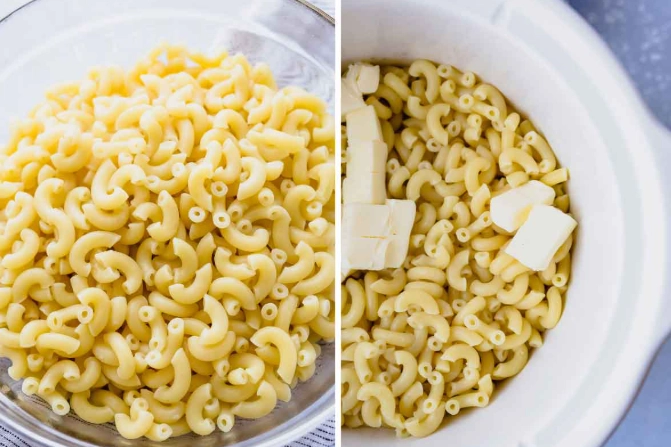
What's Inside This Guide
- The Core Method: Why This Works (And When It Doesn't)
- How to Make Crockpot Mac and Cheese with Uncooked Pasta: A Step-by-Step Guide
- The Cheese Selection: Your Single Most Important Decision
- Troubleshooting: Fixing Common Problems Before They Happen
- Expert Tweaks & Flavor Variations
- Your Questions, Answered
The Core Method: Why This Works (And When It Doesn't)
The principle is straightforward: the dry pasta hydrates and cooks directly in the dairy-based liquid inside the slow cooker, absorbing all that flavor as it goes. It eliminates a pot, a colander, and a step. The benefit is huge—a truly one-pot meal with minimal active time.
But here's the non-consensus part most food blogs won't tell you: This method is inherently less forgiving than the traditional stovetop roux-based method. You're balancing hydration rates, starch release, and fat emulsion in a low-heat, high-moisture environment for hours. Get the liquid-to-pasta ratio off by half a cup, and you'll have a problem. Use the wrong cheese, and your sauce will break. The margin for error is smaller.
That doesn't mean it's hard. It just means you need to follow the rules. This method shines for family dinners, potlucks, and busy weeknights where convenience trumps absolute perfection. It produces a rich, comforting mac and cheese that's different from the ultra-smooth béchamel kind—it's more rustic, homestyle, and incredibly satisfying.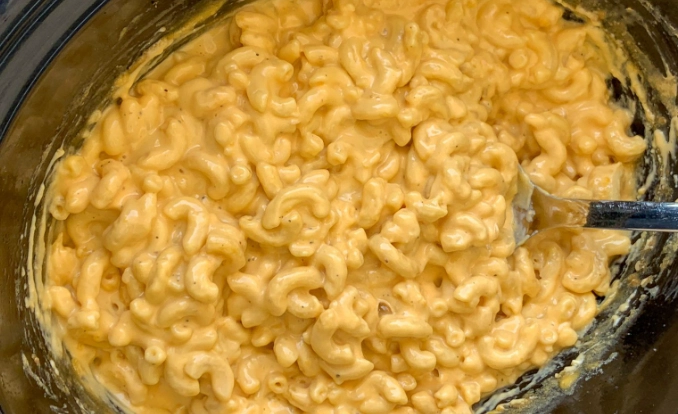
How to Make Crockpot Mac and Cheese with Uncooked Pasta: A Step-by-Step Guide
Here’s the foundational blueprint. Memorize this ratio: for one pound of dry pasta, you need 4 cups of total liquid. This is non-negotiable for proper hydration.
The Non-Negotiable Ingredients
- 1 lb (16 oz) Dry Pasta: Elbow macaroni, cavatappi, or small shells. See FAQ for shapes to avoid.
- 4 cups Total Liquid: A mix of whole milk and a richer element. I use 3 cups whole milk + 1 cup evaporated milk OR 2 cups chicken/vegetable broth. The broth adds a savory depth that cuts the richness beautifully.
- 1 block (8 oz) Sharp Cheddar, freshly grated
- 1 block (8 oz) Monterey Jack or Gouda, freshly grated
- 4 tbsp Butter, cubed
- 1 tsp Dry Mustard Powder (trust me, it's the secret flavor booster)
- 1/2 tsp Garlic Powder, 1/2 tsp Onion Powder, Salt & Pepper
The Process (Don't Peek!)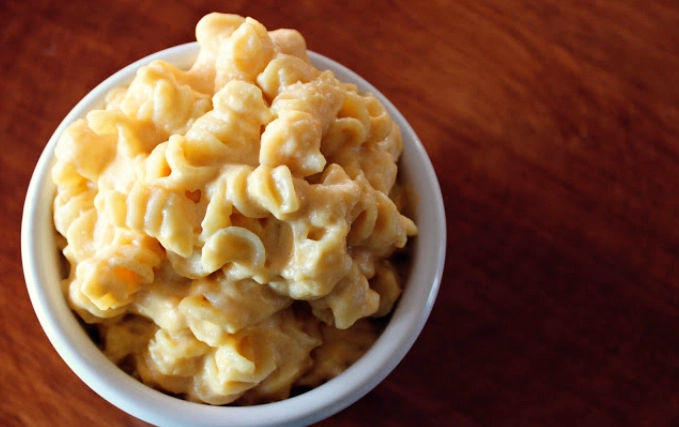
- Butter the Pot. Grease the entire inner crock of your slow cooker generously with butter or non-stick spray. This is your first defense against stuck-on pasta.
- Combine Dry Ingredients. Pour the dry pasta into the crock. Sprinkle all the spices (mustard powder, garlic powder, onion powder, 1 tsp salt, 1/2 tsp black pepper) over it and toss with your hands to distribute evenly.
- Add Liquid & Butter. Pour your 4 cups of cold liquid over the pasta. It should just about cover it. Scatter the cubed butter on top. Do not stir.
- Cook on HIGH. Cover and cook on HIGH for 1.5 to 2 hours. Do NOT lift the lid during this time. You need that trapped steam.
- The Critical Check & Stir. After 1.5 hours, quickly open the lid. The pasta at the edges should be tender, and most liquid should be absorbed. Give it one good, thorough stir. If it still looks very soupy, recover and check every 15 minutes.
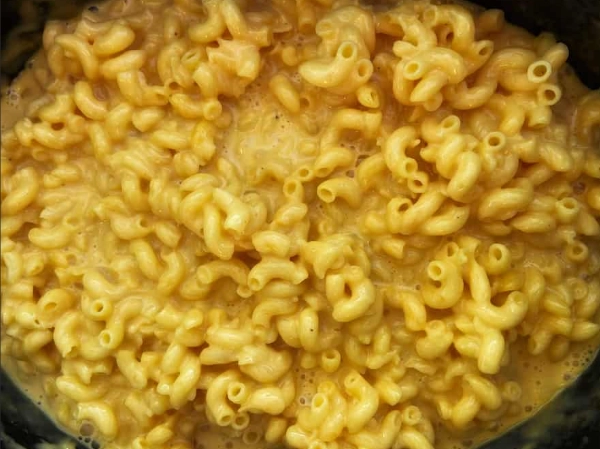
- Cheese Time. Once the pasta is al dente and the mixture has thickened to a creamy consistency (not soupy, not dry), switch the cooker to LOW or WARM. Add all your freshly grated cheese. Stir gently and continuously until the cheese is fully melted and incorporated into a smooth sauce. This should take about 2-3 minutes.
- Rest and Serve. Turn off the cooker, cover, and let it sit for 10-15 minutes. This allows the sauce to set perfectly. It will thicken a bit more upon standing.
The Cheese Selection: Your Single Most Important Decision
Cheese isn't just a flavor here; it's the sauce. The type you choose determines texture, meltability, and stability. Forget everything you know about pre-shredded bags. For this method, they are the enemy of smoothness.
You need a blend. One cheese for sharp flavor and another for creamy, stable melt. Here’s a breakdown of how different cheeses behave in the slow cooker:
| Cheese Type | Best For | Melting Property | Pro Tip |
|---|---|---|---|
| Sharp Cheddar | Flavor backbone | Good, but can separate if overheated | Use a high-quality block. Mild cheddar tastes like nothing. |
| Monterey Jack | Creamy, smooth melt | Excellent & stable | The workhorse for texture. Pepper Jack adds a kick. |
| Gouda (Smoked or Regular) | Complex, nutty flavor | Superb, velvety melt | My personal favorite swap for half the Jack. Smoked Gouda is a game-changer. |
| Fontina | Buttery, rich depth | Exceptional | Pricey, but a little goes a long way. Blend with cheddar. |
| American or Velveeta* | Foolproof creaminess | Perfect, no-break melt | Contains emulsifiers. A 2-3 oz slice blended with your real cheese guarantees a silky sauce every time. No shame in it. |
*I know, I know. "Processed cheese product." But after a decade, I’ve made peace with using a small amount as an insurance policy for large batches, especially for potlucks where it might sit on warm for a while. The U.S. Dairy Export Council notes that these cheeses contain sodium citrate, a natural emulsifier that keeps cheese sauces smooth—a trick modern chefs use. It’s a practical hack, not a culinary sin.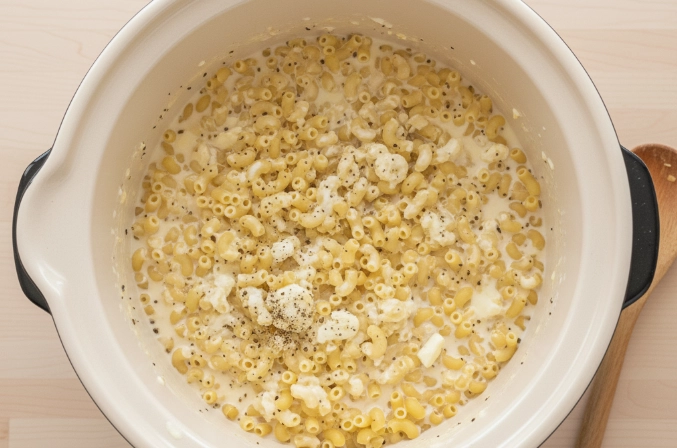
Troubleshooting: Fixing Common Problems Before They Happen
Let's diagnose issues you might face, so you can avoid them altogether.
Problem: Soupy, undercooked pasta.
Cause: Too much liquid, cooker not hot enough, or you lifted the lid too early.
Fix: Cook longer on HIGH with the lid on. If after 2.5 hours it's still soupy, you can carefully transfer to a pot and simmer on the stove to reduce, stirring constantly.
Problem: Dry, stuck, or overcooked pasta on the bottom.
Cause: Not enough liquid, cooker runs too hot, or you cooked too long.
Fix: Next time, use the full 4 cups liquid and verify your cooker's temperature. For now, stir in a splash of warm milk or cream to loosen. A well-buttered crock prevents sticking.
Problem: Grainy, separated sauce.
Cause: Pre-shredded cheese or cheese added while cooker was too hot.
Fix: Almost impossible to fully reverse. You can try blending a small amount with hot milk and stirring it back in. Prevention is key: shred your own and add on LOW/WARM.
Expert Tweaks & Flavor Variations
The basic recipe is a blank canvas. Once you've mastered it, try these.
The "Gourmet" Upgrade: Before adding the pasta, sauté 1 finely chopped onion and 2 minced garlic cloves in the butter until soft. Add this to the crock with the pasta. Use 2 cups broth, 2 cups whole milk, and a cheese blend of white cheddar, Gruyère, and a dash of nutmeg.
The Protein-Packed Family Meal: After the initial stir (step 5), fold in 2 cups of diced cooked ham, cooked crumbled sausage, or shredded rotisserie chicken. Proceed with adding cheese.
The Creamy Dreamy Version: Replace 1 cup of the milk with 1 cup of full-fat cream cheese (cubed, room temp). Add it with the butter at the start. This yields an incredibly decadent, tangy sauce.
Crispy Top (Optional Finish): If you miss the baked texture, transfer the finished mac and cheese to a broiler-safe dish. Top with panko breadcrumbs tossed with melted butter and a little extra grated cheese. Broil for 2-3 minutes until golden. This adds a step but gives you the best of both worlds.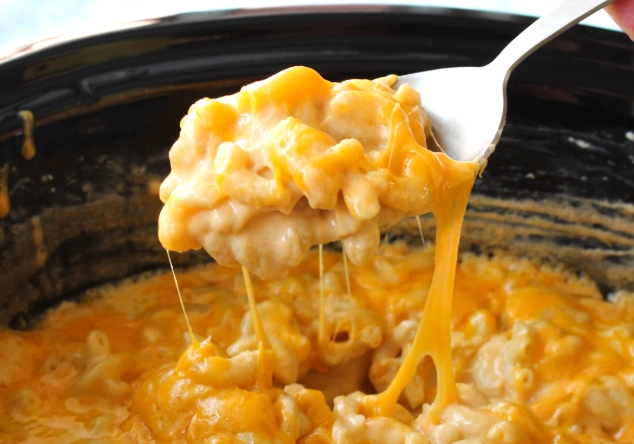
Your Questions, Answered
 The beauty of crockpot mac and cheese with uncooked pasta isn't just in its simplicity—it's in its reliability once you understand the rules. It respects your time. It feeds a crowd with minimal fuss. And it delivers that deep, nostalgic comfort we're all after. Get the ratios right, treat your cheese with respect, and have a little patience while it works its magic. You'll have a new staple in your dinner rotation that feels anything but basic.
Reader Comments