Let's be honest. The idea of a long-simmered, rich spaghetti meat sauce is fantastic. The reality of babysitting a pot on the stove for three hours? Not so much. That's where the slow cooker becomes a weeknight hero. This isn't about dumping jarred sauce and ground beef into a crockpot. It's about building layers of flavor the lazy way—letting time and low heat do the work you usually do with constant stirring.
I've been making variations of this sauce for over a decade, and I've seen all the mistakes. The watery sauce, the bland meat, the metallic taste. We'll fix all of that. This method produces a sauce that's deeply flavorful, perfectly textured, and so easy you'll wonder why you ever bothered with the frantic last-minute dinner scramble.
Your Quick Guide to Perfect Sauce
What Makes This Slow Cooker Meat Sauce Special?
It comes down to chemistry. High heat on a stovetop can cause sugars to caramelize quickly and liquids to evaporate fast, which is great for searing. But for a meat sauce, gentle, prolonged heat is the secret. It slowly breaks down the connective tissue in the meat (even in ground meat), renders fat thoroughly without burning, and allows the tomatoes to sweeten and mellow their acidity gradually.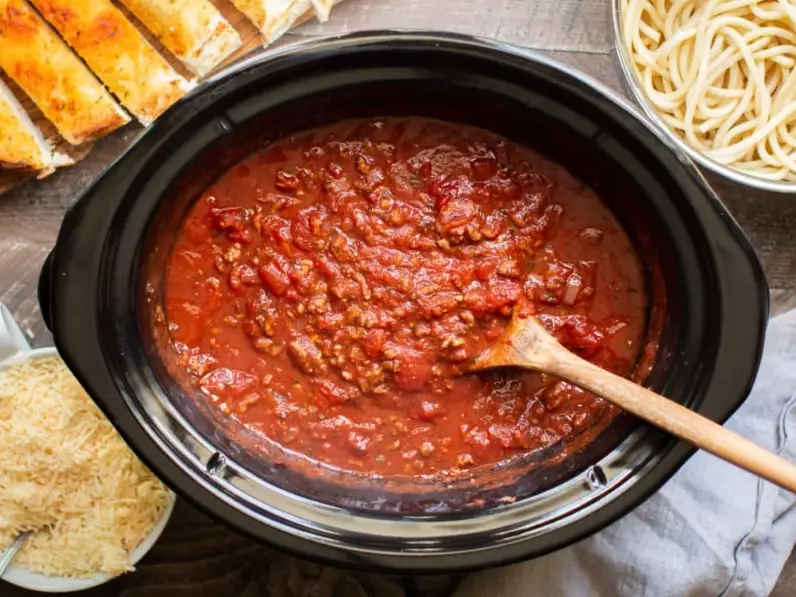
The result? A sauce with a rounder, deeper flavor profile. The meat becomes incredibly tender, almost melting into the sauce rather than sitting in it as distinct, chewy pebbles. And you get all this without any risk of the bottom scorching.
The Non-Consensus Tip: You don't need to brown the meat first. I know, every recipe says to. For a stovetop sauce, browning (the Maillard reaction) is crucial for flavor. In a slow cooker, that reaction happens slowly over hours at a lower temperature. Skipping the browning step saves you a pan to wash and doesn't sacrifice the deep, savory notes. The key is using a fattier ground meat (80/20) and ensuring your slow cooker is at least half full to cook properly.
The Ingredients: More Than Just Meat and Tomatoes
Great sauce starts with great ingredients. This isn't a place to cut corners with flavorless tomatoes or lean meat.
| Ingredient | Why It Matters & The Pro Choice |
|---|---|
| Ground Meat | Use 80/20 ground beef or a 50/50 mix of beef and pork. The fat is flavor and moisture. Ultra-lean meat (93/7) will dry out and become grainy over the long cook. Pork adds sweetness and richness. |
| Canned Tomatoes | Crushed tomatoes are the MVP. They provide the perfect body—not too chunky, not too smooth. Avoid "tomato sauce" which is seasoned and pureed; it can make the final texture too thin. A small can of tomato paste is non-negotiable for concentrated depth. |
| Aromatics | Onion and garlic are the soul. Grate your onion on a box grater. It disappears into the sauce, creating an invisible layer of sweetness without any chunks. Mince the garlic finely. |
| Liquid | You need some. Use a dry red wine like Chianti or Merlot, or a rich beef broth. Water works, but wine/broth adds another dimension. About 1/2 cup is plenty. |
| Seasonings | Dried oregano, basil, a bay leaf, salt, and black pepper. Add a pinch of red pepper flakes. It doesn't make it spicy, just more complex. A teaspoon of sugar helps balance tomato acidity. |
A note on wine: The alcohol cooks off over the long simmer, leaving behind acidity and fruit notes that brighten the sauce. If you prefer not to use it, substitute with additional broth and a splash of red wine vinegar at the very end of cooking.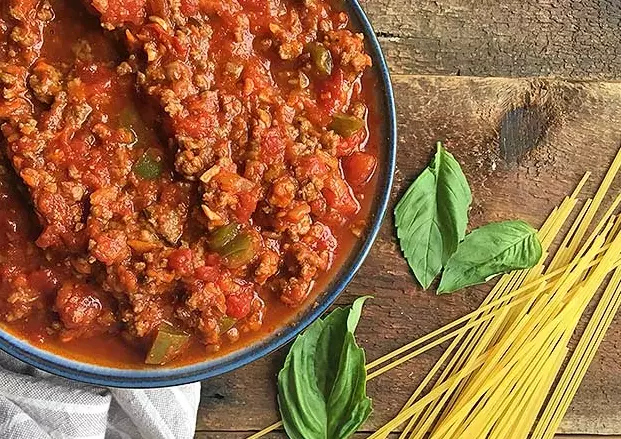
How to Make Slow Cooker Spaghetti Meat Sauce
This is the easy part. Total hands-on time is about 15 minutes.
The Simple Process
Break up the ground meat directly into the slow cooker insert. You want it in small, loose chunks, not one big brick. Add the grated onion, minced garlic, tomato paste, and all the dried herbs and seasonings.
Pour in the crushed tomatoes and your chosen liquid (wine or broth). Stir everything together until just combined. Don't over-mix into a homogenous paste; it's okay if the meat and tomatoes are still distinct.
Place the lid on and cook. Low for 6-8 hours is ideal. High for 3-4 hours works in a pinch, but the flavor development on low is superior. In the last 30 minutes, remove the lid. This allows some excess moisture to evaporate, thickening the sauce to the perfect coating consistency. Taste and adjust salt or add that splash of vinegar if you didn't use wine.
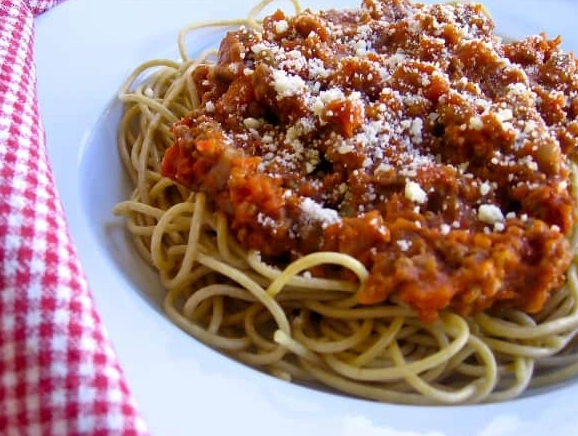
Discard the bay leaf. Serve over al dente spaghetti with plenty of grated Parmesan cheese.
Common Slow Cooker Meat Sauce Mistakes (And How to Avoid Them)
I've made these so you don't have to.
Using Lean Meat: This is the #1 reason for a dry, disappointing sauce. Fat equals flavor and moisture. Embrace the 80/20 rule.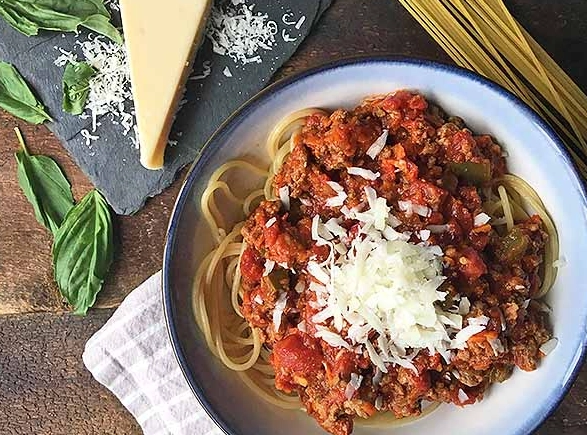
Adding Dairy Too Early: Thinking of stirring in cream or milk? Do it in the last 15 minutes. Adding dairy at the beginning can cause it to curdle or separate over the long cook.
Overfilling or Underfilling: Your slow cooker needs to be between half and two-thirds full to heat evenly and safely. This recipe is designed for a standard 6-quart cooker. For a smaller 4-quart, halve the recipe.
Not Letting It Thicken: That last 30 minutes with the lid off is critical. Slow cookers trap all steam, so sauces often finish watery. Uncovering it at the end is the fix. If it's still too thin, you can mix a tablespoon of cornstarch with two tablespoons of cold sauce and stir it back in, cooking on High for 10 more minutes.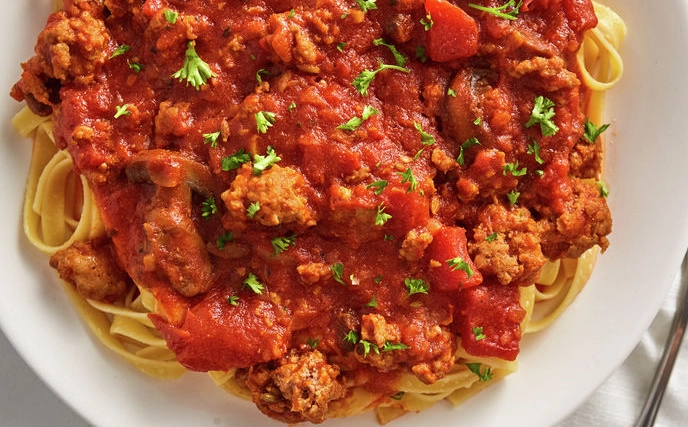
Using Fresh Herbs at the Start: Fresh basil or parsley will turn to gray mush. Stir them in right before serving for a burst of fresh color and flavor.
Serving, Storing, and Making It Your Own
This sauce is a fantastic base. Here's how to run with it.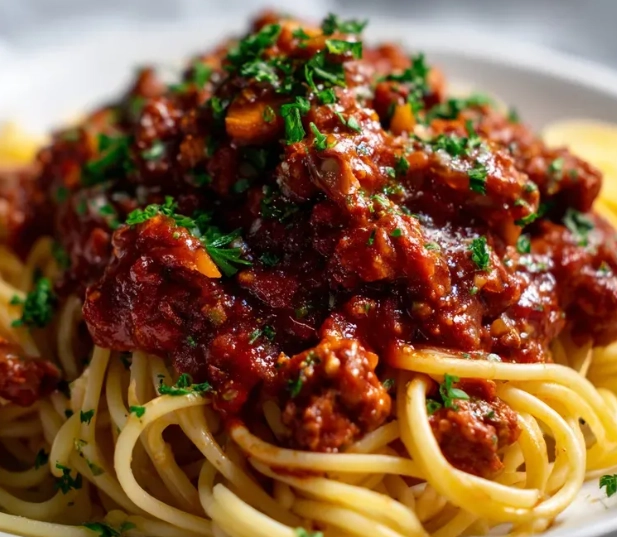
For Serving: Cook your spaghetti in well-salted water until al dente. Reserve a cup of the starchy pasta water before draining. Toss the drained pasta directly with the sauce in the slow cooker or a large bowl, adding splashes of pasta water as needed to help the sauce cling beautifully to each strand.
For Storing: Let the sauce cool completely. It will keep in the fridge for up to 5 days. For longer storage, freeze it in portion-sized containers for up to 3 months. The flavor often improves after a day in the fridge.
Easy Variations:
- Spicy Arrabbiata: Add 1-2 teaspoons of crushed red pepper flakes with the other dried herbs.
- Mushroom Lover's: Sauté 8 oz of sliced cremini mushrooms until browned, then add them to the slow cooker.
- "Three Meat" Sauce: Use a mix of ground beef, Italian sausage (casings removed), and a few chopped slices of pancetta.
- Hidden Veggie Boost: Add a finely grated carrot or zucchini with the onion. They'll vanish into the sauce, adding nutrients and subtle sweetness.
Your Slow Cooker Sauce Questions, Answered
Can I use ground turkey or chicken for a healthier slow cooker spaghetti sauce?
You can, but you need to modify your approach. Ground poultry is very lean and will dry out. To compensate, use a mix of 85/15 ground turkey and add 2 tablespoons of olive oil to the cooker. Consider also adding a few extra tablespoons of tomato paste or a parmesan rind while cooking to boost the umami and richness that the missing fat would have provided.
Why is my slow cooker sauce watery even after cooking all day?
The lid is the culprit. Slow cookers are designed to retain all moisture. The fix is simple: for the final 30-45 minutes of cooking, remove the lid or prop it open slightly with a wooden spoon handle. This allows steam to escape and the sauce to reduce and thicken naturally. If you're in a rush, the cornstarch slurry method mentioned above works as a quick fix.
Can I just dump everything in raw, including dry spaghetti noodles, and cook it all together?
I strongly advise against the "one-pot" method where pasta cooks in the sauce. It might seem convenient, but it almost always leads to mushy, overcooked pasta and a starchy, gloopy sauce. Pasta needs to be cooked in a large volume of rapidly boiling, salted water to achieve the right texture. The extra pot is worth it. Cook the pasta separately, then combine.
How long can I leave the sauce on the "Warm" setting after it's done cooking?
Most modern slow cookers have a "Keep Warm" function that maintains a food-safe temperature above 140°F (60°C). According to food safety guidelines from sources like the USDA, food can be safely held on warm for up to 4 hours. For optimal quality and to prevent the sauce from drying out at the edges, I recommend transferring it to a different container after 2 hours on warm if you're not serving it immediately.
My sauce tastes a bit flat or acidic. How can I fix it at the end?
This is common, especially with certain tomato brands. Before adding more salt, try these fixes in order: 1) Stir in another pinch of sugar (start with 1/4 teaspoon). 2) Add a tablespoon of unsalted butter. The fat rounds out sharp flavors beautifully. 3) Stir in a tablespoon of grated Parmesan cheese directly into the sauce pot. If it still needs something, a tiny splash of balsamic vinegar can add a sweet-and-sour complexity that perks everything up.
Reader Comments