In This Guide
- First, What Are Beef Tips Anyway? (This Changes Everything)
- The Master Guide: Cooking Times for Every Method
- The Quick-Reference Cooking Time Table
- Factors That Mess With Your Cooking Time
- How to REALLY Know When Beef Tips Are Done
- Common Pitfalls & How to Avoid Them
- Your Beef Tips Cooking Questions, Answered
So you've got a pack of beef tips staring at you from the fridge. Maybe you're thinking about a hearty stew, maybe a quick skillet dinner. The big question pops into your head: how long do you need to cook beef tips to get them tender, not tough? I've been there. I've also been in the "oh no" moment of realizing I've undercooked them, or worse, turned them into little leather cubes. Let's get this straight right away – there is no single magic number. Asking "how long to cook beef tips" is like asking how long to drive somewhere. It depends entirely on your vehicle (the cut of beef), your route (the cooking method), and your desired destination (rare, well-done, fall-apart tender).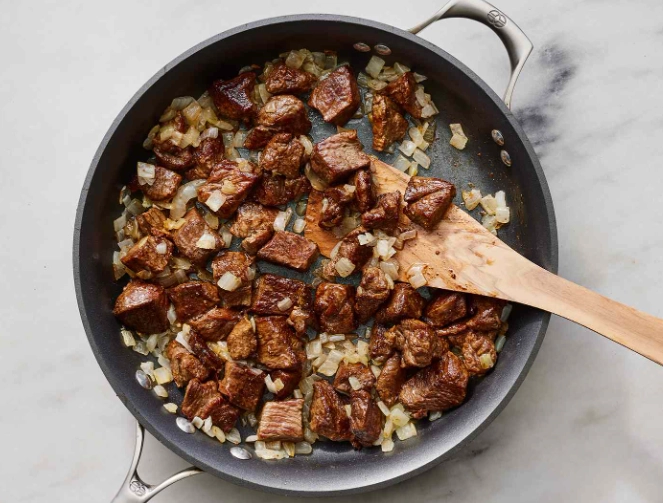
This guide is going to break that all down. We'll ditch the guesswork and look at the real factors that decide your cooking time. I'll share the times that actually work from my own kitchen fails and wins, not just textbook numbers.
The Biggest Mistake People Make: Treating all beef tips the same. A beef tip from the sirloin and a beef tip from the chuck need wildly different treatment and time. Getting this wrong is the main reason for disappointing, chewy results.
First, What Are Beef Tips Anyway? (This Changes Everything)
This is the most important part, and most recipes just gloss over it. "Beef tips" isn't a specific cut like a ribeye. It's a butcher's term for small, trimmed pieces of beef. They can come from anywhere. Where they come from dictates their fat content, connective tissue, and ultimately, how long you need to cook beef tips to make them edible.
You generally have two camps:
- The "Tender" Camp (Sirloin or Tenderloin Tips): These are from muscles that don't work much. They're lean and tender to begin with. Think of them like a steak cut into cubes. how long do you need to cook beef tips from the sirloin? Not long at all. High heat, fast cooking. If you braise these for hours, they'll turn to dry mush.
- The "Tough but Flavorful" Camp (Chuck or Round Tips): These are from hard-working muscles, full of flavor and collagen (that tough connective tissue). They start off tough. But here's the magic: with low, slow, moist heat, that collagen melts into gelatin, making the meat incredibly juicy and tender. This is where the long cooking times come in.
How do you know what you have? If the package doesn't say, look at the price and the marbling. Sirloin tips cost more and are lean. Chuck/round tips are cheaper and have more visible streaks of fat and gristle. When in doubt, ask your butcher. It's the single best thing you can do.
The Master Guide: Cooking Times for Every Method
Alright, let's get to the meat of it (pun intended). Here’s a detailed breakdown, assuming your beef tips are about 1 to 1.5 inches in size. Remember, internal temperature is your best friend, not just the clock. A good instant-read thermometer is a better investment than any fancy pan.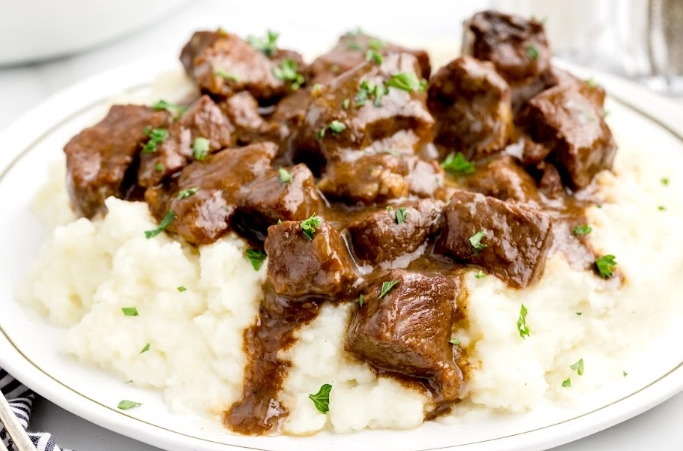
For Tender Cuts (Sirloin/Tenderloin Tips)
These are for quick-cook methods. The goal is a nice sear on the outside, a juicy pink (or your preferred doneness) on the inside.
- Pan-Searing/Sautéing: High heat. Get your skillet (cast iron is great) screaming hot. Pat the tips dry, season, add a high-smoke-point oil. Cook in a single layer, don't crowd them. You're looking at 4-8 minutes total, turning to get all sides browned. For medium-rare, aim for an internal temp of 130-135°F (54-57°C). That's it. Seriously, any longer and they start to toughen. This is a classic case where less is more. how long do you need to cook beef tips in a pan? Just until they're done, then get them out.
- Broiling or Grilling: Similar idea. High, direct heat. 8-12 minutes total, turning occasionally. Keep a close eye to prevent charring.
Pro Tip for Sirloin Tips: Let them rest for 5 minutes after cooking. The juices redistribute, making them even more tender. Cutting into them immediately lets all the good stuff run out onto the plate.
For Tough, Flavorful Cuts (Chuck/Round Tips)
This is where the transformation happens. Low and slow is the mantra. Moist heat is usually required to facilitate the breakdown.
- Braising (Stovetop or Oven): This is the gold standard. You brown the tips first (that's non-negotiable for flavor), then simmer them gently in a flavorful liquid (broth, wine, tomatoes) covered. how long do you need to cook beef tips when braising? Plan for 1.5 to 2.5 hours at a gentle simmer (around 300°F / 150°C in the oven). They're done when you can pierce them easily with a fork and they start to shred. The Explore Culinary guide to braising has fantastic science-backed tips on this technique.
- Slow Cooker: The ultimate "set it and forget it" method. Brown them first if you have time (it adds depth, but you can skip it in a pinch). On LOW, it will take 6-8 hours. On HIGH, 3-4 hours. The long, steady heat is perfect for breaking down collagen. The meat should be fork-tender.
- Pressure Cooker / Instant Pot: The modern miracle for the impatient. Browning function first, then add liquid. For chuck tips, 15-20 minutes of high pressure cooking, followed by a natural pressure release for 10-15 minutes, will give you fall-apart tender meat in a fraction of the time. It feels like cheating.
See the difference? For chuck, how long you need to cook beef tips is measured in hours, not minutes. Trying to pan-fry chuck tips for 10 minutes will give you jaw-breaking results.
The Quick-Reference Cooking Time Table
Here’s a cheat sheet. Bookmark this.
| Cut of Beef Tips | Cooking Method | Approximate Time | Doneness Signal |
|---|---|---|---|
| Sirloin / Tenderloin | Pan Searing | 4-8 minutes total | Internal temp 130-145°F (for Med-Rare to Med) |
| Sirloin / Tenderloin | Grilling/Broiling | 8-12 minutes total | Nice char, firm but yielding to touch |
| Chuck / Round / Stew Meat | Braising (Oven/Stovetop) | 1.5 - 2.5 hours | Fork-tender, shreds easily |
| Chuck / Round / Stew Meat | Slow Cooker (Low) | 6-8 hours | Fork-tender, falls apart |
| Chuck / Round / Stew Meat | Pressure Cooker (High Pressure) | 15-20 minutes + NPR* | Fork-tender, falls apart |
*NPR = Natural Pressure Release (10-15 min)
Factors That Mess With Your Cooking Time
Even with the table, your time might vary. Here's why:
- Size Matters: A 2-inch chuck tip will need longer than a 1-inch one. Cut them uniformly.
- Quantity & Crowding: Dumping a whole pound into a small pan drops the temperature. You end up steaming, not searing. Cook in batches. This is crucial for browning.
- Your Equipment: A thin, cheap pan won't hold heat like a thick cast-iron or heavy-bottomed stainless pot. A weak stove vs. a powerful gas burner changes things. Get to know your tools.
- Starting Temperature: Cooking straight-from-the-fridge meat takes longer than meat brought to room temp for 20-30 minutes (for quick-cook methods). For braising, it matters less.
How to REALLY Know When Beef Tips Are Done
Forget cutting into every piece. Here's how the pros (and savvy home cooks) do it:
- For Tender Cuts (Quick Cook): Use a thermometer. It's the only reliable way. 125°F for rare, 135°F for medium-rare, 145°F for medium. The USDA recommends a minimum safe temperature of 145°F for whole cuts of beef, with a rest time, which you can find detailed in their safe temperature chart. For cubes, getting an accurate read can be tricky, so aim for the higher end if you're concerned.
- For Tough Cuts (Slow Cook): Use the "fork test." Take a piece out and try to pull it apart with two forks. If it shreds with little resistance, it's done. If it's still rubbery and holds together tightly, it needs more time. The meat should also start to pull away from itself at the edges.
I made the mistake of trusting a recipe that said "braise for 1 hour" with some really tough round tips. At one hour, they were still inedible. I gave them another 45 minutes, and they were perfect. The recipe was wrong for my particular meat. The fork doesn't lie.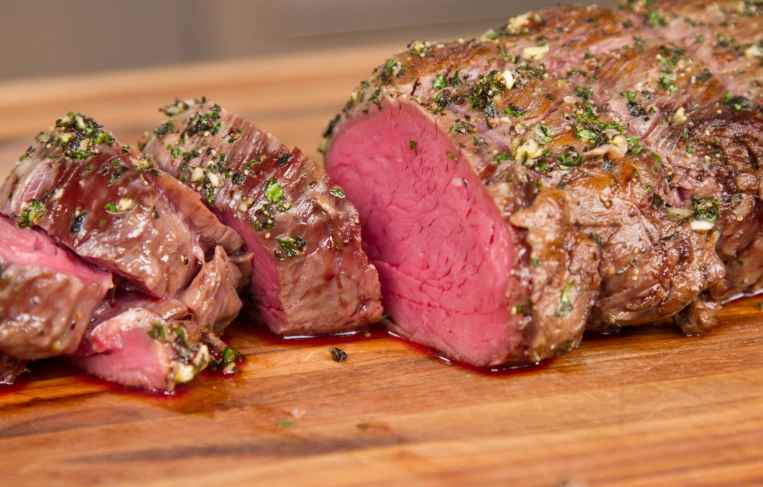
Common Pitfalls & How to Avoid Them
- Pitfall #1: Skipping the Sear for Braises/Stews. That brown crust (the Maillard reaction) is where a ton of flavor lives. It only takes 5-10 extra minutes. Do it.
- Pitfall #2: Boiling Instead of Simmering. Once you add your liquid for braising, bring it to a boil, then immediately reduce to the gentlest bubble. A rolling boil will make the meat tough and dry, no matter how long you cook beef tips.
- Pitfall #3: Underseasoning. Salt your meat well before cooking, especially before searing. It draws moisture to the surface for better browning and seasons from within.
- Pitfall #4: Adding Acid Too Early. If your braising liquid has a lot of wine, vinegar, or tomatoes, adding it at the very start can sometimes make the meat seize up. Some cooks prefer to brown, then deglaze with a little broth, and add the acidic elements halfway through. It's a small trick that can make a difference in tenderness.
The One-Sentence Summary
For tender sirloin tips, cook hot and fast (minutes); for flavorful chuck tips, cook low and slow with moisture (hours). Identifying your cut is 90% of the battle in knowing how long you need to cook beef tips.
Your Beef Tips Cooking Questions, Answered
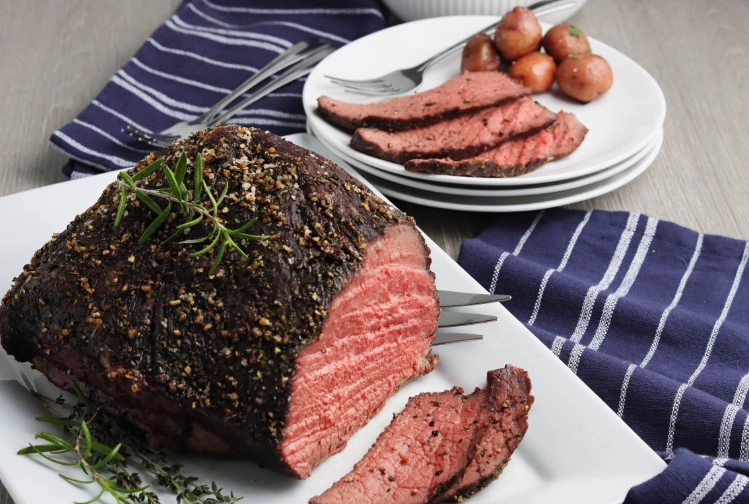
So, the next time you find yourself wondering how long do you need to cook beef tips, stop. First, ask yourself: "What kind of beef tips do I have?" The answer to that question will point you to the right method, and the right clock. Whether it's a 6-minute sear or a 6-hour simmer, knowing the difference is what turns a potential kitchen letdown into a guaranteed comfort food win.
Now go check what's in your fridge. Your perfect beef tip dinner is waiting.
Reader Comments