Quick Navigation
- Why the Right Cut Makes All the Difference
- The Champions: Dark Meat Cuts That Shine in the Slow Cooker
- The Challenger: Can White Meat (Chicken Breast) Be Saved?
- The Whole Bird & Other Parts
- The Comparison Table: Your At-a-Glance Guide
- Pro Tips to Elevate Any Cut
- The Final Verdict: What Truly Are the Best Cuts?
Let's be real for a second. You've probably tossed some chicken into a slow cooker, walked away for eight hours, and come back to... disappointment. Maybe it was stringy. Maybe it was dry as sawdust. Maybe it just tasted bland, like boiled protein. I've been there. I've ruined my fair share of dinners with high hopes and poor cuts. That's why figuring out the best cuts of meat for slow cooking chicken isn't just a minor detail—it's the difference between a meal you're proud of and one you choke down just to be polite.
The magic of a slow cooker, or a Dutch oven on low heat, is its ability to break down tough connective tissue and render fat over many hours, transforming inexpensive, often overlooked cuts into something succulent and deeply flavorful. But not all chicken parts are created equal for this purpose. Choosing the wrong one is like putting the wrong fuel in your car; it might run, but it won't run well.
The Core Idea: For slow cooking, you want cuts with higher fat content and more connective tissue. Fat equals flavor and moisture. Connective tissue (collagen) breaks down into gelatin, giving you that luxurious, fall-off-the-bone texture we all crave. This simple principle guides everything.
Why the Right Cut Makes All the Difference
Chicken isn't a monolithic ingredient. A breast and a thigh come from completely different parts of the bird, with different jobs. The breast muscles (pectoralis major) are used for brief, powerful bursts of flight. They're lean, fast-twitch muscles with little fat or connective tissue. The leg and thigh muscles, on the other hand, are for standing, walking, and scratching all day. They're slow-twitch muscles, packed with fat and collagen to sustain constant use.
When you apply low, moist heat for a long time, here's what happens: The collagen melts. It literally dissolves into rich, silky gelatin that bastes the meat from the inside and thickens your cooking liquid into a gorgeous sauce. The fat renders slowly, keeping everything juicy. Lean cuts, devoid of this collagen and fat, have nothing protecting them. The muscle fibers just tighten up, squeeze out their moisture, and you're left with a dry, tough result. It's a culinary dead end.
So, before we dive into the specifics, remember this hierarchy: Dark meat > Bone-in, skin-on > Boneless, skinless > Lean white meat. This is the golden rule for identifying the best cuts of meat for slow cooking chicken.
Got it? Good. Now let's meet the contenders.
The Champions: Dark Meat Cuts That Shine in the Slow Cooker
Chicken Thighs: The Undisputed King
If I had to pick one cut as the ultimate champion for the slow cooker, it's the humble chicken thigh. Hands down. It's not even a close race in my kitchen. Thighs have the perfect balance of meat, fat, and connective tissue. They're forgiving, flavorful, and consistently deliver that succulent, pull-apart texture. You can find them bone-in and skin-on, boneless and skinless, or somewhere in between.
Why they're a top pick for best cuts of meat for slow cooking chicken: The fat cap and marbling throughout the meat baste it continuously. The collagen-rich area around the joint and bones melts beautifully. Even if you overcook them by an hour (or two, let's be honest), they stay juicy. The flavor is richer and more "chicken-y" than breast meat.
The Verdict: For curries, stews, coq au vin, chicken cacciatore, or just plain shredded chicken for tacos, thighs are your most reliable bet. I buy them in bulk, freeze them, and they never let me down.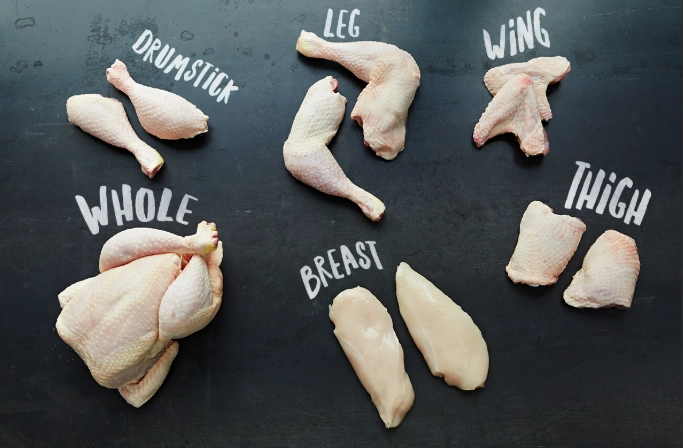
Pro Tip: Even if you're using boneless, skinless thighs for convenience, try browning them in a skillet first. That Maillard reaction (the browning) creates a ton of flavor compounds that your slow cooker, operating at a lower temperature, simply can't replicate. It adds a depth that takes the dish from good to great. Just sear for 2-3 minutes per side until golden, then transfer to the pot.
Chicken Drumsticks: The Flavor Bombs
Drumsticks are often the budget-friendly hero. They're almost all dark meat, wrapped around a single bone. That bone is key—it conducts heat gently and is a source of marrow and collagen. The skin, when left on, crisps up nicely if you finish them under a broiler, but even during slow cooking, it adds immense flavor to the sauce.
Their shape is both a pro and a con. They're fun to eat (hello, built-in handle!), but they can stack awkwardly in a round slow cooker. The meat-to-bone ratio is a bit lower than thighs, so you might need more pieces to feed a crowd. But for pure, unadulterated chicken flavor infused into a broth or sauce, they're hard to beat.
I love using drumsticks for recipes where the chicken is meant to be a distinct piece on the plate, like a sticky Asian-style glaze or a Spanish *pollo guisado*. They hold their shape better than shredded thigh meat but still offer that ultra-tender bite.
Chicken Leg Quarters (Thigh + Drumstick): The Best of Both Worlds
This is the whole leg, still connected. It's a fantastic option if you see it at the store, often sold at a great price. You get the meaty thigh and the flavorful drumstick in one package, with plenty of skin and bone for extra flavor. Because it's a larger, more complex joint, it has even more connective tissue to break down into luxurious gelatin.
It's a rustic, hearty cut. Perfect for a one-pot meal where you want substantial pieces of chicken. Just be sure your slow cooker is large enough to fit them in a single layer if possible. They take up space, but they deliver on flavor and value per pound.
See a pattern? Dark meat rules the slow-cooking world.
The Challenger: Can White Meat (Chicken Breast) Be Saved?
Okay, let's talk about the elephant in the room: chicken breast. It's the most popular cut in America, but it's also the most problematic for slow cooking. By its very biological design, it's ill-suited for the process. It's lean. It's low in collagen. It wants to be cooked quickly to a precise internal temperature (around 165°F or 74°C) and served immediately.
So, is chicken breast ever among the best cuts of meat for slow cooking chicken? Frankly, no, not in the traditional sense. If you toss boneless, skinless breasts into a slow cooker for 6-8 hours on low, you will get dry, stringy, chalky meat. I've done it. It's not good.
But. There is a way to use it successfully, and it requires a complete shift in strategy.
The Critical Adjustment: You must treat chicken breast as a quick-cooking ingredient even within your slow cooker. This means adding it during the last 1-2 hours of cooking, not at the beginning. Or, using the slow cooker more as a warm, moist holding environment rather than a primary cooking tool.
Here's my method when I need to use breast meat for dietary reasons or picky eaters: I prepare my sauce, vegetables, and aromatics in the slow cooker and let them cook on low for 4-5 hours to develop flavor. Then, in the last 60-90 minutes, I add large, whole, boneless skinless chicken breasts (or very large chunks). I make sure they're submerged in the hot liquid. I cook just until they reach that safe 165°F internally. Then I immediately remove them, shred or slice, and return to the pot to keep warm until serving. This prevents them from overcooking into oblivion.
It's a workaround. It can produce a decent, lean result. But if you want guaranteed juiciness and that iconic slow-cooked texture, stick with dark meat. The USDA notes that all poultry should be cooked to a safe minimum temperature, but the *journey* to that temperature matters immensely for texture (USDA Poultry Preparation Guidelines).
The Whole Bird & Other Parts
Whole Chicken: The Ultimate Project
Slow cooking a whole chicken is a beautiful thing. You get a mix of white and dark meat, and the carcass itself flavors the cooking liquid, essentially making a stock as you cook. The result is incredibly moist breast meat (protected by the skin and surrounding dark meat) and fall-apart legs.
The trick? You need a large, oval-shaped slow cooker (6 quarts or more). Trussing the bird helps it fit. I like to rub herb butter under the skin, season generously, and maybe stuff the cavity with lemon and onion. Place it breast-side up on a bed of chopped veggies. The key is not to overcook it. A 4-5 lb chicken on low for 5-6 hours is usually sufficient. Use a meat thermometer! Once the breast hits 165°F and the thigh hits 175°F, it's done. Any longer and the breast will suffer.
It's a showstopper and yields meat for days, plus a fantastic broth at the bottom.
Chicken Wings: The Surprise Contender
Wings are mostly skin, connective tissue, and bone, with little nuggets of meat. This makes them fantastic for slow cooking if your goal is to infuse flavor into them before a final crisping step. Think of a buffalo wing-style sauce. Let them simmer in a tangy, buttery sauce on low for 3-4 hours until incredibly tender. Then, spread them on a baking sheet and blast them under a broiler or in a hot oven for 10-15 minutes to crisp up the skin. The slow cooker does the tenderizing work; the high heat does the finishing work. They won't be "fried" crispy, but they'll be sticky, tender, and deeply flavored.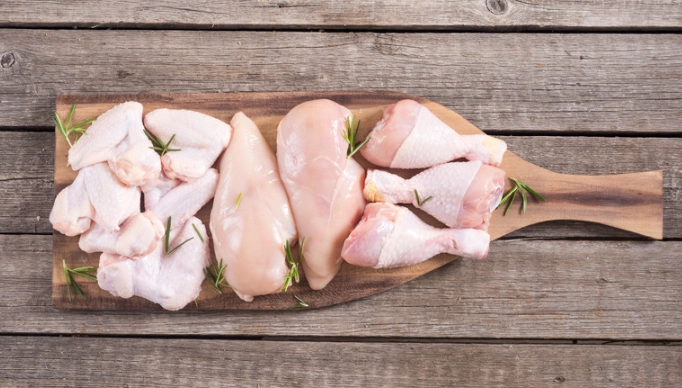
The Comparison Table: Your At-a-Glance Guide
Let's break it down visually. This table summarizes the key attributes of the best cuts of meat for slow cooking chicken, based on flavor, texture, convenience, and best uses.
| Cut of Chicken | Fat & Collagen Content | Forgiveness Factor | Best For... | Approx. Cook Time (Low) | Price & Value Note |
|---|---|---|---|---|---|
| Bone-in, Skin-on Thighs | High (Excellent) | Very High - Hard to overcook | Stews, curries, braises, shredded meat | 6-8 hours | Great value, maximum flavor |
| Boneless, Skinless Thighs | Medium-High (Very Good) | High | Quick-prep meals, salads, wraps, casseroles | 5-7 hours | Slightly more expensive, less flavor than bone-in |
| Drumsticks | High (Excellent) | High | Family meals, glazed dishes, rustic soups | 6-8 hours | Often the most economical cut |
| Leg Quarters | Very High (Best) | Very High | Hearty one-pot meals, impressive presentations | 7-8 hours | Excellent meat-to-price ratio |
| Chicken Breast (Boneless/Skinless) | Low (Poor) | Very Low - Requires precision | Only if added in last 1-2 hours, for lean diets | 1-2 hours (added late) | Prone to drying out, not recommended for full cook |
| Whole Chicken | Mixed (Good) | Medium - Breast can dry if overcooked | Sunday dinner, meal prep (multiple uses) | 5-6 hours for a 4-5 lb bird | Overall good value, yields meat & broth |
| Wings | High in connective tissue | Medium (needs finishing step) | Appetizers, party food, glazed dishes | 3-4 hours (then broil) | Fun, different application for slow cooker |
Pro Tips to Elevate Any Cut
Choosing the right cut is 80% of the battle. These next tips will help you win the remaining 20%.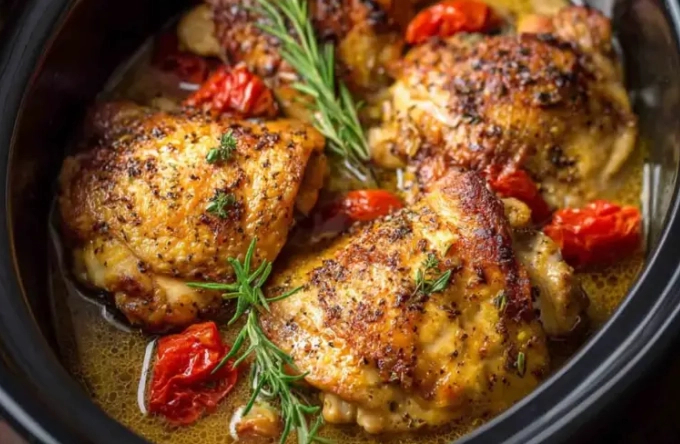
1. Don't Skip the Browning. I mentioned it with thighs, but it applies to almost any cut. That caramelized crust = flavor. Your slow cooker won't create it. A 5-minute sear in a skillet pays massive dividends. If you're really pressed for time, a cheat is to broil the cooked chicken at the end for a few minutes to mimic some browning.
2. Layer Flavors Smartly. Place hardy root vegetables (potatoes, carrots) at the bottom, where they'll be in direct contact with the heat. Place the chicken on top. Delicate veggies like peas or spinach should be stirred in during the last 30 minutes.
3. Mind the Liquid. Chicken releases a lot of moisture. You often need less added liquid than you think—sometimes just a half-cup of wine, broth, or even just the moisture from tomatoes and onions is enough. Too much liquid can dilute flavors and make everything taste boiled.
4. Season Aggressively. Slow cooking can mute spices over time. Be generous with salt, pepper, herbs, and aromatics (garlic, onion, ginger). Adding a final hit of fresh herbs, a squeeze of lemon juice, or a dash of vinegar right before serving wakes the whole dish up.
5. Use a Thermometer. This is the single best way to avoid overcooking, especially with whole chickens or breast meat. The USDA Safe Temperature Chart is your friend, but for texture, dark meat is often best pulled around 175-185°F, when the collagen has fully given up.
The Final Verdict: What Truly Are the Best Cuts?
After all this, my personal ranking for the best cuts of meat for slow cooking chicken is clear: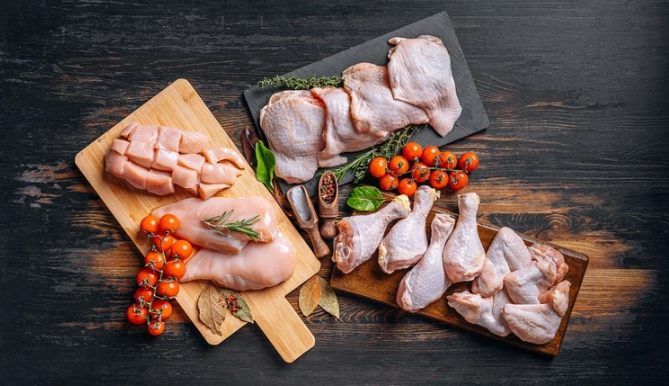
- Bone-in, Skin-on Chicken Thighs: The gold standard. Maximum flavor, maximum forgiveness, perfect texture.
- Chicken Leg Quarters: For sheer flavor potential and value, they're a close second.
- Chicken Drumsticks: The fun, economical choice that always delivers on taste.
- Whole Chicken: A special-occasion method that yields multiple rewards.
- Boneless, Skinless Thighs: The convenient winner—still great, just slightly less magical than their bone-in cousins.
Chicken breast and wings are in their own, specialized categories. They can work, but they require specific techniques and expectations.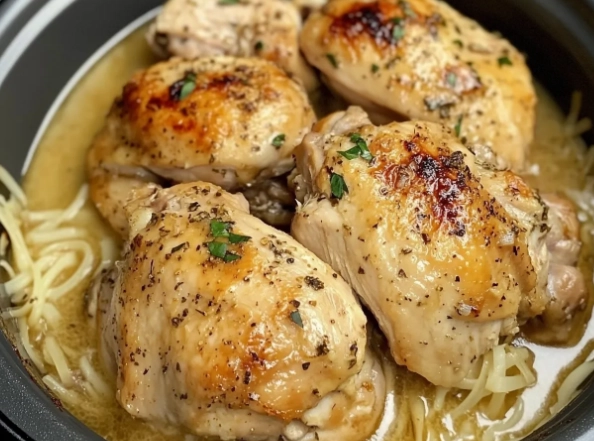
The bottom line? Embrace the dark side. Let go of the idea that chicken breast is the only "healthy" or "proper" cut. The fat in dark meat is what makes it succulent, and much of it renders out anyway. The nutritional difference, especially when you factor in the vastly superior eating experience, is negligible. For a slow cooker, the rich, collagen-packed dark meat cuts are not just better—they're in a league of their own.
Next time you're at the store planning a slow-cooked meal, walk past the packaged breasts and head straight for the thighs or drumsticks. Your future self, sitting down to a deeply flavorful, fall-apart tender meal, will thank you. Trust the process, trust the cut, and let your slow cooker do what it does best: transform humble ingredients into something extraordinary.
Now, go forth and braise with confidence.
Reader Comments