Quick Navigation
You've got those beautiful chunks of beef sirloin or chuck sitting on your cutting board. You're ready to make something amazing—a stew, a braise, something that fills the house with that incredible smell. But then you stop. What do you pour into the pot? Red wine seems fancy, but will it work? Beef broth is safe, but is it the best? What about that bottle of dark beer in the fridge?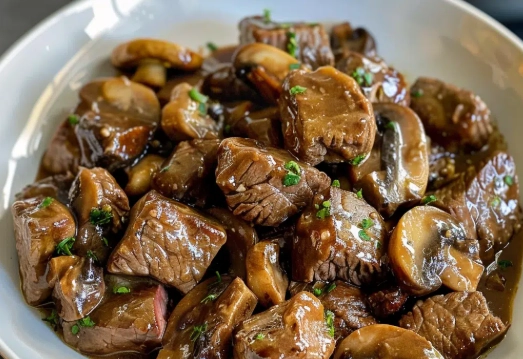
I've been there. I've made my share of tough, dry beef tips and also, thankfully, batches so tender you could cut them with a spoon. The difference almost always came down to the liquid I chose and how I used it. So let's talk it out, like two friends in a kitchen. Let's figure out, once and for all, what liquid is best for beef tips.
The short, annoying answer is: it depends. It depends on the cut, the cooking method, the flavor you're dreaming of, and even how much time you have. But that's not helpful when you're staring at an empty Dutch oven. So here's the real deal—a complete breakdown of every option, why it works (or doesn't), and how to make your next batch of beef tips the best you've ever made.
The Core Mission of Your Cooking Liquid
Before we list options, let's get one thing straight. The liquid you choose isn't just there to prevent burning. It's a multi-tasking superhero.
First, it's a heat conductor. Moist heat (braising, stewing) penetrates meat more gently and evenly than dry heat (roasting, searing). This is crucial for tougher cuts like chuck or round, which have lots of connective tissue that needs to slowly melt into gelatin. That's what gives you that fall-apart texture.
Second, it's a flavor vehicle. Whatever you put in that pot is going to get absorbed by the meat. It's a one-way ticket to tastiness.
And third, it creates your sauce or gravy. The liquid reduces, concentrates, and mingles with the rendered meat juices and browned bits (the fond—don't you dare leave that in the pan!). It becomes the delicious pool your beef tips will swim in.
So when you're asking "what liquid is best for beef tips," you're really asking: what's the best conductor, flavor infuser, and sauce base for my particular dish?
The Top Contenders: A Side-by-Side Breakdown
Alright, let's get into the meat of it (pun intended). Here’s a detailed look at the most common—and some uncommon—choices for your beef tips.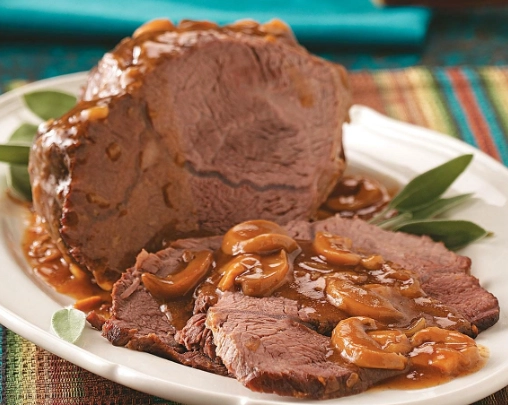
| Liquid | Best For | Flavor Profile | Watch Out For | Tenderness Factor |
|---|---|---|---|---|
| Beef Broth/Stock | The all-rounder. Classic stews, slow cooker recipes, when you want pure beefy flavor. | Savory, meaty, umami-rich. The baseline. | Can be salty (watch your seasoning). Low-quality broth can taste artificial. | High. Provides consistent, gentle moisture. |
| Red Wine (like Cabernet, Merlot) | Coq au Vin-style dishes, rich French stews, when you want depth and acidity. | Complex, fruity, tangy, slightly tannic. Makes a luxurious sauce. | Always cook off the alcohol first (simmer for a few mins). Use wine you'd drink—bad wine makes bad food. | Very High. The acidity helps break down muscle fibers. |
| Dark Beer or Stout | Hearty, pub-style stews. A great match with mushrooms and onions. | Malty, toasty, slightly bitter, with roasted notes. | Can be overly bitter if reduced too much. Don't use light beer. | High. Similar to wine, but with a different flavor punch. |
| Combination (Broth + Wine) | My personal go-to. You get the best of both worlds. | Balanced. The broth rounds out the wine's sharpness. | Getting the ratio right (I like 2:1 broth to wine). | Top Tier. The ultimate tenderizing team. |
| Tomato-Based (Crushed tomatoes, sauce) | American-style "beef tips in gravy," dishes served over noodles or rice. | Sweet, tangy, rich, and familiar. | Can become too acidic. Often needs a pinch of sugar to balance. | Good. The moisture is key, but the acidity also helps. |
| Mushroom or Vegetable Broth | A vegetarian-friendly option (though you're cooking beef in it), or for an earthy flavor. | Earthy, umami, lighter than beef broth. | Can lack body. Might need a boost with soy sauce or tomato paste. | Moderate. Works well, but lacks the collagen of meat-based stocks. |
See? It's not just one thing. If you want a rich, company's-coming-over dish, that red wine and broth combo is hard to beat. For a cozy, simple weeknight meal, a good beef broth might be all you need.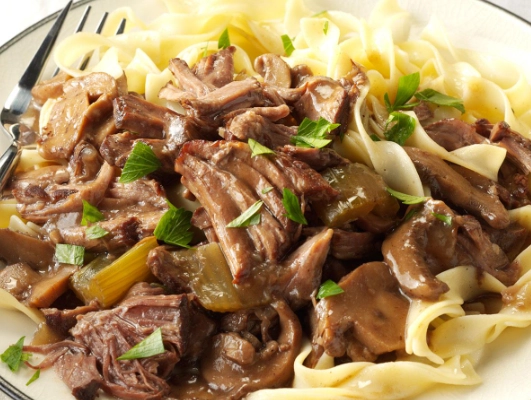
What About... Less Common Choices?
Sometimes you have to get creative. Here are a few wild cards.
Coffee: Sounds weird, right? But think about it—coffee has deep, roasted, bitter notes that pair incredibly well with beef and chocolatey spices like cumin or chili. Use strong, brewed coffee as part of your liquid (mixed with broth). It won't taste like coffee; it'll taste like magic. I tried this in a chili recipe for beef tips, and the depth of flavor was insane.
Dry Sherry or Marsala: These fortified wines are like a secret weapon. A splash added towards the end of cooking, or used to deglaze the pan, adds a nutty, complex sweetness that's different from red wine. It's less about being the main liquid and more about being a powerful finisher.
Just Water (with a HUGE asterisk): I said never again, and I mostly mean it. But if you're using water, you must build flavor elsewhere. Brown the heck out of your meat. Use double the aromatics (onions, garlic, carrots). Add a few tablespoons of tomato paste and cook it until it rusts. Add a soy sauce or Worcestershire sauce for umami. The Serious Eats website has great articles on building flavor in braises from the ground up, which is essential if your liquid starts neutral.
So, What is the Absolute Best Liquid for Beef Tips?
If you're holding a gun to my head and making me choose one answer to "what liquid is best for beef tips," here it is.
The champion, for overall flavor, tenderness, and sauce potential, is a combination of good-quality, low-sodium beef broth and a dry red wine you enjoy drinking.
Why this duo wins:
- The Broth provides the foundational meaty flavor and consistent, collagen-friendly cooking environment.
- The Wine brings acidity that acts as a tenderizer on a chemical level, breaking down tough proteins. It also adds fruity, complex notes that broth alone lacks.
- Together, they create a liquid that's balanced—not too sharp, not too flat. When reduced, it makes a sauce that's both rich and bright.
My standard ratio is 2 cups of broth to 1 cup of wine for a standard 2-3 pound batch of beef tips. You bring it to a simmer for a minute or two after adding the wine to cook off the raw alcohol taste, then add the broth.
But hey, the "best" is what makes the dish you want to eat. If you hate wine, don't use it! A rich dark ale and beef broth is a spectacular second place.
Beyond the Liquid: The Non-Negotiable Steps for Success
Picking the right liquid is maybe 50% of the battle. The other 50% is everything you do before and after you pour it in. Mess these up, and even the best liquid won't save you.
Step 1: The Sear is Sacred
Don't you dare throw raw beef into liquid. Pat your beef tips very dry with paper towels. Season aggressively with salt and pepper. Get your pot screaming hot with a little oil. Sear the meat in batches—don't crowd the pan!—until you get a deep, dark brown crust on all sides. This isn't just for color; it's the Maillard reaction, creating hundreds of new flavor compounds that will dissolve into your liquid later, making the sauce incredible. This is the single most important step for flavor.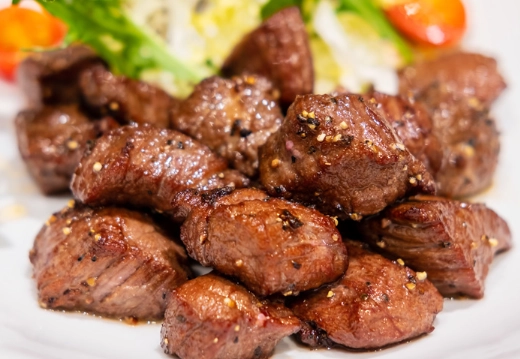
Step 2: The Flavor Base (Soffritto)
After searing the meat, you'll often have browned bits stuck to the pot. That's gold. In that same pot, cook your diced onions, carrots, and celery (a mirepoix) until softened. Add garlic briefly. Then, often, you'll add a tablespoon or two of tomato paste and cook it for a minute until it darkens. This builds a flavor layer cake.
Step 3: Deglaze Properly
This is where your liquid first enters. Pour in about half of your wine (or whatever liquid you're using) while the pot is hot. Use a wooden spoon to scrape up all those browned bits from the bottom. This is called deglazing, and it's how you rescue all that seared flavor and put it into your sauce. Let it simmer and reduce by half before adding the rest of your liquid and the beef back in.
Step 4: Low and Slow is the Law
Once everything is simmering, cover the pot and reduce the heat to the lowest possible setting that maintains a bare simmer. A few lazy bubbles. You can also put it in a 300°F (150°C) oven. The goal is to cook the connective tissue slowly until it transforms into gelatin. This takes time—usually 1.5 to 3 hours, depending on the cut. Rushing with high heat will make the meat tough and dry, no matter what liquid you used.
Step 5: The Finish
When the beef is tender, you might find your sauce is a bit thin. Remove the beef and vegetables, then boil the liquid over medium-high heat to reduce and thicken it to a gravy-like consistency. This also concentrates the flavors. Taste and adjust seasoning—does it need more salt? A dash of acidity (a squeeze of lemon or a splash of vinegar) can make the whole dish pop.
For food safety guidance on cooking temperatures for beef, the USDA Food Safety and Inspection Service is the definitive source, though for braised dishes like this, we're cooking well beyond their minimum recommended temperature to achieve tenderness.
Answering Your Beef Tips Liquid Questions (FAQ)
Can I use water instead of broth?
You can, but I don't recommend it unless you're in a real bind. As I learned the hard way, water adds moisture but zero flavor. Your sauce will be weak, and your beef won't absorb as much taste. If you must, be religious about the sear and load up on umami boosters like soy sauce, mushrooms, and tomato paste.
Is it okay to use cooking wine from the grocery store?
No. Just no. Cooking wine is loaded with salt and preservatives and tastes terrible. It will make your food taste terrible. If you don't want to open a bottle of "drinking" wine, use a little extra broth and a splash of red wine vinegar or balsamic vinegar at the end for acidity.
What if I don't drink alcohol? What's the best non-alcoholic liquid?
Great question. Your best bet is a robust beef broth. To mimic the complexity of wine, try adding a tablespoon of red wine vinegar or balsamic vinegar to the broth. You could also use unsweetened pomegranate juice or cranberry juice in a small amount (like 1/4 cup) mixed with broth—it provides fruitiness and acidity. Grape juice can be too sweet.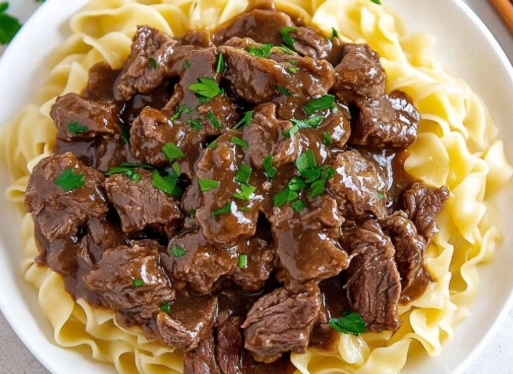
Does the liquid cover the beef completely?
Not usually. For braising, you typically want the liquid to come about 1/2 to 2/3 of the way up the sides of the beef. The beef shouldn't be fully submerged. This allows the part above the liquid to cook with a mix of steam and direct heat, which can improve texture. For a stew, where you want more sauce, you might cover it completely.
Can I use the liquid from last time as a base?
That's the spirit! If you have leftover, defatted cooking liquid from a previous batch, it's a fantastic starter. It's like a custom-built, super-flavorful stock. Just make sure it was stored safely (cooled quickly and refrigerated) and brought to a full boil when you reuse it.
Putting It All Together: A Simple, Foolproof Method
Let's walk through a basic, can't-fail approach using our champion liquid combo.
- Prep: Cut 2.5 lbs of beef chuck into 1.5-inch tips. Pat dry. Season with 1.5 tsp kosher salt and 1 tsp black pepper.
- Sear: Heat 2 tbsp oil in a heavy Dutch oven over medium-high heat. Sear beef in batches until deeply browned. Remove.
- Build Base: In the same pot, add 1 large chopped onion and 2 chopped carrots. Cook 5 mins. Add 3 minced garlic cloves, cook 1 min. Stir in 2 tbsp tomato paste, cook 1 more min.
- Deglaze: Pour in 1 cup dry red wine (like Merlot). Scrape the bottom. Simmer 3-4 mins until reduced by half.
- Braise: Add 2 cups low-sodium beef broth, 2 bay leaves, and a few sprigs of fresh thyme. Return beef and any juices to the pot. Liquid should come about halfway up the beef. Bring to a bare simmer.
- Cook: Cover tightly and transfer to a preheated 300°F (150°C) oven. Cook for 2 to 2.5 hours, until beef is fork-tender.
- Finish: Remove beef. Skim excess fat from the sauce. If sauce is thin, simmer on the stove to reduce. Taste—add salt, pepper, or a splash of vinegar if needed. Return beef to sauce to warm through.
Serve over mashed potatoes, egg noodles, or polenta. That's it. That's the magic.
The Final Takeaway
When you're wondering what liquid is best for beef tips, remember this: the goal is a partnership between moisture, flavor, and tenderness. A mix of beef broth and red wine is your top-tier choice for a reason—it delivers on all three perfectly. But the "best" liquid is ultimately the one that suits your taste and the dish you're making. Whether it's a stout for a hearty stew or a rich broth for a classic, the principles are the same: sear hard, build flavor in layers, and cook with patience. Do that, and your beef tips will be legendary, no matter what's in your cup.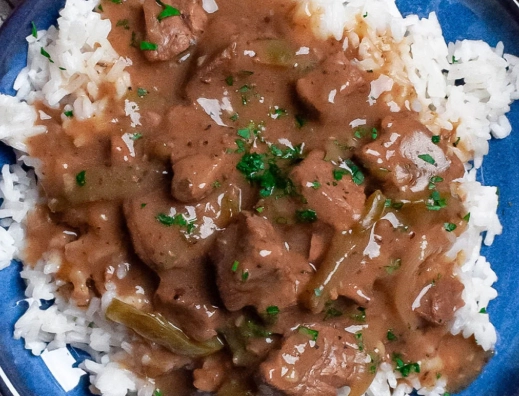
Now go raid your pantry. You've probably got something perfect in there already.
Reader Comments