I ruined my first slow cooker pasta. It was a gloopy, overcooked mess that tasted like regret. The promise of "dump and go" felt like a lie. But after a decade of testing (and more failures than I'd like to admit), I cracked the code. Easy one pot pasta in a slow cooker isn't just possible; it's a game-changer for busy weeknights. The trick isn't in the ingredients list—it's in understanding how your slow cooker works with pasta, which is very different from how you use it for a stew.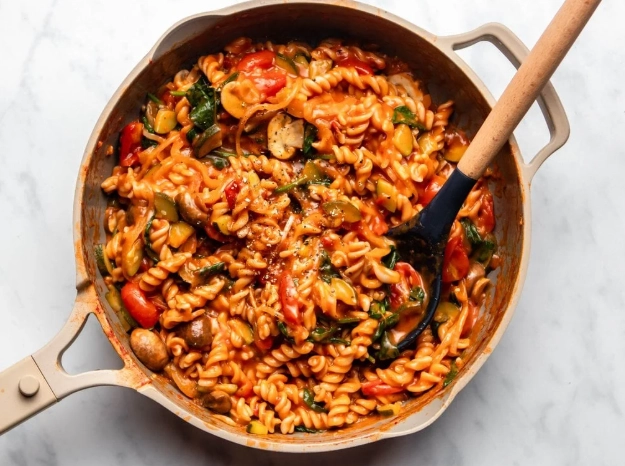
What's Inside This Guide?
How Slow Cooker Pasta Actually Works (The Non-Obvious Part)
Most people think a slow cooker just gently simmers everything for hours. For meat, that's true. For pasta, it's a precise hydration race. The goal is to have the pasta absorb just enough liquid to become al dente as the liquid reduces to a sauce. If there's too much liquid, the pasta keeps absorbing and turns to mush. Too little, and you get undercooked noodles in a dry pot.
The biggest misconception? You can't treat all pasta shapes the same. Small shapes like elbows or ditalini cook faster and absorb liquid differently than long strands like spaghetti or fettuccine. I almost never recommend long pasta for a true "dump and start" method unless you're using a specific technique.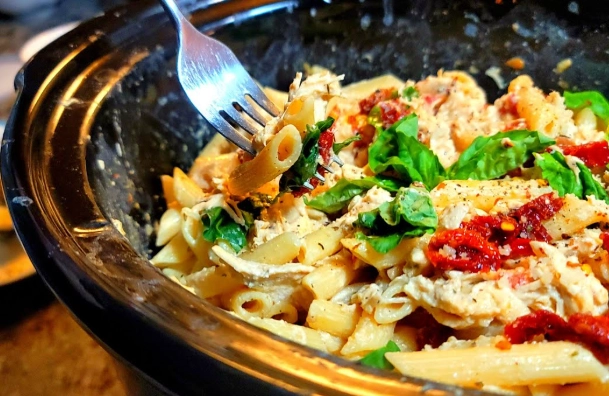
3 Essential Rules You Can't Skip
Break these, and you're back to my first mushy disaster.
1. Choose Your Pasta Shape Wisely
Sturdy, short shapes are your best friends. They hold up to longer cooking and distribute better. Here’s my personal ranking:
- Champions: Penne, rigatoni, fusilli, farfalle (bow ties). Their ridges and holes trap sauce beautifully.
- Good Contenders: Ziti, medium shells, rotini.
- Proceed with Caution: Spaghetti, linguine, fettuccine. These often require a "layering" technique (pasta broken in half, placed on top of other ingredients) or added in the last hour.
- Avoid for Dump Dinners: Tiny pastas like orzo or acini di pepe. They disappear into gluey starchiness.
2. Layer, Don't Just Dump
This is the "secret" most basic recipes gloss over. You want the harder, denser ingredients at the bottom where the heat is most intense. The standard order goes: Aromatics (onions, garlic) and raw meat at the very bottom, then harder veggies, then your pasta, then the liquid. The liquid should just barely cover the pasta. If the pasta is peeking out, it's okay—the steam will cook it.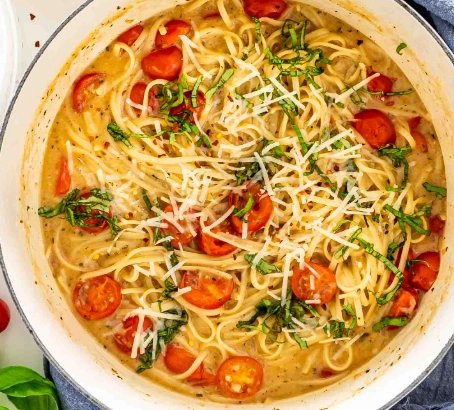
3. Dairy Always Goes Last
This is non-negotiable. Sour cream, cream cheese, heavy cream, shredded cheese—if you add these at the beginning, they will curdle, separate, and create a grainy, oily sauce. Stir them in during the last 15-30 minutes of cooking, just until melted and incorporated.
Two Foolproof Recipes to Start With
Let's apply the rules. These are my most requested recipes because they work every single time.
Creamy Chicken Alfredo One Pot Pasta
My Notes: This tastes decadent but uses simple ingredients. Using boneless, skinless chicken thighs is key—they won't dry out. I prefer fettuccine broken in half for this one, layered carefully.
- 1.5 lbs boneless, skinless chicken thighs, cut into 1-inch pieces
- 1 small onion, diced
- 4 cloves garlic, minced
- 12 oz fettuccine, broken in half
- 4 cups chicken broth (low sodium)
- 1 tsp dried Italian seasoning
- 1 cup heavy cream
- 1 cup freshly grated Parmesan cheese
- Salt and black pepper
How to: Place chicken, onion, and garlic in the slow cooker. Break the fettuccine and lay it on top as evenly as possible. Pour broth over everything—it won't fully submerge the pasta. Sprinkle with Italian seasoning, salt, and pepper. Cook on LOW for 3 hours. Stir gently. Add cream and Parmesan, stir again. Cook on LOW for another 20-30 minutes until sauce is thickened. Let it sit for 10 minutes off heat before serving—it thickens more.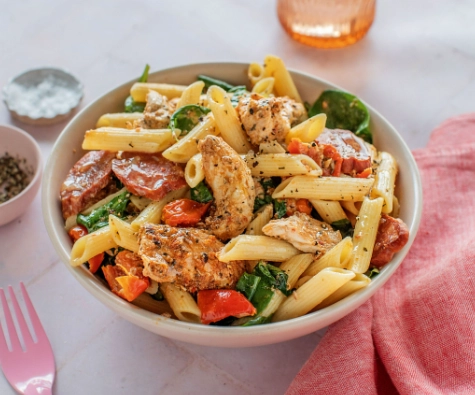
Hearty Vegetable Marinara One Pot Pasta
My Notes: A perfect vegetarian dump dinner. The zucchini releases water, so we use less broth. I love using penne here.
- 1 bell pepper, chopped
- 1 medium zucchini, diced
- 8 oz mushrooms, sliced
- 1 (24-oz) jar of your favorite marinara sauce
- 2.5 cups vegetable broth
- 12 oz penne pasta (whole wheat works great)
- 1 cup shredded mozzarella (for the end)
How to: Dump all the veggies into the pot. Add the dry penne. Pour the marinara and broth over everything. Stir once to combine. Cook on LOW for 2.5 to 3 hours. Check at 2.5 hours—the pasta should be al dente. Turn off the heat, stir in the mozzarella, and let it melt for 5 minutes. The residual heat is enough.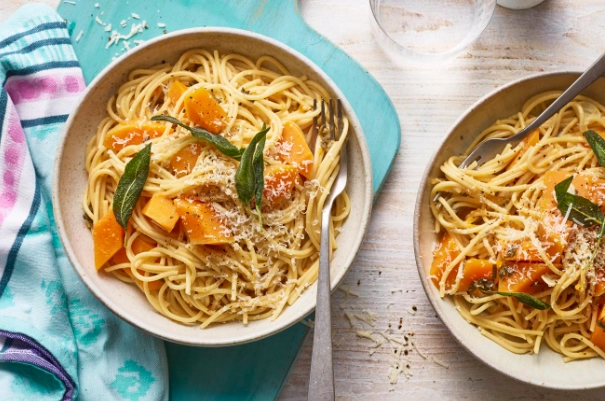
Common Mistakes That Lead to Mush
And the big one I see everywhere: over-stirring. You stir at the beginning to combine, and maybe once halfway if you're around. Constant stirring breaks the pasta and releases too much starch too early, making the whole pot gluey. Trust the process.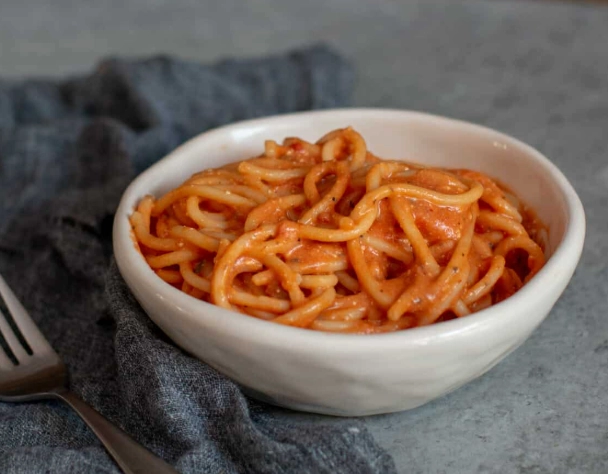
Advanced Tips for Next-Level Flavor
Once you've mastered the basics, these small tweaks make a huge difference.
- Bloom Your Spices: Before adding anything else, toss your dried spices (oregano, red pepper flakes) with a tiny bit of oil in the bottom of the slow cooker. Turn it on HIGH for 10 minutes with the lid off. It toasts them slightly, unlocking deeper flavor.
- The Parmesan Rind: Got an old rind of Parmesan in your fridge? Toss it in with the broth. It dissolves slowly, adding an incredible umami, savory backbone to any tomato or cream-based sauce.
- Finish with Freshness: A slow cooker can mute bright flavors. Always finish your pasta with a handful of fresh chopped basil, parsley, a squeeze of lemon juice, or a drizzle of good olive oil right before serving. It wakes the whole dish up.
Think about your slow cooker as a flavor infuser, not just a cooker. Letting garlic, onions, and herbs stew in the liquid for hours before the pasta goes in (for some recipes) creates a more complex base. The website America's Test Kitchen has done great work on the science of slow cooker layering, and their principles apply perfectly here.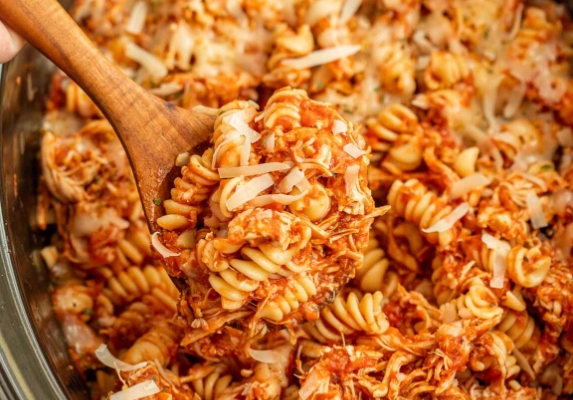
Reader Comments