After a decade of tweaking recipes, I’ve landed on a slow cooker chicken soup that actually tastes like something. No watery broth, no rubbery chicken—just comfort in a bowl. Let’s cut to the chase: this recipe works because it fixes the tiny mistakes most home cooks make.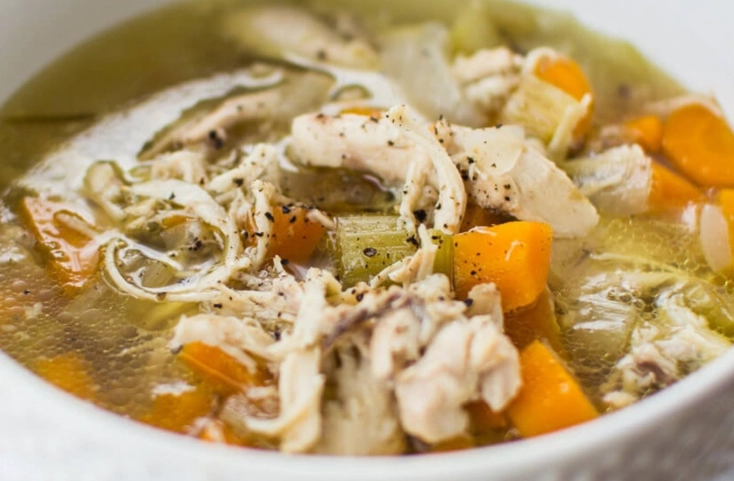
What You'll Find Inside
Why This Recipe Beats All Others
Most slow cooker chicken soup recipes online are bland. They tell you to dump everything in and hope for the best. I used to do that too, until I realized why my soup tasted like dishwater. The secret isn’t fancy ingredients—it’s technique. For instance, sautéing vegetables first might sound like extra work, but it adds a depth of flavor that slow cooking alone can’t achieve. A study from the Culinary Institute of America highlights how caramelization enhances soup bases, yet many recipes skip this step.
Here’s a personal story: Last winter, I served this soup to friends who claimed they hated chicken soup. They asked for seconds. The difference? Using chicken thighs instead of breasts. Thighs have more fat and collagen, which breaks down into a silky broth. Breasts tend to dry out, leaving you with stringy meat. It’s a small swap with huge results.
Ingredients: The Good Stuff
You don’t need anything exotic. But quality matters. Here’s what I use, with alternatives if you’re in a pinch.
| Ingredient | Why It’s Important | Substitutes |
|---|---|---|
| Chicken thighs (bone-in, skin-on) | Adds richness and prevents dryness | Chicken breasts (but reduce cooking time) |
| Onions, carrots, celery | Classic mirepoix for base flavor | Leeks or parsnips for variation |
| Garlic and fresh thyme | Enhances aroma without overpowering | Dried thyme (use half the amount) |
| Low-sodium chicken broth | Controls saltiness; better than water alone | Homestock if you have it |
| Bay leaves | Subtle earthy notes | Skip if unavailable, but it’s worth it |
I always buy organic chicken when possible. The USDA notes that organic poultry often has higher nutrient density, though it’s pricier. If budget’s tight, conventional works—just pat it dry before cooking to avoid excess moisture.
For herbs, fresh is best. But I’ve used dried in a pinch; just add them early so they rehydrate. Avoid pre-chopped garlic from a jar—it tastes metallic after slow cooking.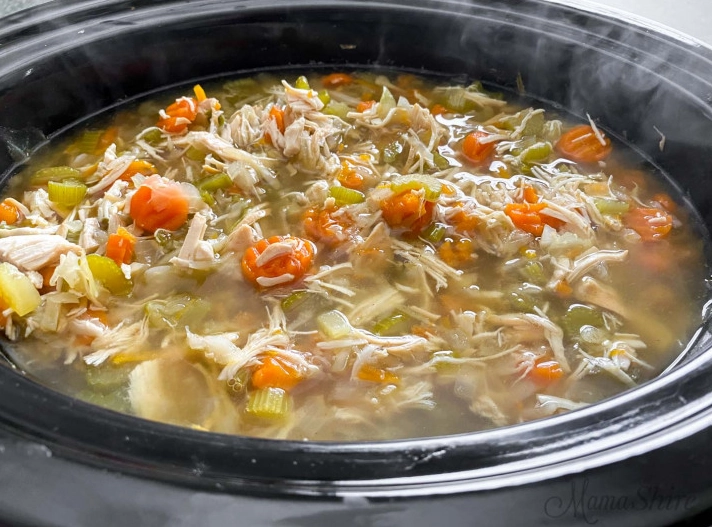
Step-by-Step Cooking Guide
This isn’t rocket science, but follow these steps closely. They’re based on trial and error.
Prep Work (15 minutes)
Chop your veggies roughly. Don’t dice them too small—they’ll turn to mush. I like 1-inch chunks for carrots and celery. Slice the onions thick. Pat the chicken dry with paper towels. This helps with browning if you choose to sear it (optional, but recommended).
Sautéing the Vegetables
Heat a skillet over medium heat with a tablespoon of olive oil. Add onions, carrots, and celery. Cook for 5-7 minutes until they start to soften and brown a bit. This step is non-negotiable for flavor. Dump them into your slow cooker.
Layering in the Slow Cooker
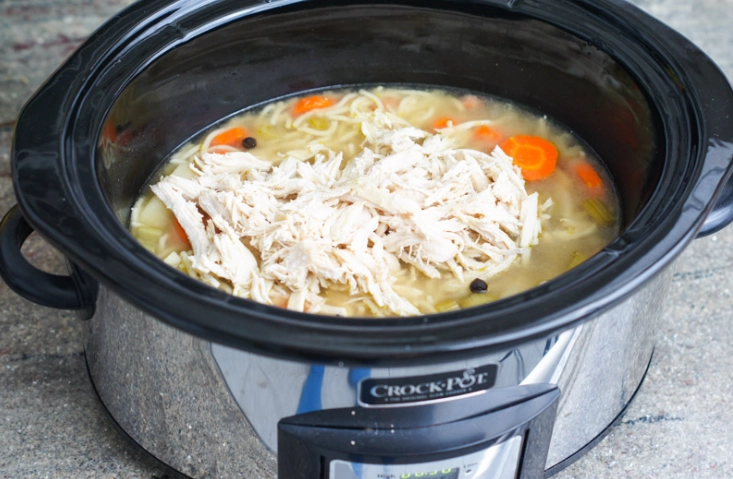
Place the chicken thighs on top of the veggies. Add minced garlic, thyme, bay leaves, and pour in 4 cups of low-sodium chicken broth. Don’t add salt yet—wait until the end. Cover and set to low for 6-8 hours or high for 3-4 hours.
Here’s a timing scenario: If you start at 9 AM on low, soup’s ready by 3 PM. Perfect for dinner. I’ve left it on low for 9 hours accidentally, and it was fine, but the chicken started to fall apart too much.
Finishing Touches
Once cooked, remove the chicken and shred it with two forks. Discard bones and skin if you prefer. Return the meat to the pot. Season with salt and pepper to taste. I add a squeeze of lemon juice sometimes—brightens everything up.
If the broth seems thin, mix a tablespoon of cornstarch with two tablespoons of cold water, stir it in, and cook on high for 15 minutes to thicken.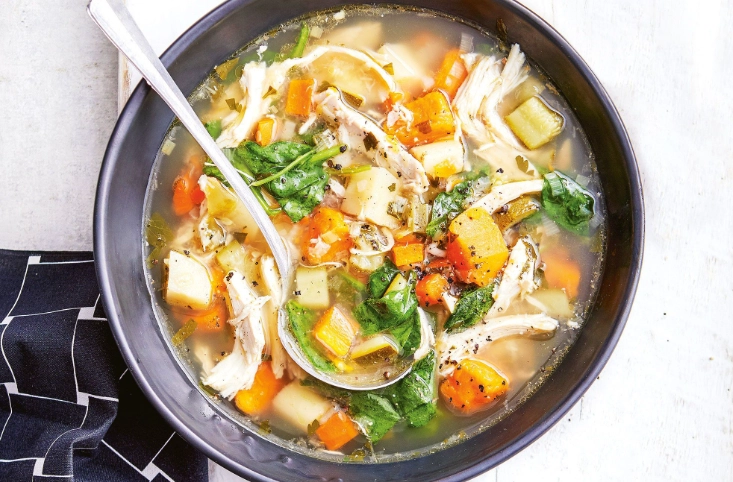
Common Pitfalls to Avoid
I’ve messed up enough to know what not to do.
- Overcooking the chicken: It turns tough and dry. Use a meat thermometer; 165°F internal temperature is ideal. Pull it out sooner if you’re on high heat.
- Adding pasta or rice too early: They absorb all the liquid and become mushy. Cook them separately and add when serving.
- Skimping on seasoning: Slow cooking mutes flavors. Taste at the end and adjust with salt, pepper, or a dash of soy sauce for umami.
- Using only water: Broth is key. If you must use water, add a bouillon cube, but watch the salt.
A friend once told me her soup tasted bland. Turns out she used boneless, skinless breasts and cooked them for 10 hours. No wonder. Chicken thighs save the day.
FAQs from a Soup Veteran
 This soup has gotten me through busy weeks and cold nights. It’s forgiving, but pay attention to the details. Give it a try, and tweak it to your taste. Let me know how it goes—I love hearing your twists.
Reader Comments