What’s Inside
Let's be honest. The idea of crockpot mac and cheese sounds almost too good to be true. Dump ingredients in, walk away for hours, and come back to a pot of creamy, cheesy perfection? It promises to be the ultimate hands-off comfort food for busy weeknights, potlucks, or feeding a hungry crowd. But if you've ever tried a random recipe online, you might have ended up with something... less than perfect. Grainy sauce. Pasta mush. A greasy, separated mess that makes you want to order pizza instead.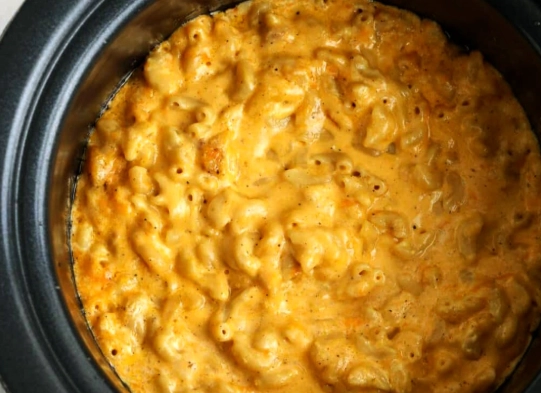
I've been there. My first attempt at slow cooker mac and cheese was a disaster. The cheese seized up into little rubbery balls. The pasta turned into a flavorless paste. It was so bad, my kids asked if we could have cereal for dinner instead. That failure sent me down a rabbit hole. I tested batches for months, tweaking everything from the type of pasta to the order I added the cheese. I talked to friends, read old community cookbooks, and even learned a bit of food science to figure it out.
What I discovered is that a truly great crockpot mac and cheese isn't just about throwing cheese and noodles together. There are a few non-negotiable rules and some brilliant little hacks that make all the difference. This guide is everything I wish I'd known. We're going to move beyond the basic "dump and go" recipes that often fail and build a foundational understanding of how to make this dish work in a slow cooker. We'll cover the why behind every step, so you can adapt and create your own signature version.
Ready to make the best, creamiest, most reliable slow cooker mac and cheese of your life? Let's get into it.
Why Even Bother with a Crockpot for Mac and Cheese?
If stovetop mac and cheese is so fast, why bother with the slow cooker? It's a fair question. For me, it comes down to three big things: convenience, texture, and socializing.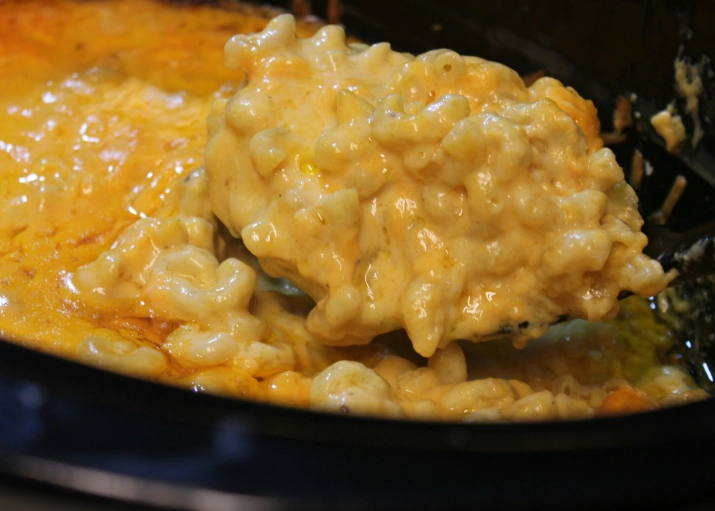
The convenience is obvious. Once you get it going, you don't need to babysit a pot, stir constantly to prevent scorching, or multitask while making the rest of your meal. It frees you up. But the texture argument is more interesting. A slow cooker provides gentle, even, low heat. When done right, this allows the cheese to melt slowly and evenly into the sauce, encouraging a smoother emulsion than the sometimes frantic melting on a stovetop. It's a more forgiving environment.
And then there's the social aspect. A crockpot of mac and cheese is a centerpiece. It stays warm and perfectly creamy for hours on the "keep warm" setting. For game day, holidays, or a big family dinner, it means everyone can eat when they're ready, and the cook isn't stuck in the kitchen while everyone else is having fun. That alone is worth its weight in gold cheddar.
The Foundation: Choosing Your Weapons (Ingredients)
You can't build a great house with weak bricks. The quality and type of your ingredients directly determine the fate of your crockpot mac and cheese. Let's break them down.
The Pasta: It's Not Just a Vehicle
This is where many recipes go wrong first. You need a pasta that can hold its structure against hours of low, moist heat. Delicate shapes like angel hair or thin spaghetti will turn to complete mush.
Top Picks for Slow Cooker Success:
- Elbow Macaroni: The classic for a reason. Its short, tubular shape holds sauce beautifully and stands up well. Just don't overcook it initially.
- Cavatappi or Cellentani: My personal favorite. Those corkscrew grooves trap an insane amount of cheese sauce in every bite. They have great structural integrity.
- Penne or Rigatoni: Excellent choices. Their thick walls and large tubes are built to last.
Pasta to Avoid: Any "quick-cook" or "thin" pasta. Also, avoid using whole wheat pasta if you're not familiar with how it behaves; it can sometimes absorb liquid differently and become gritty.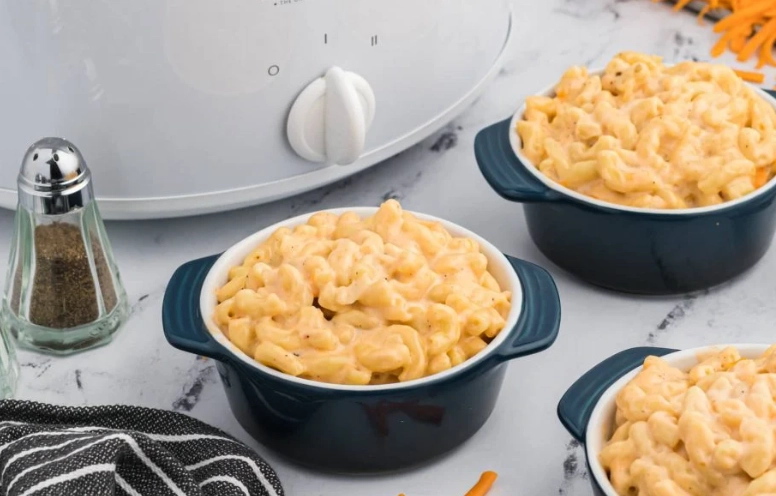
The Cheese: The Star of the Show
This is the heart of the dish. The golden rule? Never use pre-shredded cheese. I know it's convenient, but those bags contain anti-caking agents (like cellulose) that prevent the shreds from clumping in the bag. In your sauce, those agents prevent the cheese from melting smoothly, leading to a grainy, sometimes gluey texture. Trust me, the five minutes it takes to grate your own cheese is the single biggest upgrade you can make.
You need a blend. One cheese for meltability and creaminess, and one (or two) for big, bold flavor. Here's my go-to breakdown:
| Cheese Type | Role in the Sauce | Best Examples | Flavor Profile |
|---|---|---|---|
| The Melter (The Base) | Provides creamy, smooth melt and sauce body. | Medium or Sharp Cheddar, Gouda, Monterey Jack, Fontina, American* | Buttery, creamy, mild to sharp. |
| The Flavor Bomb | Adds distinctive, punchy flavor. | Extra Sharp Cheddar, Gruyère, Smoked Gouda, Pepper Jack, Parmesan (aged) | Nutty, sharp, smoky, spicy, salty. |
| The Secret Weapon | Boosts creaminess and stabilizes the sauce. | Cream Cheese, Velveeta or American Cheese* | Ultra-creamy, tangy (cream cheese), neutral. |
*A note on American cheese or Velveeta:
I can hear the purists groaning. Look, I get it. But from a purely functional standpoint, these processed cheeses contain sodium citrate or other emulsifying salts. These are incredible at keeping a cheese sauce smooth and preventing separation, especially in the challenging environment of a slow cooker. Using just a small amount (4-6 ounces) mixed in with your "real" cheese can be the insurance policy that guarantees a silky sauce every single time. No shame in the game. The Wisconsin Cheese Association even acknowledges the science behind different cheese melts.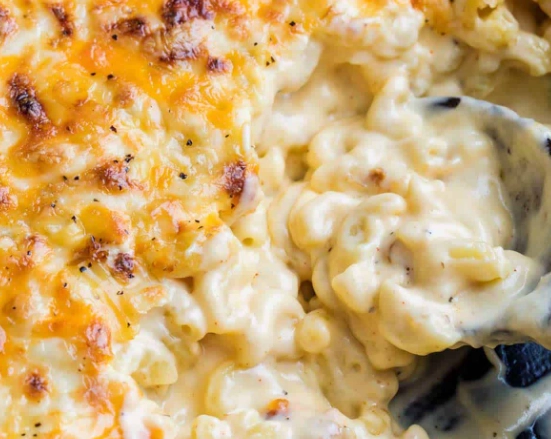
The Liquid & Creaminess Agents
You can't just use water. The liquid needs fat and flavor. The classic choice is whole milk or, even better, a combination of milk and evaporated milk. Evaporated milk is a game-changer because it's concentrated and has already been heated, which makes it less prone to curdling. Heavy cream adds incredible richness but can make the dish very heavy. For my base, I swear by a 50/50 mix of whole milk and evaporated milk.
You also need a thickener. A roux (butter and flour cooked together) is the gold standard. It gives the sauce body and helps suspend the fat from the cheese, preventing a greasy pool on top. Some recipes use eggs, but I find them tricky in a slow cooker—too easy to accidentally scramble.
The Step-by-Step, No-Fail Method
Alright, let's put it all together. This is my master method, honed over many, many pots.
Step 1: The Pasta Par-Cook
Bring a large pot of well-salted water to a boil. Add your chosen pasta (I use 16oz/1lb for a standard 6-quart crockpot). Cook it for 2-3 minutes less than the shortest cooking time on the package. It should be quite firm in the center. Drain it immediately and rinse it briefly under cool water to stop the cooking. This feels wrong, but it's right. Toss it with a tiny bit of oil to prevent sticking if you're not proceeding immediately.
Step 2: Build the Base in the Crockpot
In your slow cooker insert, combine your liquids and seasonings. For my standard batch: 2 cups whole milk, 1 (12 oz) can evaporated milk, 1/2 cup (1 stick) of melted unsalted butter, 1 teaspoon dry mustard, 1/2 teaspoon garlic powder, 1/2 teaspoon onion powder, 1/4 teaspoon smoked paprika (trust me), and a big pinch of cayenne if you like a tiny kick. Whisk it all together until smooth.
Step 3: The Layering is Key
Here’s the secret trick for perfect crockpot mac and cheese. Add your undercooked pasta to the liquid mixture in the crockpot and stir to coat. Now, take about two-thirds of your freshly grated cheese blend (let's say you have 6 cups total, use 4 cups here) and sprinkle it evenly over the pasta. DO NOT STIR.
Let the cheese sit on top. This is crucial. As the slow cooker heats up, the cheese will melt slowly and evenly down through the pasta, creating a gradual, smooth integration. If you stir it all in at the beginning, the cheese can clump or sink to the bottom and potentially scorch.
Step 4: The Slow Cook
Cover and cook on LOW for 1.5 to 2.5 hours. I cannot stress this enough: DO NOT use the HIGH setting. High heat will almost guarantee broken, grainy sauce and overcooked pasta. Low and slow is the only way for a proper crockpot mac and cheese.
Start checking at the 1.5-hour mark. The pasta should be tender, and most of the cheese on top should be melted. Give it one gentle, thorough stir at this point. It will look a bit loose and saucy. That's perfect.
Step 5: The Finish
Once stirred and creamy, sprinkle the remaining grated cheese over the top. Cover again and let it cook on LOW for another 15-20 minutes, just to melt that fresh cheese on top. This gives you those irresistible, gooey cheese pulls. Serve immediately.
The goal isn't to cook the dish completely in the crockpot from raw ingredients. The goal is to use the crockpot's gentle heat to finish cooking the pasta and perfectly meld the cheese into a sauce, all while keeping it warm for serving.
Answering Your Burning Questions (FAQ)
I've gotten a ton of questions from friends and family over the years. Here are the ones that come up constantly.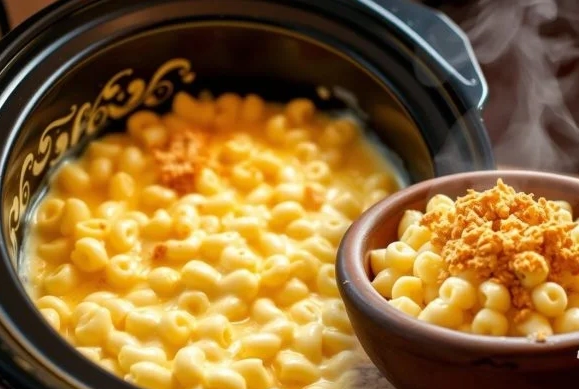
Can I make crockpot mac and cheese without evaporated milk?
You can, but you'll need to adjust. Replace the evaporated milk with an equal amount of whole milk or half-and-half. The sauce might be slightly less rich and a tad more prone to separation, so consider adding that "secret weapon" cheese (cream cheese or a slice of American) for stability.
Why did my cheese sauce turn out grainy?
This is the #1 problem. Three likely culprits: 1) You used pre-shredded cheese (the anti-caking agents). 2) The heat was too high (always use LOW). 3) You added cold cheese to a very hot liquid too quickly, causing the proteins to seize. Grating your own cheese and using the low-and-slow, layered method outlined above solves 99% of graininess issues.
Can I prepare crockpot mac and cheese ahead of time?
Yes, but with a specific method. Par-cook your pasta, rinse it, and toss it with a tiny bit of oil. Store it separately. Mix your liquid ingredients and store them separately. Grate your cheese. The morning of, combine the pasta and liquid in the crock, layer the cheese on top as directed, and cook. Don't let the uncooked pasta sit in the liquid overnight—it will absorb it all and become bloated and gross.
How do I store and reheat leftovers?
Leftover crockpot mac and cheese will thicken up a lot in the fridge. The best way to reheat it is slowly on the stovetop with a splash of milk or cream, stirring frequently. The microwave works in a pinch, but stir it every 30 seconds and add liquid. It will never be quite as creamy as fresh, but it's still tasty. For food safety guidance on reheating dairy-based dishes, the USDA's leftover safety page is a good resource.
Can I add meat or vegetables?
Absolutely! Cooked, crumbled bacon or diced ham stirred in at the end is fantastic. For veggies, try stirring in thawed frozen peas, chopped steamed broccoli, or sautéed spinach at the end of cooking. Just make sure any add-ins are cooked and well-drained so they don't water down your perfect sauce.
Leveling Up: Flavor Variations to Try
Once you've mastered the basic creamy crockpot mac and cheese, the world is your oyster (or, more fittingly, your cheese board).
The Gourmet: Use a blend of Gruyère, Fontina, and a touch of Parmesan. Stir in a cup of caramelized onions during the final stir. Unreal.
The Smoky BBQ: Use a smoked cheddar or Gouda as your main melter. After stirring at the end, fold in 1 cup of shredded pulled pork and a few tablespoons of your favorite BBQ sauce. Top with crispy fried onions.
The Everything Buffalo: Use a Monterey Jack and sharp cheddar base. At the end, stir in 1/2 to 2/3 cup of Frank's RedHot sauce and 2 cups of shredded cooked chicken. Top with crumbled blue cheese and sliced green onions.
The beauty of this method is that the foundation is solid. You can build almost any flavor profile on top of it without fear of a broken sauce.
The Final Stir
Making exceptional crockpot mac and cheese isn't about finding a magic one-line recipe. It's about understanding a few simple principles: undercook the pasta, grate your cheese, use low heat, and layer patiently. It's a method that rewards a little forethought with incredible, stress-free results.
It took me a lot of mediocre (and one truly inedible) batches to figure this out. But now, my slow cooker mac and cheese is the dish I'm asked to bring to every gathering. It’s the one my kids request for their birthdays. It feels like a cheat code for being a kitchen hero with minimal active effort.
So grab your crockpot, block of cheese, and grater. Skip the bagged stuff. Embrace the low setting. Give the layered method a shot. I promise, the result—a pot of luxuriously creamy, deeply flavorful, perfectly textured mac and cheese that you barely had to tend to—is absolutely worth it.
Reader Comments