Let's get straight to the point. The idea of putting a beautiful, marbled rib eye steak into a slow cooker might feel wrong, even a little blasphemous to steak purists. I get it. I was skeptical too, for years. Why would you take a cut meant for high, fast heat and subject it to low and slow braising? The answer, I discovered through stubborn experimentation (and a few less-than-perfect results), is profound: it creates a texture you simply cannot achieve with any other cooking method. We're talking about rib eye that's not just tender, but spoon-tender, with its rich fat fully rendered and its beefy flavor concentrated into a luxurious, pull-apart experience. Forget everything you think you know about steak. This is a different beast entirely, and it's a game-changer for easy, foolproof, and deeply satisfying meals.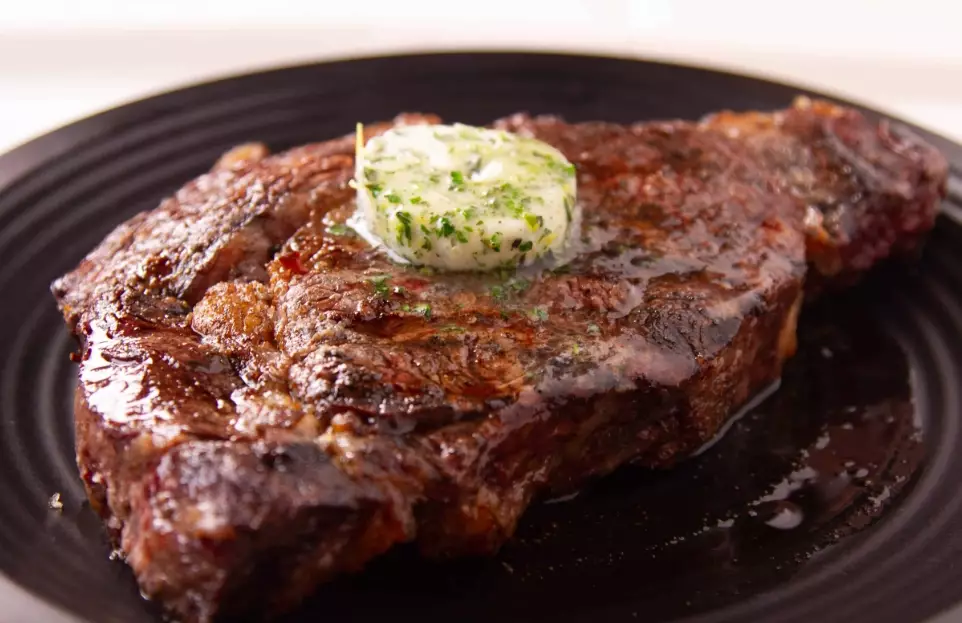
What's Inside This Guide?
Why Rib Eye in a Slow Cooker Works (The Science)
Rib eye is prized for its intramuscular fat—those gorgeous white streaks of marbling. On a grill or skillet, that fat melts quickly, basting the meat from within for a juicy, flavorful bite. In a slow cooker, the process is slower and more complete. The low heat (typically between 170°F and 200°F on the LOW setting) gently breaks down the tough collagen and connective tissue within the muscle fibers and around the fat pockets. This process, called hydrolysis, turns that collagen into gelatin. The result? The meat fibers, which are already well-lubricated by the marbling, literally separate with little to no effort. The fat itself becomes silky and integrated into the meat, rather than just a pocket of juice.
The key distinction most recipes miss is that you're not "slow cooking a steak" in the traditional sense. You're braising a roast. Even if you start with a 2-inch thick steak, you're treating it with the same principles as a chuck roast or brisket. This mental shift is crucial. You're aiming for an internal temperature well beyond medium-rare, into the realm of 200°F+ for that fall-apart texture. This method forgives overcooking in a way a grilled steak never could.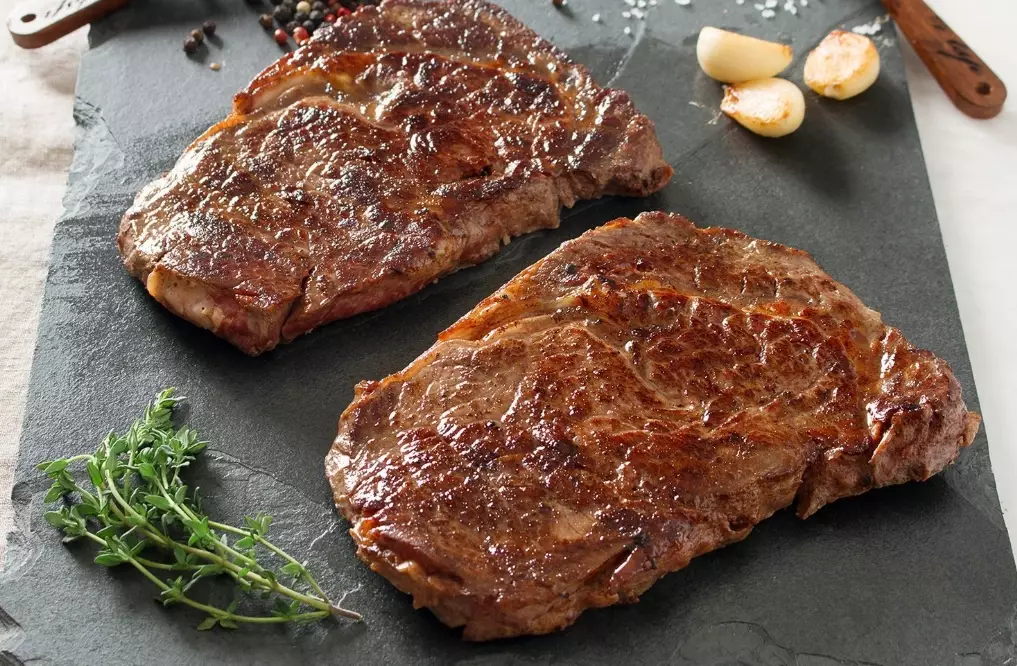
Pro Insight: The biggest mistake beginners make is under-searing. A weak sear won't create enough fond (the browned bits at the bottom of the pan), which is the foundation of your sauce's flavor. Don't be shy with the heat when you sear. Get that pan smoking hot.
Choosing Your Rib Eye: The Supermarket Run
You have options here, and your choice will slightly alter the final dish.
- Bone-In Ribeye Steak (1.5-2 inches thick): My personal favorite for this method. The bone adds an immense depth of flavor to the cooking liquid. Look for one with a thick cap of fat. Expect to pay $18-$25 per pound at a good butcher.
- Boneless Ribeye Steak (1.5-2 inches thick): More common and easier to find. The lack of bone means slightly less flavor in the braise, but it's easier to sear evenly. A solid choice. Price: $15-$22/lb.
- Rib Eye Roast (aka Prime Rib): This is the whole deal, a 3-5 lb section of the rib primal. Using a slow cooker for a small roast (3-4 lbs) is fantastic for a family dinner. It's a more economical price per pound ($12-$18/lb) and yields incredible leftovers.
Don't stress about USDA Prime unless it's within budget. A well-marbled Choice grade rib eye works beautifully here. The long cook time compensates for slightly less marbling.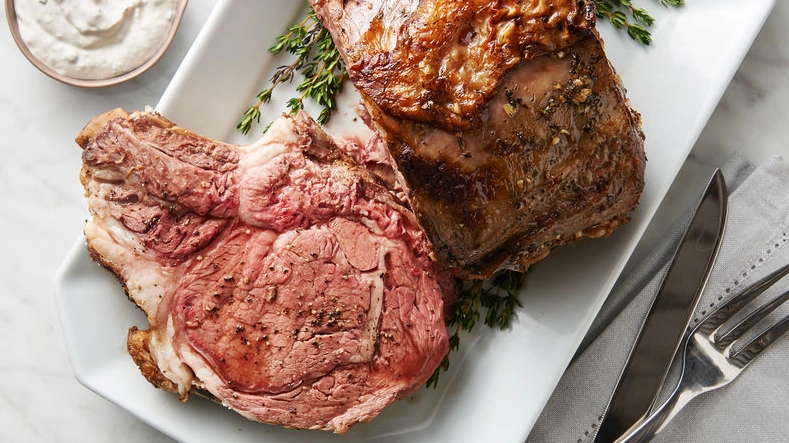
Step-by-Step Cooking Guide
This isn't just "dump and go." A few minutes of active prep make all the difference.
1. The Essential Sear (Don't Skip This)
Pat your rib eye extremely dry with paper towels. Season liberally with kosher salt and coarse black pepper. Heat a heavy skillet (cast iron is king) over high heat until it's visibly hot. Add a high-smoke-point oil like avocado or grapeseed oil. Place the steak in the pan and leave it alone. You want a deep, dark brown crust—this should take 3-4 minutes per side. Don't forget to sear the edges if it's a thick cut. This step isn't for cooking the interior; it's for flavor.
2. Building the Flavor Base
While the steak rests, lower the heat. Add a diced onion, a few smashed garlic cloves, and maybe some sliced mushrooms to the same skillet. Scrape up all those beautiful browned bits. Cook until softened, about 5 minutes. Deglaze with a splash of red wine, beef broth, or even just water, scraping the pan clean. This entire mixture goes into the bottom of your crock pot.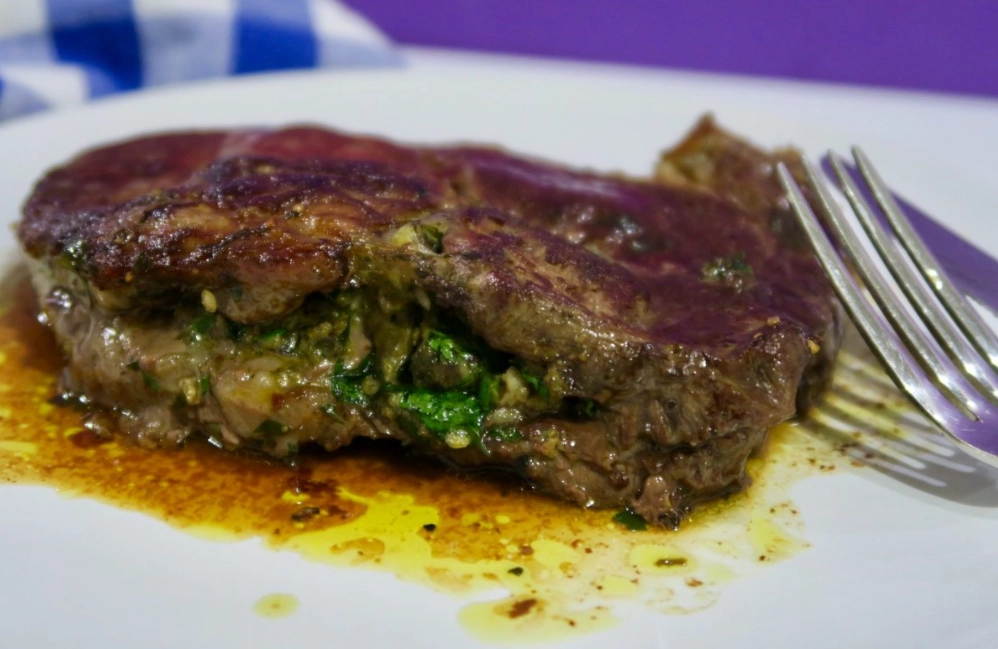
3. The Slow Cook
Place the seared rib eye on top of the vegetables in the slow cooker. Add enough beef broth (low-sodium is best) to come about one-third to halfway up the side of the steak. You're not submerging it. Add a few sprigs of fresh thyme or rosemary. Cover and set it to LOW. This is where patience pays.
Crock Pot Time & Temperature Cheat Sheet
Forget fixed times. Go by weight and feel. Use a meat thermometer to be sure.
| Cut & Weight | Slow Cooker Setting | Approximate Time | Target Internal Temp & Texture |
|---|---|---|---|
| Single Steak (1.5-2 lb) | LOW | 6-7 hours | 200°F+ (Pull-apart tender) |
| Small Roast (3-4 lb) | LOW | 8-9 hours | 200°F+ (Pull-apart tender) |
| Single Steak (1.5-2 lb) | HIGH | 3-4 hours | 200°F+ (Can be slightly less tender) |
The meat is done when a fork inserted into the center twists easily and the meat begins to separate along the grain. If it still offers resistance, give it another 30-60 minutes on LOW.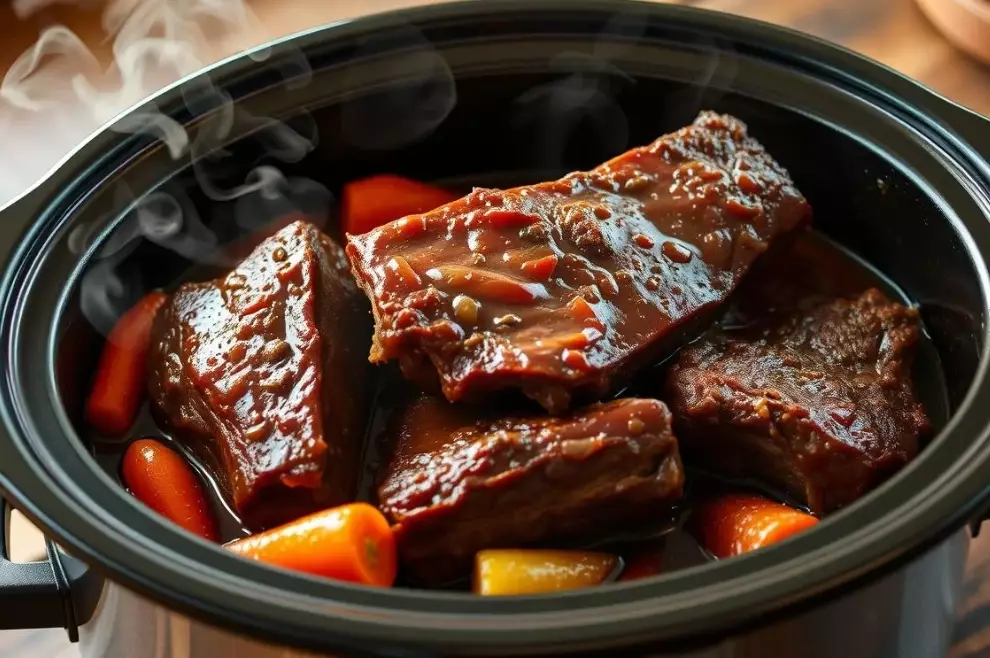
Avoid This: Cooking on HIGH for a long time often leads to a drier, stringier texture because the muscle fibers contract too aggressively before the collagen has fully broken down. LOW and slow is the mantra for a reason.
The Magic is in the Sauce (or Gravy)
This is the non-consensus gold. The liquid in your crock pot after cooking is liquid gold—a rich, beefy, aromatic broth infused with rendered fat and gelatin. Do not throw it away. Here's what I do every single time.
Carefully remove the steak and vegetables to a platter and tent with foil. Pour all the cooking liquid through a fine-mesh sieve into a saucepan. Skim off the excess fat from the top if you want, but leave some for richness. Bring it to a simmer. In a small bowl, make a slurry with 2 tablespoons of cornstarch and 3 tablespoons of cold water. Whisk this into the simmering liquid. Keep whisking for 2-3 minutes until the sauce thickens to a gravy-like consistency that coats the back of a spoon. Season to taste with salt, pepper, and a dash of Worcestershire sauce or a teaspoon of Dijon mustard. This gravy is what ties the whole dish together.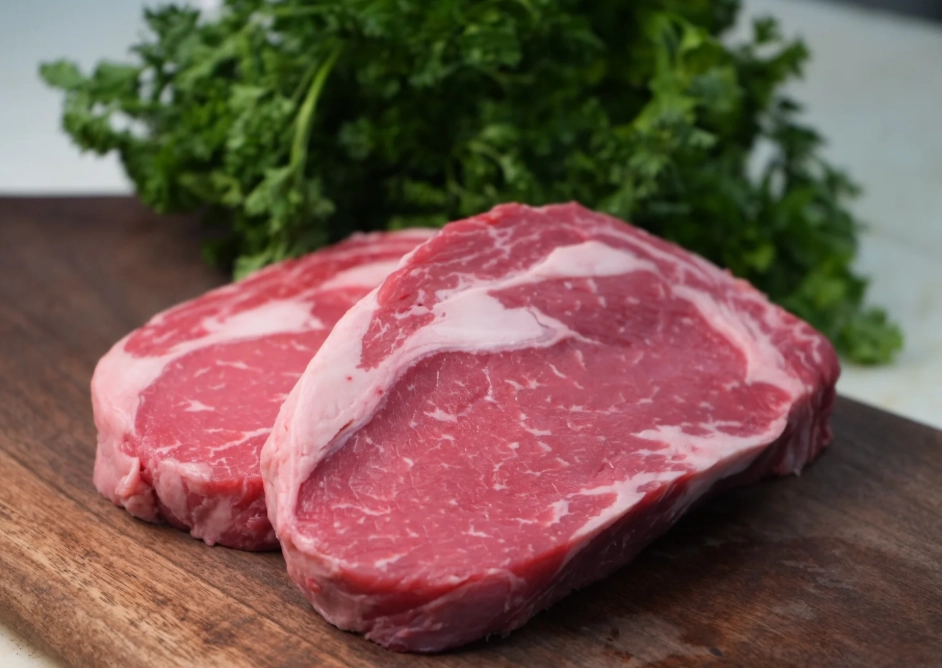
How to Serve Your Masterpiece
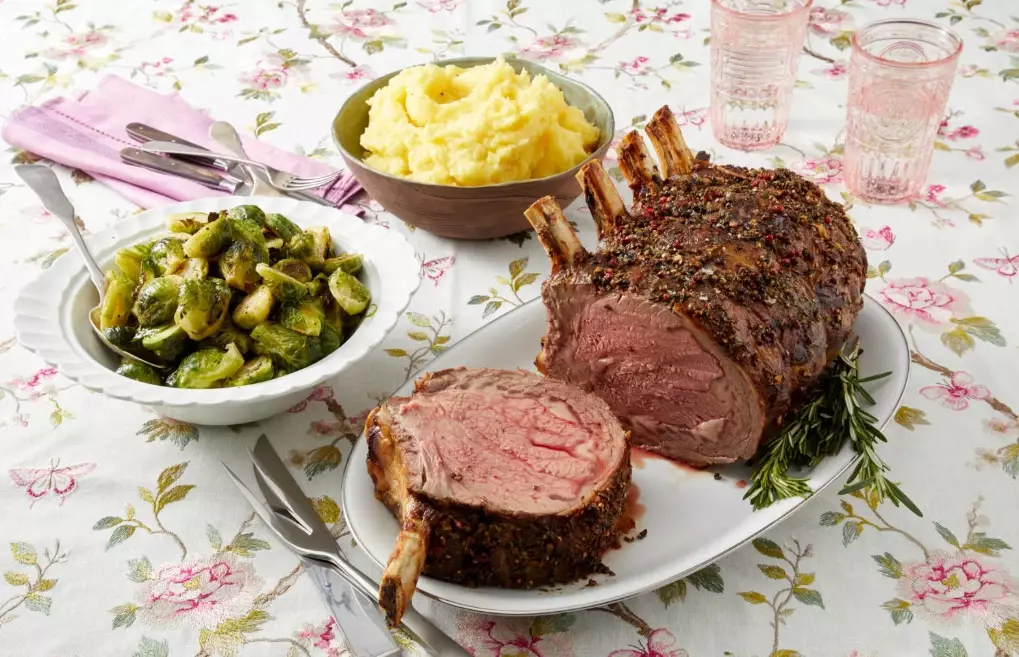
This isn't a plate-with-a-side-of-steak situation. It's a centerpiece. Shred or slice the meat against the grain (it will want to fall apart anyway). Ladle the gravy generously over the top.
- Classic Comfort: Pile it on a bed of creamy mashed potatoes with buttered green beans on the side.
- Sandwich Upgrade: Shred the meat, mix with some gravy, and pile high on a toasted hoagie roll with provolone cheese for an epic French dip.
- Bowl Life: Serve over egg noodles, polenta, or a hearty root vegetable mash. Top with the sautéed mushrooms from the pot.
The leftovers are arguably better. The flavors meld overnight. Use it for tacos, in a hash, or on top of a baked potato.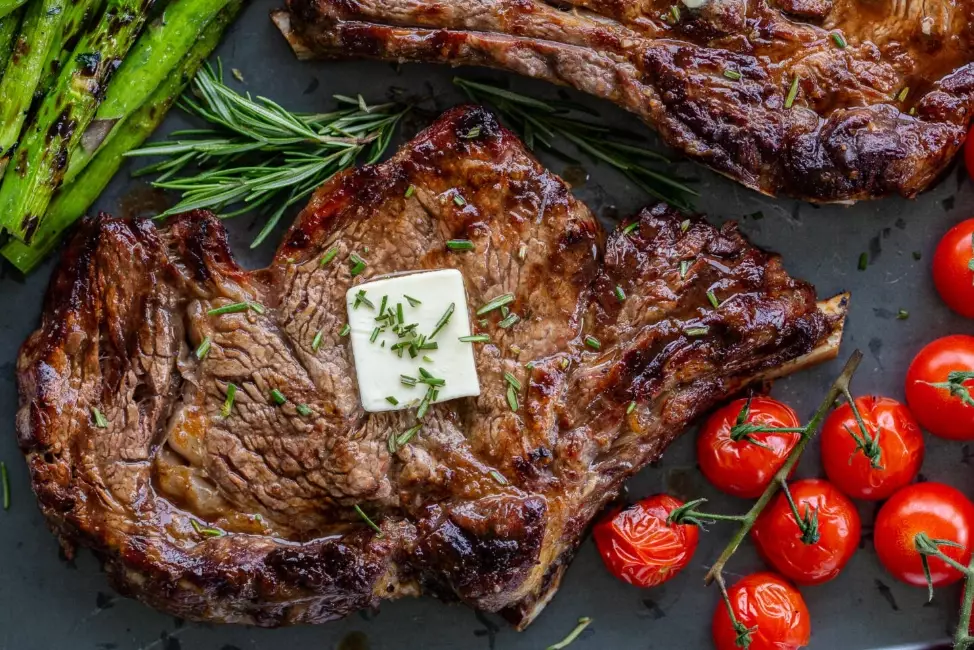
Your Top Questions, Answered
 Can I put the rib eye in frozen?
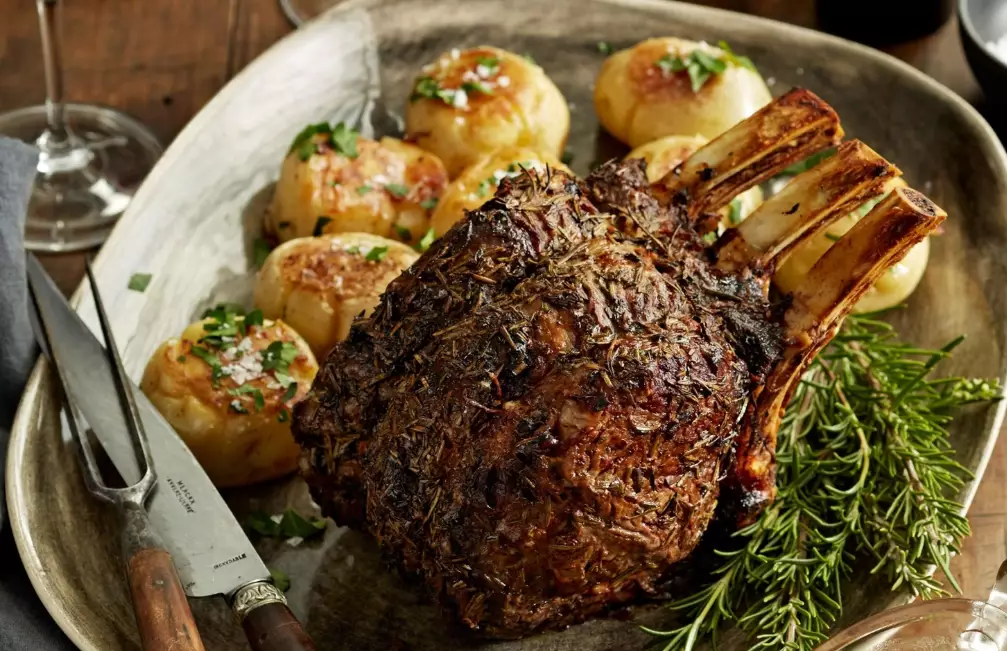 So, there you have it. The humble crock pot, often relegated to soups and cheap cuts, is secretly a tool for transforming a king of steaks into something uniquely comforting and spectacularly easy. It defies convention, and that's exactly why it works. Give it a try on one of those days when you want something special but don't want to babysit the stove. You might just find it becomes a regular in your rotation.
Reader Comments