Quick Guide
- The Golden Standard: Why Browning Meat is a Game-Changer for Flavor
- The Case for the Lazy (or Time-Pressed) Cook: When Skipping is Okay
- Breaking It Down: A Side-by-Side Comparison
- How to Brown Meat for Chili Like a Pro (When You Choose To)
- Answering Your Burning Chili Questions (FAQs)
- The Final Verdict: It's About Your Priorities
Alright, let's talk chili. More specifically, let's talk about that pile of ground beef sitting on your counter, your slow cooker waiting patiently, and the age-old question that has probably stopped you mid-recipe more than once: do you have to brown the meat before you put it in the crockpot for chili? I've been there. Staring at the raw meat, then at the clock, then at the sink full of dishes you'll create by browning. The temptation to just dump it all in and walk away is real. So, what's the deal? Is this a non-negotiable chef's secret, or just a pesky extra step that online recipes love to include to make you feel like you're doing more work?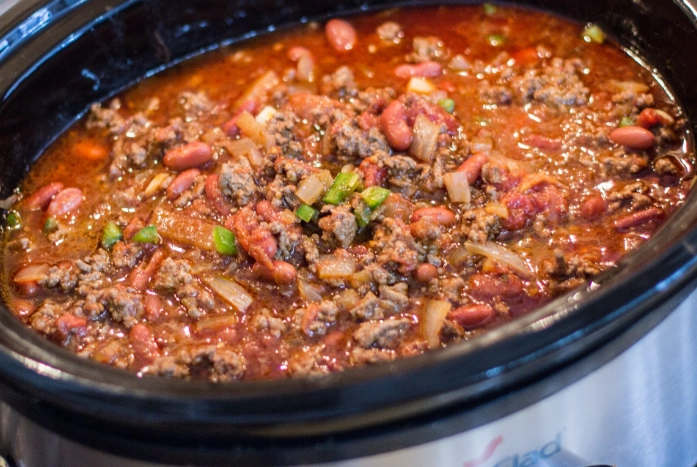
I'm going to be straight with you. The short, frustrating answer is: it depends. It depends on what you want from your chili. It depends on your schedule. It even depends on the type of meat you're using. But that's not helpful, is it? You came here for a real answer. So let's dig in, get our hands dirty (figuratively), and figure this out once and for all. We'll look at the why, the when-to-skip-it, and the how-to-do-it-right if you choose to go for it. This isn't just about following a rule; it's about understanding what happens in your pot, so you can make the best chili for you.
The Golden Standard: Why Browning Meat is a Game-Changer for Flavor
Most serious cooks and cherished family recipes will tell you, unequivocally, yes. You absolutely should brown the meat before it goes into the slow cooker. And they're not just being fussy. There's some serious food science at play here, and it all revolves around one magical thing: the Maillard reaction.
You've seen it happen. That moment when raw, pink ground beef hits a hot pan and transforms. It sizzles, it smells incredible (that's the aroma of flavor being born), and it turns a beautiful, deep brown. Those little crispy bits stuck to the pan? That's fond, and it's pure gold. That's not just cooking; that's chemical magic creating hundreds of new flavor compounds that simply don't exist in boiled or steamed meat. The Maillard reaction is responsible for the rich, savory, complex, almost nutty flavors in seared steak, roasted coffee, toasted bread, and yes, the base of a fantastic chili.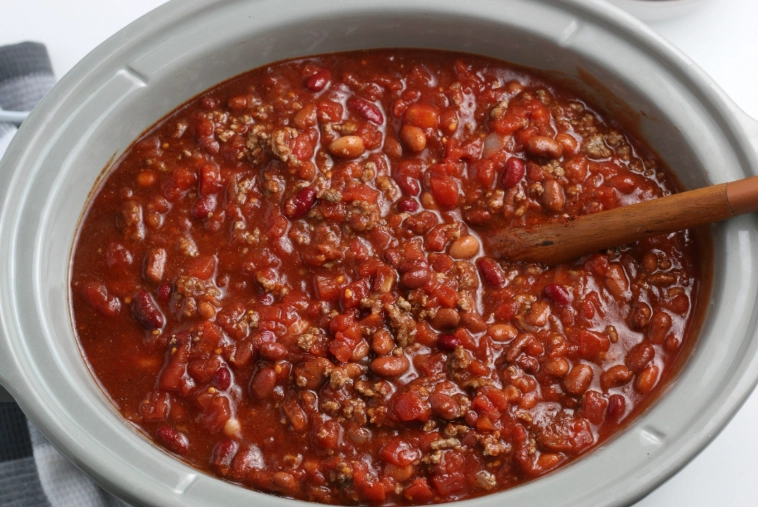
Think of your slow cooker as a gentle, moist environment. It's amazing at tenderizing and melding flavors over time, but it's terrible at creating high-heat reactions. The max temperature of a slow cooker on "high" is around 200-210°F (93-99°C). The Maillard reaction really kicks into gear above 280°F (138°C). So, if you just plop raw meat into your crockpot, it will essentially steam or boil in its own juices and the surrounding liquid. It will be cooked, sure. It will be safe to eat. But it will lack that foundational layer of deep, roasted, savory flavor that defines a truly memorable chili.
The Flavor Payoff: Browning isn't just about color. It's about building a flavor foundation. Those browned bits (the fond) deglazed with a bit of your cooking liquid or beer become the first layer of your chili's flavor profile. Skipping it is like building a house without a foundation—it'll stand, but it won't be as solid or complex.
And it's not just about taste. Texture suffers too. Browning gives the meat individual, distinct crumbles with slightly crisped edges. Meat that stews from raw tends to clump together into a softer, more uniform, and sometimes slightly grainy mass. For some people, that textural difference is the whole point.
So when someone asks, "do you have to brown the meat before you put it in the crockpot for chili?" from a pure flavor and texture optimization standpoint, the answer leans heavily toward yes. It's the single biggest step you can take to elevate your chili from "good" to "can I have the recipe?"
The Case for the Lazy (or Time-Pressed) Cook: When Skipping is Okay
Now, hold on. Before you think I'm just another food snob telling you to dirty another pan, let's talk real life. Sometimes, you just need dinner to happen. The idea of browning meat, dealing with splatter, cleaning a skillet, and then starting the slow cooker feels like a bridge too far. I get it. I've had those days. The beauty of the slow cooker is supposed to be convenience, right?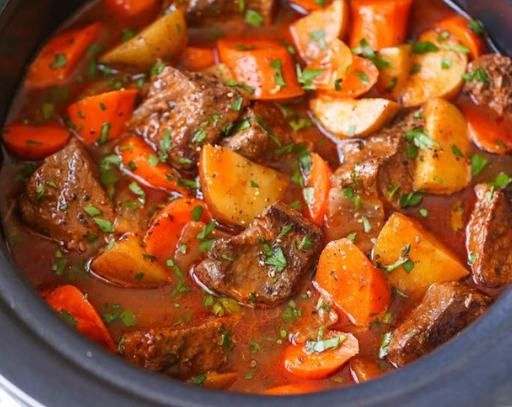
So, can you skip it? Technically, yes. You can. Your chili will cook. It will be edible. It will still be chili. The USDA confirms that cooking meat to a safe internal temperature of 160°F (71°C) for ground beef is perfectly achievable in a slow cooker, even from raw. The long, low heat will get it there.
Important Safety Note: If you choose to add raw meat directly to the crockpot, it's crucial to ensure your cooker reaches a safe temperature quickly. Avoid overfilling with cold ingredients, and start on the "High" setting for the first hour to bring everything up to temperature faster, then reduce to "Low" if desired. This helps move the food through the "danger zone" (40°F - 140°F) more rapidly.
The flavor will be different—milder, simpler, more one-dimensional. Some might even call it bland. But here's a secret: you can cheat. You can compensate. If you're skipping the browning step to save time, you must be aggressive with your other flavor agents. This is not the time to be shy.
- Toast your spices. Before adding them to the pot, give your chili powder, cumin, paprika, etc., a quick 1-2 minute toast in a dry pan. This wakes up their oils and intensifies their flavor dramatically. It takes one minute and one pan, but it's a huge payoff.
- Use a flavor-packed liquid. Don't just use water or plain broth. Use a rich beef broth, a dark beer, or even a cup of strong coffee. The deeper the base liquid, the more flavor it can impart to the raw meat as it cooks.
- Don't forget umami bombs. Ingredients like tomato paste (maybe give it a quick fry in a bit of oil first if you're already toasting spices), soy sauce, Worcestershire sauce, or a dash of fish sauce can add that deep, savory "meatiness" you might be missing from the lack of browning.
So, do you have to brown the meat before you put it in the crockpot for chili? Not strictly for safety. But you have to understand the trade-off: you're trading depth of flavor and texture for convenience. As long as you go in with your eyes open and boost other elements, you can still end up with a perfectly satisfying pot of chili.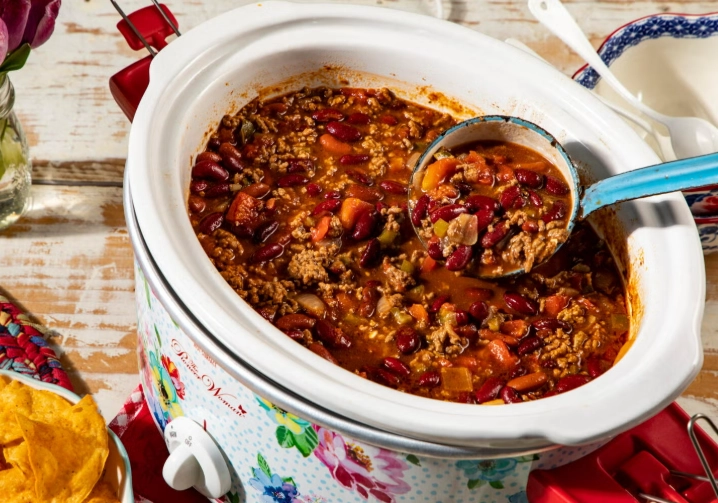
Breaking It Down: A Side-by-Side Comparison
Let's make this crystal clear. Here’s what you’re really choosing between when you ponder whether you have to brown the meat before you put it in the crockpot for chili.
| Aspect | Browning the Meat FIRST | Adding Raw Meat DIRECTLY |
|---|---|---|
| Flavor Profile | Deep, complex, savory, nutty, with layers from the Maillard reaction. Richer overall taste. | Simpler, milder, more straightforward. Relies heavily on spices and other ingredients. |
| Meat Texture | Firm, distinct crumbles with slight caramelized edges. Holds its shape better. | Softer, can be slightly mushy or grainy; tends to clump together more. |
| Visual Appeal | Appetizing brown color throughout the meat. Looks "cooked" and hearty. | Meat can look pale or grayish, even when fully cooked, which is less appealing. |
| Fat Management | You can drain excess grease after browning, leading to a less greasy final chili. | All the fat renders into the chili liquid. Can result in a greasy layer on top unless you skim it later. |
| Convenience & Cleanup | Extra step, extra pan to wash, more active time (10-15 mins). | Ultimate dump-and-go convenience. Less active prep, fewer dishes. |
| Best For | Weekend cooking, when you want the absolute best flavor, for gatherings or competitions. | Busy weeknights, meal prep where convenience is king, or if you simply hate browning meat. |
See? It's a choice, not a commandment. Personally, for a regular Tuesday night, I might skip it if I'm slammed. But if I'm making chili for friends or just want that soul-warming, deeply satisfying bowl, I'm heating up the skillet. No question.
How to Brown Meat for Chili Like a Pro (When You Choose To)
Okay, so you've decided to go for it. You're going to brown that meat. Let's make sure you do it right, because doing it poorly can be almost as bad as not doing it at all. A soggy, gray steam in a crowded pan isn't browning.
The Pan and The Heat
Use a heavy-bottomed skillet or Dutch oven. Thin pans will create hot spots and burn the fond. Heat it over medium-high heat until it's properly hot. Don't add the meat to a cold pan. A drop of water should skitter and evaporate instantly. Add just enough oil to coat the bottom—a high smoke point oil like canola or vegetable oil is fine.
The Meat Itself
This is crucial: DON'T CROWD THE PAN. If you're browning two pounds of meat, do it in at least two batches. Crowding lowers the pan temperature dramatically, causing the meat to steam in its own juices instead of searing. You'll get a sad, gray, watery mess. Patience is key here. Give each piece of meat space to make contact with the hot surface.
Pro Tip: Season your meat with a big pinch of salt just before it goes into the pan. Salt draws out moisture, so salting too early can lead to steaming. Salting right before helps with browning and seasons the meat from within.
The Technique
Add the meat in an even layer. Don't stir it immediately! Let it sit for a good minute or two to develop a proper sear. Then, start breaking it up and stirring. You want to see lots of browned bits on the meat and stuck to the pan. That fond is flavor. Once the meat is browned and no longer pink, drain the excess grease if you want a leaner chili. But leave those tasty browned bits in the pan!
The Flavor Lift: Deglazing
This is the secret second step that makes browning worth it. With your browned meat removed (you can put it straight into the crockpot), there will be browned bits stuck to the pan. Add about a half cup of your cooking liquid—beef broth, beer, even water—to the hot, empty pan. Use a wooden spoon to scrape all those delicious browned bits loose. This liquid, now infused with concentrated meaty flavor, is what you should add to your slow cooker. You've just captured the soul of the browning process.
So, when you're following a recipe and it asks, "do you have to brown the meat before you put it in the crockpot for chili?" and you say yes, this is how you do it justice. It's a 10-15 minute investment that pays dividends for hours in the slow cooker.
Answering Your Burning Chili Questions (FAQs)
- Reduce the sauce: If there's a lot of liquid, take the lid off your slow cooker for the last 30-60 minutes on High. Let some liquid evaporate to concentrate the flavors.
- Add a flavor punch: Stir in an extra tablespoon of tomato paste, a splash of soy sauce or Worcestershire, a pinch of smoked paprika, or even a small square of dark chocolate.
- Finish with freshness: Right before serving, stir in a big handful of chopped cilantro, a squeeze of lime juice, or some diced fresh onion. The bright, fresh contrast can lift the whole dish.
I once made a huge pot for a party and realized I'd completely forgotten to brown the three pounds of beef. Panic! I ended up sautéing a separate small batch of meat with tons of spices until it was super dark and crispy, then stirred it into the big pot. It acted like a "flavor booster." It wasn't perfect, but it saved the day. Sometimes you just have to improvise.
The Final Verdict: It's About Your Priorities
So, after all this, where do we land on the big question? Do you have to brown the meat before you put it in the crockpot for chili?
My honest, no-BS answer is this: No, you don't have to. Your chili will cook, and it will be food. But you should understand that you are making a conscious choice that affects the final product. You are choosing convenience over optimal flavor and texture.
Think of it like this: Browning the meat is the difference between a sketch and a finished painting. The sketch has all the right shapes (it's chili), but the painting has depth, shadow, highlights, and richness that make it come alive.
My personal rule of thumb? For an everyday, just-for-the-family chili where my time is more valuable than a 10% flavor improvement, I might skip it and boost the spices. But if I'm trying to impress, if I want that deeply satisfying, rich, complex bowl of comfort, or if I'm using expensive ingredients, I'm browning. Every single time. I'll deal with the extra pan. The payoff in that first spoonful is worth it.
At the end of the day, the best chili is the one that gets made and enjoyed. Whether you're a staunch advocate of the Maillard reaction or a proud member of the dump-and-go club, now you have the knowledge to make your choice—and to make your next pot of chili the best it can be, on your own terms.
Now, go forth and simmer.
Reader Comments