Let's be honest. The idea of vegetarian slow cooker pasta sounds a bit weird at first. Won't the pasta turn to mush? Isn't it just for stews? I thought the same thing until a desperate, time-crunched evening forced me to dump a box of penne into my crockpot with some marinara and veggies. The result wasn't just edible—it was fantastic, creamy, and required almost zero effort. That's the magic we're unlocking here.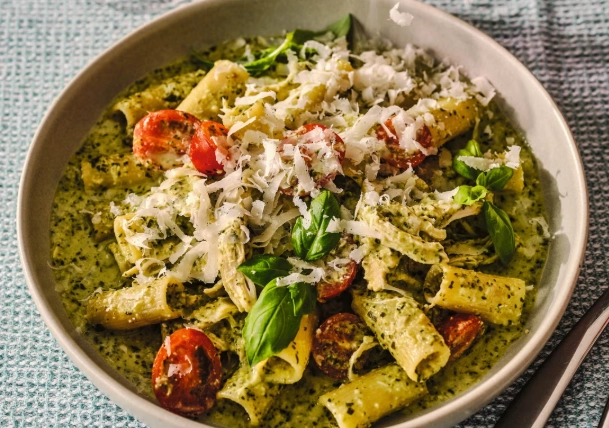
This isn't about complicated gourmet meals. It's about reliable, dump-and-go dinners that fill your kitchen with incredible smells and leave you with one pot to wash. Whether you're meal-prepping for the week, need a hands-off dinner for a busy night, or just want to try something new with that appliance gathering dust, you're in the right place.
What's Cooking Inside?
Why Slow Cooker Pasta Actually Works (The Science)
Most people's fear is soggy, overcooked pasta. That's a valid concern if you treat the slow cooker like a boiling pot of water. You can't. The key difference is moisture control and timing.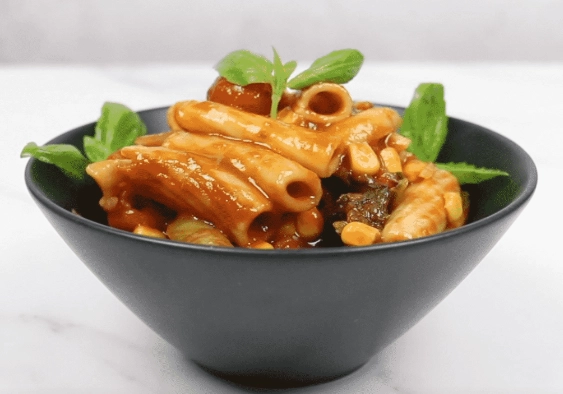
In a regular pot, pasta swims in an excess of rapidly boiling water, cooking quickly and evenly. In a slow cooker, the liquid is limited, absorbed gradually, and the temperature is much lower. This means you need just enough liquid to hydrate the pasta and create the sauce—usually about 1 to 1.5 cups of broth, water, or crushed tomatoes per 8 oz of dried pasta. The pasta slowly swells in this flavorful bath, absorbing all the seasoning from the herbs, garlic, and vegetables around it. That's how you get pasta infused with flavor from the inside out, something boiling never achieves.
The Foolproof Master Method: A Step-by-Step Blueprint
Follow this framework, and you'll nail it every single time.
1. The Foundation: Sauté (Optional but Game-Changing)
If you have 5 extra minutes, do this. Sauté your aromatics—onions, garlic, mushrooms—in a pan with a little oil until soft and fragrant. This step caramelizes natural sugars and builds a flavor base no amount of slow cooking can replicate. Dump them into the slow cooker. No time? It's fine. Just add them raw; the slow cooker will still cook them through.
2. The Build: Layers Matter
Start with your hardest veggies at the bottom (chopped carrots, potatoes, celery). Then add your softer veggies (bell peppers, zucchini). Pour in your liquid base—crushed tomatoes, vegetable broth, coconut milk. Add your seasonings now: dried oregano, basil, salt, pepper, a pinch of red pepper flakes. Give it a quick stir.
3. The Pasta Pause: Timing is Everything
This is the critical decision point. For a creamy sauce (like Alfredo or a cheese sauce), cook your vegetable and liquid base on LOW for 4-6 hours. Then, stir in the uncooked pasta and a splash more liquid if needed. Cook on HIGH for another 30-45 minutes, just until the pasta is al dente. For a hearty, tomato-based sauce with more liquid, you can add sturdy pasta shapes (like rigatoni, ziti, or shells) at the beginning with everything else and cook on LOW for 2-3 hours. Check at 2 hours to prevent overcooking.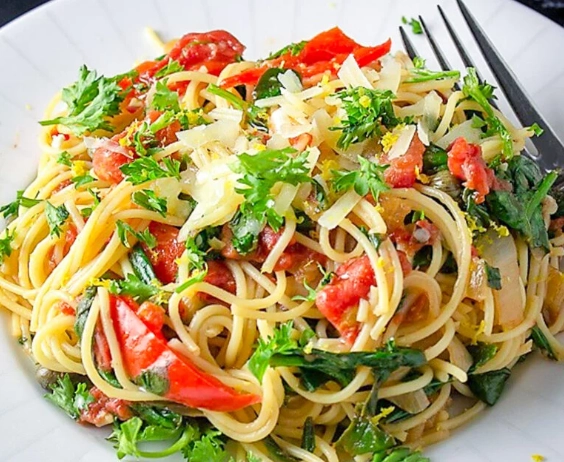
4. The Finish: Bringing It All Together
When the pasta is cooked, turn off the heat. This is when you stir in your "finishers": a big handful of grated Parmesan or Pecorino Romano (the salty, umami punch is vital), a dollop of cream cheese or ricotta for extra creaminess, a splash of good olive oil, or a squeeze of fresh lemon juice to brighten a rich sauce. Let it sit for 10 minutes with the lid off—the sauce will thicken perfectly.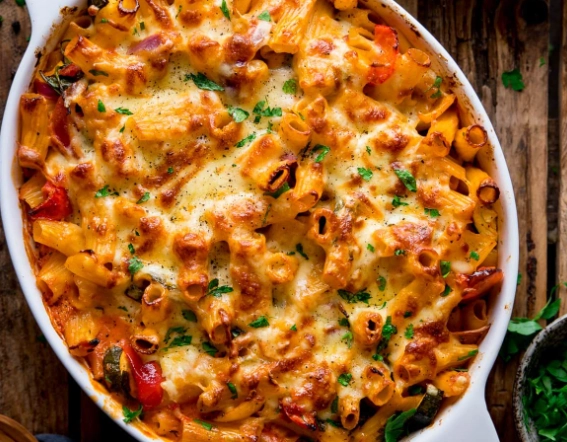
Three Can't-Miss Vegetarian Recipes to Start With
Let's move from theory to practice. Here are three foundational recipes that cover different styles.
1. The Weeknight Hero: Creamy Sun-Dried Tomato & Spinach Pasta
This is my personal go-to. It tastes decadent but is deceptively simple.
Method: Add 1 cup vegetable broth, 1 (8 oz) jar of drained sun-dried tomatoes (in oil, chop them a bit), 4 minced garlic cloves, 1 tsp dried Italian seasoning, and ½ tsp black pepper to the slow cooker. Cook on LOW for 3 hours. Stir in 8 oz of uncooked penne or fusilli and ½ cup more broth. Cook on HIGH for 45 minutes. Turn off, stir in 4 cups fresh baby spinach, ½ cup grated Parmesan, and ½ cup heavy cream or full-fat coconut milk. Lid on for 5 minutes until spinach wilts. Serve.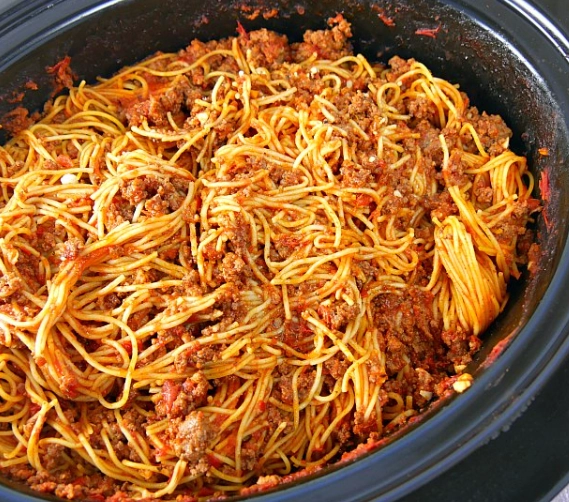
2. The Crowd-Pleaser: Hearty Lentil & Mushroom "Bolognese"
Meaty flavor, zero meat. Perfect for a potluck.
Method: Sauté 1 diced onion, 8 oz sliced cremini mushrooms, and 2 diced carrots until soft. Transfer to slow cooker. Add 1 cup brown or green lentils (rinsed), 1 (28 oz) can crushed San Marzano tomatoes, 3 cups vegetable broth, 2 bay leaves, 1 tsp dried thyme. Cook on LOW for 6-7 hours until lentils are tender. Remove bay leaves. Stir in 8 oz uncooked rigatoni. Cook on HIGH for 30-40 minutes. Finish with ¼ cup chopped fresh parsley.
3. The Comfort Classic: Three-Cheese Broccoli & Shells
Mac and cheese, but grown-up and easier.
Method: Whisk together 2 cups vegetable broth, 1 cup milk, 2 tbsp flour, 1 tsp garlic powder, ½ tsp dry mustard in the slow cooker until smooth. Stir in 3 cups small broccoli florets. Cook on LOW for 2 hours. Stir in 8 oz uncooked small pasta shells. Cook on HIGH for another 45-60 minutes. Turn off. Stir in 1 cup shredded sharp cheddar, ½ cup shredded Gruyère, and ¼ cup grated Parmesan until melted and creamy. Season with salt and pepper.
Solving Common Slow Cooker Pasta Problems
Things can go wrong. Here's how to fix them on the fly.
Problem: Sauce is too watery.
Fix: Turn the slow cooker to HIGH, take the lid off, and let it simmer for 15-20 minutes to evaporate liquid. You can also make a quick slurry: mix 1 tablespoon of cornstarch with 2 tablespoons of cold water or milk, then stir it into the pasta. It'll thicken in a few minutes.
Problem: Pasta is undercooked and hard.
Fix: Add ¼ to ½ cup of hot liquid (broth, water, or even the pasta cooking water if you have some handy), stir, and continue cooking on HIGH in 10-minute increments, checking each time.
Problem: Pasta is overcooked and mushy.
Fix: Sadly, you can't uncook pasta. But you can repurpose it! Stir vigorously—the mushy pasta will thicken the sauce beautifully. Call it a "rustic, deconstructed pasta bake" and top it with extra breadcrumbs and cheese. It'll still taste great.
Reader Comments