Let's be honest. The phrase "melt-in-your-mouth" gets thrown around a lot with slow cooker recipes. But when it comes to beef brisket, achieving that legendary, fall-apart tenderness isn't just about tossing meat into a pot and hoping for the best. I've eaten—and sadly, cooked—my share of tough, chewy, or dry briskets. After years of trial, error, and consulting with butchers, I've cracked the code. This isn't just another recipe; it's a complete system for transforming a notoriously tricky cut into the most succulent, flavorful centerpiece you've ever made, all in your slow cooker.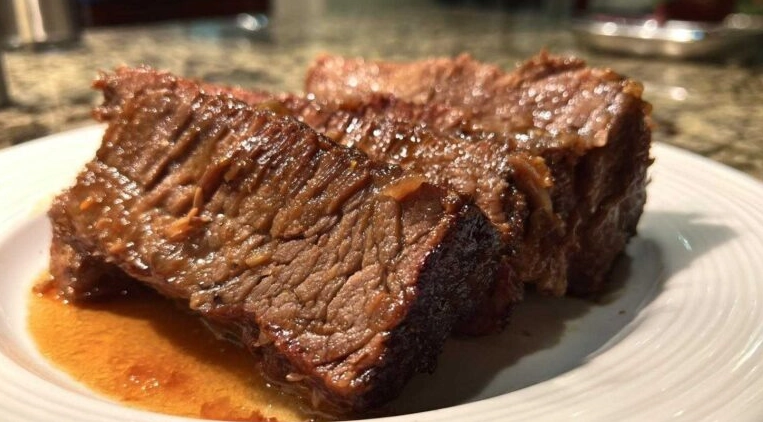
What You'll Learn in This Guide
- Why Brisket and Your Slow Cooker Are a Match Made in Heaven
- How to Choose the Right Beef Brisket Cut (This Matters Most)
- The Non-Negotiable Prep: Trimming, Seasoning, and Searing
- The Two-Stage Slow Cooker Process for Perfect Texture
- Transforming Juices into a Rich, Glossy Sauce & Serving
- Your Top Brisket Problems, Solved
Why Your Slow Cooker is the Brisket's Best Friend
Brisket comes from the chest of the cow. It's a muscle that works hard, which means it's packed with connective tissue (collagen) and intramuscular fat. That's what makes it so flavorful, but also potentially tough as leather if cooked wrong. High, fast heat tightens those fibers. Low, slow, moist heat does the opposite—it gently melts the collagen into gelatin, basting the meat from within and creating that "melt" texture. Your slow cooker is a precision tool for this exact science, maintaining a steady, low temperature for hours without any babysitting.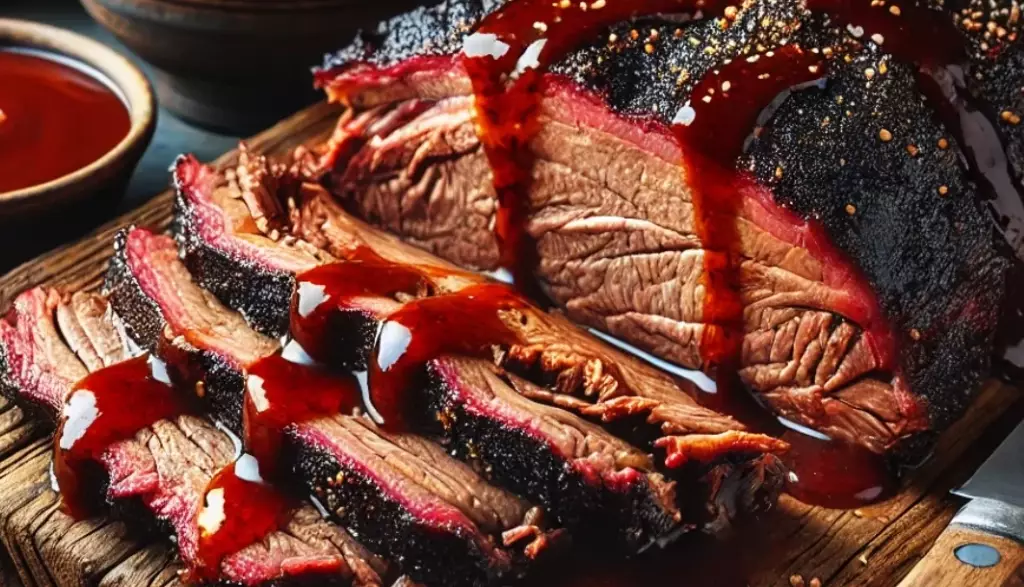
The key insight most recipes miss: It's not just about time; it's about temperature range. The magic happens between 160°F and 205°F (71°C-96°C). Below that, the collagen won't break down. Above that, you'll just dry out the meat. A slow cooker's "Low" setting typically holds around 190°F-200°F (88°C-93°C), placing it squarely in the perfect zone for a long, gentle render.
How to Choose the Right Beef Brisket Cut
Walking up to the meat counter can be confusing. You'll generally find two types of whole packer brisket at the store: the flat cut and the point cut (sometimes sold separately). Your choice here fundamentally changes your outcome.
| Cut | Appearance & Fat | Best For | Potential Pitfall |
|---|---|---|---|
| Flat Cut (First Cut) | Leaner, rectangular, uniform thickness. A visible fat cap on one side. | Neat, even slices. Lower fat content. Good for those watching fat intake. | Can dry out more easily if overcooked or under-trimmed. Less forgiving. |
| Point Cut (Second Cut/Deckle) | Thicker, irregular shape, heavily marbled with fat running through it. | Ultimate juiciness and flavor. Shreds beautifully. More forgiving for long cooks. | Can be too fatty for some. Harder to slice neatly. |
| My Recommendation for "Melt-in-Your-Mouth" | Go for the point cut if you can find it. That internal marbling is your insurance policy against dryness. If you only have a flat cut, don't panic—the steps below will protect it. Ask your butcher for a "well-marbled flat cut" or a small whole packer (flat and point together). Aim for 4-6 pounds for a standard family meal. | ||
The Prep Work: Trimming, Seasoning, and the Searing Debate
This is where you build your foundation. Rushing this step is the first mistake.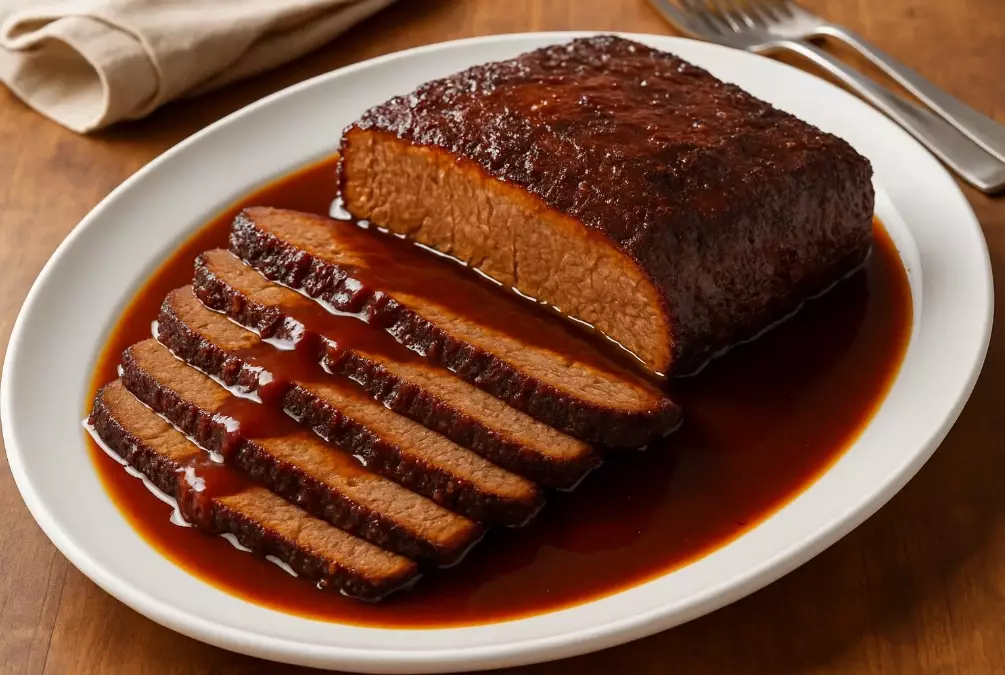
1. Trimming the Fat Cap
Don't remove all the fat. You want about a 1/4-inch layer left on. This renders slowly, basting the meat. Use a sharp knife to trim any hard, thick sections. Also, remove the large, opaque silver skin on the meatier side if present—it's chewy and won't render.
2. Seasoning (More Than Just Salt and Pepper)
Season aggressively, at least 24 hours in advance if possible. The salt needs time to penetrate and season the meat internally, not just sit on the surface. A simple mix is great: coarse kosher salt, fresh cracked black pepper, garlic powder, onion powder, and a bit of smoked paprika. Rub it on every surface. Place the seasoned brisket on a rack in your fridge, uncovered. This air-dries the surface, which leads to a better sear.
Pro-Tip: For an extra flavor layer, add a tablespoon of instant coffee granules or cocoa powder to your dry rub. It sounds wild, but it adds a deep, savory richness that complements the beef without tasting like coffee or chocolate.
3. To Sear or Not to Sear?
I always sear. It creates the Maillard reaction—hundreds of new flavor compounds that form a delicious crust. It also renders a bit of that surface fat. Heat a heavy skillet (cast iron is perfect) with a high-smoke-point oil until it's shimmering. Sear the brisket fat-cap side down first for 4-5 minutes until deeply browned, then sear the other sides. Don't crowd the pan; do it in batches if needed. Those browned bits (fond) left in the pan? Deglaze with a splash of red wine or beef broth and pour that liquid gold into your slow cooker.
The Slow Cooker Process: Patience is Your Secret Ingredient
Now for the main event. Your goal is to cook the brisket through, then hold it in the "tenderizing zone" long enough to break down the collagen.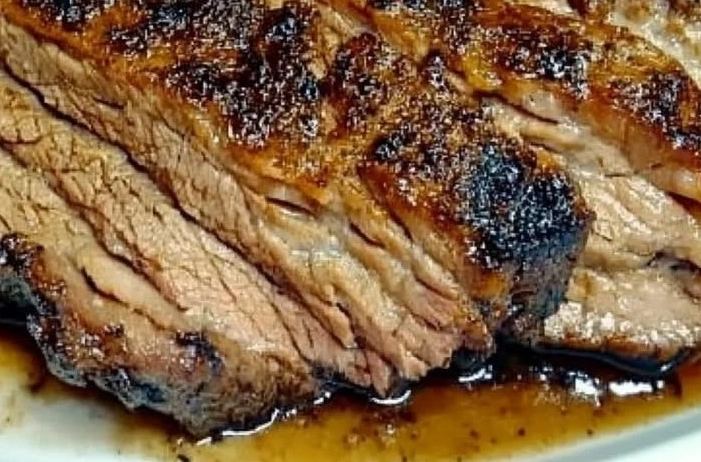
Stage 1: The Foundation. Place your seared brisket in the slow cooker, fat-cap up. Add your aromatic base: a roughly chopped onion, a few crushed garlic cloves, two ribs of chopped celery, and a large chopped carrot. This isn't just for flavor; it creates a natural rack to keep the meat out of direct contact with the bottom. Pour in about 1 cup of liquid—beef broth, a dark beer, or even a mix of broth and a splash of Worcestershire sauce. Do not submerge the brisket. You're steaming/braising it, not boiling it.
Stage 2: The Long, Slow Melt. Set your cooker to LOW. High heat will make the muscle fibers contract too quickly. Cover and walk away. No peeking. Every time you lift the lid, you lose valuable heat and steam, adding 15-20 minutes to your cook time.
| Brisket Size | Estimated Time on LOW | How to Test for Doneness |
|---|---|---|
| 4 lbs (1.8 kg) | 8-9 hours | The true test: probe tenderness. Insert a fork or a skewer into the thickest part and twist gently. If it goes in and out with little to no resistance, like pushing into room-temperature butter, it's done. Internal temperature will be around 200°F-205°F (93°C-96°C). If it feels tight or rubbery, give it another 30-60 minutes. |
| 5-6 lbs (2.3-2.7 kg) | 9-10 hours | |
| 7-8 lbs (3.2-3.6 kg) | 10-12 hours |
The biggest mistake is pulling it out when it's merely "cooked" (around 160°F). At that temp, it's safe to eat but will be chewy. You need to push past that to where the connective tissue gives up.
The Final Act: Resting, Saucing, and Serving
1. Resting is Non-Negotiable. When your brisket is probe-tender, turn off the cooker. Carefully transfer the meat to a cutting board or platter. Tent it loosely with foil and let it rest for at least 45 minutes to an hour. This allows the frenzied muscle fibers to relax and re-absorb the juices. Cutting immediately will cause all those precious juices to flood onto your board, leaving you with dry meat.
2. Make the Sauce from the Gold in the Pot. While the meat rests, strain the cooking liquid from the slow cooker into a fat separator or a measuring cup. Let the fat rise to the top. Skim off most of the fat (you can save a bit for flavor). Pour the defatted juices into a saucepan. Here's my trick: whisk in 2 tablespoons of tomato paste and let it cook for a minute. Then, make a slurry with 2 tablespoons of cornstarch and 3 tablespoons of cold water. Whisk this into the simmering juices. Cook for 3-5 minutes until the sauce thickens into a rich, glossy gravy. Season with salt and pepper to taste.
3. Slicing Against the Grain. Look at the meat. You'll see long lines running in one direction—that's the grain. Using a sharp knife, slice perpendicular (across) those lines. This cuts the long muscle fibers into short pieces, making each bite tender. For the point cut, the grain can change direction, so adjust as you slice.
Serve it with the sauce ladled over the top. Classic sides are creamy mashed potatoes, buttered corn, or simple roasted vegetables to soak up that incredible juice.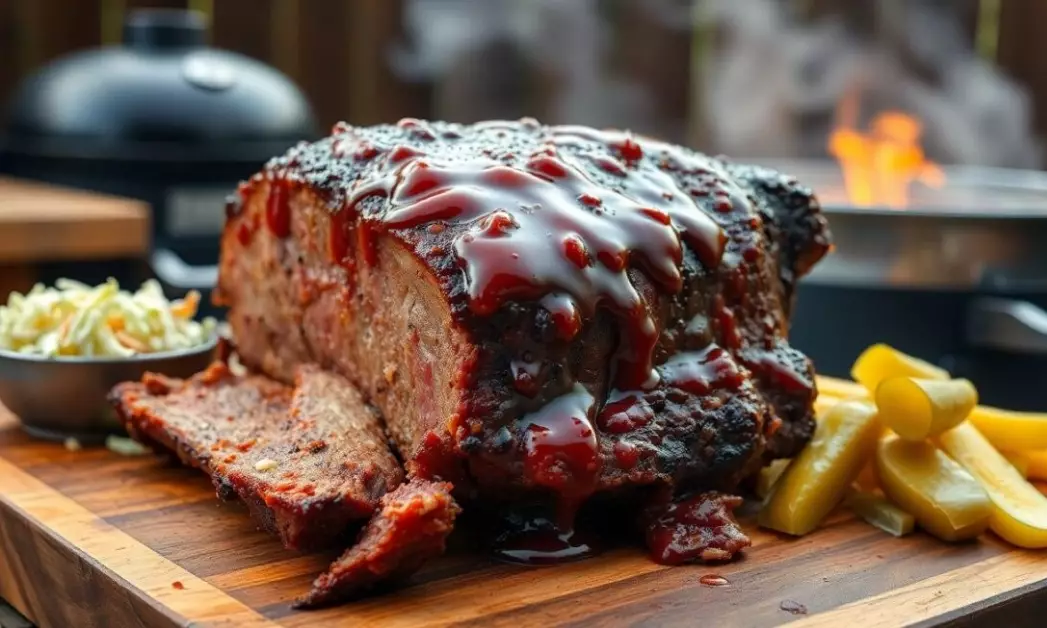
Frequently Asked Questions: Solving Your Brisket Problems
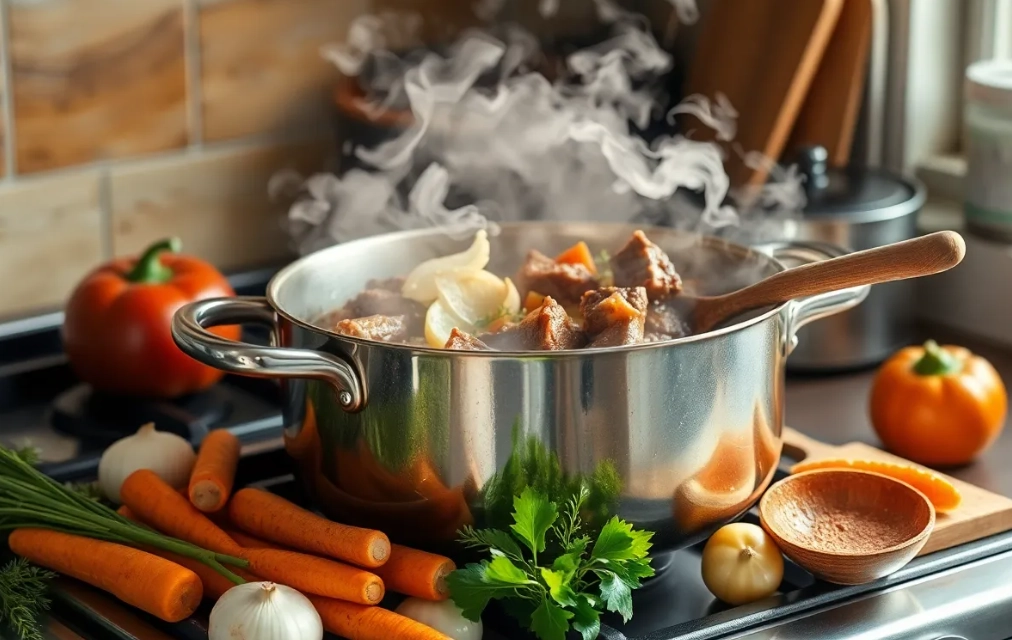 Is it okay to add vegetables like potatoes and carrots at the start?
Reader Comments