You've got your pork shoulder ready, the smoker or slow cooker is fired up, and then the question hits you: what liquid is good for pulled pork? It's the moment that separates dry, forgettable meat from the kind of pulled pork that makes people ask for your recipe. The answer isn't just one thing. It's a whole world of flavor and function, and getting it right is simpler than most recipes make it seem.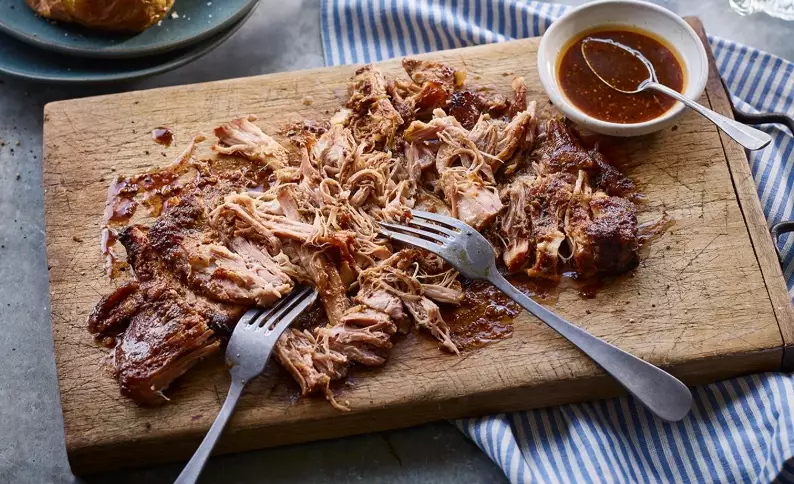
I've messed this up before. Early in my BBQ journey, I thought the liquid was just there to prevent burning. I used plain water and ended up with pork that was technically tender but tasted like...nothing. It was edible, but not memorable. The liquid isn't a bystander; it's a core ingredient. It braises the meat from below, infuses flavor into every fiber, and provides the moisture that keeps everything succulent during the long, slow cook. Let's break down exactly what works, what doesn't, and why.
What's Inside This Guide
The Real Job of Your Braising Liquid
Think of your pork shoulder like a tough sponge. The low, slow heat breaks down the tough collagen, turning it into gelatin. The liquid surrounding it does three critical things:
- Prevents Drying: This is the obvious one. It creates a humid environment, so the surface of the meat doesn't dry out and become leathery.
- Transfers Flavor: This is where most home cooks miss out. The liquid steams and its flavors penetrate the meat, especially from the bottom up. A study on meat cooking from the USDA highlights how moisture and heat work together to tenderize.
- Forms the Base for Sauce: After cooking, that reduced, pork-fat-enriched liquid is liquid gold. You can skim the fat, reduce it further, and mix it back into the shredded meat for insane juiciness.
Key Insight: The liquid doesn't make the meat "wet." Properly cooked pulled pork shouldn't be sitting in a pool of water. The liquid's job is to provide a medium for heat transfer and flavor infusion, resulting in meat that is inherently moist from its own rendered fat and collagen.
The Top Liquid Contenders for Pulled Pork
Not all liquids are created equal. Here’s a breakdown of the best options, from the classic workhorses to the secret weapons.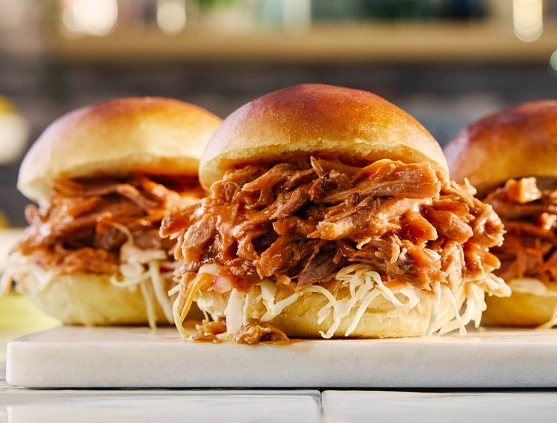
The Foundation Liquids (The Must-Haves)
These are your building blocks. You'll almost always use one of these as your base.
- Apple Cider Vinegar: This is the king for a reason. Its acidity helps break down muscle fibers slightly, promoting tenderness. It adds a bright, tangy note that cuts through the richness of the pork without being sour. Use the cheap stuff for cooking; save the fancy raw, unfiltered vinegar for finishing sauces.
- Apple Juice or Cider: Sweetness is pork's best friend. Apple juice adds a subtle fruitiness and sugar that encourages beautiful browning (the Maillard reaction). It's mild, so it plays well with strong spices. A common pitfall? Using too much. It can make the pork taste oddly fruity if you're not careful.
- Chicken or Vegetable Broth/Stock: The savory choice. It adds a deep, meaty backbone without competing. Use a low-sodium version so you can control the salt level with your rub. This is my go-to when I want the pork flavor to be pure and forward, letting the smoke and rub shine.
The Flavor Amplifiers (The Game Changers)
These are often mixed with a foundation liquid to create complexity.
- Beer: A malty amber ale, a brown ale, or a lager works wonders. The hops add bitterness, the malt adds sweetness, and it creates a fantastic savory depth. Avoid super hoppy IPAs—they can become unpleasantly bitter when cooked for hours. A dark stout can be amazing for a rich, molasses-like note.
- Cola or Dr. Pepper: Don't knock it till you've tried it. The carbonation does nothing after it heats up, but the sugar, vanilla, and spice flavors create a unique sweet-and-savory braise. It's a Southern classic for a reason. I use it for a crowd-pleasing, slightly sweeter pork, often mixed half-and-half with vinegar.
- Coffee: Sounds wild, but it works. Use strong brewed coffee (not instant). It adds a deep, roasty, almost chocolatey bitterness that pairs incredibly with chili-based rubs. It's not for every day, but for a Texas-style bark, it's a secret weapon.
| Liquid | Best For | Flavor Profile | Pro Tip |
|---|---|---|---|
| Apple Cider Vinegar | Classic Carolina-style, tangy pork | Bright, acidic, clean | Mix 50/50 with apple juice to balance tang and sweet. |
| Apple Juice | Sweet, family-friendly pork | Fruity, mild, sweet | Combine with a splash of vinegar to prevent cloying sweetness. |
| Chicken Broth | Savory, herb-rubbed pork | Meaty, savory, umami | Add a couple of smashed garlic cloves to the broth. |
| Amber Ale | Rich, complex pork for gatherings | Malty, slightly bitter, rounded | Let the beer go flat before adding to avoid excessive foam. |
| Cola/Dr. Pepper | Sweet, sticky, crowd-pleasing pork | Vanilla, caramel, spice | Use a sugar-free version if you're watching sugar intake. |
Building Your Signature Flavor Combo
Now for the fun part: mixing. You rarely use just one liquid. It's about balance. Acid needs sweet. Sweet needs savory. Here are two proven templates.
The All-Purpose Champion: This works for 90% of situations, whether you're smoking or using a slow cooker.
1 cup apple cider vinegar + 1 cup apple juice + ½ cup chicken broth. It has tang, sweetness, and savory depth. It's balanced and reliable.
The Bold & Smoky: For when you want deeper, richer flavors.
1 cup strong coffee + ½ cup apple cider vinegar + ½ cup cola. The coffee provides a bitter backbone, the vinegar cuts through, and the cola adds a spice-kissed sweetness. It creates an incredible bark.
Avoid This: Using 100% straight vinegar or 100% straight soda. Pure vinegar can make the meat taste pickled and harsh. Pure soda can make it sickly sweet and almost candied. Always dilute and balance.
The Practical Step-by-Step Liquid Guide
Let's get specific. Here’s exactly what to do, from start to finish.
1. The Setup (Before Cooking)
Choose your combo based on the flavor profile above. For a standard 8-10 pound pork shoulder (bone-in), you'll need about 2 to 3 cups of total liquid. Mix it in a pitcher. Don't add salt yet—your dry rub has plenty.
2. During Cooking (The Crucial Phase)
If you're smoking, wait. Don't add liquid at the start. Let the pork smoke naked for 3-4 hours to build a good bark and take on smoke flavor. Once the bark is set and the internal temp is around 160°F, transfer the pork to an aluminum pan (if it wasn't already in one). Then pour your liquid into the pan, enough to come about ½ inch up the side. Cover the pan tightly with foil. This is the "Texas Crutch"—it braises the meat and powers through the stall.
If you're using a slow cooker or Dutch oven, place your chopped onions or a rack at the bottom. Add the pork, then pour the liquid around it, not over it. You want the liquid level to be about a third of the way up the pork, not submerging it. Cover and cook low and slow.
3. The Finish (Where the Magic Happens)
When the pork is done (around 205°F internal and probe-tender), DO NOT THROW OUT THE LIQUID. This is the biggest mistake. Carefully remove the pork to rest. Pour the hot liquid from the pan into a fat separator or a measuring cup. Let it sit for a few minutes. The flavorful, gelatinous juice will settle at the bottom, and the clear fat will rise to the top. Skim off most of the fat. The remaining juice is your finishing gold. As you shred the pork, drizzle this juice back over the meat to taste. It re-hydrates, seasons, and makes it unbelievably juicy.
Common Mistakes and How to Sidestep Them
- Using Water as the Primary Liquid: It works only to prevent burning. It adds zero flavor and can actually dilute the pork's natural taste. If you must use it, mix it with something flavorful.
- Adding Liquid Too Early (on a smoker): This steams the meat and prevents bark formation. Be patient. Let the smoke do its work first.
- Not Using the Drippings: Tossing the cooking liquid is like throwing away the best part of the recipe. Always separate the fat and use the juice.
- Overfilling the Pan: The pork shouldn't swim. You're braising, not boiling. Too much liquid steams the meat and can make the bark soggy.
Your Pulled Pork Liquid Questions, Answered
Can I just use water for pulled pork if I'm on a budget?
You can, but you'll miss a huge opportunity. Water provides moisture but no flavor. At the very least, add a few tablespoons of vinegar and a generous sprinkle of your dry rub spices to the water. It costs pennies and transforms the result from bland to seasoned.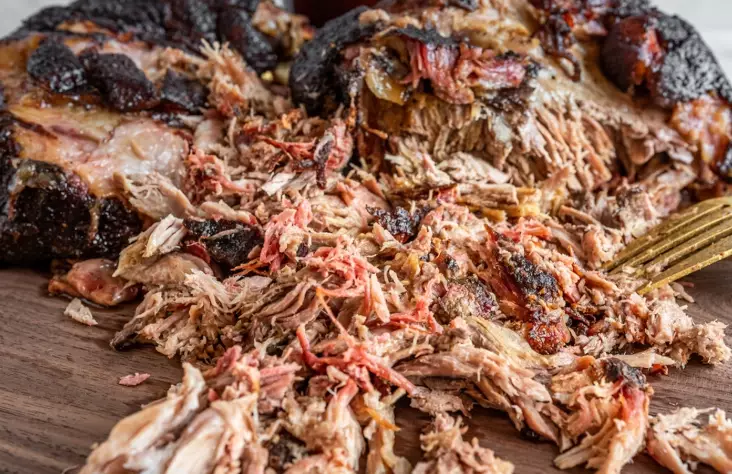
What's the best beer for pulled pork if I don't like bitter flavors?
Skip the IPA. Go for a Vienna lager, a Märzen (like Oktoberfest beer), or a brown ale. These have malt-forward profiles with minimal hop bitterness. Even a basic lager or pilsner works well—they're clean and crisp. The bitterness from hops mellows during cooking, but a very hoppy beer can leave a lingering astringency some find unpleasant.
My pulled pork liquid turned out too sweet. How can I fix it?
This happens often with full-sugar sodas or too much fruit juice. When you're shredding the pork, don't use all the reserved cooking juice. Instead, mix in some plain apple cider vinegar or a splash of vinegar-based BBQ sauce to balance the shreds. For next time, cut your sweet liquid (juice, soda) with an equal part of vinegar or broth.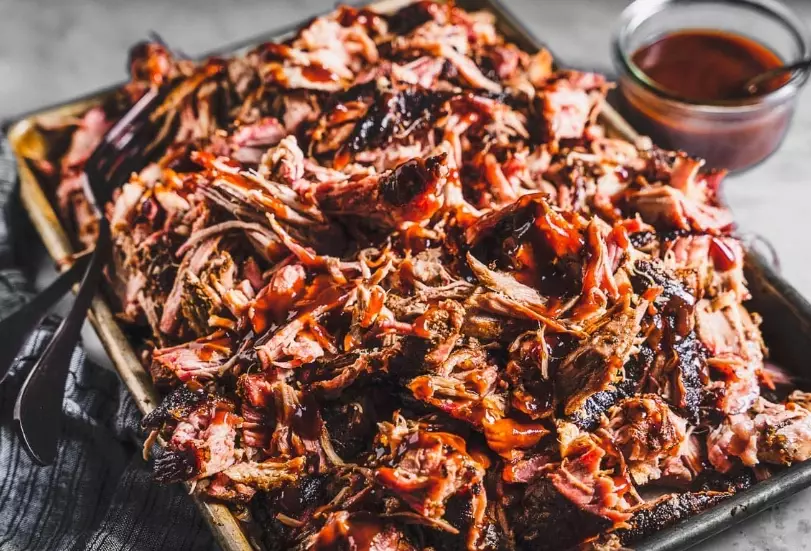
Is it necessary to use liquid if I'm wrapping my pork in butcher paper?
Not necessarily, but it can help. The butcher paper wrap (the "boat" method) allows some steam to escape, creating a different texture. Many pitmasters who use paper don't add extra liquid, relying on the meat's own rendered fat. If you find your paper-wrapped pork is a bit dry, try adding just a ¼ cup of your liquid mix to the bottom of the paper boat before sealing it up tight.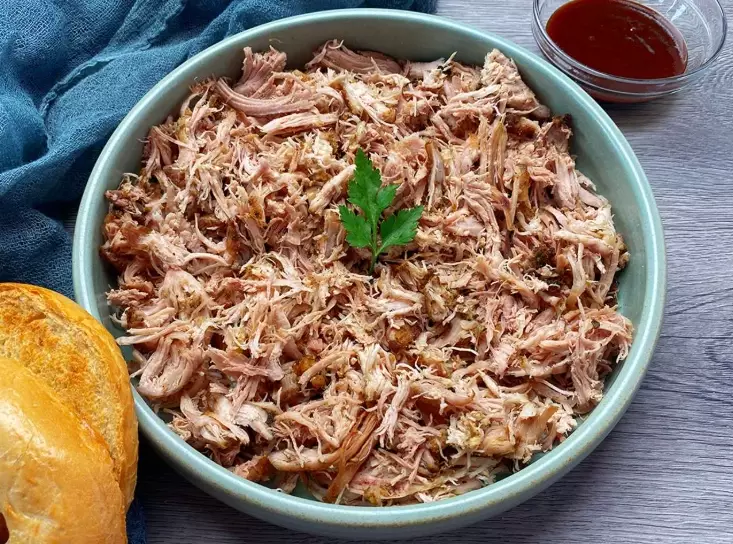
How long can I keep the leftover braising liquid, and what else can I use it for?
Strain it, let it cool, and store it in the fridge for up to 4 days or freeze it for 3 months. It's incredible as a base for baked beans—just add it to your canned beans instead of water. Use it to deglaze a pan for a quick pork gravy, or as the cooking liquid for a pot of collard greens or black-eyed peas. It's pure flavor.
So, what liquid is good for pulled pork? The answer is any liquid that brings balance—acid, sweet, savory—and that you don't waste at the end. Start with the all-purpose champion mix, save those drippings, and drizzle them back. That single act will elevate your pulled pork from good to legendary. Now go fire up that cooker.
Reader Comments