You've got a beautiful chuck roast, your crock pot is clean and ready, and then the question hits you. Do I need to add liquid? The recipe you glanced at online says yes, but your friend swears she never does. Who's right? The short, frustrating answer is: it depends. But that's not helpful. Let's cut through the confusion. The real question isn't just about adding liquid; it's about understanding how a slow cooker works and what your specific piece of meat needs to become fall-apart tender, not a dry, chewy disappointment.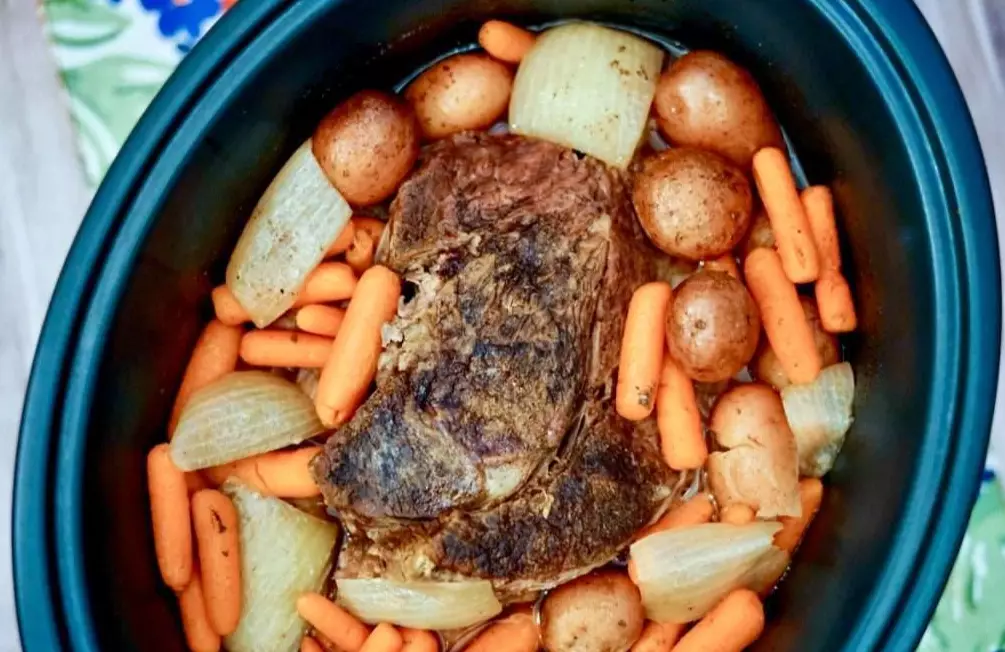
In This Article: Your Quick Navigation
Understanding Moisture in Slow Cooking: It's Not a Dutch Oven
This is the biggest point of confusion. A slow cooker is a sealed, moist environment. When the lid is on correctly, the moisture that evaporates from the food (and any liquid you add) hits the lid, condenses, and drips back down. It's a self-basting system. This is fundamentally different from braising in a Dutch oven in your regular oven, where moisture can escape into the air, making added liquid more critical to prevent burning.
I learned this the hard way. Early on, I treated my crock pot like a regular pot and drowned a perfectly good roast in beef broth. Eight hours later, I had boiled, stringy meat floating in a vast sea of thin, flavorless juice. The meat was cooked, but it had no concentrated, roasted flavor. It was soup with meat, not a savory, tender roast.
When You MUST Add Liquid to Your Crock Pot Roast
There are specific scenarios where skipping liquid is a direct path to a bad meal.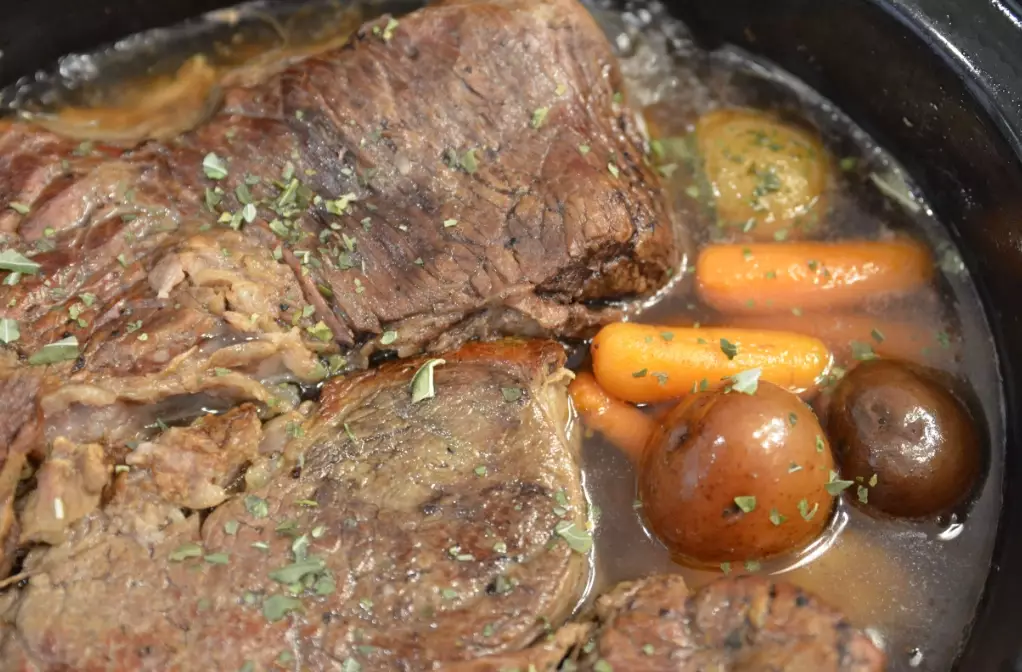
1. You're Cooking a Very Lean Cut
Think eye of round, top round, or sirloin tip. These cuts have little intramuscular fat or connective tissue to melt and self-baste. Without a protective layer of liquid or a very fatty cooking method, they will tighten up and become dry in the long, low heat. For these, a cup or two of broth, wine, or a sauce is insurance.
2. You Want a Lot of Gravy or Sauce
This is obvious but worth stating. If your goal is a rich gravy to pour over mashed potatoes, you need liquid to start with. The meat juices alone won't be enough volume. You're using the slow cooker to develop flavor in that liquid.
3. Your Recipe Includes Raw, Dense Vegetables
Potatoes, carrots, and celery placed under or around the roast need some ambient moisture to steam and soften properly. If you just throw them in dry with a dry roast, they might scorch on the bottom or remain too firm. A half-cup to a cup of liquid helps them cook evenly.
When You Can (or Should) Skip Added Liquid
This is where you can break the "rule" and get superior results.
1. You're Using a Well-Marbled, Fatty Cut
Chuck roast, pork shoulder (Boston butt), and brisket (point cut) are kings of the slow cooker for a reason. They are riddled with fat and collagen. As they cook for 8-10 hours on low, that fat renders and the collagen converts to gelatin, creating an incredibly moist, self-basting environment. I often cook a 4-pound chuck roast with nothing but a heavy seasoning rub. The result is a concentrated, "roasted" flavor you can't get when it's simmering in broth.
Try it once: Season a chuck roast generously. Place a rough-cut onion on the bottom of the pot to act as a trivet and prevent direct contact. Put the roast on top. Cook on low for 8 hours. You'll be shocked by the amount of flavorful juice in the pot, all from the meat itself.
2. You're Using a Condensed or Water-Rich Sauce
Are you dumping a can of cream of mushroom soup over the roast? That's your liquid. Making a roast with a bottled BBQ sauce or a mixture of soy sauce, honey, and ketchup? The viscosity and water content in those sauces are sufficient. Adding extra broth here waters everything down.
3. You're Pre-Seared and Going for Maximum Flavor
Searing the roast in a skillet before it goes in the pot creates a fantastic crust (the Maillard reaction). If you then submerge that crust in liquid, you essentially wash it off, negating the effort. For a seared roast, minimal liquid (maybe a half cup of wine to deglaze the skillet, which you then pour in) or none at all is the way to go.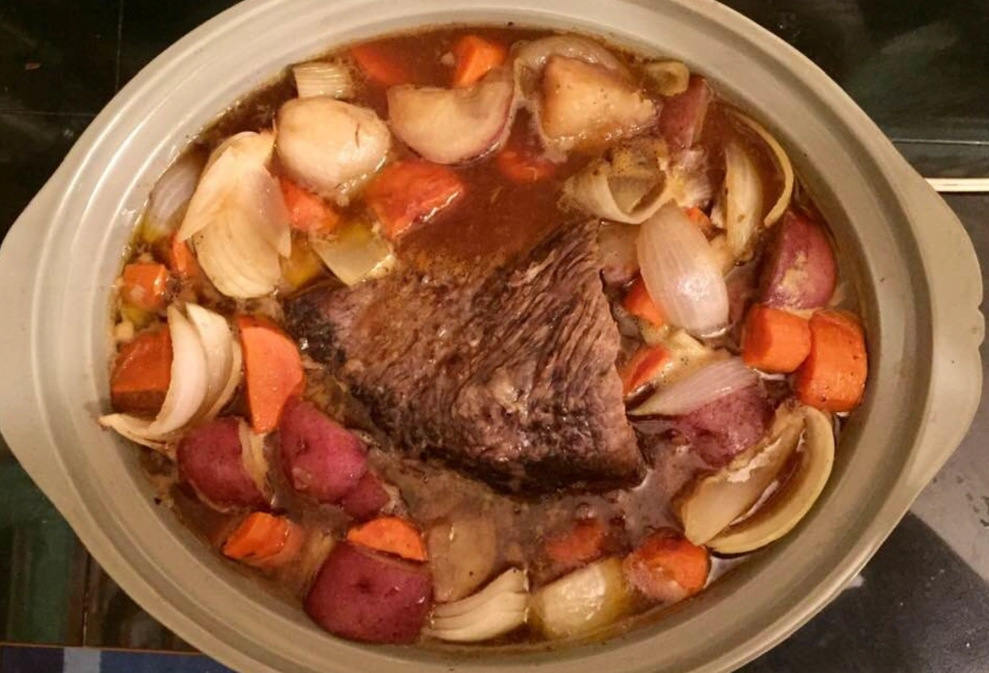
How to Add Liquid Correctly (If You Do)
Okay, you've decided your specific situation calls for liquid. Doing it wrong can still ruin things. Here’s the method.
Less is More. Start with a small amount. For a 3-4 pound roast, 1/2 to 1 cup of liquid is almost always plenty. You can add more later if needed for gravy, but you can't take it out.
Flavor is Key. Never use just plain water. It dilutes flavor. Choose a liquid that adds to the dish:
| Liquid Option | Best For | Pro Tip |
|---|---|---|
| Beef or Chicken Broth/Stock | Classic pot roast, creating gravy base. | Use low-sodium to control saltiness. |
| Red Wine or Beer | Adding depth and richness (e.g., Mississippi Pot Roast). | Let it cook off the alcohol for 30 mins on high first, or use it to deglaze your searing pan. |
| Tomato Juice or Crushed Tomatoes | Italian-style roasts, adding acidity. | Acids can sometimes slow meat tenderization; add later if concerned. |
| Worcestershire Sauce + Water | A quick umami boost. | Mix 1/4 cup sauce with 3/4 cup water. |
Position Matters. Don't let the roast swim. Ideally, the liquid should come no more than 1/3 to 1/2 way up the side of the meat. The top should be exposed to the steam environment, not boiled.
Common Crock Pot Roast Liquid Mistakes to Avoid
After years of teaching cooking classes, I see the same errors repeatedly.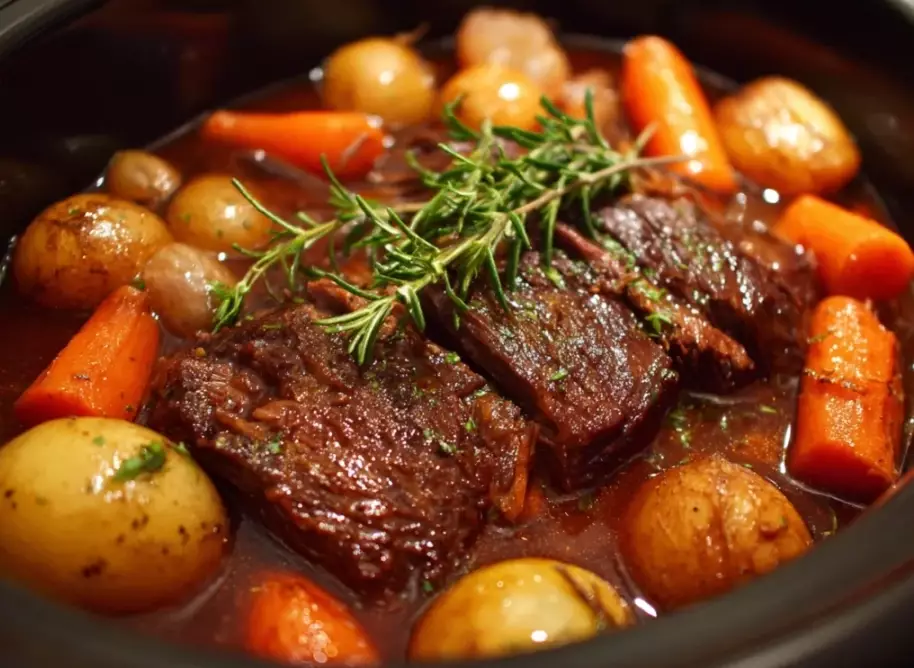
Mistake 1: The "Just in Case" Flood. Filling the crock pot halfway with water or broth because you're scared of drying out. This guarantees boiled, flavorless meat. The USDA emphasizes that moist heat cooking is safe, but it doesn't require a bath.
Mistake 2: Not Accounting for Vegetable Water. Onions, mushrooms, and celery release a surprising amount of water as they cook. If your recipe is loaded with these, you need even less added liquid. I once added a cup of broth to a roast on a bed of onions and ended up with a soupy mess.
Mistake 3: Using the Liquid as a Dump Zone. Throwing in random herbs and spices that just float in the liquid and never adhere to the meat. Season the meat itself aggressively first. The liquid will catch the seasoning that falls off.
Mistake 4: Peeking. Every time you lift the lid, you release precious steam and heat, significantly increasing cooking time and disrupting that condensation cycle. Trust the process.
Your Crock Pot Liquid Questions Answered
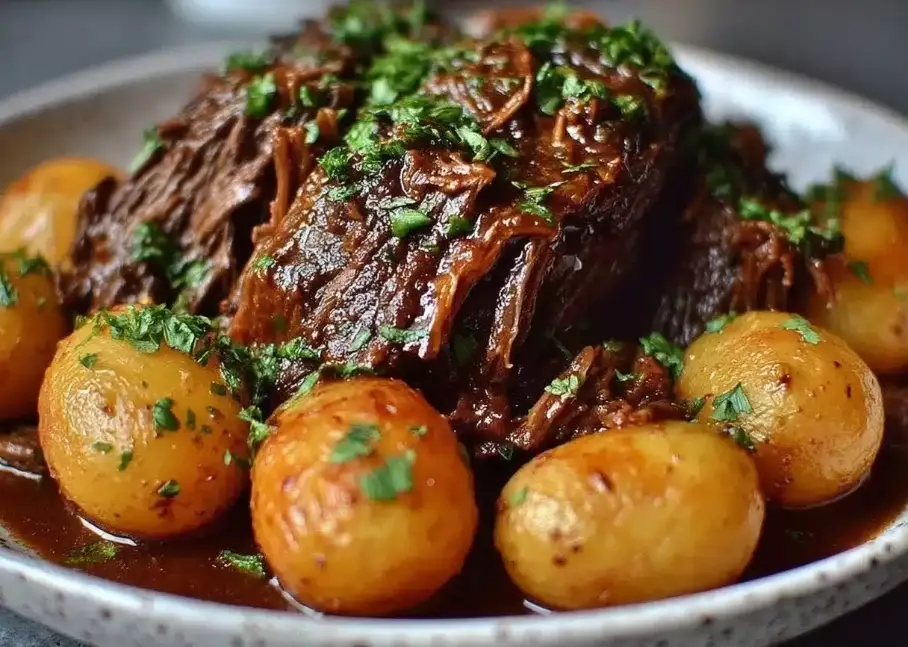 The final verdict? Stop thinking of your crock pot as a pot that needs to be filled. Think of it as a sealed, steamy environment. For fatty cuts, let the meat's own magic do the work. For leaner cuts or gravy-focused dishes, add a modest amount of flavorful liquid with intention. Your roasts will be more flavorful, more tender, and far more impressive.
Reader Comments