Quick Navigation
Let's be honest. We've all been there. You toss some beef into the slow cooker, wait eight hours with that delicious smell filling the house, only to be greeted by dry, tough, stringy meat that makes you want to order pizza instead. It's a special kind of kitchen disappointment. I've had my share of those failures, and it took me a while to figure out it was never my recipe or my slow cooker's fault. It was always the beef.
The single most important decision for a legendary stew isn't the herbs, the wine, or even the cook time. It's the cut of beef you choose at the store. Get this wrong, and no amount of cooking magic can save you. Get it right, and you're a hero. So, let's cut through the noise and talk about the real best beef for slow cooker stew.
The Core Principle: The best beef for slow cooker stew isn't the most expensive or the leanest. It's the cut with the most connective tissue, marbling, and collagen. These are the very things we're often told to avoid, but in the low-and-slow, moist environment of a crockpot, they transform into meltingly tender, gelatin-rich, deeply flavorful bliss. Lean cuts like sirloin or tenderloin? They belong on a grill, not in your stew pot.
Why Tough Cuts Become Tender Heroes in the Slow Cooker
You might wonder why a cheap, tough piece of meat is better than a premium steak. It's all about science, not snobbery. Muscles that work hard (like the shoulder or leg) develop more connective tissue—think of it as the body's natural packing material. This tissue is made of collagen, a tough protein.
Now, here's the magic. When collagen is subjected to low, moist heat for a long time (exactly what your slow cooker does), it breaks down into gelatin. Gelatin is what gives stew its luxurious, silky mouthfeel and body. It's what makes the meat seem to fall apart at the touch of a fork. That rich, unctuous sauce that coats your spoon? Thank gelatin.
Meanwhile, the intramuscular fat (marbling) slowly renders throughout the cooking process, basting the meat fibers from the inside out, keeping them juicy and infusing them with flavor. A lean cut has no such protection. It just dries out.
So when you're searching for the best beef for your slow cooker stew, you're actually hunting for the beef that seems the least appealing for a quick fry. Funny, right?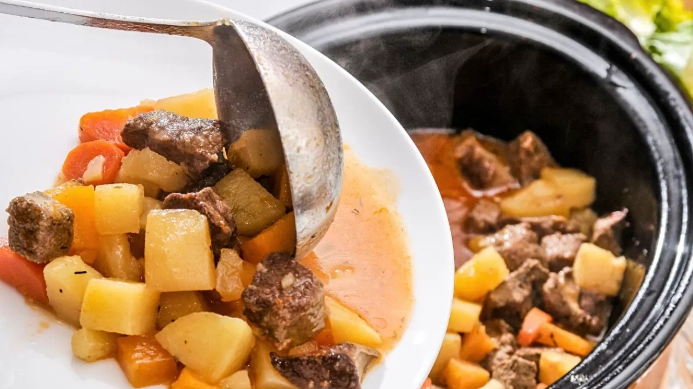
The Champion, The Contenders, and The Cut to Avoid
Let's break down the lineup. I've made stews with just about every cut imaginable, and the results are… not always pretty. This table should save you a lot of time and money.
| Beef Cut | Why It's Good for Stew | The Downside / Watch Out For | My Personal Take |
|---|---|---|---|
| Chuck Roast / Chuck Steak | The undisputed king. Perfect fat-to-meat ratio, loaded with collagen from the shoulder. Shreds beautifully. Forgiving and consistent. | Can have large chunks of hard fat that won't render; needs trimming. Sometimes labeled vaguely as "stew meat." | This is my 95% go-to. It's affordable, reliable, and delivers every single time. The true best beef for slow cooker stew for most people. |
| Beef Brisket (Point Cut) | Extremely flavorful, incredibly rich. Becomes unbelievably tender. Creates a spectacularly deep, beefy broth. | Very fatty, requires significant trimming. Can be pricier than chuck. The flat cut is leaner and less ideal. | A special occasion choice. The flavor is incredible, but it's almost *too* rich for a weekday stew. Makes a killer result though. |
| Short Ribs (Bone-in or Boneless) | Off-the-charts beefy flavor. Marbling is insane. The bone adds depth. The meat pulls off in glorious, thick strands. | Expensive. You get less meat per pound due to bone/fat. Can be greasy if not skimmed. | The luxury option. If money is no object, this makes the most decadent, restaurant-quality stew. A real treat. |
| Oxtail | The most gelatinous cut. Produces the thickest, most luxurious sauce imaginable. Unique, profound flavor. | Very bony, very little meat. Can be hard to find and expensive. Longest cook time. | Not for every stew, but if you want a sauce that coats like a gravy dream, this is your secret weapon. I use it mixed with chuck sometimes. |
| Round / Rump Roast (Bottom or Top Round) | Very lean, readily available, often sold as pre-cubed "stew meat." | LEAN = DANGER. High risk of drying out and becoming tough. Lacks connective tissue. Requires precise timing. | I avoid it for stew. It's the number one reason for tough stew. If it's all you have, cook it for a much shorter time (4-5 hrs on low). |
| Shank (Cross-cut) | Loaded with collagen from the leg muscle. Beautiful marrow in the bone enriches the sauce. | Meat is clustered around a central bone, so cutting is tricky. Can be sinewy. | A fantastic, underrated choice. The marrow is a flavor bomb. Requires a long, long cook but rewards patience. |
See that last one? Round roast. That's the trap. Supermarkets love to sell pre-cut cubes of lean round and call it "stew meat" because it's easy for them. It's a setup for failure. Don't fall for it.
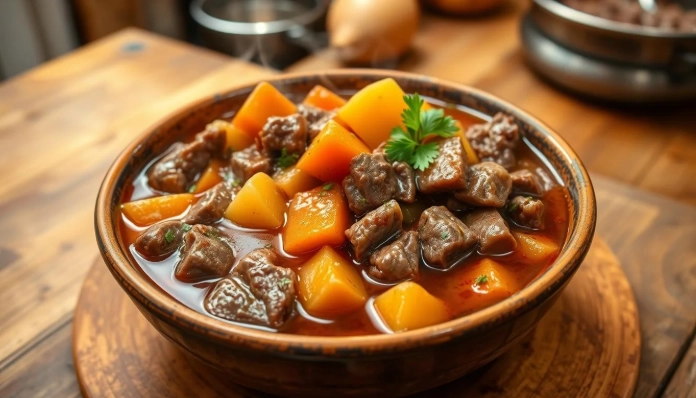 The right cut does 80% of the work for you.
How to Pick and Prep Your Beef: A Butcher's Eye View
Okay, so you're at the store, heading for the chuck roast. Here's what to do next.
Buying Smart: Look for the Signs
First, don't grab the first package you see. Look for marbling—those thin white streaks of fat running through the meat, not just big solid chunks around the edges. More marbling equals more flavor and juiciness. Color is important too; it should be a bright, cherry red, not a dull brown or grayish hue.
If you can, talk to the butcher. Seriously. Ask for a chuck roast from the shoulder clod, or a nicely marbled piece of chuck for stew. They'll know exactly what you need and might even cut it fresh for you, which is always better than pre-packaged. A good relationship with your butcher is worth its weight in gold (or beef).
Pro Tip: If you only see lean "stew meat," buy a whole chuck roast or a thick chuck steak and cube it yourself at home. It takes 5 extra minutes and guarantees you have the right stuff. I do this every time.
The Art of the Trim and Cube
You've got your chuck roast. Now, pat it dry with paper towels—this is crucial for browning. Use a sharp knife. Trim off any large, hard caps of pure white fat. These won't render fully and will leave unpleasant waxy bits in your stew. Don't go crazy; leave the marbling alone!
Cutting size matters. Too small (under 1 inch), and the pieces can overcook and become mushy. Too large (over 2 inches), and they might not cook evenly. I aim for 1.5 to 2-inch cubes. They shrink a bit, and you get a nice, substantial bite.
Here's a personal rule: I salt my cubes generously about 30 minutes before I start cooking. Just on a plate, with kosher salt. It seasons the meat deeper than salting the stew later. Try it once, and you'll never skip it.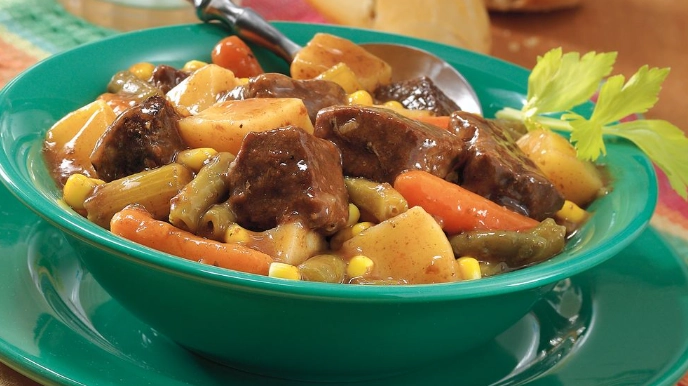
To Sear or Not to Sear? (The Great Debate)
This divides kitchens. Browning the meat in a hot pan before it goes in the slow cooker creates a ton of flavor through the Maillard reaction—those delicious brown bits (fond) in the pan. It adds a deep, roasty, complex layer you just can't get from boiling.
Is it mandatory? No. Will your stew be edible without it? Yes. But will it be spectacular? Probably not.
My take: If I have 10 extra minutes, I sear. I do it in batches in a screaming hot pan, don't crowd them, and get a good crust on at least two sides. Then, I deglaze that pan with a splash of my stew liquid (wine, broth) and pour every last drop of that flavor into the slow cooker. It's the difference between a good stew and a "wow, what did you put in this?" stew.
Confession: I've skipped the sear on rushed mornings. The stew is still good, thanks to the best beef for slow cooker stew doing its job. But I can always tell. There's a missing depth. So I try not to skip it.
Your Slow Cooker Beef Stew FAQs Answered
I get a lot of questions from friends about this. Here are the real-world answers.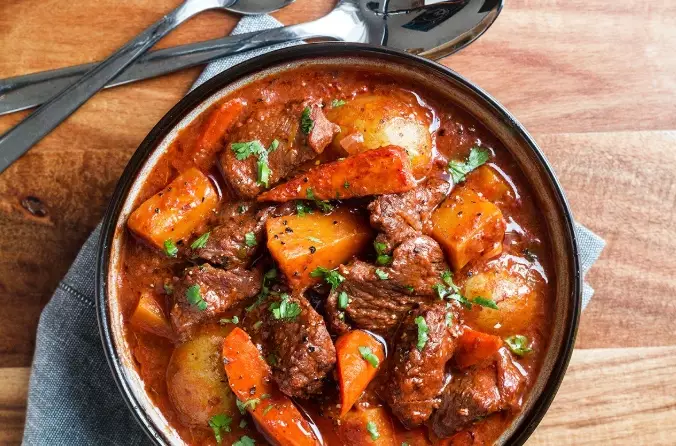
Can I use "stew meat" from the store?
You can, but you must check what cut it is. If it's labeled and says "chuck," you're golden. If it just says "beef stew meat," it's almost always lean round. Ask the butcher, or play it safe and cut your own from a chuck roast. It's the surest path to finding the best beef for your slow cooker stew.
Is it okay to cook the stew on HIGH for less time?
This is a common shortcut, but it's risky. High heat doesn't give the collagen enough time to break down properly. You might get meat that's cooked through but still tough and chewy. Low and slow is the rule for a reason. If you're short on time, consider a pressure cooker instead. For the slow cooker, plan for 7-9 hours on LOW. Trust the process.
How much liquid do I really need?
Less than you think. The meat and vegetables will release a lot of water. The slow cooker lid is very tight, so hardly any evaporates. You only need enough liquid to come about halfway up the contents. Too much liquid and you'll have a watery, diluted soup. I start with less—I can always add a bit of broth later if it seems too thick.
Why is my meat still tough?
Two main reasons: 1) You used a lean cut (like round). 2) It hasn't cooked long enough. Even chuck roast can be tough if you take it out too early. If it's tough, just put the lid back on and cook it longer. It might need another hour or two. The connective tissue isn't done transforming yet.
Should I add the vegetables at the start?
Root vegetables like potatoes, carrots, and parsnips are fine at the start. Softer vegetables like peas, green beans, or zucchini will turn to mush. Add those in the last 30-60 minutes of cooking. Mushrooms are a funny one—I like to sauté them with the onions for more flavor before adding.
A Few More Nuggets of Wisdom (Learned the Hard Way)
Let me save you some grief with a few final thoughts.
Don't over-stir. Every time you take the lid off, you release heat and steam, adding 15-20 minutes to your cook time. Set it and leave it alone.
Acidity is your friend. A tablespoon of tomato paste, a splash of red wine vinegar, or a half-cup of dry red wine at the beginning helps balance the richness and can actually help tenderize the meat further.
Thicken at the end. If your stew is too thin after cooking, mix a tablespoon of cornstarch with two tablespoons of cold stew liquid to make a slurry. Stir it in, turn the cooker to HIGH, and let it cook uncovered for 15-20 minutes. It'll thicken right up.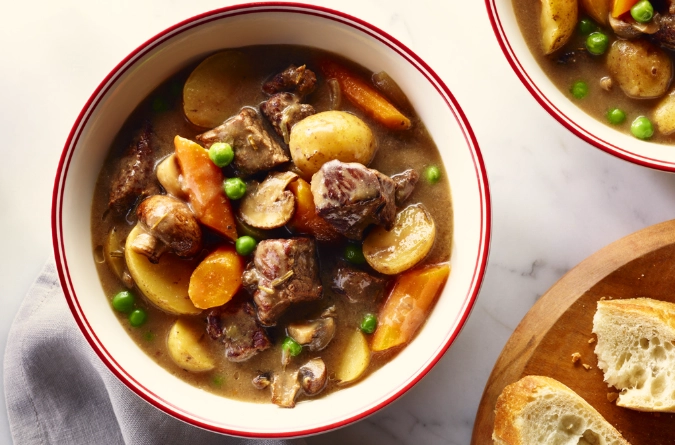
Finally, let's talk about grading. You might see USDA Prime, Choice, or Select. For stew, USDA Choice is the sweet spot—good marbling without the Prime price tag. Select will be leaner. The USDA website has clear definitions if you're curious about the official standards. The main thing is to look for the marbling in the piece itself, regardless of the label.
So, there you have it. The secret is out. The best beef for slow cooker stew isn't a mystery. It's the humble, marbled, collagen-rich chuck roast. Treat it right—trim it, cube it, sear it for bonus points, and give it the long, slow bath it deserves. It will reward you with a stew that’s deeply satisfying, incredibly flavorful, and guaranteed to have everyone coming back for seconds.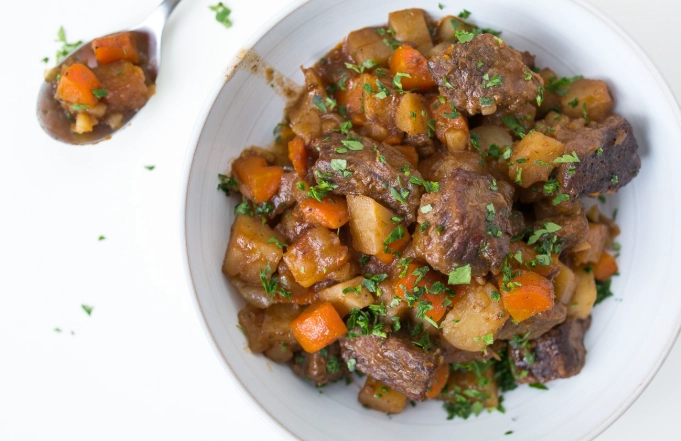
Now go grab a chuck roast and get cooking. Your best stew is waiting.
Reader Comments