Quick Navigation
- Why Brisket and Slow Cookers Are the Perfect Pair
- What You Absolutely Must Do Before the Brisket Hits the Pot
- The Slow Cooker Process: A Step-by-Step Walkthrough
- Flat Cut vs. Point Cut: A Slow Cooker Showdown
- Turning Good Brisket into Great Brisket: Flavor Boosters & Finishing Touches
- Beyond the Basics: Resources and Science
- The Final Verdict
You know that feeling when you're standing in the grocery store, staring at a big, beautiful piece of beef brisket, and your mind starts racing? You're thinking about that slow cooker sitting on your counter, practically begging to be used. But then the doubt creeps in. Is beef brisket good for a slow cooker? I mean, really good? Or are you about to waste a perfectly good (and let's be honest, not cheap) cut of meat on a cooking experiment that might end in tough, dry disappointment?
I've been there. I've had my share of slow cooker successes and, frankly, some dismal failures. The first time I tried brisket in the crockpot, I was so nervous I checked it every hour. That was a mistake, by the way—don't do that. But after years of trial, error, and talking to butchers and fellow home cooks, I can give you a straight answer.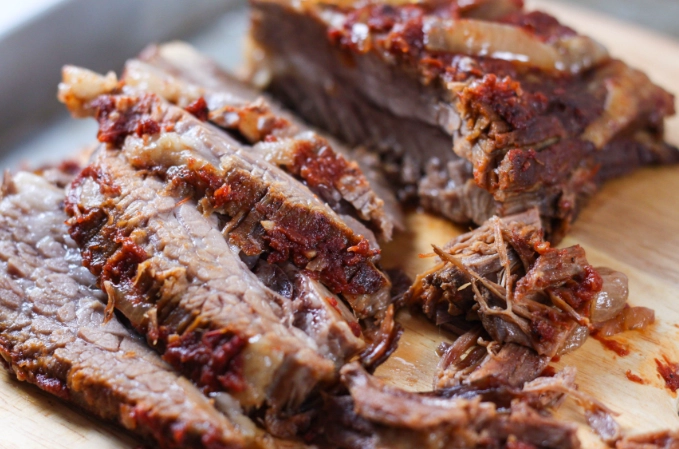
The short answer is a resounding YES. Beef brisket and a slow cooker are a match made in culinary heaven. In fact, I'd argue it's one of the best ways to cook this particular cut. The long, gentle, moist heat of a slow cooker is practically designed to tackle the unique challenges brisket presents.
But why? And how do you do it right? That's what we're going to dive into. This isn't just a simple yes or no article. We're going to unpack the science, the technique, and all the little secrets that turn a good slow cooker brisket into a great one. Whether you're a weekend cook or someone who uses their slow cooker more than their oven, you'll find what you need here.
Why Brisket and Slow Cookers Are the Perfect Pair
Let's start with the basics. What even is brisket? It's not like a steak or a roast. Brisket comes from the lower chest or breast of the cow. This is a muscle that works hard—really hard. Think about it: that area supports a lot of the animal's weight. All that work means the muscle develops a lot of connective tissue. That tissue is what makes a poorly cooked brisket tough and chewy. But it's also the secret to its potential greatness.
Connective tissue, mainly collagen, is like nature's flavor packet. When you subject it to low, slow heat for a long time, something magical happens. The collagen slowly melts and transforms into gelatin. This process, called rendering, is what gives properly cooked brisket its legendary, fall-apart tenderness and that rich, unctuous mouthfeel. It's the difference between chewing on a shoe leather and a piece of meat that practically dissolves on your tongue.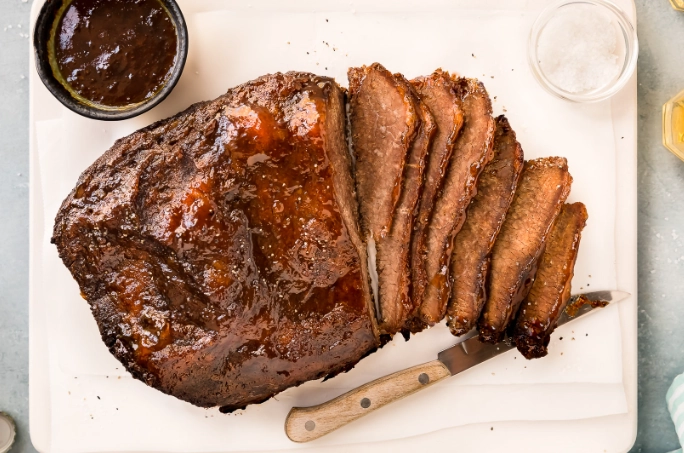
This is precisely where the slow cooker shines. Its design is all about maintaining a low, steady, moist heat environment for hours on end. An oven can dry things out. A pot on the stove requires vigilance. A slow cooker? You set it and (mostly) forget it. It provides the perfect, gentle simmer needed to coax that collagen into submission without ever boiling the meat, which would make it tough.
So, is beef brisket good for a slow cooker? It's not just good; it's ideal. The appliance solves the very problem the cut presents.
I remember my grandma, who was a no-nonsense cook from Texas, telling me, "Honey, the crockpot is for the tough stuff. The stuff that needs a long talk with some heat." She was right. She'd never use it for a tenderloin, but for brisket? It was her go-to.
What You Absolutely Must Do Before the Brisket Hits the Pot
Okay, so we've established that yes, beef brisket is fantastic for a slow cooker. But you can't just dump it in and hope for the best. The prep work is non-negotiable if you want restaurant-quality results at home. Skipping these steps is the number one reason people end up with mediocre brisket.
Choosing the Right Piece of Meat
This is where it all begins. Not all briskets are created equal. You'll typically find two main cuts at the store:
- The Flat Cut: This is leaner, more uniform in shape, and has a visible fat cap on one side. It's what you often see in delis for sandwiches. It's great for slicing neatly.
- The Point Cut (or Deckle): This is fattier, more marbled throughout, and has a more irregular shape. This fat melts during cooking, making it incredibly juicy and flavorful. It's perfect for shredding.
For a slow cooker, I almost always recommend the point cut. The extra fat and marbling are insurance against drying out during the long cook. If you can only find a flat cut, that's fine—just be extra mindful not to overcook it. Look for a piece with good marbling (those little white streaks of fat within the muscle) and a nice, thick fat cap (about 1/4 inch is perfect).
What about grading? USDA Prime has the most marbling, but Choice is excellent and more common. Select will work but requires more careful cooking. Don't stress too much about it; a well-cooked Choice brisket will beat a poorly cooked Prime one any day.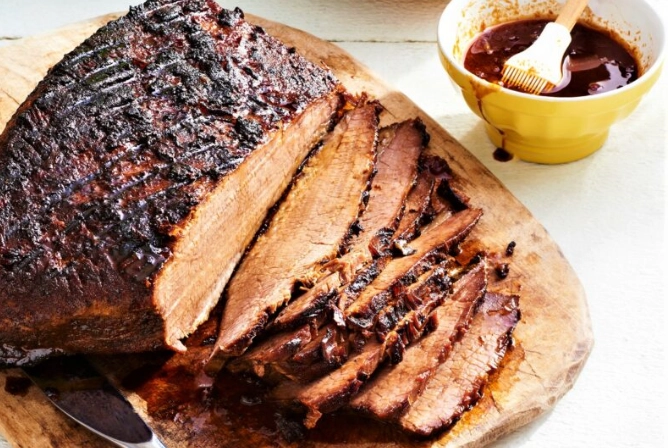
The Crucial Step: Trimming and Seasoning
Here's a step many rush through. Take your time. Pat the brisket completely dry with paper towels. This helps any seasoning stick and promotes better browning later.
Trimming: You don't want to remove all the fat. That fat cap is flavor and moisture. Just trim any really hard, thick chunks of fat that won't render down. Leave a nice, even layer.
Now, seasoning. This is not the time to be shy. Brisket is a big, thick piece of meat. A sprinkle of salt and pepper won't penetrate. You need a hearty rub. A classic Texas-style rub is just coarse salt and coarse black pepper (a 50/50 ratio by volume works wonders). It's simple but lets the beef flavor shine. If you like more complexity, add garlic powder, onion powder, paprika, or a touch of chili powder.
Pro Tip: Season your brisket generously on all sides, wrap it in plastic, and let it rest in the fridge for at least an hour, or even overnight. This "dry brine" allows the salt to season the meat deeply, resulting in a much tastier final product from the inside out.
To Sear or Not to Sear?
This is a big debate. Searing—browning the meat quickly in a very hot pan or under a broiler before slow cooking—creates something called the Maillard reaction. It's a complex chemical process that creates hundreds of new flavor compounds. Basically, it makes things taste more meaty, savory, and delicious.
My take? If you have 10 extra minutes, do it. It adds a depth of flavor that you just can't get from the slow cooker alone. Heat a heavy skillet (cast iron is best) with a little oil until it's smoking hot. Sear the brisket, fat-cap side down first, until you get a deep, dark brown crust on all sides. Don't move it around; let it sear properly. Those browned bits (fond) left in the pan are gold. Deglaze the pan with a bit of your cooking liquid (broth, wine, etc.) and pour that right into the slow cooker.
If you're in a huge rush, you can skip it. The slow cooker will still make a tender brisket. But the flavor will be a bit one-dimensional, more "boiled" than "roasted." I've done it both ways, and the seared version always wins with my family.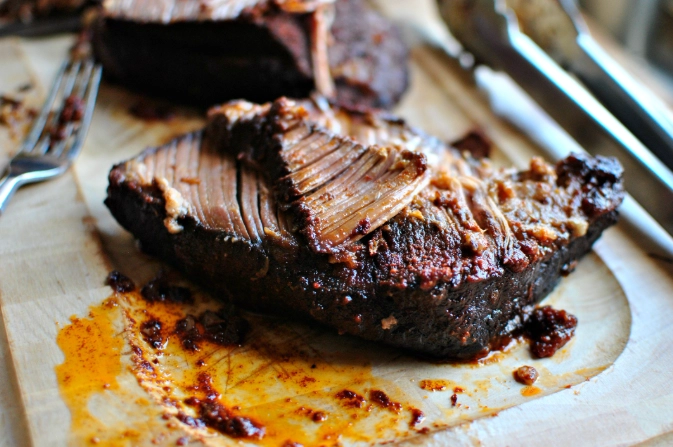
The Slow Cooker Process: A Step-by-Step Walkthrough
Now for the main event. Let's walk through exactly how to cook beef brisket in a slow cooker. I'm giving you the method that has never failed me.
- Layer Your Aromatics: Before the meat goes in, create a "rack" of flavor on the bottom of your slow cooker insert. Slice up an onion, a couple of carrots, and a few celery stalks (the classic "mirepoix") and toss them in. This lifts the meat slightly off the direct heat and their flavors will infuse the cooking liquid and the meat from below.
- Add the Liquid, But Not Too Much: This is a critical point. The slow cooker creates a sealed, moist environment. You do not need to submerge the brisket. In fact, you shouldn't. You only need enough liquid to come about 1/3 to 1/2 of the way up the side of the meat. Too much liquid and you're boiling/steaming it, which can wash away flavor and make the texture mushy. Good liquid choices: beef broth, a mixture of broth and red wine, beer (a stout or porter is amazing), or even just water with a splash of Worcestershire sauce.
- Place the Brisket: Place your seasoned (and seared, if you did it) brisket on top of the vegetables, fat-cap side up. This lets the melting fat baste the meat as it cooks.
- Set It and... Almost Forget It: Put the lid on. This is important—the lid traps the moisture and heat. Now, choose your setting. For a 3-4 pound brisket, I use the LOW setting for 8-10 hours. The HIGH setting for 4-6 hours can work, but I find LOW gives more consistent, tender results. The collagen breaks down best between 180-200°F (82-93°C), and LOW gets you there gently. Resist the urge to open the lid and check! Every time you do, you let out heat and steam, adding significant time to your cook.
- The Doneness Test: How do you know when it's done? It's not about internal temperature like a steak. It's about probe tenderness. When the cooking time is up, take a fork or a skewer and try to poke it into the thickest part of the meat. If it slides in and out with little to no resistance, like going into warm butter, it's done. If you meet any firmness or tug, it needs more time. Give it another 30-60 minutes on LOW and check again.
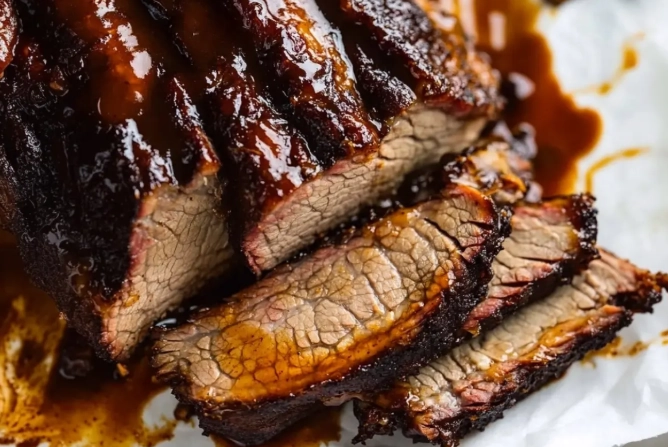
Common Mistake Alert: Overcooking is a real danger. Once the collagen has fully rendered and the meat is tender, continuing to cook will start to make the muscle fibers themselves contract and squeeze out moisture, leading to a dry brisket. The window between "perfectly tender" and "overcooked and dry" is smaller than you think. Start checking for tenderness at the lower end of the time range.
Flat Cut vs. Point Cut: A Slow Cooker Showdown
Let's get more specific. Since these two cuts behave differently, here’s a quick comparison to help you decide which is right for your slow cooker meal.
| Feature | Flat Cut (First Cut) | Point Cut (Second Cut / Deckle) |
|---|---|---|
| Shape & Fat | Leaner, more rectangular, fat cap on one side | Thicker, more irregular, heavily marbled throughout |
| Best For | Neat, uniform slices (e.g., for sandwiches) | Shredding or chopping (e.g., for tacos, nachos) |
| Forgiveness in Slow Cooker | Lower. Easier to dry out if overcooked. | Higher. Fat content protects against dryness. |
| Flavor Intensity | Clean, beefy flavor | Richer, more intensely beefy and juicy |
| My Personal Preference for Slow Cooking | Good, but requires more attention | My go-to choice for foolproof results |
See the difference? If you're new to this, grab a point cut. It's the more forgiving option. The question "is beef brisket good for a slow cooker?" is answered most emphatically with a well-marbled point cut.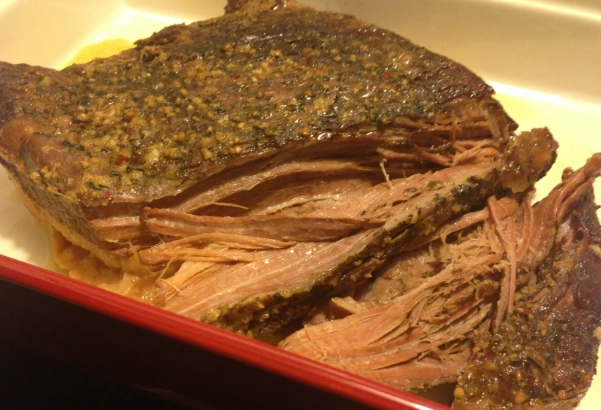
Turning Good Brisket into Great Brisket: Flavor Boosters & Finishing Touches
You've followed the steps, and you have a tender brisket. Now, let's make it unforgettable.
The Sauce or Glaze: The liquid left in your slow cooker is liquid gold—a concentrated, beefy, flavorful jus. You have two main paths here. For a Texas-style brisket, you can simply strain the juices, skim off the excess fat (save it for cooking potatoes!), and serve it alongside as an au jus. For a more BBQ-style dish, you can take about 2 cups of the strained juices, simmer it in a saucepan to reduce and thicken slightly, and then stir in your favorite barbecue sauce. Brush this mixture over the brisket and pop it under a hot broiler for 3-5 minutes to caramelize and create a sticky, gorgeous bark. This broiler step is a game-changer for texture.
The Rest is Not a Suggestion: When the brisket is done and tender, take it out of the slow cooker and place it on a cutting board. Do not slice it immediately. Tent it loosely with foil and let it rest for at least 20-30 minutes. This allows the juices, which have been forced to the center by the heat, to redistribute evenly throughout the meat. If you cut it right away, all those precious juices will run out onto the board, leaving you with dry slices.
Slicing Against the Grain: This is the final, critical technique. Look at the meat. You'll see lines running in one direction—this is the "grain," the direction of the muscle fibers. Take your sharpest knife and slice perpendicular (across) these lines. Cutting against the grain shortens the long, tough muscle fibers, making each bite much more tender. For the point cut, the grain can change direction, so pay attention and adjust your slicing angle.
Beyond the Basics: Resources and Science
If you're the curious type who likes to know the "why" behind the "how," here are a few fantastic, authoritative resources that dive deeper into the science of meat and slow cooking. These aren't just random blogs; they're respected sources that can help you become a true brisket expert.
For understanding beef cuts and grades on a official level, the United States Department of Agriculture (USDA) website is the primary source. Their documentation on beef grading (Prime, Choice, Select) explains what the marbling levels really mean.
When it comes to the detailed science of how heat affects collagen and muscle fibers, websites like Serious Eats, particularly the work of food scientist J. Kenji López-Alt, are invaluable. They break down complex kitchen chemistry into understandable, practical advice. While not a government site, it's widely regarded as a top-tier authority in the food science and home cooking space.
For a deep academic dive into meat science—covering everything from post-mortem changes to cooking methods—universities with strong agriculture programs are great. The Meat Science section from Texas A&M University is a renowned resource used by professionals and enthusiasts alike.
The Final Verdict
So, let's circle back to the original question that brought you here: Is beef brisket good for a slow cooker?
After all this, I hope the answer is crystal clear. It's not just good; it's one of the most reliable, satisfying, and crowd-pleasing things you can make in that appliance. The slow cooker's gentle, moist, hands-off environment is the exact opposite of brisket's tough, connective-tissue-rich nature. They complement each other perfectly.
The key isn't a secret ingredient or a magical timer. It's understanding the cut of meat you're working with and respecting the process. Choose a well-marbled piece (preferably the point cut), season it boldly, consider a quick sear for flavor, use just enough liquid, cook it low and slow until it's probe-tender, let it rest, and always slice against the grain.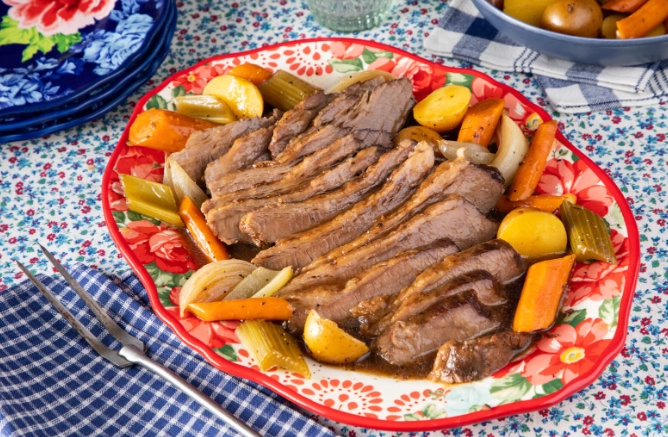
Follow that roadmap, and you will be rewarded with a brisket that's meltingly tender, deeply flavorful, and guaranteed to have people asking for your recipe. It turns a potentially intimidating cut into an accessible weekend project. Don't be afraid of it. Embrace it. Your slow cooker is waiting, and it's ready to make some brisket magic.
Now, go get that brisket. I'm hungry just thinking about it.
Reader Comments