Quick Navigation
- Why This Easy Beef Stew Recipe Actually Works
- Gathering Your Ingredients: A Simple Shopping List
- The Step-by-Step: Building Your Easy Beef Stew
- Your Toolkit: What You Really Need
- Making It Even Easier: The Slow Cooker and Instant Pot
- Storing, Freezing, and Reheating Like a Pro
- Answers to Your Beef Stew Questions (FAQs)
- A Few Final Thoughts and Variations
Let's be honest. The idea of beef stew can be intimidating. You picture hours at the stove, complicated steps, and the fear of ending up with tough, chewy meat in a watery broth. I've been there. My first attempt years ago was a sad, gray affair that tasted mostly of boiled carrots. But what if I told you a truly delicious, hearty beef stew doesn't have to be a weekend project? That you can get tender chunks of beef and a rich, flavorful gravy on the table in about an hour and a half, with most of that time being hands-off? That's the promise of this easy beef stew recipe.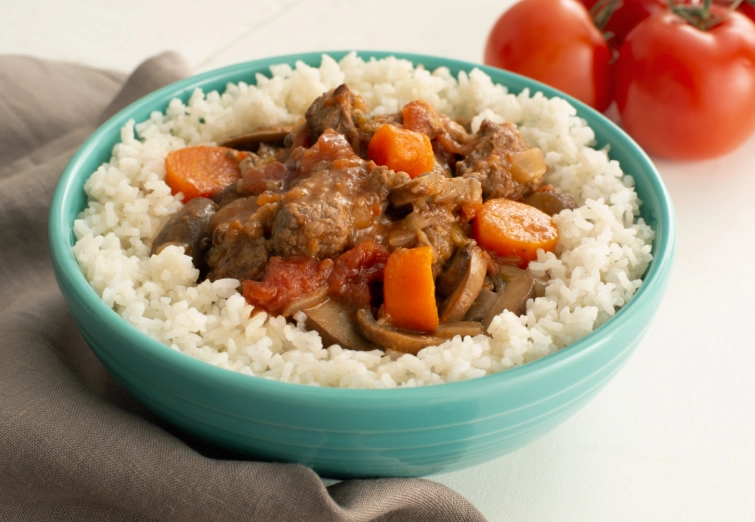
This isn't about cutting corners on flavor. It's about working smarter, not harder. We're going to break down exactly why certain steps matter (and which ones you can sometimes skip), what ingredients make the biggest difference, and how to adapt the method to your schedule, whether you have an afternoon, a slow cooker, or need dinner fast. Forget the fuss. This is about reliable, soul-warming results.
Why This Easy Beef Stew Recipe Actually Works
Most failed stews suffer from two problems: tough meat and thin gravy. They're connected. The toughness comes from cooking the beef wrong. You can't just throw raw beef into liquid and simmer it forever. Well, you can, but it'll be dry and stringy. The key is a good sear first. That brown crust on the meat (chefs call it the Maillard reaction) isn't just for looks. It creates a ton of complex flavor compounds that become the foundation of your entire stew. It's non-negotiable for a rich taste.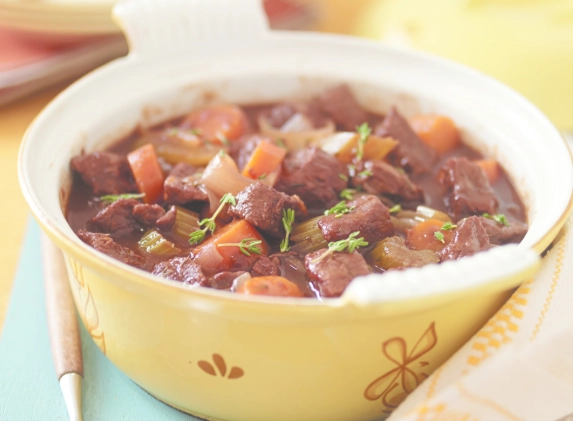
The thin gravy issue is usually a thickener problem. Some recipes rely only on a roux (cooked flour and butter) at the beginning, or a cornstarch slurry at the end. I find a one-two punch works best for an easy beef stew recipe that's both hearty and stable. We'll use a little flour on the meat before searing (which also helps with browning) and then let the natural starches from the potatoes do some work during the long simmer. It gives you a gravy with body that clings to the meat and vegetables, not something that pools at the bottom of the bowl.
Gathering Your Ingredients: A Simple Shopping List
One of the best things about a simple beef stew is the ingredient list. You probably have most of this already. Here's what you need, and more importantly, why you need it.
- Beef Chuck Roast (2-2.5 lbs): This is the star. Chuck is from the shoulder, a well-exercised muscle with great flavor and marbling. That fat and connective tissue melt during the long cook, making the meat incredibly tender. Don't use lean cuts like sirloin—they'll just get tough.
- All-Purpose Flour (3 tbsp): For coating the beef. It aids browning and acts as our primary thickener.
- Onions (2 medium), Garlic (4 cloves): The aromatic base. Yellow onions are perfect for their balance of sweetness and sharpness.
- Tomato Paste (2 tbsp): This is a flavor powerhouse. It adds a concentrated umami depth and a touch of sweetness that balances the savoriness.
- Red Wine (1 cup, optional but recommended): Use a dry wine you'd drink, like a Cabernet Sauvignon or Merlot. The alcohol cooks off, leaving behind acidity and fruitiness that brightens the stew. No wine? Use extra broth.
- Beef Broth (4 cups): The liquid foundation. Use a good quality, low-sodium broth. You can always add salt, but you can't take it out.
- Worcestershire Sauce (1 tbsp): A stealth ingredient. It adds a complex, savory, slightly tangy note that makes the flavor pop.
- Bay Leaves (2): A classic herb for stews. They give a subtle, woodsy background note. Remember to fish them out before serving!
- Carrots (4-5), Potatoes (1.5 lbs): The classic veg. Use waxy potatoes like Yukon Gold or red potatoes—they hold their shape better than starchy Russets.
- Frozen Peas (1 cup): Added at the very end for a pop of color and sweetness.
- Oil, Salt, Pepper, Thyme: The essentials.
Choosing Your Beef: A Quick Guide
Not all beef is created equal for stew. Here’s a simple breakdown to clear the confusion at the meat counter.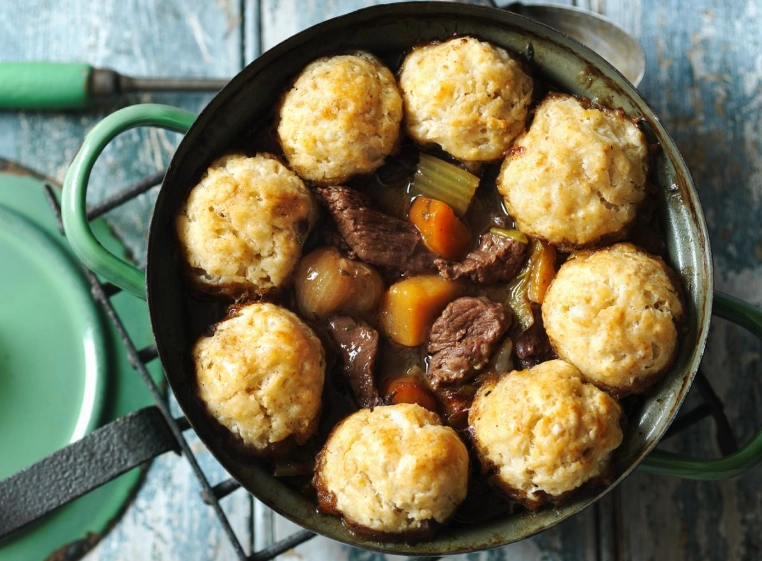
| Cut of Beef | Best For Stew? | Why | Personal Notes |
|---|---|---|---|
| Chuck Roast/Stew Meat | YES - The Best | Perfect fat marbling and connective tissue. Becomes fork-tender with slow cooking. | My absolute go-to. Buy a whole roast and cut it yourself for bigger, better chunks. |
| Round or Rump Roast | Okay, but not ideal | Leaner. Can work but requires careful cooking to avoid dryness. Less flavor. | I find the result a bit stringy sometimes. Only use if it's all you can find. |
| Sirloin or Tenderloin | NO | Too lean and expensive. Will become tough and dry with long braising. | A waste of good (and pricey) steak. Save these for quick-cooking methods. |
| Short Ribs (boneless) | YES - Luxury Option | Extremely rich, fatty, and flavorful. Makes an incredibly decadent stew. | My choice for a special occasion. It's pricier, but the flavor is unreal. |
The Step-by-Step: Building Your Easy Beef Stew
Okay, let's get cooking. This process is more about patience than skill. I'll walk you through each stage.
Step 1: Prep and Sear the Beef
Cut your chuck roast into 1.5 to 2-inch chunks. Bigger is better here—they shrink. Pat them bone-dry. Toss in a bowl with the flour, 1 tsp salt, and 1/2 tsp black pepper. Heat 2 tablespoons of oil in a large, heavy-bottomed pot or Dutch oven over medium-high heat. You want it shimmering but not smoking.
Add the beef in a single layer, don't crowd the pot. Do it in batches. Crowding steams the meat. Let it sit undisturbed for 3-4 minutes until a deep brown crust forms, then flip and brown the other sides. This takes about 10 minutes per batch. Transfer the browned beef to a plate. Those browned bits left in the pot? Liquid gold. Don't scrub them out.
Step 2: Build the Flavor Base
In the same pot, add a touch more oil if needed, and throw in your chopped onions. Cook for 5-6 minutes until softened. Add the garlic and cook for just 30 seconds until fragrant—burnt garlic is bitter. Now, stir in the tomato paste. Cook it, stirring, for a full minute. You'll see it darken slightly and start to stick to the pot. That's good.
Step 3: Deglaze and Simmer
Pour in the red wine (or broth). As it hits the hot pot, use a wooden spoon to scrape up all those wonderful browned bits from the bottom. This is called deglazing, and it's the second most important step after searing. Let it bubble and reduce by about half. This cooks off the raw alcohol taste and concentrates the flavor.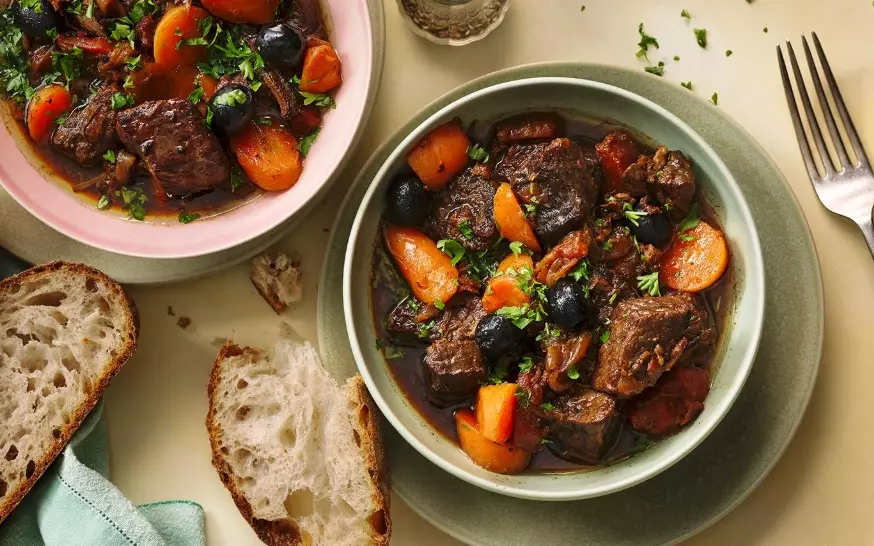
Add the beef back in, along with any accumulated juices. Pour in the beef broth, Worcestershire sauce, bay leaves, and a teaspoon of dried thyme. Bring it to a gentle simmer, then reduce the heat to low. Cover the pot, leaving the lid slightly ajar. Let it simmer gently for 60 minutes. A hard boil will make the meat tough.
Step 4: Add the Vegetables and Finish
After an hour, your beef should be starting to get tender. Add your chunked carrots and potatoes. Submerge them in the liquid as best you can. Cover again (slightly ajar) and simmer for another 30-45 minutes, until both the vegetables and beef are fork-tender.
Finally, stir in the frozen peas. They only need 5 minutes to heat through. Taste the stew. This is where you adjust the seasoning. Does it need more salt? A crack of black pepper? Maybe a splash of Worcestershire for more punch? Make it yours.
Your Toolkit: What You Really Need
You don't need fancy gear for this easy beef stew recipe. But the right pot makes a difference.
- A Heavy Dutch Oven (5-7 qt): This is the MVP. Enameled cast iron distributes heat evenly and holds temperature perfectly for the long simmer. It's also great for getting a good sear. A thick-bottomed stockpot is a decent backup.
- A Good Chef's Knife: For prepping the beef and vegetables safely and easily.
- Wooden Spoon or Spatula: For scraping up the fond without scratching your pot.
- Ladle and Bowls: For serving this masterpiece.
That's it. No special gadgets required.
Making It Even Easier: The Slow Cooker and Instant Pot
Maybe you're out all day, or just want to push a button. This easy beef stew recipe adapts beautifully.
Slow Cooker Method
Follow Steps 1 and 2 (searing the beef and cooking the onions/garlic/tomato paste) in a skillet on the stove. This step is still crucial for flavor—don't skip it and just dump raw ingredients in. Transfer everything from the skillet to your slow cooker. Add the broth, Worcestershire, herbs, and raw carrots and potatoes. Cook on LOW for 7-8 hours or HIGH for 4-5 hours. Stir in peas 15 minutes before serving.
Instant Pot / Pressure Cooker Method
Use the Sauté function to do Steps 1 and 2 directly in the pot. Deglaze with the wine/broth, scraping the bottom well to avoid a "burn" warning. Add everything except the peas. Seal the lid and cook on High Pressure for 35 minutes, followed by a 15-minute natural pressure release. Quick release any remaining pressure, stir in peas, and let them warm through with the residual heat.
Honestly, while the appliances are convenient, I still prefer the stovetop method for a simple beef stew. You have more control, and I like being able to check on it, give it a stir, and smell the progress. The slow cooker is fantastic for a weekday, though.
Storing, Freezing, and Reheating Like a Pro
Stew might be even better the next day. Here's how to handle leftovers safely. According to the USDA Food Safety guidelines, cooked stew should be refrigerated within two hours of cooking.
- Cooling: Let the pot sit off the heat for no more than an hour, then transfer to shallow containers. This helps it cool quickly and safely.
- Refrigerator: It will keep for 3-4 days.
- Freezer: Stew freezes brilliantly for up to 3 months. Use airtight containers or heavy-duty freezer bags, leaving some space for expansion. Thaw overnight in the fridge.
- Reheating: Gently reheat on the stovetop over medium-low heat, adding a splash of broth or water if it's thickened up too much. Microwave in a covered dish, stirring occasionally.
Answers to Your Beef Stew Questions (FAQs)
I've gotten a lot of questions from friends and readers over the years. Here are the most common ones.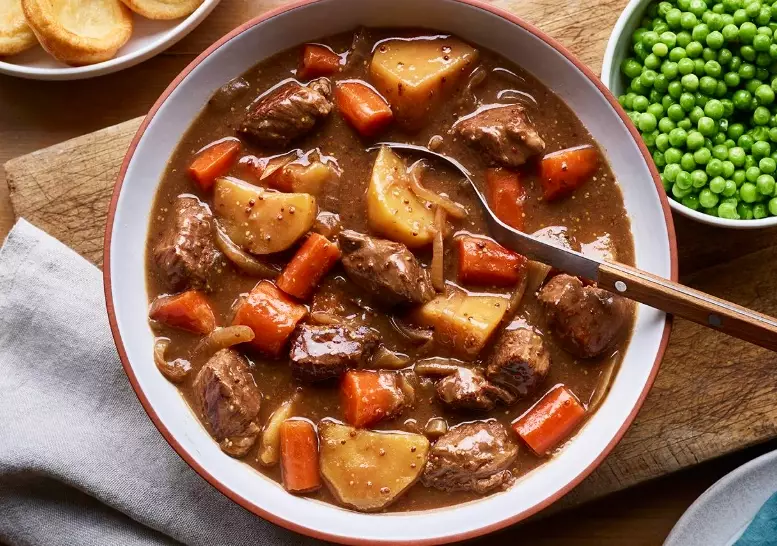
A Few Final Thoughts and Variations
Once you've mastered this basic template, the world is your oyster. Feeling adventurous? Try adding a tablespoon of smoked paprika with the thyme. A dash of fish sauce (sounds weird, tastes amazing) adds incredible umami. For a British-style “pub” stew, add a bottle of dark beer like a stout instead of the red wine.
The beauty of this easy beef stew recipe is its flexibility. It's a blueprint for comfort. On a cold night, with some crusty bread for dunking, it’s pretty hard to beat. It’s the kind of food that makes your kitchen smell like a home.
So, give it a shot. Take your time with the sear, don't rush the simmer, and taste as you go. You might just find that this simple beef stew becomes a regular in your rotation. Mine sure is.
Reader Comments