You're standing in the aisle at the store, or maybe scrolling online, looking for that magical appliance that promises dinner ready when you walk in the door. You see "slow cooker" and "Crock-Pot" everywhere. Your recipe says "add to slow cooker," but the box in front of you says "Crock-Pot." So, what's the deal? Is there a real difference, or is it just marketing?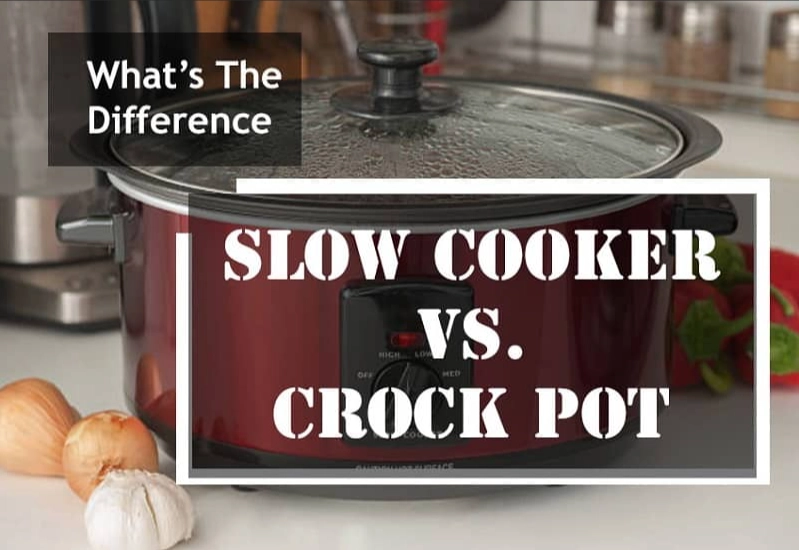
Let's cut through the confusion right now. The short answer is this: All Crock-Pots are slow cookers, but not all slow cookers are Crock-Pots. It's the classic brand-name-versus-generic-product scenario, like Kleenex and tissues, or Band-Aid and adhesive bandages.
But here's where it gets interesting, and where most articles stop digging. The brand dominance of Crock-Pot has led to some real, tangible differences in how various "slow cookers" actually function. Choosing the wrong one based on this misunderstanding can lead to overcooked meat, watery stews, and a lot of frustration. I've been using these pots for over a decade, and I've learned the hard way that not all slow cookers are created equal.
What You'll Find in This Guide
The Story Behind the Name: Crock-Pot's Accidental Empire
To understand why we're even having this conversation, we have to go back to 1971. A company called Rival Manufacturing introduced a simple, stoneware pot nestled inside a heating base. They called it the Crock-Pot. It was marketed as a working woman's time-saver, and it took off like crazy.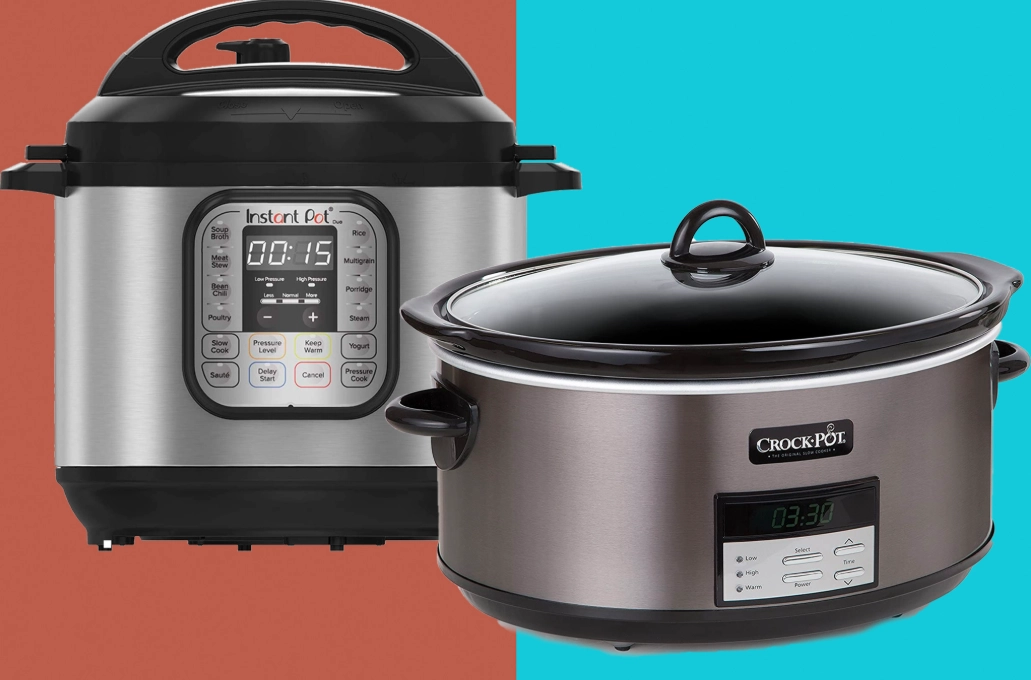
The name "Crock-Pot" became so synonymous with the appliance itself that people started using it for any similar pot. It's a phenomenon linguists call "genericization." Rival (and later, Sunbeam Products and now Newell Brands who own the trademark) has fiercely protected the Crock-Pot name, but the cultural imprint was permanent.
Today, "Crock-Pot" is a registered trademark of Newell Brands. When you buy an appliance with that name on the box, you're buying from the original company's lineage. Other companies—like Hamilton Beach, Instant Pot (with their Duo Crisp model), Cuisinart, and many others—sell appliances that do the same fundamental job. They legally have to call them slow cookers.
Quick Analogy: Think of it like soda. You might ask for a "Coke" at a restaurant in the South, but you could be served Pepsi. "Coke" is the specific brand (like Crock-Pot), but the server understands you want a cola-flavored soft drink (the generic slow cooker).
Beyond the Name: The Real Differences That Matter for Your Cooking
Okay, so it's a brand thing. Why does that matter to your pot roast? Because the original Crock-Pot design established a specific method of heating that many modern slow cookers have deviated from. This is the key insight most beginners miss.
The core functional components are the same across the board: an outer metal housing with heating elements, and a removable inner cooking vessel (usually stoneware or ceramic). Where they differ is in where the heat comes from and how it's controlled.
Side-by-Side Heating: Why It Changes Everything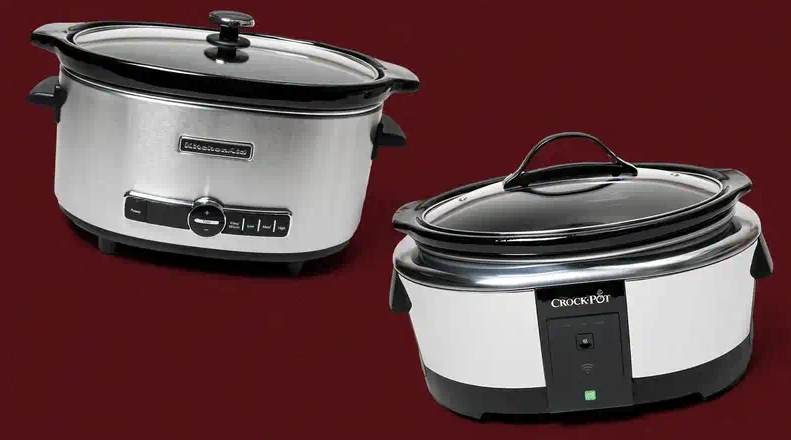
This is the most crucial technical difference that affects your food's texture.
| Feature | Traditional Crock-Pot Style ("True" Slow Cooker) | Many Modern "Slow Cookers" |
|---|---|---|
| Primary Heat Source | Heat from the sides of the stoneware insert. The base provides minimal heat, mostly just insulation. | Heat primarily from a hot coil in the base, like an electric hot plate. |
| How It Cooks | Gentle, enveloping heat. Food simmers slowly and evenly. Less risk of scorching on the bottom. | More direct, bottom-up heat. Can lead to hotter temperatures at the base, potentially overcooking food that sits there. |
| Temperature Profile | Typically lower overall temperatures. The "Low" setting might be around 190°F (88°C). | Often runs hotter. "Low" on some models can be 200°F (93°C) or higher, which can boil rather than simmer. |
| Best For | True all-day cooking (8-10 hours). Ideal for breaking down tough cuts of meat (chuck roast, pork shoulder) without drying them out. | Shorter cook times (4-6 hours). Can be good for soups, beans, and recipes with more liquid. |
| A Common Pitfall | If you follow a recipe written for a hotter model, your food may be undercooked. | If you follow a classic Crock-Pot recipe, your meat might become dry and stringy because it's cooking too fast. |
I learned this the hard way with a pulled pork recipe. Using my older, side-heating Crock-Pot, it was fall-apart perfect after 10 hours on low. When I tried the same recipe in a newer, base-heating model from another brand, the bottom third was dry and stuck to the pot after 8 hours. The heat was just too aggressive.
How to Choose: A Simple Decision Guide
Don't get lost in the name. Look at the features that match how you cook.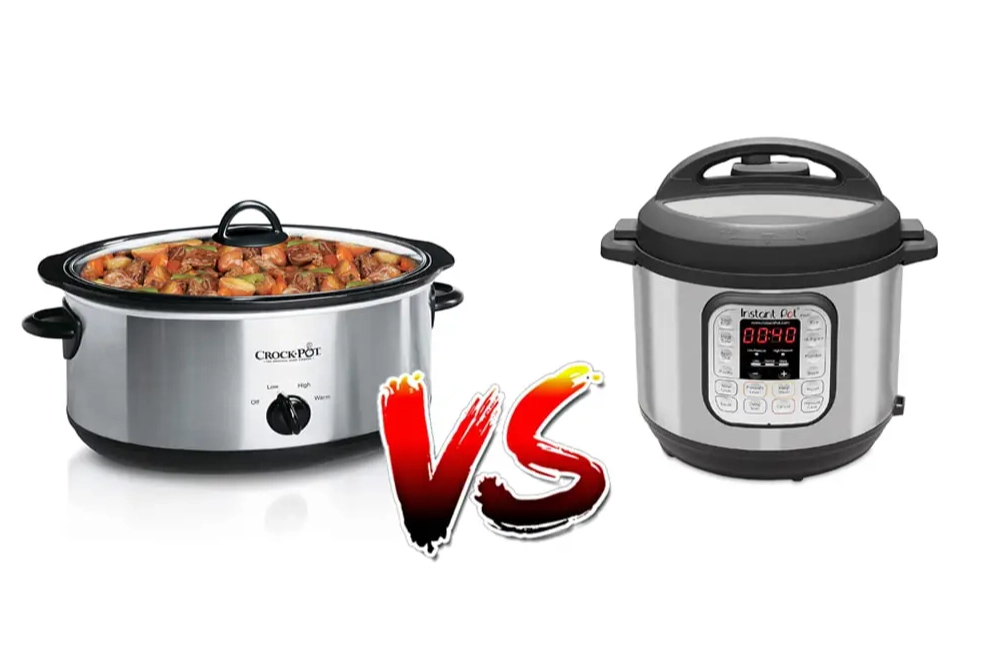
You might want a modern "Crock-Pot" brand model if:
- You often cook for 8+ hours while at work.
- Your goal is incredibly tender, shreddable meats.
- You prefer the traditional, gentler cooking method.
- You value the brand recognition and widespread availability of parts (lids, stoneware).
You might consider other "slow cooker" brands if:
- You usually cook for shorter periods (4-6 hours).
- You want more features like digital programmable timers, locking lids for transport, or a stovetop-safe insert for browning.
- You're on a tighter budget (non-branded models are often cheaper).
- You cook a lot of soups, stews, and chili where slight bottom heat is less critical.
The best advice? Know your appliance. Do a water test: Fill your slow cooker 2/3 with water, heat it on low for 4 hours, then check the temperature with a thermometer. If it's around 190-200°F, you have a more traditional model. If it's 205°F or higher, yours runs hot. Adjust your recipes accordingly—use less time or more liquid on the hotter ones.
Common Slow Cooker Mistakes (And How to Avoid Them)
Beyond the brand vs. generic debate, here are practical tips that apply to all slow cookers, born from my own kitchen fails.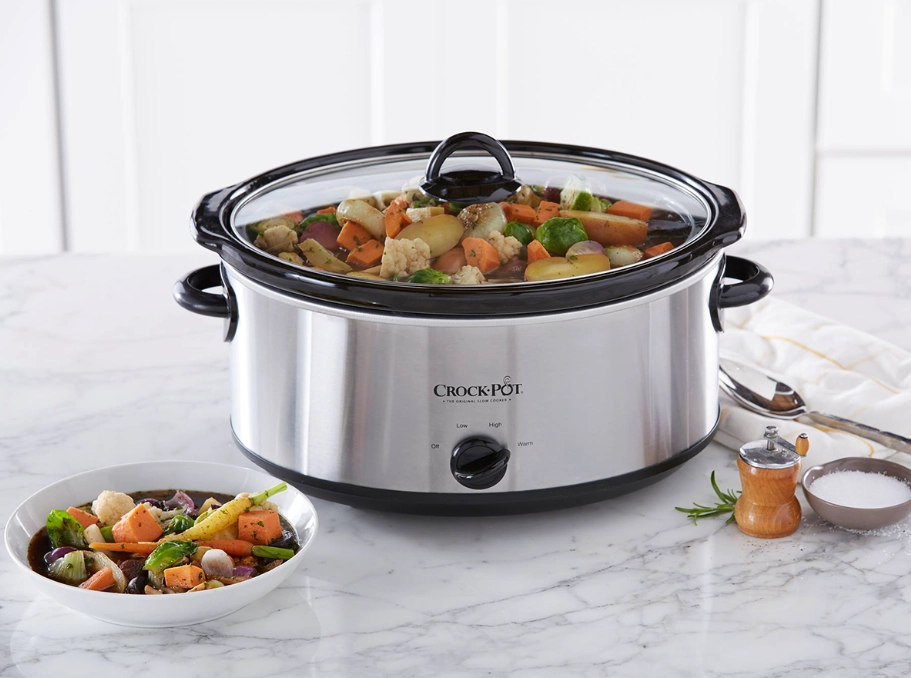
Overfilling or Underfilling: The sweet spot is between half and two-thirds full. Too little, and you risk overcooking. Too full, and food in the center won't reach a safe temperature.
Lifting the Lid: Every time you do, you let out a massive amount of heat and steam. It can add 20-30 minutes to your cook time. Trust the process. If you must check, do it quickly near the end of cooking.
Adding Dairy Too Early: Milk, cream, sour cream, or soft cheese will curdle if cooked all day. Stir them in during the last 30 minutes.
Using Dried Herbs Instead of Fresh: Dried herbs lose their potency over long cooking. Use them, but double the amount you normally would. Better yet, add fresh herbs at the end.
Not Browning Meat: You don't have to, but that Maillard reaction (the browning) adds a depth of flavor you can't get from boiling alone. A quick sear in a skillet is worth the extra pan.
Your Slow Cooker Questions, Answered
My slow cooker recipe always turns out watery. What am I doing wrong?
Can I put raw meat directly into the slow cooker?
 Is a "Crock-Pot" brand pot safer or more durable than other slow cookers?
Why does my chicken breast come out dry and tough, even on low?
Can I convert my oven or Instant Pot recipes for a slow cooker?
The bottom line? The "difference" between a slow cooker and a Crock-Pot starts as a vocabulary lesson but ends as a practical cooking lesson. Don't just buy a name. Understand the heating style, learn how your particular model behaves, and adjust your recipes to fit it. Whether you have a Crock-Pot, a Hamilton Beach, or an off-brand find, mastering its quirks is the real secret to getting that perfect, hassle-free meal.
Reader Comments