Your Roadmap to Perfect Ribeye
- Why a Ribeye Roast in the Crockpot Actually Makes Sense
- Picking the Perfect Roast for Your Slow Cooker
- The Non-Negotiable Prep: Your Key to Flavor
- The Simple, Set-It-and-Forget-It Cooking Process
- The Rest and The Sauce (Where the Magic Happens)
- Serving Your Masterpiece: More Than Just Slices
- Leftovers? You're Winning at Life
- Frequently Asked Questions (The Real Stuff People Worry About)
- The Final Slice
Let's be honest. The idea of putting a beautiful, expensive piece of ribeye roast into a slow cooker feels a bit wrong to some people. I get it. We're taught that high heat and quick searing are the only ways to treat a premium cut like ribeye. But what if I told you that your Crockpot is the secret weapon for the most forgiving, consistently tender ribeye roast you've ever made? A Crockpot ribeye roast isn't about rushing; it's about transforming that marbled beauty into something so melt-in-your-mouth good, it'll change how you think about Sunday dinner.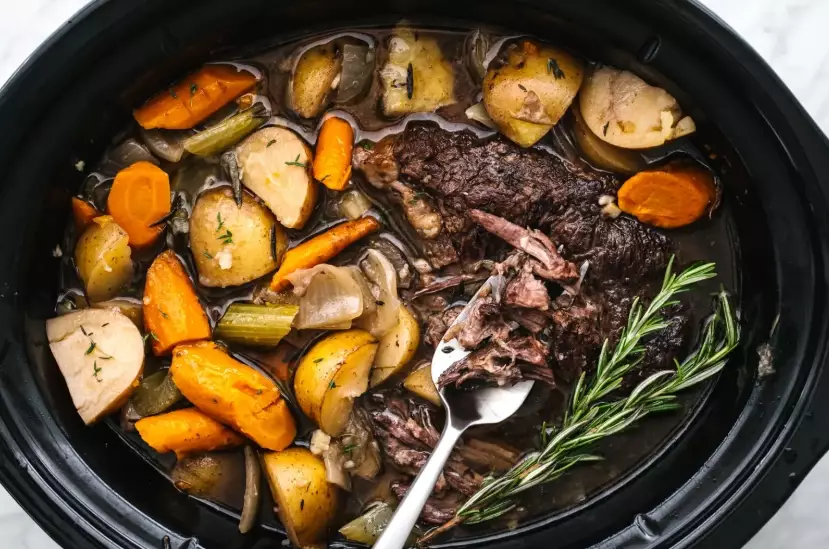
I learned this the hard way. My first attempt at a traditional oven-roasted ribeye ended in tears (mine) and well-done shoe leather (the roast's). It was expensive and disappointing. Out of desperation and a desire to never waste good meat again, I tried the slow cooker method. The result was so shockingly good, so impossibly juicy, that I've never looked back. This guide is everything I wish I'd known then.
Why a Ribeye Roast in the Crockpot Actually Makes Sense
First, let's clear the air. Ribeye is known for its rich marbling—those beautiful white streaks of fat running through the meat. That fat equals flavor and tenderness. Normally, high heat renders that fat quickly, basting the meat from the inside. So why slow cook it?
The Crockpot's low, steady heat (usually between 170°F and 200°F on the LOW setting) does something different. It renders the fat slowly and completely, over many hours. This slow rendering doesn't just baste the meat; it practically confits it in its own juices. The connective tissue breaks down gradually, resulting in a texture that's tender without being mushy. You're not fighting the clock to pull it out at exactly 135°F. You have a window. A beautiful, stress-free window.
Is it the same as a reverse-seared roast with a crackling crust? No. And I won't pretend it is. If you're a crust purist, this method has a compromise. But what you sacrifice in ultra-crispy exterior, you gain tenfold in foolproof juiciness and hands-off convenience. It's the perfect method for a busy day, a relaxed gathering, or when you simply want a guaranteed great result without babysitting the oven.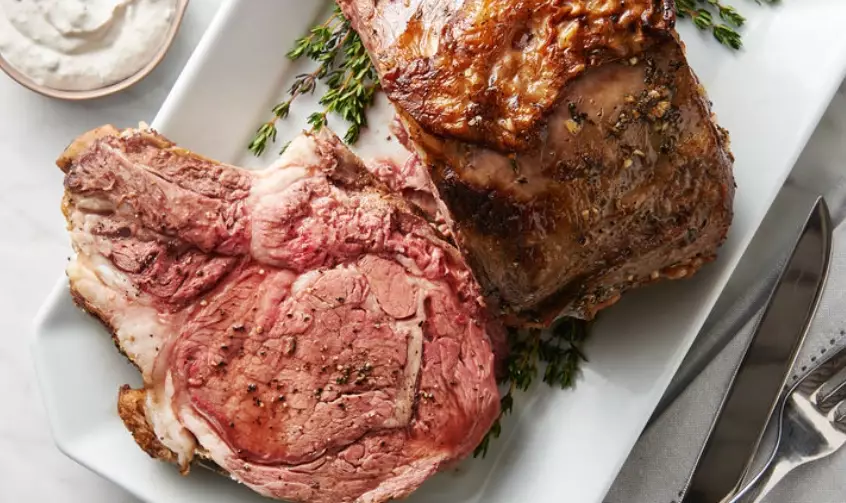
Picking the Perfect Roast for Your Slow Cooker
Not all ribeye roasts are created equal, especially for this purpose. You can't just grab any package and hope for the best.
The Bone-In vs. Boneless Debate
Bone-in enthusiasts swear the bone adds flavor. For a Crockpot ribeye roast, I have a controversial take: go boneless. Here's why. The bone can create an awkward shape that doesn't sit flat in the slow cooker, leading to uneven cooking. A boneless roast, often called a ribeye "roast" or "eye of ribeye," has a more consistent shape. The flavor difference in the slow, moist environment is minimal, but the cooking consistency is much better. The bone's flavor contribution is more critical in dry-heat methods.
Size and Grade Matters
For a family meal, a 3 to 4-pound roast is ideal. It fits nicely in a standard 6-quart slow cooker. Anything over 5 pounds might be cramped and not cook evenly.
Look for grading. USDA Choice is excellent and widely available. If you're splurging for a special occasion, USDA Prime will have more marbling, which translates to even more flavor and tenderness in the slow cooker. Don't stress if you only find Select; the slow cooking method will help tenderize it significantly. Just look for the cut with the most marbling you can see within your budget.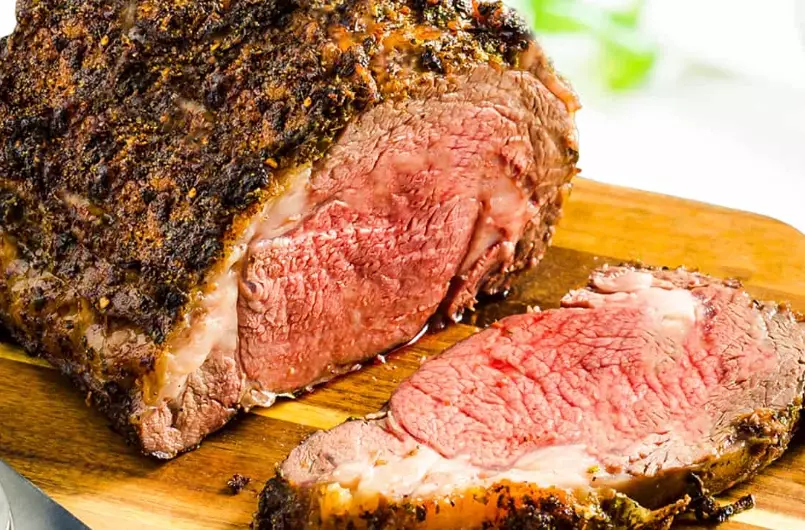
The Non-Negotiable Prep: Your Key to Flavor
This is where you build your flavor foundation. Skipping or rushing prep is the main reason some people end up with a bland Crockpot ribeye roast.
The Sear: Yes, You Really Have To
I know, I know. The whole point is easy. But trust me, 10 minutes of searing is the difference between a good roast and a great one. The Maillard reaction (that beautiful browning) creates hundreds of complex flavor compounds that the slow cooking process alone cannot replicate. It adds a depth of flavor that permeates the entire dish.
Pat your roast bone-dry with paper towels. This is crucial for a good sear. Season liberally with kosher salt and black pepper. Heat a heavy skillet (cast iron is perfect) over medium-high heat with a tablespoon of high-smoke-point oil (avocado, grapeseed) until it's shimmering. Sear the roast on all sides, including the ends, until you have a deep, brown crust. Don't move it around; let it develop that color. This step isn't about cooking the inside, just about creating that flavor-packed crust.
Building a Flavor Base in the Pot
While the roast sears, prep your slow cooker. Don't just plop the meat in. Create a "rack" of hearty vegetables. I use:
- 2-3 large carrots, cut into 2-inch chunks
- 2 medium onions, quartered
- 3-4 stalks of celery, cut into chunks
This veggie trivet serves two purposes: it elevates the roast out of any direct liquid (so it roasts more than boils), and the vegetables infuse their sweetness into the cooking juices, which become an incredible au jus.
The Simple, Set-It-and-Forget-It Cooking Process
Place the seared roast on top of the vegetable trivet. Now, for the liquid. This is a common mistake area. You do not need to submerge the roast. In fact, you want to avoid that. Add only about 1/2 to 3/4 cup of liquid. This could be beef broth, red wine, or even just water. The roast and vegetables will release more moisture as they cook.
Add your aromatics. A few sprigs of fresh thyme and rosemary, 4-5 crushed garlic cloves, and maybe a bay leaf. Scatter them around the roast.
Set your slow cooker to LOW. This is non-negotiable for a tender Crockpot ribeye roast. High heat will toughen the meat fibers. Low and slow is the mantra.
How Long to Cook a Ribeye Roast in a Crockpot?
Here's a reliable guideline. But remember, the only way to know for sure is with a good meat thermometer.
| Roast Weight | Approximate Time on LOW | Target Internal Temp* |
|---|---|---|
| 3 lbs | 6 - 7 hours | 135°F (Medium-Rare) |
| 4 lbs | 7 - 8 hours | 135°F (Medium-Rare) |
| 5 lbs | 8 - 9 hours | 135°F (Medium-Rare) |
*Temperature is key. The USDA recommends a minimum safe temperature of 145°F for beef roasts, followed by a 3-minute rest. For more on safe cooking temperatures, you can reference the USDA's safe temperature chart. Many cooks, myself included, prefer ribeye at 135°F (medium-rare) for optimal tenderness, understanding the carryover cooking will raise the temp a few degrees. The choice is yours based on your preference and comfort level.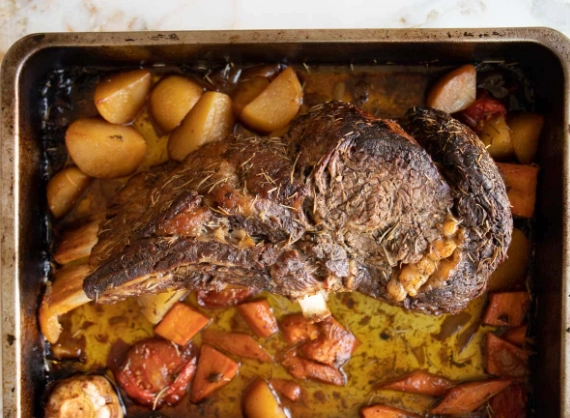
Start checking the temperature with an instant-read thermometer about an hour before the low end of the time range. Insert it into the thickest part of the roast, away from any fat pockets. When it hits your desired temperature, it's done.
The Rest and The Sauce (Where the Magic Happens
This might be the most important step. Do not skip the rest. When your Crockpot ribeye roast hits temperature, carefully remove it (it will be fall-apart tender) to a cutting board or platter. Tent it loosely with foil and let it rest for at least 20-30 minutes. This allows the frantic juices to relax back into the muscle fibers. If you cut it immediately, all those precious juices will run out onto the board.
While the roast rests, make your au jus or gravy. This is liquid gold. Strain the cooking liquid from the slow cooker through a fine-mesh sieve into a fat separator or a measuring cup. Discard the spent vegetables and herbs. Let the fat rise to the top, then pour the defatted juices into a saucepan.
You have options now. For a simple, clean au jus, just simmer the strained juices until slightly reduced and season to taste with salt and pepper. For a richer gravy, make a slurry with 2 tablespoons of cornstarch and 2 tablespoons of cold water. Bring the juices to a simmer, whisk in the slurry, and cook until thickened. The flavor is deeply beefy, aromatic, and the perfect complement to the meat.
Serving Your Masterpiece: More Than Just Slices
Slice the roast against the grain for maximum tenderness. The grain on a ribeye roast usually runs in one long direction, so pay attention to the muscle lines. Serve with the au jus or gravy on the side.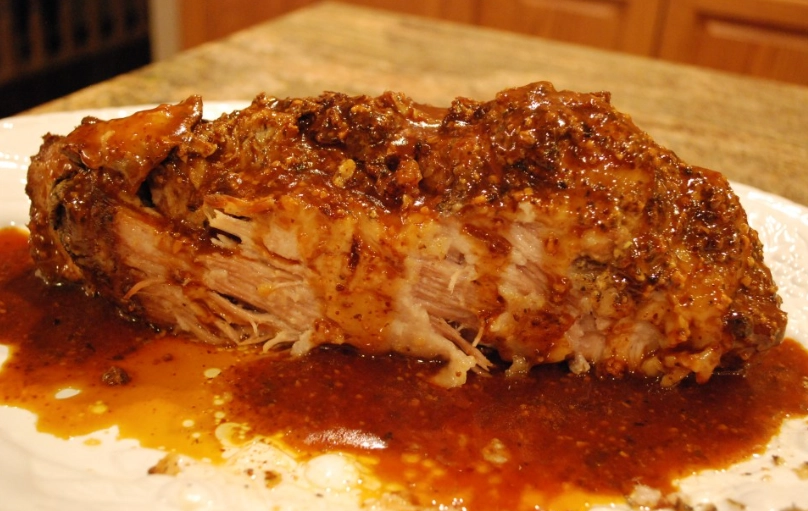
What to serve with it? The rich meat pairs beautifully with things that can cut through the fat or soak up the juices.
- Creamy Mashed Potatoes: The classic, non-negotiable partner for that gravy.
- Crispy Roasted Brussels Sprouts: Their bitterness is a fantastic contrast.
- Yorkshire Puddings or Popovers: For a truly epic experience, these are made for dipping.
- A Simple Arugula Salad with a lemon vinaigrette to cleanse the palate.
Leftovers? You're Winning at Life
A Crockpot ribeye roast often yields fantastic leftovers because it stays so moist. Don't just reheat slices in the microwave (they'll toughen). Get creative.
- Beef Dip Sandwiches: Thinly slice the cold meat, pile it on a crusty roll with provolone, and broil until melted. Serve with a cup of warmed au jus for dipping. This is arguably better than the first meal.
- Beef Hash: Dice the roast and pan-fry with diced potatoes, onions, and peppers for an incredible breakfast.
- Beef and Barley Soup: Shred any remaining meat and add it to a hearty soup with the leftover cooking liquid as your base.
Frequently Asked Questions (The Real Stuff People Worry About)
Won't the slow cooker make my ribeye roast mushy?
This is the #1 fear. The answer is no, if you cook it on LOW. Mushiness comes from extreme overcooking at high temperatures that completely break down proteins. The low temperature of a slow cooker gently breaks down collagen into gelatin without turning the muscle fibers to mush. It stays sliceable but tender.
Can I cook it from frozen?
I don't recommend it for a cut this size and quality. The exterior will overcook long before the interior thaws and comes to temperature, leading to a dry, stringy outer layer. Always thaw completely in the fridge for best results and food safety.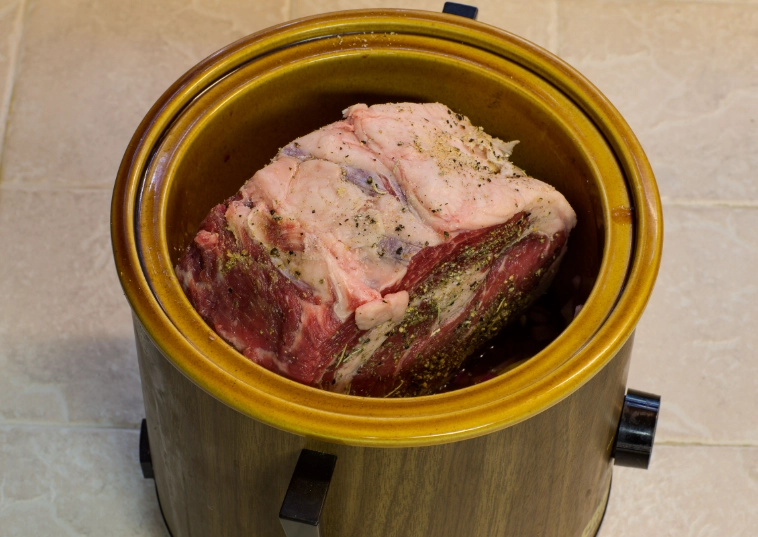
My roast has a fat cap. Should I trim it?
Trim it to about 1/4 inch thick. You want some fat to render and baste the meat, but a huge cap won't render fully in the moist environment and will just be chewy. Score the remaining fat in a crosshatch pattern to help it render.
Why is my meat gray, not pink, even at 135°F?
The moist cooking environment can sometimes prevent the "bloom" or bright pink color you get from dry-heat roasting. The meat is still cooked to the same safe temperature and will be just as juicy. The flavor is what matters most. For more on the science of meat cooking, resources like Serious Eats have fantastic, in-depth explorations.
Can I make a gravy without cornstarch?
Absolutely. You can make a roux by melting 2 tablespoons of butter in your saucepan, whisking in 2 tablespoons of flour, and cooking for a minute before slowly whisking in the strained juices. Simmer until thickened. Both methods work great.
The Final Slice
Making a Crockpot ribeye roast isn't a hack or a shortcut for when you don't care. It's a deliberate, brilliant method for achieving a specific result: guaranteed tenderness and deep, developed flavor with minimal hands-on effort. It turns a potentially stressful centerpiece into a relaxed, confident cook's secret weapon. It might not be the traditionalist's method, but for a busy home cook who wants to serve something spectacular without the anxiety, it's pretty close to perfect. Give it a try. That first tender, juicy slice, dripping with its own incredible juices, will tell you everything you need to know.
So, the next time you see a beautiful ribeye roast at the market, don't just think of the oven. Think of your slow cooker, and the incredibly tender, foolproof feast it can help you create. Your Crockpot ribeye roast awaits.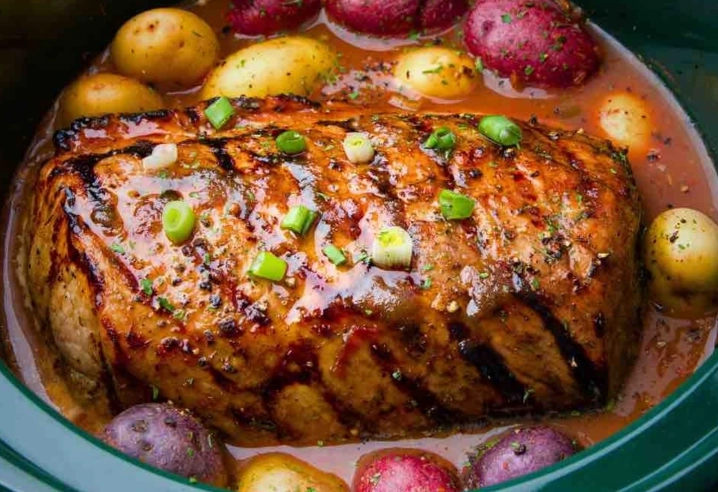
Reader Comments