Quick Navigation
- Why a Slow Cooker is Your Brisket's Best Friend
- Picking the Perfect Piece of Meat: Your First Crucial Step
- Prepping Your Brisket: More Than Just Salt and Pepper
- The Slow Cooker Setup: Building Flavor Layers
- Cooking Time & The Tenderness Test
- The Rest & The Slice: Don't Ruin It Now!
- Transforming Pot Liquor into Liquid Gold (The Gravy)
- Serving Ideas & Leftover Magic
- Your Slow Cooker Beef Brisket Questions, Answered
Let's be honest. The idea of making a beef brisket can feel a bit intimidating. It's a big piece of meat, it's notoriously tough if you get it wrong, and most recipes involve babysitting an oven or a smoker for half a day. I used to think that way too. I'd see pictures of this glorious, fall-apart tender meat and think, "That's for the pros."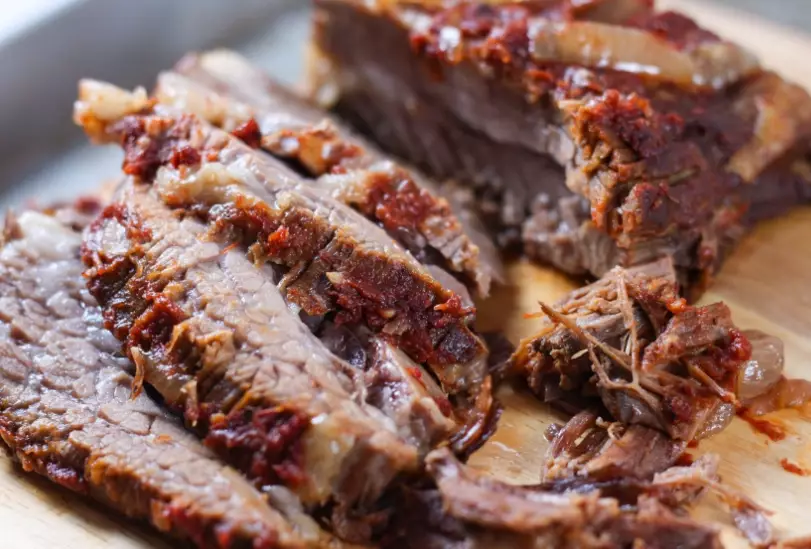
Then I discovered the slow cooker method. And let me tell you, it changed everything.
Using a slow cooker for beef brisket is the ultimate kitchen hack for home cooks who want incredible results without the stress. It's forgiving, it's hands-off, and it consistently delivers that melt-in-your-mouth texture we all dream of. This isn't a compromise—it's a brilliant way to cook. This guide is everything I wish I'd known when I started, packed with the practical details that make the difference between a good brisket and a legendary one.
Why a Slow Cooker is Your Brisket's Best Friend
Brisket comes from the chest of the cow. It's a muscle that works hard, which means it's full of connective tissue (collagen). That's what makes it tough if you cook it quickly with high heat. But that same collagen is the key to its greatness. When you cook it low and slow, that collagen slowly melts into gelatin. This process transforms a tough cut into something unbelievably succulent and tender.
A slow cooker is practically designed for this job. It maintains a steady, gentle, moist heat for hours on end. You're not battling temperature fluctuations like in some ovens, and there's no risk of the meat drying out. The sealed environment traps all the flavorful steam and juices, which essentially braises the meat in its own goodness. It's a foolproof environment for that collagen breakdown to happen perfectly.
I remember my first attempt at oven-braised brisket. I was peeking every hour, worrying about the liquid levels, and the kitchen got so hot. With the slow cooker, I just set it in the morning, went about my day, and came home to the most incredible aroma. The meat was perfect. That "set-it-and-forget-it" reliability is why slow cooker beef brisket has become a staple in my home.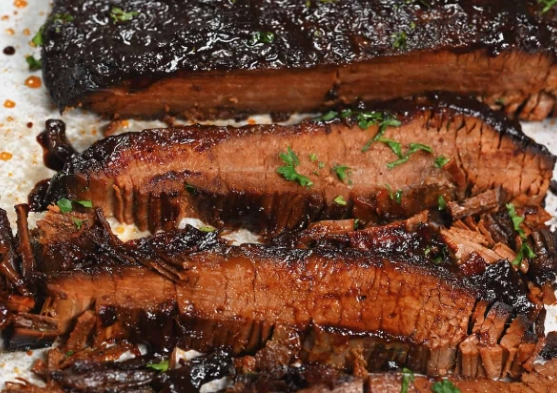
Picking the Perfect Piece of Meat: Your First Crucial Step
This is where many folks go wrong, and no amount of slow cooking can fix the wrong cut. You can't just grab any "brisket" from the shelf.
First, you need to know there are two main sections of a whole brisket: the flat cut and the point cut.
- The Flat Cut (First Cut): This is leaner, more uniform, and rectangular. It slices beautifully. It's what you often see in supermarkets labeled just "beef brisket." It has a fat cap on one side. For the slow cooker, this cut works well, but you need to be mindful not to overtrim it.
- The Point Cut (Second Cut, Deckle): This is the thicker, fattier, and more marbled end of the brisket. It's more irregular in shape. This fat renders down during cooking, basting the meat from within, making it incredibly juicy and flavorful. It's harder to find on its own but is often part of a "whole packer brisket."
For a slow cooker beef brisket, I personally lean towards a whole packer brisket if it fits in my cooker (trim it a bit if needed), or a well-marbled point cut. The extra fat is insurance against dryness. If you only have access to a flat cut, that's fine—just make sure it has a decent fat cap (about 1/4 inch) left on.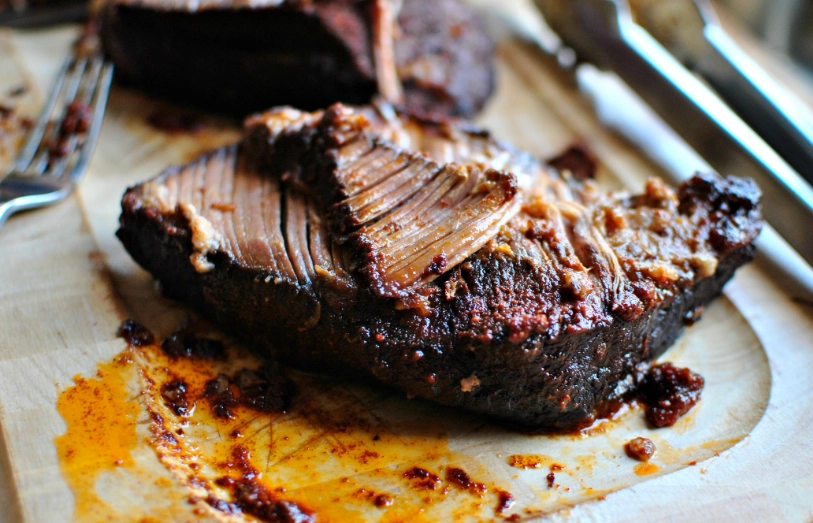
Look for meat with good marbling—those thin white streaks of fat within the red muscle. That's your flavor and tenderness guarantee. The USDA grading system is a decent guide here. While you don't need to splurge on Prime for the slow cooker (the long cook will tenderize a lower grade wonderfully), a Choice grade brisket offers a great balance of quality and value. The Beef. It's What's For Dinner website by the Beef Checkoff has excellent, authoritative diagrams and explanations of the different brisket cuts if you want a visual reference.
How Much to Buy?
Brisket shrinks. A lot. Plan for about 1/2 to 3/4 pound of raw brisket per person. A 4-5 pound piece is a great size for a family meal with leftovers (and trust me, you'll want leftovers).
Prepping Your Brisket: More Than Just Salt and Pepper
Good prep sets the stage. Don't just throw it in the pot.
Step 1: Trim (But Don't Overdo It)
If you have a whole packer, you'll need to trim some of the hard, thick fat. Leave about a 1/4-inch layer of fat cap on one side. This will slowly baste the meat as it cooks. Remove any large, hard chunks of pure fat on the sides—they won't render completely. For a pre-trimmed flat, just give it a quick check.
Step 2: The Sear Debate (I'm Team Sear)
This is a hot topic. Skipping the sear saves a pan and time. But searing creates a Maillard reaction—that complex, savory, roasted flavor on the surface. For me, it's non-negotiable. It adds a depth you can't get otherwise.
Pat the brisket very dry with paper towels. This is crucial for a good sear. Heat a heavy skillet (cast iron is perfect) with a high-smoke-point oil (like avocado or canola) until it's shimmering. Sear the brisket, fat-cap-side down first, for 4-5 minutes until a deep brown crust forms. Sear all sides. Don't crowd the pan; do it in batches if needed.
Step 3: Season Generously
While the meat is resting after the sear, mix your rub. Salt and pepper are the classic Texas-style foundation (equal parts by volume is a great start). But you can build from there. A simple, fantastic rub I use is:
- 2 tbsp coarse kosher salt
- 1 tbsp coarse black pepper
- 1 tbsp smoked paprika (for that hint of smoke you miss from not grilling)
- 1 tsp garlic powder
- 1 tsp onion powder
- 1/2 tsp mustard powder
Rub this mixture all over the meat, including the sides. Don't be shy. The large surface area needs it.
The Slow Cooker Setup: Building Flavor Layers
Now for the magic. How you arrange the pot matters.
- The Aromatic Bed: Chop a large onion, a few carrots, and a couple celery stalks into large chunks. Scatter them in the bottom of the slow cooker. This lifts the meat off the direct heat and creates a flavor base. Add a few smashed garlic cloves in there too.
- Place the Meat: Place the seared and seasoned brisket on top of the vegetables, fat-cap-side UP. This is important. As the fat renders, it will drip down over the meat, basting it.
- The Liquid: You don't need to submerge the meat. In fact, you shouldn't. You just need enough to create steam and provide a braising medium. About 1 to 1.5 cups is plenty. Use a combination for complexity:
- Beef broth (low sodium so you control the salt).
- A splash of red wine, beer, or coffee (sounds weird, but coffee adds a deep, roasted note without tasting like coffee).
- Worcestershire sauce or tomato paste (a tablespoon for umami).
- NO PEEKING: Put the lid on. This is the hardest part. Every time you lift the lid, you release heat and steam, adding significant time to the cook. Trust the process.
Cooking Time & The Tenderness Test
Here's a reliable guide, but remember, slow cookers vary, and meat size/thickness is the real driver. Always cook to tenderness, not just time.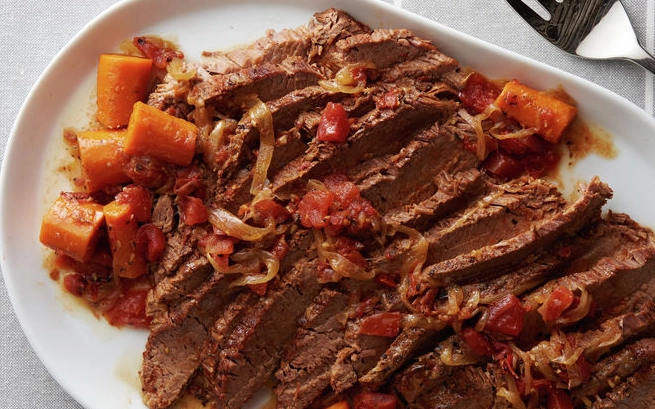
| Brisket Weight | Approximate Cook Time on LOW | Approximate Cook Time on HIGH |
|---|---|---|
| 3 - 4 lbs | 8 - 9 hours | 5 - 6 hours |
| 4 - 6 lbs | 9 - 10 hours | 6 - 7 hours |
| 6 - 8 lbs | 10 - 12 hours | Not recommended* |
*I strongly recommend LOW heat only for a slow cooker beef brisket. High heat can make the muscle fibers contract too quickly and become tough, even if cooked for a long time. Low and slow is the mantra for a reason.
The Biggest Mistake: Undercooking. A brisket is done when it's probe-tender, not when it hits a specific temperature. Start checking at the lower end of the time range.
How to Check for Doneness:
- The Fork Test: Take a large fork and try to twist it in the thickest part of the flat. If the meat offers no resistance and starts to pull apart easily, it's done. If there's any tug or springiness, it needs more time.
- The Temperature Guide (not a rule): An instant-read thermometer should read between 195°F and 205°F (90°C - 96°C) when the brisket is tender. But always trust the fork over the thermometer.
My last brisket, a 5-pounder, took a full 10.5 hours on low. I checked at 9 hours and the fork still stuck. That extra 90 minutes made all the difference between "chewy" and "heavenly."
The Rest & The Slice: Don't Ruin It Now!
You've waited hours. Wait 60 more minutes. This is critical.
Carefully remove the brisket (it will be very fragile) to a cutting board or platter. Tent it loosely with foil and let it rest for at least 45 minutes to 1 hour.
Why? The meat's juices are superheated and racing around. If you cut it immediately, all those precious juices will flood onto the board, leaving you with dry meat. Resting allows the fibers to relax and reabsorb the juices. The internal temperature will also stabilize.
While it rests, you can make the gravy from the incredible juices in the pot (more on that next).
Slicing: Always slice against the grain. Look for the long lines of muscle fibers running through the meat. Your knife should cut perpendicularly across those lines. This shortens the muscle fibers, making each bite tender. If you slice with the grain, it will be stringy and tough, undoing all your slow-cooking work.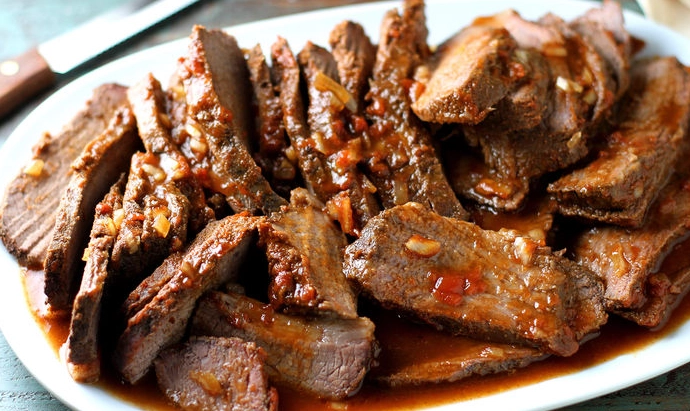
Transforming Pot Liquor into Liquid Gold (The Gravy)
Don't you dare pour out the liquid in that slow cooker. It's concentrated flavor. Here's the easy way to make a killer gravy or sauce.
- Strain the liquid from the pot into a fat separator or a measuring cup. Discard the spent vegetables.
- Let the fat rise to the top. Skim off most of it, leaving a little for flavor.
- Pour the defatted juices into a saucepan. Bring to a simmer.
- For a thicker gravy: Make a slurry by whisking 2 tablespoons of cornstarch with 2 tablespoons of cold water until smooth. While whisking the simmering juices, slowly drizzle in the slurry. Keep whisking until it thickens, about 1-2 minutes. Season to taste.
- For a thinner, jus-style sauce: Just reduce it by simmering for 5-10 minutes until it's slightly syrupy. No thickener needed.
Pro Tip: If your liquid tastes a bit flat, a splash of acid at the end can brighten it up. A teaspoon of red wine vinegar or a squeeze of fresh lemon juice works wonders.
Serving Ideas & Leftover Magic
Serve your slow cooker beef brisket sliced, with the gravy poured over, alongside classic comfort sides: creamy mashed potatoes, roasted carrots, buttery cornbread, or simple steamed green beans to cut the richness.
But the leftovers? That's where the real fun begins. This meat reheats beautifully and is incredibly versatile.
- Brisket Sandwiches: Pile slices (or shredded meat) on a good bun with pickles, onions, and a dollop of barbecue sauce or horseradish sauce. The best lunch ever.
- Brisket Tacos/Nachos: Shred the meat, warm it with a little of its juice, and serve in tortillas with fresh cilantro, onion, and lime. Or scatter over tortilla chips with cheese and jalapeños.
- Brisket Hash: Chop leftover brisket and pan-fry with diced potatoes and onions for an epic breakfast. Top with a fried egg.
- Brisket Chili or Soup: Chop it up and add it to your favorite chili or beef soup recipe for an instant flavor and texture upgrade.
Your Slow Cooker Beef Brisket Questions, Answered
The beauty of a slow cooker beef brisket is its simplicity and reliability. It turns a challenging cut into an accessible, celebratory meal with minimal hands-on effort. It's proof that the best cooking often requires patience, not complexity.
So there you have it. The complete, no-BS guide to making a truly incredible slow cooker beef brisket. It's not about fancy techniques; it's about understanding the meat, respecting the process, and letting the slow cooker do what it does best. Give it a try this weekend. That first bite of tender, flavorful meat you made yourself? That's a feeling no takeout can ever match.
Got a brisket story or a tip of your own? I'd love to hear how it turns out for you. Happy cooking!
Reader Comments