Quick Guide
- Breaking Down the 3:2:1 Rule for Brisket Slow Cooker Code
- My Step-by-Step Walkthrough of the 3:2:1 Method
- Is the 3:2:1 Rule for Brisket Slow Cooker a Fixed Law? When to Adjust.
- 3:2:1 Rule Slow Cooker vs. Traditional Low & Slow: A Quick Comparison
- Answering Your Burning Questions About the 3:2:1 Brisket
- My Personal Tweaks and Final Thoughts
Let's be real. The first time I heard about the "3:2:1 rule for brisket slow cooker," I was skeptical. It sounded like some kind of secret barbecue cult code. Three what? Two what? Is this math or cooking? I'd just spent good money on a big piece of brisket, and the last thing I wanted was a dry, tough, disappointing slab of meat after hours of waiting.
I've burned my fair share of brisket over the years. Too dry, too tough, cooked too fast, you name it. So when I started digging into this 3:2:1 method, I approached it with a healthy dose of doubt. But after testing it, tweaking it, and yes, even messing it up a couple of times, I finally got it. And now it's my go-to method for absolutely foolproof, fall-apart tender slow cooker brisket that actually has flavor beyond "boiled beef."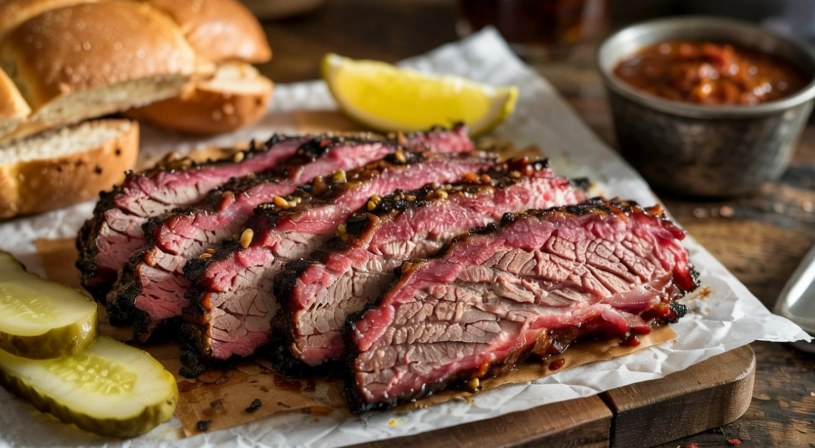
Breaking Down the 3:2:1 Rule for Brisket Slow Cooker Code
At its heart, the 3:2:1 rule is a timing framework. It's borrowed from the world of smoking meats (think big backyard smokers) and brilliantly adapted for the humble kitchen slow cooker or Crock-Pot. The numbers represent hours.
3 hours of cooking with the brisket unwrapped, exposed to the liquid in the pot.
2 hours of cooking with the brisket tightly wrapped in foil (or butcher paper).
1 hour of rest, still wrapped, but out of the cooker.
That's the basic blueprint. But if you just follow those numbers blindly, you might still end up with mediocre results. The magic—and the common point of failure—is in understanding why each stage exists and what's actually happening to your meat.
Why This Structure Works (The Meat Science Part, Simplified)
Brisket is a tough cut. It comes from the chest of the cow, a muscle that works hard. That means it's full of connective tissue (collagen) that needs to break down to become tender. Heat and time do that, but they have to be applied correctly.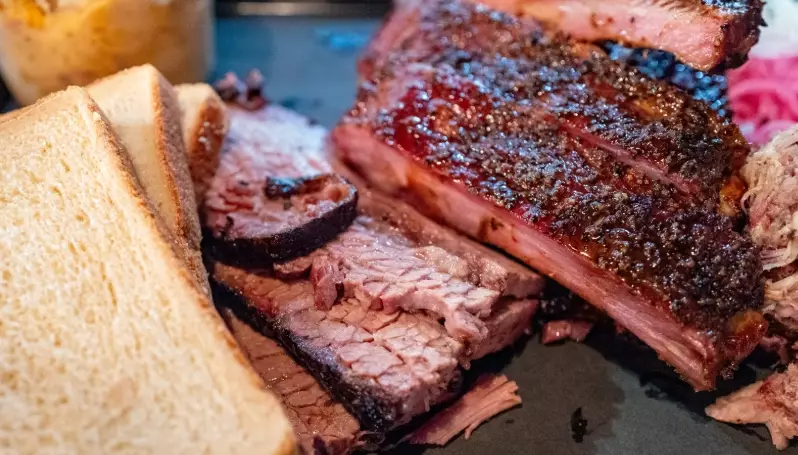
The first 3-hour unwrapped phase is about flavor infusion and initial cooking. The braising liquid (broth, beer, etc.) and your rub flavors start to penetrate. The meat's surface gets a chance to cook in the moist heat.
The 2-hour wrapped phase is the "power tenderizing" stage. Wrapping the brisket—often called the "Texas Crutch" in BBQ circles—creates a steamy, intense environment. This dramatically accelerates the breakdown of collagen into gelatin without letting all the precious moisture escape. This is where tough turns to tender.
The 1-hour rest is non-negotiable. I learned this the hard way. If you cut into a brisket right after cooking, the juices haven't redistributed. They'll all flood out onto your cutting board, leaving the meat dry. Letting it rest allows the fibers to relax and reabsorb those juices.
My Step-by-Step Walkthrough of the 3:2:1 Method
Okay, let's move from theory to practice. Here’s exactly how I do it now, after my trial and error.
Before You Even Turn On the Slow Cooker: Prep is Key
First, trim the brisket. You don't want huge chunks of hard fat, but leave a good 1/4 inch layer on the fat cap. That's your insurance policy. Pat the meat completely dry with paper towels. A wet surface won't let your seasoning stick.
For the rub, keep it simple, especially the first time. Equal parts coarse salt and coarse black pepper (a true Texas-style rub) is fantastic. You can add garlic powder, onion powder, paprika if you want. Massage it in really well on all sides.
Now, for the liquid in the slow cooker. Don't submerge the brisket! You're braising, not boiling. Pour in just enough to cover the bottom by about half an inch—maybe 1 to 1.5 cups. Beef broth is perfect. A dark beer adds depth. Some people use a mix of broth and a splash of apple cider vinegar or Worcestershire sauce. Place the brisket in fat-side up. The melting fat will drip down through the meat.
The 3-Hour Unwrapped Cook (Phase 1)
Set your slow cooker to LOW. High heat is the enemy of tender brisket; it tightens the proteins too fast. Put the lid on and walk away. Seriously. No peeking. Every time you lift the lid, you lose a lot of heat and steam, adding 15-20 minutes to your cook time.
During this phase, the brisket is absorbing flavor from the atmosphere and slowly coming up to temperature. The liquid will be simmering gently.
The 2-Hour Wrapped Cook (Phase 2 - The Game Changer)
After 3 hours, carefully remove the brisket. It will be hot and a bit firmer. Here's a critical step: pour about 1/2 cup of the cooking liquid from the slow cooker into a measuring cup. You'll use this later.
Lay out a big double-layer of heavy-duty aluminum foil. Place the brisket in the center. Now, pour that reserved cooking liquid over the top of the brisket. This adds moisture and flavor directly to the wrap environment. Wrap the brisket tightly, making a sealed packet. You want to trap all the steam inside.
Place the foil packet back into the slow cooker (you can discard the remaining liquid in the pot). Put the lid back on and cook on LOW for another 2 hours.
This is where the magic happens. The collagen melts. The meat relaxes.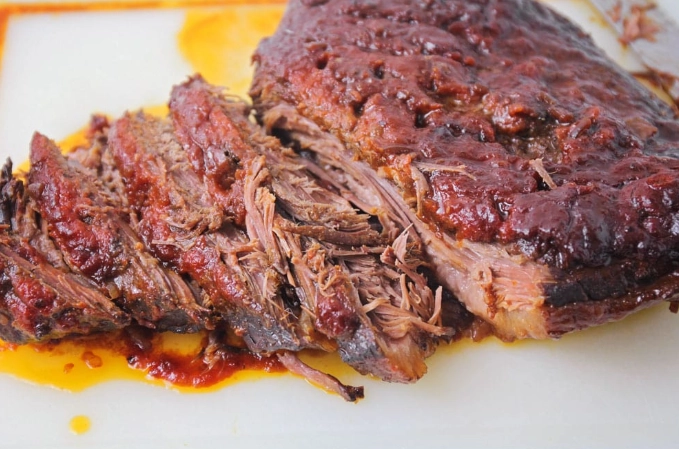
The 1-Hour Rest (Phase 3 - The Patience Test)
When the 2 hours are up, do not open the foil. Using tongs or oven mitts, carefully lift the entire foil packet out of the slow cooker and place it on a baking sheet or in a baking dish. Just let it sit on the counter, untouched, for a full hour. I know, it's torture. The smell is incredible. But trust me, this makes all the difference between good and great brisket.
Is the 3:2:1 Rule for Brisket Slow Cooker a Fixed Law? When to Adjust.
Here's the truth they don't always tell you: 3:2:1 is a guideline, not a gospel. Your specific slow cooker, the size and thickness of your brisket, even the starting temperature of the meat, can change the timing.
A 2-pound brisket flat will cook faster than a 5-pound whole packer brisket. The 3:2:1 rule for brisket slow cooker works best for chunks in the 3-4 pound range. For a bigger piece, you might need to extend the phases. How do you know? You check for tenderness.
After the total 5 hours of cook time (3+2), you can do the "probe test." Carefully open a corner of the foil (watch the steam!) and poke the brisket with a fork or a wooden skewer. If it slides in and out with little to no resistance, like going into room-temperature butter, it's done. If it still feels tight or rubbery, re-wrap it and give it another 30-60 minutes on low.
Don't be a slave to the clock. Be a slave to the texture.
3:2:1 Rule Slow Cooker vs. Traditional Low & Slow: A Quick Comparison
Why choose this method over just cooking it on low for 8-10 hours? Control and texture.
| Method | Total Hands-Off Time | Key Advantage | Potential Drawback |
|---|---|---|---|
| Traditional Slow Cooker (Low for 8-10 hrs) |
Very High | Extremely simple; just set and forget. | Can over-render fat, leading to mushy texture; less defined bark/flavor. |
| 3:2:1 Rule Method (3 hrs unwrapped, 2 hrs wrapped, 1 hr rest) |
Medium (requires one wrap step) | More controlled texture; prevents mushiness; better moisture retention. | Requires one intervention to wrap the meat. |
| Oven Braising | Low (often requires checking) | Can develop more surface browning (if seared first). | Less energy-efficient; can dry out more easily. |
For me, that one extra step of wrapping is a no-brainer for a significantly better result. It mimics the control you get with a smoker or a precise oven, but with the set-and-forget convenience of a slow cooker for most of the time.
Answering Your Burning Questions About the 3:2:1 Brisket
I get a lot of questions whenever I talk about this method. Here are the most common ones.
Can I cook the brisket on HIGH to make it faster?
I strongly advise against it. The entire principle of the 3:2:1 rule for brisket slow cooker—and brisket cooking in general—is low, slow heat to break down connective tissue gently. High heat will cause the muscle fibers to contract violently and squeeze out moisture, resulting in a tough, dry brisket. If you're short on time, this isn't the cut to cook. Plan ahead.
What if my brisket is still tough after 5 hours?
Don't panic. It happens. Just re-wrap it tightly and put it back in the slow cooker on LOW. Check it every 45-60 minutes with the probe test. Brisket is done when it's tender, not when a timer goes off. Some pieces just need more time.
Can I add vegetables like potatoes and carrots?
You can, but timing is tricky. If you add them at the beginning, they'll be absolute mush after 5+ hours. If you want veggies, add hardy ones like carrots and potatoes about 2-3 hours before you expect the brisket to be done (so, maybe at the start of the wrapped phase). For more precise vegetable cooking, it's often easier to cook them separately using the flavorful braising liquid after the brisket is done.
Is the cooking liquid a good gravy?
Yes, but with a step. The liquid left in the slow cooker after unwrapping is intensely flavorful but very fatty. Skim off as much fat as you can from the surface. Then, you can thicken it into a gravy by simmering it in a saucepan with a slurry of cornstarch and water. For a super smooth sauce, you can also strain it first. The USDA recommends bringing gravies to a boil when reheating for safety.
How do I store and reheat leftovers?
Leftover brisket? A rare but happy problem. Slice it against the grain and store it in an airtight container with some of the cooking liquid to keep it moist. It'll last 3-4 days in the fridge. To reheat, do it gently. The microwave will make it rubbery. Steam it in a basket over simmering water, or warm slices in a covered skillet with a splash of broth on very low heat. You can also freeze slices (with some juice) for up to 3 months.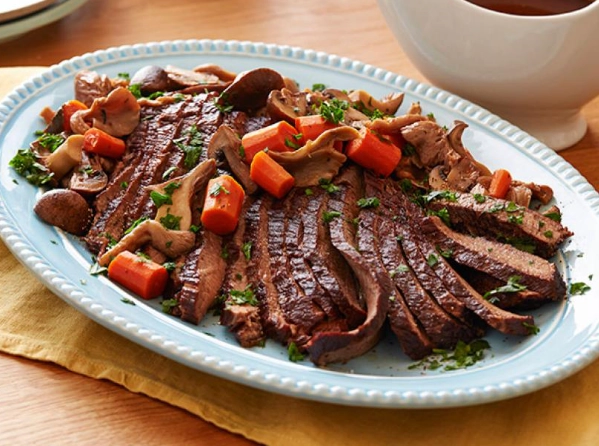
My Personal Tweaks and Final Thoughts
After making this dozens of times, I've settled on a few personal preferences that might help you.
- For the Rub: I love 2 parts pepper to 1 part salt, plus a teaspoon of garlic powder. Simple works.
- For the Liquid: A bottle of stout beer instead of broth is my favorite. It creates a rich, deep base flavor.
- After the Rest: I save all the juices from the foil packet, let the fat rise to the top, skim it off, and use that incredible au jus for dipping sandwiches or drizzling over the sliced meat.
- The Biggest Secret: Don't skip searing the brisket before it goes in the slow cooker. I didn't mention it earlier because it's not part of the core 3:2:1 rule for brisket slow cooker, but if you have 10 extra minutes, searing the brisket on all sides in a hot skillet before seasoning and adding to the pot builds an incredible flavor foundation through the Maillard reaction. It's a game-changer.
Look, no single method is perfect for everyone. But if you've been nervous about tackling brisket, or if your previous attempts have been hit-or-miss, this structured 3:2:1 rule for brisket slow cooker approach takes so much of the guesswork out. It gives you a clear roadmap. It manages the texture in a way that pure "set and forget" slow cooking often misses.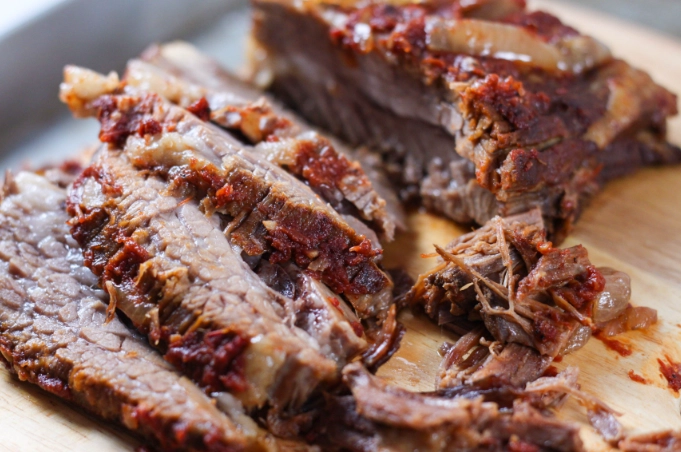
And remember, even the pros have off days. If it doesn't come out perfect the first time, figure out what went wrong (was it too tough? too dry? too bland?) and adjust one thing next time. Good brisket is worth the patience. Now go forth and conquer that cut of meat. Your sandwiches, tacos, and dinner plates will thank you.
Reader Comments