Quick Navigation: Your Guide to Avoiding Slow Cooker Disasters
Let's cut to the chase: your slow cooker is a kitchen hero, but put the wrong thing in it, and you'll end up with a meal that's either mushy, separated, or just plain unsafe. I've been using slow cookers for over ten years, and I've made every mistake in the book—from curdled cream soups to rubbery shrimp. This guide isn't about vague warnings; it's a deep dive into the specific foods that can ruin your dish, why they fail, and how to fix it. Trust me, after reading this, you'll never look at your slow cooker the same way.
Why Some Foods and Slow Cookers Just Don't Mix
Slow cookers work by maintaining a low, steady heat over hours. That's great for breaking down tough cuts of meat, but it's a disaster for delicate ingredients. The temperature typically ranges from 170°F to 280°F on low or high settings, which is perfect for simmering but can destroy textures and flavors if you're not careful.
The Science Behind the Failures
Think about dairy. Milk contains casein proteins that coagulate when heated slowly. In a slow cooker, that means your creamy chowder turns into a grainy mess. Or seafood—fish and shellfish have delicate muscle fibers that tighten and become tough with prolonged heat. It's not just about taste; it's chemistry. A study from the Institute of Food Technologists highlights how protein denaturation occurs at lower temperatures over time, which is why slow cooking requires specific ingredients.
Here's a personal story: I once tried making a cheesecake in a slow cooker. Sounds fancy, right? It turned into a watery, separated disaster because I didn't account for the moisture buildup. Lesson learned: not all recipes translate well.
The Forbidden List: Foods to Keep Out of Your Slow Cooker
Let's get specific. Below is a table of common offenders, why they fail, and what to do instead. This isn't an exhaustive list, but it covers the big ones I've seen people mess up repeatedly.
| Food Item | Why It's a Problem | Better Alternative or Fix |
|---|---|---|
| Dairy (milk, cream, sour cream) | Curdles and separates due to prolonged heat breaking down proteins. | Add in the last 30 minutes of cooking, or use stabilized bases like roux. |
| Seafood (shrimp, fish, scallops) | Overcooks quickly, becoming rubbery or mushy; loses flavor. | Add during the final 15-20 minutes; consider quick-cooking methods instead. |
| Pasta and Rice | Absorbs too much liquid, turns mushy, and can thicken sauce unevenly. | Cook separately and combine before serving; use pre-cooked versions. |
| Delicate Vegetables (spinach, zucchini) | Becomes soggy and loses color and nutrients over long cooking. | Add in the last hour; opt for heartier veggies like carrots or potatoes. |
| Frozen Meat | Risks bacterial growth as it spends too long in the danger zone (40°F-140°F). | Always thaw in the refrigerator first for safety and even cooking. |
| Certain Herbs (like fresh basil) | Loses flavor and turns bitter with extended heat. | Stir in at the end for a fresh punch. |
Notice how many of these are about timing? That's the key insight most beginners miss. Slow cooking isn't a dump-and-forget method for everything; it requires strategic additions.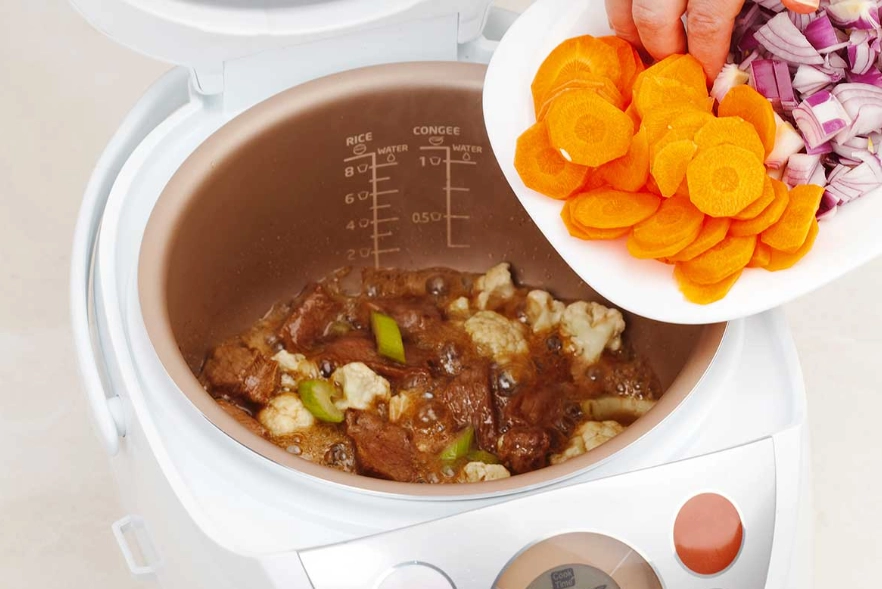
Pro Tip: I always keep a notebook by my slow cooker to jot down when to add ingredients. For a beef stew, I'll brown the meat first (adds flavor), toss in root veggies at the start, and throw in peas or cream at the end. It sounds simple, but it prevents that bland, overcooked taste.
A Closer Look at Dairy Disasters
Dairy is a big one. People love creamy soups, but pouring milk in at the beginning is a recipe for failure. The proteins denature slowly, leading to separation. Instead, I use evaporated milk or coconut milk as a substitute—they hold up better. Or, if you must have dairy, mix it with a bit of flour or cornstarch to stabilize it. I learned this from a chef friend who swore by adding a roux early on.
Seafood: The Silent Killer of Slow Cooked Meals
Seafood might seem like a healthy add, but it's a trap. Shrimp, for instance, cooks in minutes on the stove. In a slow cooker, it turns into a chewy, flavorless lump. I recall a party where I made a seafood cioppino in the slow cooker—big mistake. The clams were tough, and the fish fell apart. Now, I only use slow cookers for broths or bases, then add seafood right before serving.
Expert Tips for Slow Cooker Success (From a Decade of Trial and Error)
Beyond avoiding certain foods, here are some nuanced tips that most guides don't mention. These come from my own failures and successes.
- Brown Your Meat First: This isn't just for flavor; it creates a Maillard reaction that adds depth. Skipping this step results in a bland, gray stew. I use a skillet for 5-10 minutes before transferring to the slow cooker.
- Layer Ingredients Smartly: Place harder, denser foods like potatoes at the bottom where heat is more intense. Softer items go on top. This ensures even cooking without mushiness.
- Don't Overfill: Fill the slow cooker only halfway to three-quarters full. Overfilling leads to uneven heat distribution and potential overflow. I've cleaned up many messes from ignoring this.
- Use the Right Size: For small batches, a large slow cooker can cause food to burn or dry out. Match the cooker size to your recipe. A 4-quart model is ideal for 2-4 servings.
- Check Temperatures: Invest in a food thermometer. According to USDA guidelines, slow-cooked meals should reach at least 165°F internally for safety. I check mine periodically, especially with poultry.
Let's talk about a common scenario: you're making a chili. You toss in beans, meat, tomatoes, and maybe some dairy for creaminess. If you add sour cream at the start, it'll break down. Instead, serve it on the side. This small adjustment makes a world of difference.
Another thing: herbs. Fresh herbs like parsley or cilantro lose their vibrancy with long cooking. I add them at the end, or use dried herbs early on. It's a subtle point, but it elevates the dish from good to great.
Your Burning Questions Answered
 Wrapping up, slow cookers are fantastic tools, but they demand respect for ingredients. By avoiding these common pitfalls, you'll save time, money, and disappointment. Remember, it's not just about what you cook, but how and when you add it. Happy slow cooking!
Reader Comments