Let's cut right to the chase. The "poor man's cut of beef" isn't one specific piece of meat. It's a whole category. It refers to the tougher, more muscular, and historically less expensive cuts that come from the hard-working parts of the cow—the shoulder, the leg, the chest. Think chuck, brisket, round. These are the cuts your great-grandmother knew how to turn into something magical with time and low heat. They're the secret behind the world's great stews, pot roasts, and barbecued brisket. Today, with steak prices feeling like a luxury tax, knowing your way around these budget-friendly cuts isn't just nostalgic, it's downright smart cooking.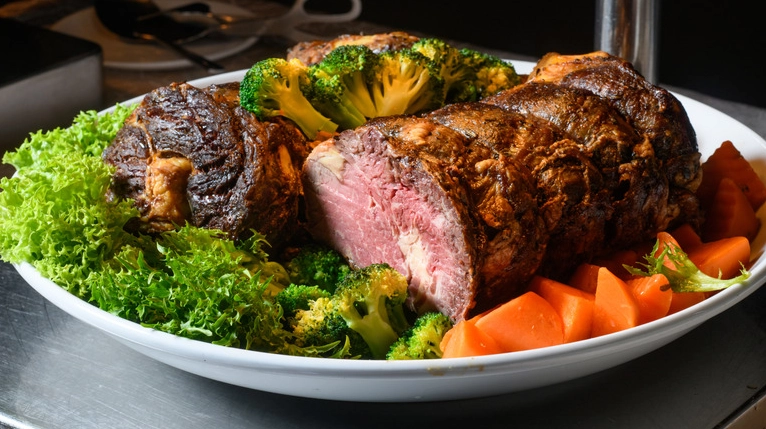
What You'll Find in This Guide
The Top Contenders for the "Poor Man's Cut" Title
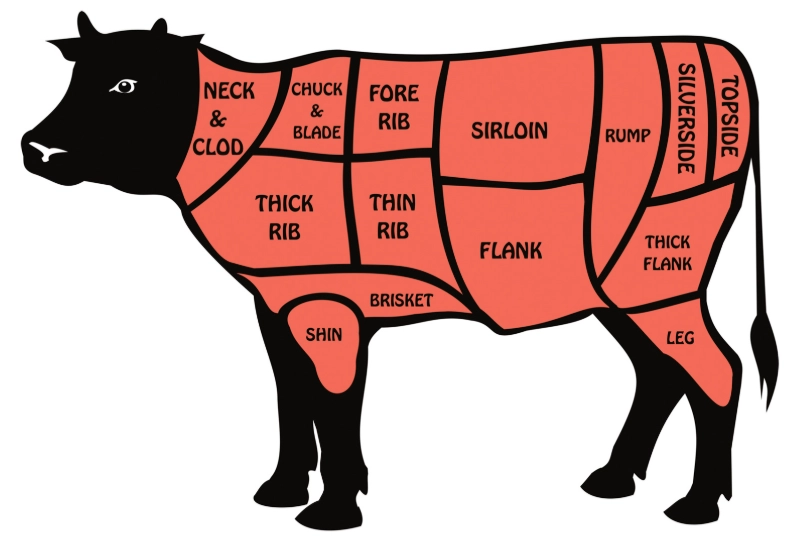
If we had to crown a champion, beef chuck would be a strong favorite. It comes from the shoulder and neck area. This muscle gets a lot of exercise, which means it's packed with connective tissue (collagen) and fat marbling. That's the good stuff—it melts during long, slow cooking, creating insane flavor and a tender, pull-apart texture. A chuck roast is the undisputed king of the Sunday pot roast.
But it's not alone. Here's your hit list of affordable, high-flavor beef cuts: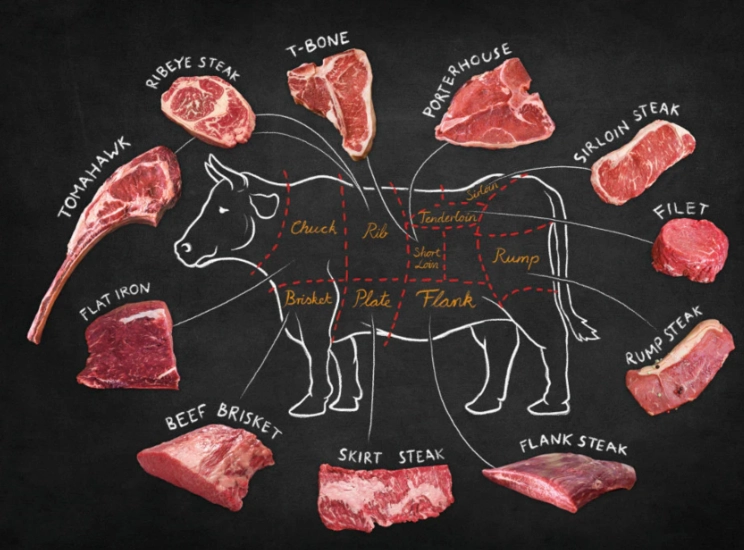
Beef Chuck Roast (Shoulder)
This is your workhorse. You'll see it labeled as chuck roast, shoulder pot roast, or sometimes blade roast. It's marbled with fat and has rich beefy flavor. Perfect for braising, stewing, or slow roasting. I've seen it priced as low as $5.99/lb, while ribeye sits at $18.99/lb. That's a no-brainer.
Beef Brisket (Chest)
Brisket is the cut that built Texas barbecue. It's a large, flat cut from the cow's lower chest. It's notoriously tough, with a thick fat cap. Cook it wrong, and it's like chewing a leather boot. Cook it low and slow (we're talking 10+ hours at 225°F), and that collagen transforms into gelatin, making it succulent and tender. A whole packer brisket is a project, but the price per pound is often fantastic.
Beef Round (Leg)
This comes from the back leg. It's very lean because it's a major locomotive muscle. Cuts like top round, bottom round, and eye of round are common. They're best for roasting at low temperatures to medium-rare and slicing very thin—think deli-style roast beef. If you overcook them, they become dry and tough in a hurry. A top round roast can be a fantastic, lean centerpiece.
Beef Shank (Leg)
Shank is the leg bone with the surrounding meat. It's extremely tough and sinewy, but it's also the secret weapon for deep, rich flavor. It's the classic cut for osso buco and is unbeatable in broths and stocks. You're buying it for the bone marrow and collagen as much as the meat.
| Cut Name | Where It's From | Best Cooking Method | Flavor & Texture Profile | Approx. Price per lb (US) |
|---|---|---|---|---|
| Chuck Roast | Shoulder & Neck | Braising, Slow Roasting, Stewing | Very beefy, rich, becomes fall-apart tender | $5.99 - $8.99 |
| Brisket (Flat) | Lower Chest | Barbecue (Slow Smoke), Braising | Intense beef flavor, smoky potential, tender when slow-cooked | $4.99 - $7.99 |
| Top Round Roast | Rear Leg | Roasting (to med-rare), Slicing thin | Lean, mild beef flavor, can be tender if not overcooked | $5.49 - $7.49 |
| Beef Shank | Leg | Braising, Stewing, Stock | Deep, mineral-rich flavor, gelatinous texture | $4.49 - $6.99 |
| Short Ribs (Flanken-style) | Rib & Plate | Braising, Korean BBQ (Galbi) | Extremely rich, fatty, luxurious mouthfeel | $7.99 - $12.99 |
Note: Prices are illustrative and vary widely by region, grade (Select, Choice, Prime), and store. But the relative value holds true.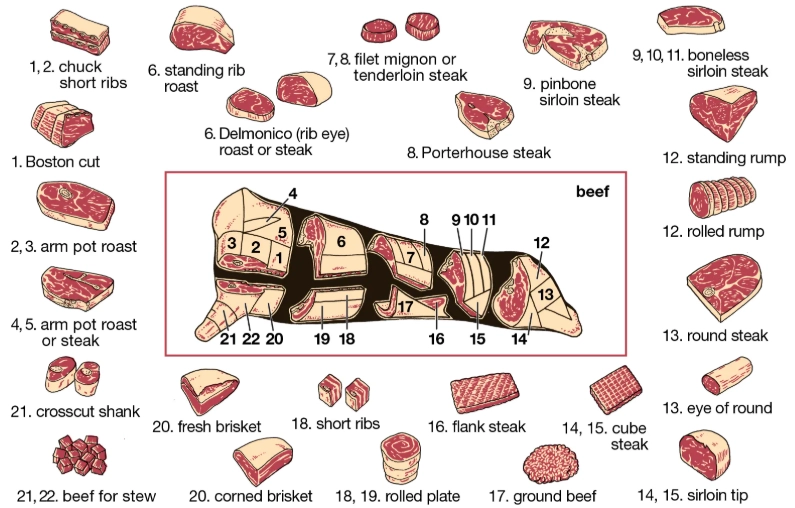
Why Are These Cuts Cheaper? It's Not Just About Taste
It's simple economics and butchery. A cow only has two tenderloins (filet mignon). It has two massive chuck sections and two huge rounds. Supply is higher for these working muscle cuts. Demand was historically lower because they require knowledge and time to cook well. In the era of fast, convenient cooking, a cut you can throw on a grill for 6 minutes is more marketable than one that needs 6 hours. That price difference is the "convenience tax" you pay for a ribeye.
But here's the twist: flavor often lives in the fat and connective tissue that makes a cut "tough." A well-marbled chuck roast can deliver a more satisfying, complex beef experience than a lean, bland filet mignon—if you treat it right.
The Golden Rule: Cooking Method is Everything
This is where most beginners fail. They treat a chuck roast like a steak. High heat, fast cook. Disaster. The single most important concept for poor man's cuts is low and slow cooking with moisture.
Collagen is your friend. These cuts are rich in collagen, a tough protein. When subjected to moist heat between 160°F and 205°F for a prolonged time, it breaks down into gelatin. Gelatin is what gives braised meat its luxurious, silky mouthfeel and makes the meat tender. This process is called hydrolysis.
Your primary weapons:
- Braising: Searing the meat, then cooking it partially submerged in liquid (broth, wine, tomatoes) in a covered pot in the oven. Ideal for chuck roast, short ribs, brisket (for corned beef).
- Stewing: Similar to braising, but the meat is cut into smaller cubes and fully submerged. Think beef stew.
- Slow Roasting/Smoking: Cooking at a very low temperature (200-250°F) for many hours, often with dry heat. This is how barbecue brisket and pulled beef are made. The collagen still breaks down, just more slowly.
A digital probe thermometer is non-negotiable. For braising, you cook to tenderness, not a specific internal temperature—usually when a fork twists easily in the meat, around 200-205°F internally.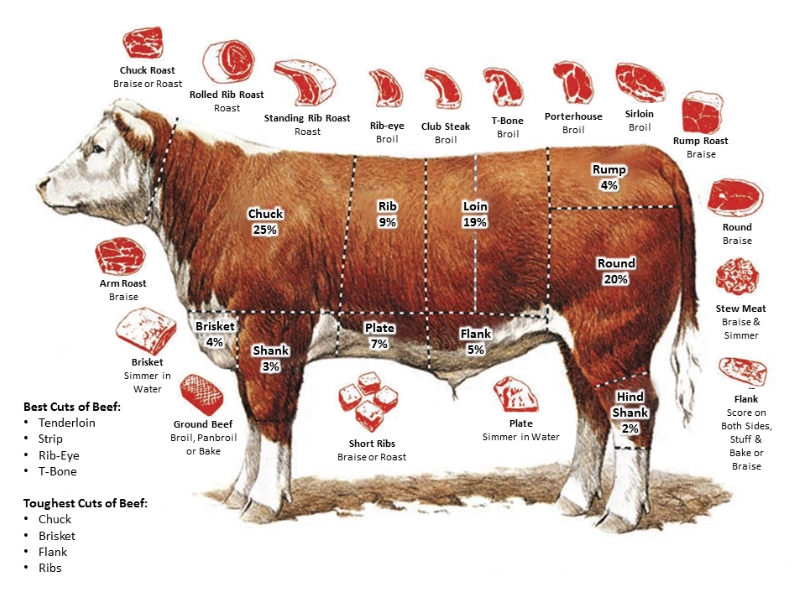
How to Buy Smart: Navigating the Meat Case
Walking up to the meat counter can be confusing. Here's how to get the best value.
Look for Marbling. Even within chuck, there's variation. More white flecks of fat (marbling) within the red meat means more flavor and a more forgiving cook. USDA Choice grade will have more marbling than Select.
Don't Fear the Blade. Chuck roasts often have a line of gristle or a blade bone running through them. This isn't a defect; it adds flavor during cooking. You can work around it when shredding or slicing.
Consider the Butcher Counter. Pre-packaged meat is fine, but sometimes the butcher can cut you a specific size or thickness, or point you to a less common cut like a Denver steak (from the chuck) that's a great value.
Buy in Bulk and Freeze. These cuts freeze beautifully. When you see a sale on chuck roast, buy two or three. Vacuum seal or wrap tightly in plastic wrap and foil before freezing. They'll keep for 6-12 months.
Recipe Showcase: A Simple Chuck Roast That Never Fails
Let's make this practical. Here's my go-to, no-fuss pot roast recipe. It's more method than rigid formula.
Ingredients: 1 (3-4 lb) chuck roast, salt, pepper, 2 tbsp oil, 2 onions (cut into wedges), 4 carrots (cut into chunks), 3 celery stalks (chunks), 4 cloves garlic (smashed), 2 cups beef broth, 1 cup red wine (or more broth), 2 sprigs fresh thyme (or 1 tsp dried).
Method:
- Heat oven to 325°F. Pat the roast dry and season aggressively all over with salt and pepper.
- In a large Dutch oven, heat oil over medium-high heat. Sear the roast until deeply browned on all sides (about 8-10 minutes total). This builds flavor. Remove roast.
- Add onions, carrots, celery to the pot. Cook for 5-7 minutes until they start to soften. Add garlic for the last minute.
- Pour in the wine to deglaze, scraping up all the browned bits (fond) from the bottom. Let it simmer for 2 minutes.
- Add broth and thyme. Return the roast to the pot, nestling it in the veggies. The liquid should come about halfway up the sides of the meat.
- Cover and transfer to the oven. Cook for 3 to 4 hours, turning once halfway, until the meat is fork-tender.
- Remove the roast and veggies to a platter. Tent with foil. Skim fat from the cooking liquid, then simmer it on the stovetop for 10-15 minutes to reduce and concentrate into a sauce. Season to taste.
That's it. The meat will be tender, flavorful, and make fantastic leftovers.
Your Beef Budget Questions, Answered
 Mastering the poor man's cuts turns you from a passive consumer at the meat counter into an empowered cook. You're no longer at the mercy of steak prices. You understand that value isn't just about the price per pound on the sticker; it's about the incredible, satisfying meals you can create from humble ingredients with a bit of knowledge and time. That's a skill that saves money and delivers more genuine flavor than any quick-seared tenderloin ever could.
Reader Comments