Quick Navigation
- Why This Chicken Stew Recipe Actually Works
- Gathering Your Arsenal: Ingredients Matter
- The Step-by-Step: Building Flavor, Layer by Layer
- The Ingredient Table: Your Shopping & Prep Guide
- Answering All Your Chicken Stew Questions (FAQs)
- Leveling Up: Pro Tips and Variations
- The Final Taste Test & Serving Ideas
Let's be real. Some days you just want to come home to a house that smells amazing, with dinner ready and waiting. No last-minute scrambling, no mountain of dishes. That's the magic of a good chicken stew in crock pot with potatoes. It's the culinary equivalent of a warm hug. But here's the thing – not every slow cooker chicken stew is created equal. I've had my share of disappointments: watery broths, mushy potatoes, chicken that tastes like bland rubber. It took me a few tries (and yes, a couple of genuine fails) to nail it. So I'm sharing everything I've learned, the hard way, so you don't have to.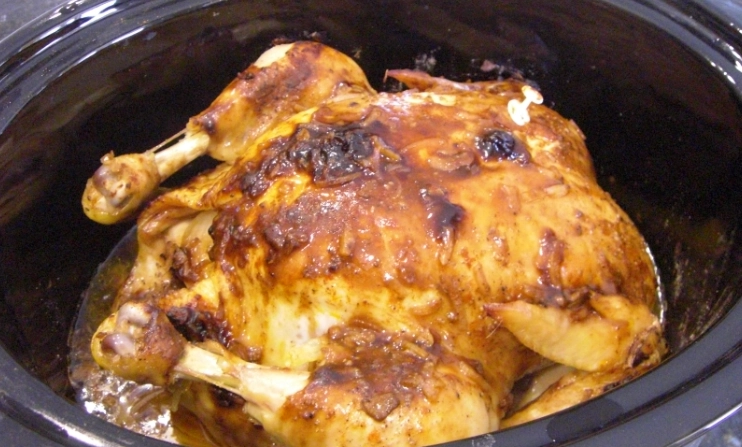
This isn't just about dumping ingredients in a pot. It's about understanding why each step matters. Why sear the chicken? What potato holds up best over eight hours? How do you fix a stew that's too thin (or too thick) at the end? We're going deep.
Why This Chicken Stew Recipe Actually Works
You can find a million recipes online. I wanted to figure out what makes one truly great. The goal for this crock pot chicken stew with potatoes is layers of flavor and perfect texture. The chicken should be fall-apart tender, the potatoes soft but not disintegrating, and the gravy rich and clinging to every bite. The slow cooker's low, steady heat is perfect for breaking down tough connective tissue in cheaper cuts of chicken, transforming them into something luxurious. It's economical comfort food at its finest.
Gathering Your Arsenal: Ingredients Matter
You can make a decent stew with just about anything, but choosing the right components elevates it from "meh" to "more, please." Let's break down the cast of characters for our ultimate potato chicken stew.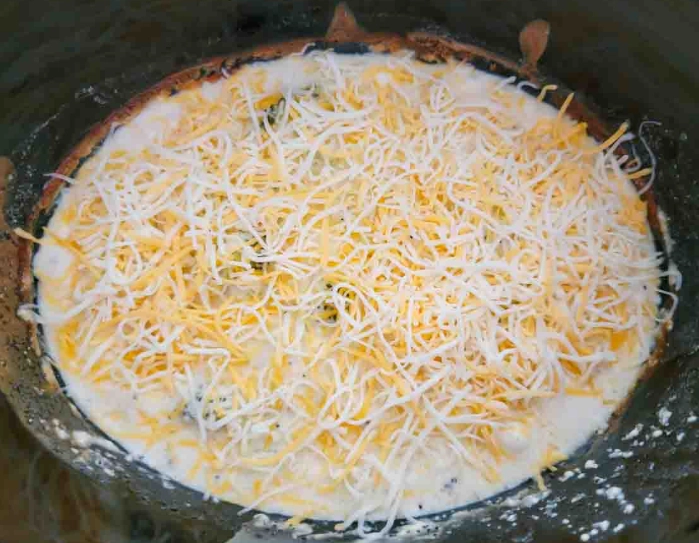
The Chicken: Thighs vs. Breasts - The Eternal Debate
This is the most important choice. Chicken breasts are lean and can dry out if overcooked, even in liquid. Chicken thighs (bone-in, skin-on for maximum flavor, or boneless/skinless for convenience) have more fat and connective tissue. That fat renders during the long cook, self-basting the meat and keeping it incredibly juicy. The connective tissue melts into gelatin, enriching the stew. My strong, unshakable opinion? Use thighs. Boneless, skinless thighs are my weekday hero. If you only have breasts, you'll need to reduce the cooking time significantly (more on that later) or risk a stringy texture.
Don't skip the browning step!
Pat the chicken dry with paper towels. This is crucial for getting a good sear, not a steam. Heat a bit of oil in a skillet until it shimmers, then brown the chicken in batches. Don't crowd the pan! Crowding drops the temperature and makes the chicken sweat instead of sear. You're not cooking it through, just getting a gorgeous golden-brown color on all sides. This Maillard reaction creates hundreds of new flavor compounds. Trust me.
The Potatoes: Picking the Right Spud
Not all potatoes are slow-cooker friendly. Waxy potatoes (Red Bliss, Fingerlings, New Potatoes) hold their shape beautifully but can remain a bit firm. Starchy potatoes (Russets, Idahos) will thicken the stew as they break down but can turn to mush if overcooked. My perfect compromise? Yukon Golds. They're a medium-starch, all-purpose potato with a buttery flavor and creamy texture. They soften beautifully and contribute to the stew's body without completely disappearing. Cut them into 1 to 1.5-inch chunks. Too small, and they'll vanish. Too big, and they might not cook through evenly.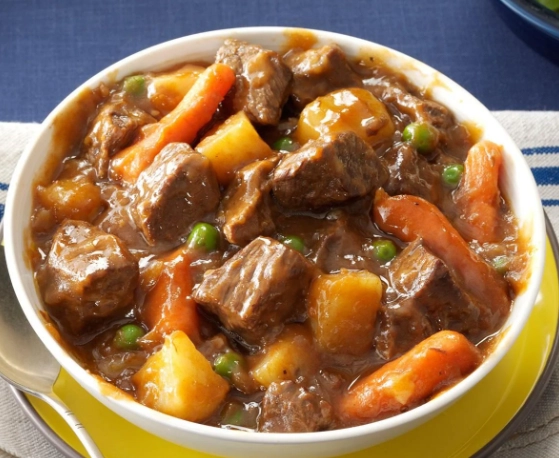
The Flavor Foundation: Veggies and Aromatics
Onions, carrots, and celery (the classic mirepoix) are non-negotiable for a flavor base. Dice them evenly so they cook at the same rate. Garlic is a must. I also love adding a parsnip or a turnip for a subtle, sweet earthiness. Mushrooms, browned alongside the chicken, add an incredible umami depth. Don't just throw them in raw; sautéing them first drives off water and concentrates their flavor.
The Liquid: More Than Just Water
Water is a flavor diluter. Use a good, low-sodium chicken broth or stock. For an even richer base, I often use half broth and half a dry white wine (like Sauvignon Blanc) or a pale ale. The alcohol cooks off, leaving behind fantastic acidity and complexity. If you don't cook with alcohol, just use all broth. A couple of tablespoons of tomato paste, fried in the skillet for a minute after browning the meat, adds color and a sweet, concentrated tomato backbone.
The Thickener: A Crucial Decision Point
This is where many recipes diverge. You have options:
- Flour Slurry: Mix 3-4 tablespoons of all-purpose flour with an equal amount of cold water or broth until smooth. Stir this into the stew during the last 30-60 minutes of cooking. This is easy and effective.
- Cornstarch Slurry: Mix 2 tablespoons cornstarch with 2 tablespoons cold water. Stir in at the very end, then cook on HIGH for 15-20 minutes until thickened. Creates a glossier, clearer sauce.
- Natural Thickening: Mashing some of the cooked potatoes against the side of the crock pot at the end is a rustic, gluten-free way to thicken the stew.
I usually go with the flour slurry. It's foolproof and gives the gravy a traditional, hearty consistency perfect for our chicken stew in crock pot with potatoes.
The Step-by-Step: Building Flavor, Layer by Layer
Here’s my tried-and-true method. It involves a tiny bit of upfront work on the stovetop, but the payoff is immense.
- Brown the Chicken: As discussed, in batches, in a hot skillet. Transfer to a plate.
- Sauté the Aromatics: In the same skillet (with all those tasty brown bits), add a bit more oil if needed and cook the onions, carrots, and celery until they start to soften, about 5-7 minutes. Add the garlic and tomato paste and cook for another minute until fragrant.
- Deglaze: Pour in your wine or a bit of broth and scrape up all the fond from the bottom of the pan. Let it simmer for a minute. This step is liquid flavor.
- Layer in the Crock: Place the potato chunks in the bottom of your slow cooker. They go first because they take the longest to cook and benefit from direct heat. Scatter the sautéed vegetables over them. Place the browned chicken on top. Pour the deglazing liquid and the remaining broth over everything.
- Season and Cook: Add herbs. A couple of bay leaves, some dried thyme, and a sprinkle of poultry seasoning are classics. Season with salt and pepper. Cover and cook. For chicken thighs: LOW for 6-7 hours or HIGH for 3-4 hours. For chicken breasts: LOW for 4-5 hours or HIGH for 2-3 hours. Chicken is safe to eat when it reaches an internal temperature of 165°F (74°C), as verified by a meat thermometer. The USDA Food Safety guidelines are a great resource for safe cooking temperatures.
- Thicken and Finish: In the last hour of cooking on LOW (or 30 minutes on HIGH), prepare your flour slurry. Remove the lid, stir the slurry into the stew, and re-cover to finish cooking. If using cornstarch, do this at the very end on HIGH. Before serving, taste and adjust seasoning. Stir in a handful of frozen peas for a pop of color and sweetness, if you like. Remove bay leaves.
The Ingredient Table: Your Shopping & Prep Guide
| Ingredient | Best Choice & Why | Prep Notes | Potential Substitutes |
|---|---|---|---|
| Chicken | Boneless, skinless chicken thighs. Juicy, forgiving, flavor-rich. | Pat dry, cut into large chunks (or leave whole). | Chicken breasts (reduce cook time), bone-in thighs (adds flavor but remove bones later). |
| Potatoes | Yukon Gold. Buttery, holds shape, thickens slightly. | Peel (optional), cut into 1-1.5" chunks. | Red potatoes (hold shape well), Russets (will thicken more, may break down). |
| Aromatics | Yellow onion, carrots, celery, garlic. | Dice onions/celery, slice carrots, mince garlic. | Shallots for onion, parsnips for carrots. |
| Liquid | Low-sodium chicken broth + dry white wine. | Deglaze pan with wine, use broth to cover. | All broth, beef broth (deeper flavor), beer. |
| Herbs | Dried thyme, bay leaves, black pepper. | Add at beginning. | Fresh thyme sprigs, rosemary (use sparingly), herbes de Provence. |
| Thickener | All-purpose flour + cold water (slurry). | Mix until smooth, add in last hour. | Cornstarch slurry (glossier), instant mashed potato flakes (quick fix). |
Answering All Your Chicken Stew Questions (FAQs)
Over the years, I've gotten the same questions from friends and readers. Here are the real answers.
Can I really just throw everything in raw?
Technically, yes. The slow cooker will cook it safely. But the flavor will be one-dimensional, more "boiled" than "braised." The 10-minute stovetop prep for browning and sautéing is the single biggest quality upgrade you can make.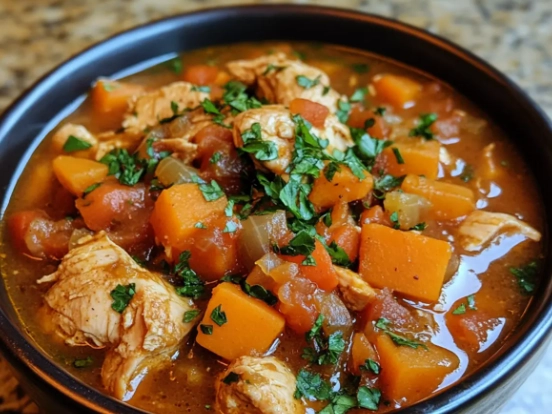
My stew is too watery! How do I fix it?
First, remove the lid and cook on HIGH for 30-60 minutes to let liquid evaporate. If that's not enough, make a cornstarch slurry (1 tbsp cornstarch + 1 tbsp cold water per cup of liquid) and stir it in, cooking on HIGH until thickened. You can also mash some potatoes against the side of the pot.
My stew is too thick! Help!
Easy fix. Stir in additional warm broth, a splash at a time, until it reaches your desired consistency.
Can I overcook this chicken stew in crock pot with potatoes?
Absolutely. While the moist environment is forgiving, chicken can eventually become dry and stringy, and potatoes can turn into total mush. Stick to the recommended time ranges. Chicken thighs are more resilient, but 8+ hours on LOW might be pushing it for texture.
What about food safety? Leaving food out for hours?
This is a common concern. The slow cooker, when used correctly, is safe. Start with a preheated appliance if yours has the function. Ensure the food reaches a safe temperature (165°F for chicken) within a few hours and stays above 140°F. The USDA Food Safety and Inspection Service provides clear guidelines on slow cooker safety. Don't use frozen meat directly in the slow cooker, as it can linger in the "danger zone" (40-140°F) for too long.
Can I freeze it?
This stew freezes beautifully for up to 3 months. Cool it completely, then store in airtight containers or freezer bags. Thaw in the fridge overnight and reheat gently on the stovetop or in the microwave. The potatoes may be slightly softer after freezing, but the flavor is still fantastic.
Leveling Up: Pro Tips and Variations
Once you've mastered the basic crock pot chicken stew with potatoes, try these twists.
- Creamy Version: Stir in 1/2 cup of heavy cream or full-fat coconut milk during the last 30 minutes of cooking.
- Spicy Kick: Add a diced jalapeño (seeds removed) with the aromatics, or stir in a tablespoon of chipotle in adobo sauce.
- Herb Bomb: Stir in a large handful of fresh, chopped parsley, dill, or tarragon right before serving for a bright, fresh finish.
- Add Bacon: Cook 4-6 slices of chopped bacon in your skillet first. Remove the bacon, then use the bacon fat to brown your chicken. Sprinkle the cooked bacon on top as a garnish. Game over.
The beauty of a recipe like this is its flexibility. It's a template. Don't have carrots? Use celery root. Out of thyme? Try paprika. Make it yours. That's how you go from following a recipe to truly cooking.
The Final Taste Test & Serving Ideas
Before you call it done, taste it. Does it need more salt? A crack of black pepper? A squeeze of lemon juice to brighten it up? Adjust. Always adjust to your palate.
This stew is a complete meal in a bowl, but it loves company. Serve it with:
- A thick slice of crusty, buttered bread for dunking.
- A simple green salad with a sharp vinaigrette to cut the richness.
- Over a bed of egg noodles or fluffy white rice to stretch it further.
- With a sprinkle of grated Parmesan cheese or a dollop of sour cream on top.
So there you have it. More than just a recipe, it's a blueprint for a perfect, hassle-free comfort food meal. The kind of chicken stew in crock pot with potatoes that makes a busy day feel manageable and a regular dinner feel special. Give it a shot, tweak it to your taste, and enjoy the delicious, fragrant rewards. Now, if you'll excuse me, I think it's time to go start my own pot.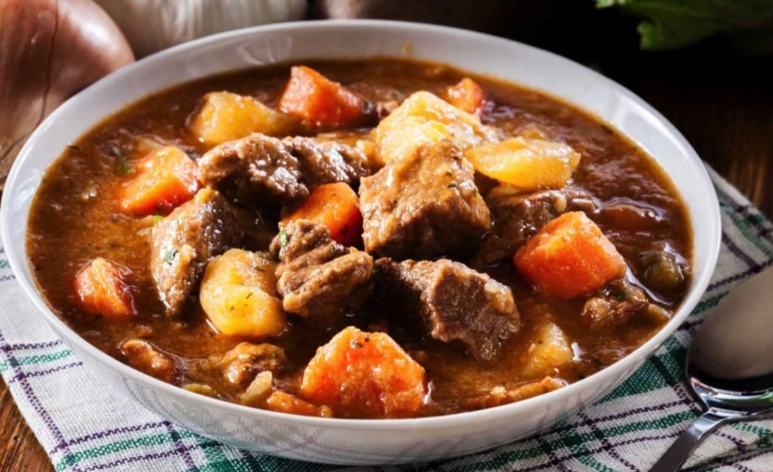
Reader Comments