Let's cut to the chase: if you want ribs so tender the meat falls off the bone with zero fuss, your slow cooker is the answer. No smoker, no oven babysitting, no chef skills required. I've made this recipe dozens of times, and it never fails—even on busy weeknights. Here's everything I've learned from years of trial and error.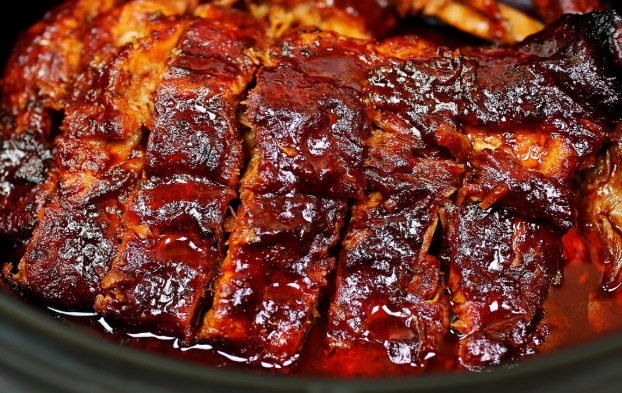
Jump to What Matters
Why Slow Cooker Ribs Are a Game-Changer
I used to think ribs were a weekend project. Then I tried the slow cooker method on a Tuesday. Eight hours on low, and I had meat that practically melted. The slow cooker's gentle, consistent heat breaks down collagen without drying out the meat—something ovens often mess up. It's hands-off cooking at its best. You prep in five minutes, walk away, and come home to a meal that tastes like you slaved over it.
Plus, it's forgiving. Forget to check on it? No problem. The low temperature keeps things moist. I've even left it on for an extra hour by accident, and the ribs were still perfect. That's the beauty of this method.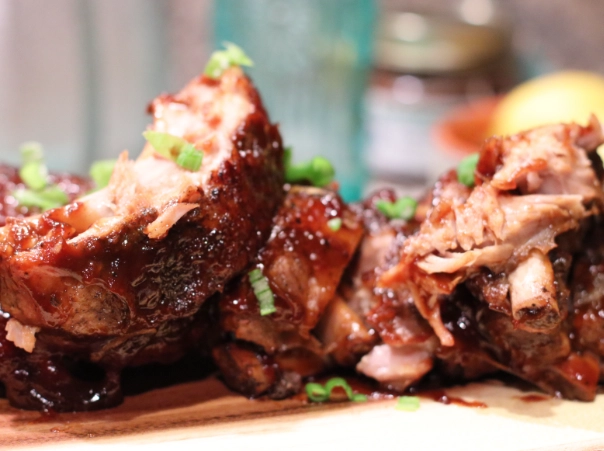
What You'll Need: Ingredients and Tools
You don't need fancy gear. A basic slow cooker (like a Crock-Pot) works fine. For ribs, I prefer baby back ribs—they're meatier and cook evenly. But spare ribs work too; just adjust the time slightly.
Choosing the Right Ribs
Baby back ribs: leaner, tender, cook in about 6-8 hours. Spare ribs: fattier, more flavor, might need 7-9 hours. Look for ribs with good marbling (those white streaks of fat)—that's what turns into juiciness. Avoid ribs that look dry or have a grayish tint.
The Essential Rub and Sauce
The rub is key. I mix brown sugar, paprika, garlic powder, salt, and pepper. Some recipes add chili powder or cumin, but keep it simple if you're new. For sauce, use your favorite BBQ sauce—store-bought is fine. I like a tangy one to balance the sweetness.
| Ingredient | Quantity | Notes |
|---|---|---|
| Baby back ribs | 2-3 lbs (1 rack) | Trim excess fat if desired |
| Brown sugar | 1/4 cup | Helps with caramelization |
| Paprika | 2 tbsp | Smoked paprika adds depth |
| Garlic powder | 1 tbsp | Fresh garlic can burn |
| Salt and black pepper | 1 tsp each | Adjust to taste |
| BBQ sauce | 1 cup | Split for cooking and serving |
| Apple juice or broth | 1/2 cup | Keeps moisture; optional |
Tools: slow cooker, knife, aluminum foil, brush for sauce. That's it.
Step-by-Step: How to Make Fall-Off-The-Bone Ribs
This is where most people go wrong—they overcomplicate it. Follow these steps, and you're golden.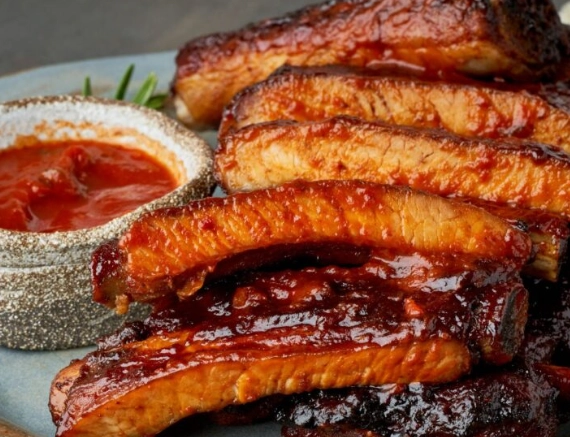
Prep Work: Trimming and Seasoning
First, remove the membrane from the back of the ribs. It's that shiny layer; if left on, it turns tough and chewy. Slide a knife under it, grip with a paper towel, and pull it off. Takes 30 seconds but makes a huge difference.
Pat the ribs dry with paper towels. Mix the rub ingredients in a bowl, then massage it all over the ribs. Don't be shy—get it into every nook. Let it sit for 10 minutes if you have time, but you can cook immediately.
Slow Cooker Setup
Pour the apple juice or broth into the slow cooker—just enough to cover the bottom, about 1/2 inch. This creates steam but doesn't boil the ribs. Some recipes skip liquid; I find it helps prevent burning on the edges.
Place the ribs in the cooker. You might need to cut the rack in half to fit. Curl them around the edges if needed. Cover and set to low for 6-8 hours. High heat? I avoid it—it can toughen the meat. Low and slow is the mantra.
Cooking Process
After 6 hours, check for doneness. The meat should pull away from the bone easily. If not, give it another hour. Once done, carefully remove the ribs—they'll be fragile. Place them on a foil-lined baking sheet.
Brush with BBQ sauce. Here's my twist: don't sauce during cooking. The sugar in sauce can burn over long periods. Instead, sauce at the end and broil for 3-5 minutes to caramelize. That gives a sticky, glossy finish without the risk.
Pro move: If you're short on time, cook on high for 3-4 hours, but monitor closely. The texture might be slightly less tender, but it's still good. I prefer low for best results.
The Secret to Perfect Ribs Every Time
Most recipes miss this: the amount of liquid matters. Too much, and you're boiling the ribs, which washes out flavor. Too little, and the bottom might scorch. Aim for just enough to cover the base—about 1/2 cup. The ribs will release their own juices as they cook.
Another non-consensus point: don't overcrowd the cooker. If stacking ribs, layer them with foil in between to ensure even heat. But ideally, cook one rack at a time for consistent results.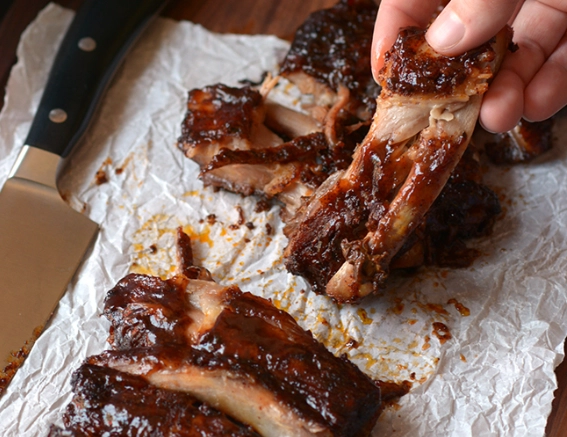
Temperature control is crucial. According to USDA guidelines, pork should reach an internal temperature of 145°F for safety. But for fall-off-the-bone tenderness, I let it go to 190-200°F. That's where collagen melts into gelatin. Use a meat thermometer to be sure.
Common Mistakes and How to Avoid Them
I've made these errors so you don't have to.
- Skipping the membrane removal: This is the biggest rookie mistake. That membrane stays rubbery no matter how long you cook. Just peel it off.
- Adding sauce too early: As mentioned, sauce burns. Save it for the last step.
- Using high heat exclusively: High can work, but low gives more margin for error. If you must use high, reduce time by half and check often.
- Not letting ribs rest: After cooking, let them sit for 10 minutes before cutting. This lets juices redistribute. Cut them too soon, and they'll dry out.
Watch out: Some slow cookers run hotter than others. If yours is old or tends to scorch, consider adding a bit more liquid or checking at the 5-hour mark. I learned this the hard way with a cheap model that burned the edges.
Serving Suggestions and Storage
Serve these ribs with classic sides: coleslaw, cornbread, baked beans. Or keep it simple with roasted potatoes and a salad. They're rich, so light sides balance it out.
For storage, let leftovers cool completely. Store in an airtight container in the fridge for up to 4 days. Reheat in the microwave or oven at 300°F until warm. They freeze well too—wrap tightly in foil and freeze for up to 3 months. Thaw in the fridge overnight before reheating.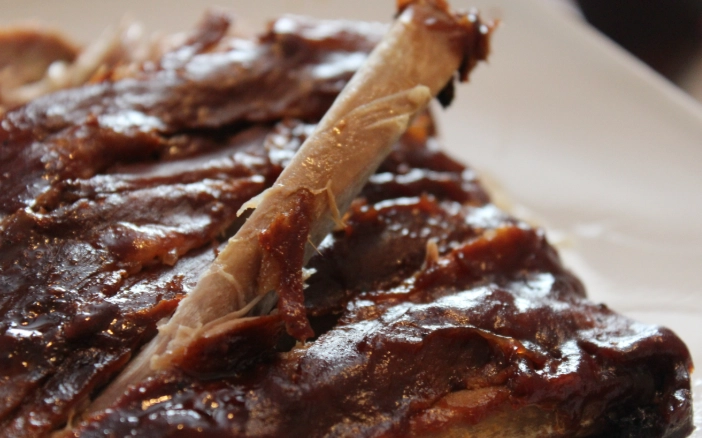
Reader Comments