You've got the ribs. The slow cooker is on the counter. The recipe says "add liquid," but how much? Should those ribs be completely underwater, like a submarine, or just sitting in a shallow puddle? This single question trips up more home cooks than you'd think. I've ruined a rack or two myself by getting it wrong—ending up with meat that was either tough as leather or mushy like baby food.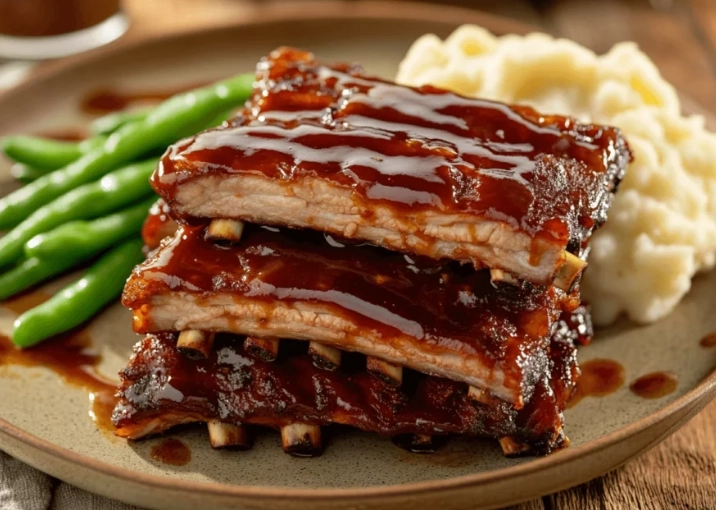
The short, unsatisfying answer is: it depends. But don't click away. The real answer lies in understanding the two different cooking methods happening in your slow cooker: braising and steaming. Choosing the right one is the difference between ribs that are fall-off-the-bone tender with a rich, concentrated flavor, and ribs that are... well, just okay.
What You'll Learn
It's Not Just Liquid—It's a Cooking Method
Think of the liquid in your slow cooker as more than just a moisture source. It's the medium that transfers heat and flavor. The amount you use dictates the primary cooking method.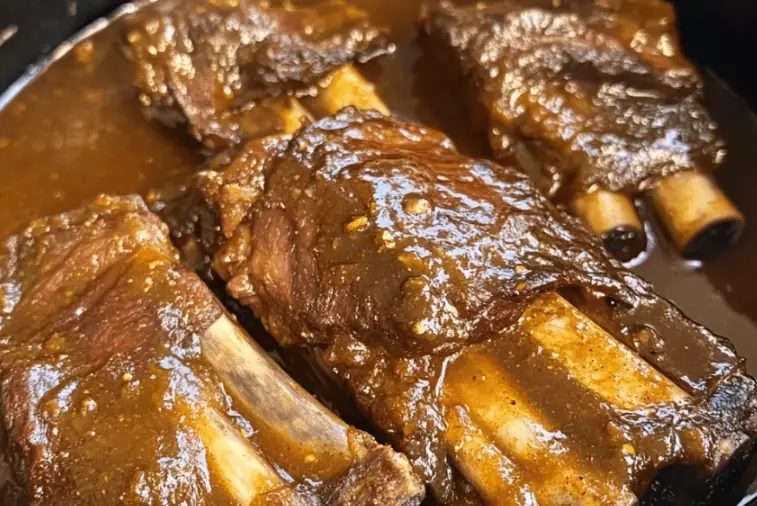
Braising (Partial Submersion)
This is the classic, hands-down winner for pork ribs (baby back, St. Louis style, country-style). You add enough liquid to come one-third to halfway up the sides of the meat. The ribs are not swimming. They're perched on a bed of onions or a rack, with their lower portion bathing in the flavorful broth.
What happens? The submerged part cooks directly in the liquid (moist-heat), while the exposed top cooks in the trapped steam (also moist-heat, but gentler). This dual action renders fat beautifully, breaks down tough connective tissue into gelatin (that's the "fall-off-the-bone" magic), and allows for some surface concentration of flavor. The meat retains its structural integrity and doesn't get waterlogged. According to the science of cooking, as detailed by resources like On Food and Cooking by Harold McGee, braising is ideal for tough cuts rich in collagen—exactly what ribs are.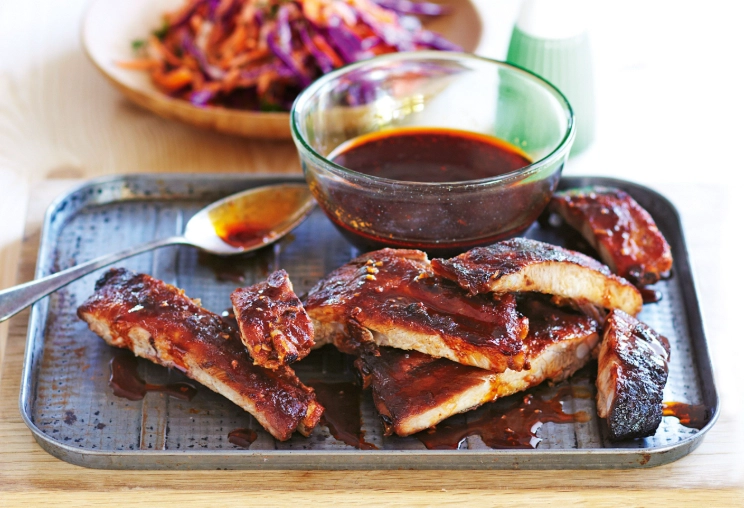
Steaming (Full Submersion)
Here, you completely cover the ribs with liquid. This is less common for ribs and more suited for stews or soups where you want the meat to be part of a broth. If you fully submerge ribs, you're essentially boiling them in a slow cooker. The result? All the flavor leaches out of the meat and into the liquid. You're left with bland, stringy meat and a fantastic broth—a sad trade-off. The texture can also become unpleasantly soft and mushy because the proteins break down too much.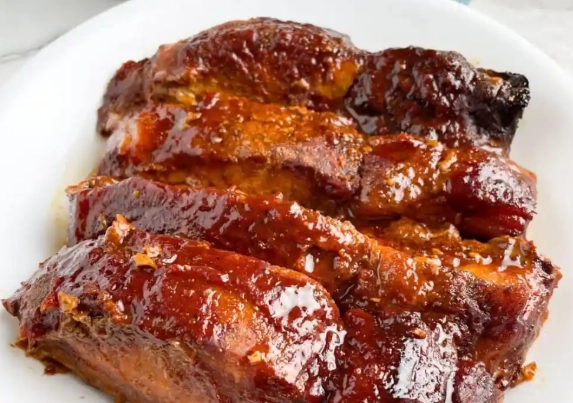
The Goldilocks Zone: Finding "Just Right"
So, if full coverage is too much and no liquid is too little (your ribs will dry out and the cooker might crack), what's the perfect amount? Let's get specific.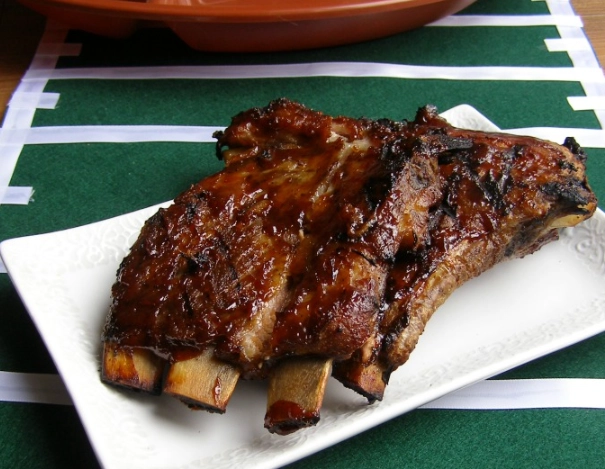
For a standard 6-quart slow cooker and one full rack of ribs (cut into sections of 3-4 ribs):
- Baby Back Ribs: ½ to ¾ cup of liquid. They're leaner and more compact.
- St. Louis or Spare Ribs: 1 to 1 ½ cups of liquid. They're larger, fattier, and benefit from a bit more braising liquid.
Your liquid isn't just water. Build flavor. Use a combination of:
- Acid: Apple cider vinegar, lime juice, or beer. This helps tenderize.
- Umami/Broth: Beef or chicken stock, soy sauce, Worcestershire sauce.
- Aromatics: The liquid should contain your sautéed onions, garlic, and spices.
Here’s a visual guide for a typical setup:
| Component | Purpose | Example for Pork Spare Ribs |
|---|---|---|
| Base Layer | Prevents direct contact, adds flavor | 1 sliced onion, 4 crushed garlic cloves |
| Rib Placement | Meat sits above the liquid line | Rib sections placed bone-side down on onions |
| Braising Liquid | Creates steam & infuses flavor | 1 cup beef broth + 2 tbsp apple cider vinegar + 1 tbsp soy sauce |
| Final Liquid Level | The "Goldilocks" zone | Liquid should reach about halfway up the bottom of the rib sections. |
The Two Catastrophes (And How to Sidestep Them)
After talking to dozens of home cooks and reflecting on my own fails, two errors keep popping up.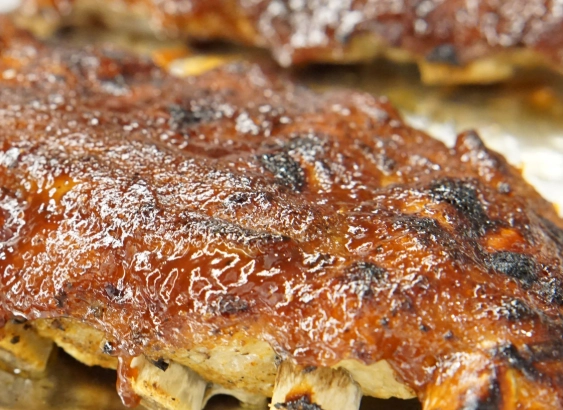
Mistake #1: The Flood. Pouring in a whole quart of broth because the recipe said "cover with liquid." Outcome: Boiled, flavorless, mushy ribs. The broth tastes amazing, though. It's a heartbreaking culinary mismatch.
The Fix: Measure your liquid. Use a measuring cup. Start with the lower amount suggested above. You can always add a splash later if the cooker looks dry (which is rare). Remember, vegetables like onions and the ribs themselves release moisture.
Mistake #2: The Dry Scorch. Using no liquid at all, or just a tablespoon of sauce, because you're afraid of "boiling." Outcome: The bottom of the ribs can scorch where they touch the hot ceramic. The connective tissue doesn't break down properly, leading to chewy, dry meat. The environment isn't humid enough for proper collagen conversion.
The Fix: You must have some liquid. Even ½ cup creates the essential humid, steamy environment for low-and-slow breakdown. If you're using a very saucy glaze, you might get away with less added liquid, but a bare minimum is non-negotiable for food safety and texture.
A Foolproof Guide for Any Ribs
Let's walk through it. This method assumes you've already removed the membrane from the bone side of the ribs—a critical step for tenderness.
Step 1: Season & Sear (Optional but Recommended). Pat ribs dry. Rub generously with your spice mix. For a deeper flavor, sear the rib sections in a hot skillet for 60-90 seconds per side until browned. This creates fond (browned bits) that add incredible depth.
Step 2: Build the Foundation. Place your sliced onions, garlic, or even carrot chunks in the bottom of the slow cooker. This is your natural rack.
Step 3: Add Ribs & Liquid. Place the rib sections on the vegetable bed, ideally standing up or leaning. Pour your measured braising liquid around the sides, not directly over the top of the ribs. Watch the level. It should not cover the meat.
Step 4: Cook Low & Slow. Cover and cook on LOW for 6-8 hours. HIGH (3-4 hours) works in a pinch but often yields slightly less tender results. The collagen needs time.
Step 5: The Finish. Here's where you control sauciness. Carefully remove the ribs (they'll be fragile). You have two options:
- For "Dry" Ribs: Place ribs on a baking sheet, brush with your favorite BBQ sauce, and broil for 3-5 minutes to caramelize.
- For "Wet" Ribs: Pour the cooking liquid into a saucepan. Skim off excess fat. Simmer and reduce it by half until it's a glossy, thickened glaze. Brush this reduction onto the ribs.
That last step—reducing the braising liquid into a sauce—is the secret restaurant trick. It concentrates all the meaty, savory, spiced flavors into an intense glaze that clings to the ribs. It beats bottled sauce every time.
Your Slow Cooker Rib Questions, Answered
So, back to the original question: should ribs be covered in liquid in a slow cooker? The clear winner for texture, flavor, and control is the braising method—partial submersion. It uses the slow cooker's magic to transform a tough cut into something sublime, without diluting its essence. Ditch the "cover with water" instruction. Embrace the measured braise. Your next rack of ribs will thank you.
Reader Comments