Let's be honest. The dream of pulled pork is juicy, flavorful strands of meat that fall apart at the slightest touch. The reality for many home cooks is often dry, stringy, or bland pork that feels like a chore to eat. I've been there. After years of testing—and a few disappointing dinners—I've nailed down a method that works every single time. Forget complicated smokers or constant oven babysitting. Your slow cooker is the secret weapon for achieving that perfect, fall-apart tenderness with minimal hands-on work. This isn't just a recipe; it's a foolproof system.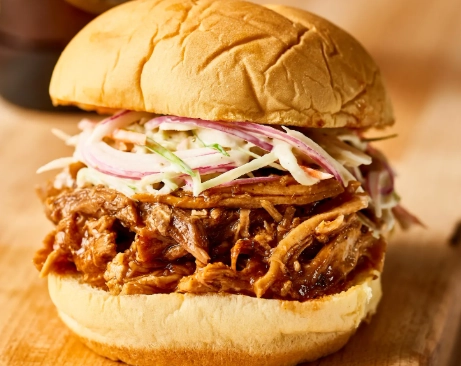
What You'll Find Inside
Why This Recipe Actually Works (The Science of Fat)
Most failed pulled pork recipes share one critical mistake: using the wrong cut of meat. You cannot make great pulled pork from a lean pork loin or tenderloin. It's a recipe for sawdust. The magic happens with a fatty, collagen-rich cut like pork shoulder (also called pork butt or Boston butt). As it cooks low and slow, that tough connective tissue melts into gelatin, basting the meat from the inside out and creating that iconic juicy, tender texture.
The slow cooker is perfect for this because it provides a gentle, steady, moist heat environment. It essentially braises the meat in its own juices. A common pitfall I see is people adding too much liquid at the start. You don't need to submerge the pork. A small amount of liquid (like apple cider vinegar) creates just enough steam and acidity to help break things down without boiling the meat.
Gathering Your Arsenal: Meat, Rub, and Tools
Great results start with the right ingredients. Here’s your shopping and prep list.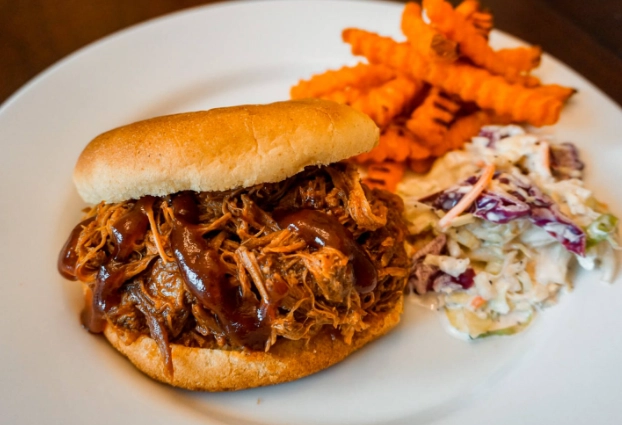
The Star of the Show: The Pork
Aim for a 4 to 5 pound bone-in pork shoulder roast. The bone adds flavor and helps conduct heat evenly. If you can only find boneless, that's fine—just reduce the cook time by about an hour and know the flavor might be slightly less complex. Look for one with good marbling (white streaks of fat within the meat).
The Flavor Bomb: The Dry Rub
This is where you build deep flavor. Mix these in a bowl:
- 3 tablespoons brown sugar (for caramelization and balance)
- 2 tablespoons smoked paprika (this is non-negotiable for that smoky depth)
- 1 tablespoon kosher salt (Diamond Crystal is my go-to; if using table salt, use 1.5 teaspoons)
- 1 tablespoon garlic powder
- 1 tablespoon onion powder
- 2 teaspoons ground black pepper
- 1 teaspoon dry mustard powder
- 1/2 teaspoon cayenne pepper (optional, for a subtle kick)
The Supporting Cast
- 1 large yellow onion, sliced
- 4 cloves garlic, smashed
- 1/2 cup apple cider vinegar
- 1/2 cup chicken broth or water
- Your favorite barbecue sauce (for serving)
For tools, you just need a 6-quart or larger slow cooker, some tongs, and two forks for shredding.
Your Foolproof Step-by-Step Guide
This process is simple, but a few key steps make all the difference.
Step 1: The Rub Down (The Night Before or Morning Of)
Pat the pork shoulder completely dry with paper towels. This is crucial—a wet surface won't let the rub stick. Generously massage the dry rub all over the meat, getting into every nook and cranny. For the best flavor penetration, do this the night before, wrap the rubbed pork in plastic, and let it rest in the fridge. If you're short on time, even 30 minutes at room temperature helps.
Step 2: Building the Flavor Base
Scatter the sliced onion and smashed garlic in the bottom of your slow cooker. Pour in the apple cider vinegar and broth. This creates an aromatic steam bath. Place the rubbed pork shoulder, fat-side up, on top of the onions. Do not stir. The liquid should come about 1/3 of the way up the side of the pork, not cover it.
Step 3: The Long Wait (But No Peeking!)
Set your slow cooker to LOW for 8 to 10 hours. This is the most important instruction. High heat will make the meat tough. Low and slow is the only way to properly break down collagen. Resist the urge to lift the lid. Every time you do, you release heat and steam, adding significant time to the cook.
The pork is done when it is extremely tender and a fork inserted into the thickest part twists easily, pulling the meat apart with no resistance. An internal temperature of 195°F to 205°F is your target for perfect shredding.
Step 4: The Shred and Sauce Strategy
Carefully transfer the pork to a large bowl or cutting board. Let it rest for 15-20 minutes—it will be easier to handle and will reabsorb some juices. Use two forks to shred the meat, discarding any large pieces of fat or the bone.
Now, here's a personal rule: Don't mix all the shredded meat with barbecue sauce right away. Strain the cooking liquid from the slow cooker into a fat separator or measuring cup. Skim off most of the fat, then mix some of that flavorful liquid back into the shredded pork to keep it moist. This allows people to choose their own sauce adventure later—classic BBQ, Carolina vinegar, or even just the juicy meat on its own.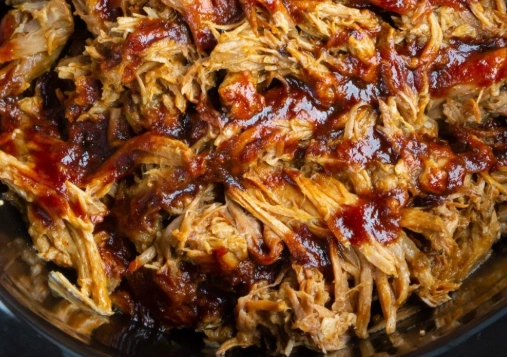
Beyond the Pot: Serving, Storing, and Reheating
Your perfect pulled pork deserves the right stage.
Serving Ideas:
- The Classic Sandwich: Toasted brioche bun, pulled pork, creamy coleslaw, pickles, and a drizzle of sauce.
- Loaded Nachos or Fries: A game-day favorite. Scatter over chips or fries with cheese, jalapeños, and sour cream.
- Pulled Pork Tacos: Corn tortillas, pork, diced onion, cilantro, and a squeeze of lime.
- On its Own: With sides like baked beans, mac and cheese, or cornbread. The National Pork Board has great ideas for side pairings that complement the rich flavor.
Storing and Reheating: Let the pork cool completely. Store it in an airtight container in the fridge for up to 4 days, or freeze for up to 3 months. To reheat, add a splash of broth or water and warm it gently in a covered pot on the stove over low heat or in the microwave at reduced power. This prevents it from drying out.
Reader Comments