You've spent all day slow-cooking a beautiful beef stew or a rich chicken curry. The meat is fall-apart tender, the vegetables are perfect, but when you lift the lid... you're faced with a pot of thin, watery broth. Sound familiar? This is the exact moment the question "when to add cornstarch to slow cooker" becomes critical. Get it wrong, and you risk a lumpy, gloppy mess or a sauce that never thickens. Get it right, and you transform that liquid into a glossy, restaurant-quality gravy that clings to every bite.
I've been using slow cookers for over a decade, and I've made every thickening mistake in the book. I've dumped cornstarch straight into a bubbling pot (disaster). I've added it at the beginning of an 8-hour cook (pointless). Through trial, error, and a lot of research into food science, I've nailed down a foolproof system. The short answer? You add a cornstarch slurry—a mix of equal parts cornstarch and cool liquid—during the last 30 to 60 minutes of cooking. But the real magic is in the why and the how, which most guides gloss over.
Your Quick Guide to Perfect Gravy
- Why Adding Cornstarch at the Right Time is Non-Negotiable
- How to Make a Perfect Cornstarch Slurry (No Lumps Guaranteed)
- The Exact Best Time to Add Cornstarch to Your Slow Cooker
- 3 Common Cornstarch Mistakes You're Probably Making
- What If Cornstarch Isn't Working? Reliable Alternatives
- Your Slow Cooker Thickening Questions, Answered
Why Adding Cornstarch at the Right Time is Non-Negotiable
Cornstarch isn't a set-it-and-forget-it ingredient. Its thickening power comes from a process called gelatinization. The starch granules need heat to swell and burst, absorbing liquid and creating thickness. But here's the kicker that most recipes don't tell you: those granules have a limit.
If you add cornstarch too early—say, at the start of a 6-8 hour cook—the prolonged heat and acidity (from ingredients like tomatoes or wine) actually break down the starch molecules. They lose their structural integrity. You're left with a sauce that might thicken initially but then slowly reverts to a thin state, a frustrating phenomenon I call "slow cooker thickening fade." The USDA notes that prolonged cooking can affect the stability of various thickeners, which aligns perfectly with this kitchen observation.
Conversely, adding it at the very end doesn't give the starch enough time to fully cook out its raw, chalky flavor or reach its maximum thickening potential. The sweet spot is that final stretch of cooking.
Food Science Note: Cornstarch gelatinizes at a temperature between 144°F and 180°F (62°C - 82°C). Your slow cooker on "Low" sits comfortably in this range, which is why the method works. But time is the other crucial variable.
How to Make a Perfect Cornstarch Slurry (No Lumps Guaranteed)
Never, ever sprinkle dry cornstarch directly into the hot liquid. This is the #1 cause of lumps. You must make a slurry first. The standard ratio is 1 tablespoon of cornstarch to 1 tablespoon of cool liquid for every cup of liquid you want to thicken. But I've found a more forgiving method.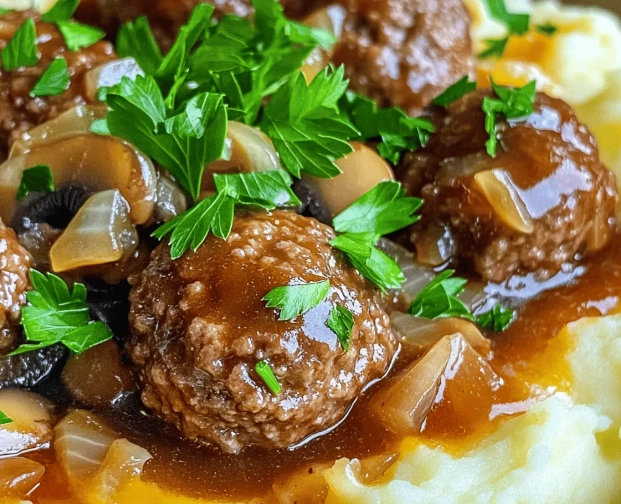
Here’s my foolproof slurry technique, refined after one too many lumpy chowders:
- Use a small bowl or large mug. A cup is too small to whisk properly.
- Add your cornstarch first. For a standard 6-quart slow cooker full of stew, start with 3-4 tablespoons.
- Add an equal amount of COOL liquid. Water is fine, but using some of the cooler cooking liquid (skimmed from the top), broth, or even milk/cream for creamy dishes works better. The key is it must be cool or room temp. Cold liquid from the fridge can shock the starch and make it harder to blend smoothly later.
- Whisk vigorously until it looks like thin, smooth milk. No dry spots, no clumps. If it's too thick, add a splash more liquid. This slurry is your insurance policy against lumps.
Does Your Slurry Liquid Matter?
It can. Water is neutral. Using broth or drippings adds more flavor. For dairy-based dishes, use milk or cream, but be aware that dairy can sometimes separate with high heat, though in a slurry it's usually stable. The main goal is a smooth, pourable mixture.
The Exact Best Time to Add Cornstarch to Your Slow Cooker
Let's get specific. "Last 30 minutes" is a good rule of thumb, but it depends on your cooker's setting and how much liquid you have.
| Slow Cooker Setting | When to Add Slurry | Why This Timing Works |
|---|---|---|
| LOW (6-8 hour cook) | Last 45-60 minutes | Gives the starch ample time to fully gelatinize and integrate into the sauce without breaking down. |
| HIGH (3-4 hour cook) | Last 30-45 minutes | The higher heat accelerates the process, so a slightly shorter window is sufficient. |
| KEEP WARM / Finishing | After cooking, with pot on HIGH | If you discover a thin sauce after cooking is done. Remove lid, stir in slurry, set to High for 15-20 mins until bubbly and thick. |
The Process: About an hour before your dish is done, lift the lid. Give the contents a good stir. Slowly pour your slurry in a thin stream over the surface while stirring continuously. Replace the lid, but leave it slightly vented or turned to the side to allow steam to escape. This helps excess moisture evaporate, aiding the thickening process. Resist the urge to stir again for at least 20 minutes to let the heat work evenly.
Pro Tip Most Miss: If your sauce contains a lot of fat (like from a fatty pork shoulder), skim off some of the excess fat from the surface before adding the slurry. Fat can coat starch granules and inhibit their thickening ability. I learned this the hard way making a particularly greasy pulled pork.
3 Common Cornstarch Mistakes You're Probably Making
Beyond bad timing, here are subtle errors that ruin a good sauce.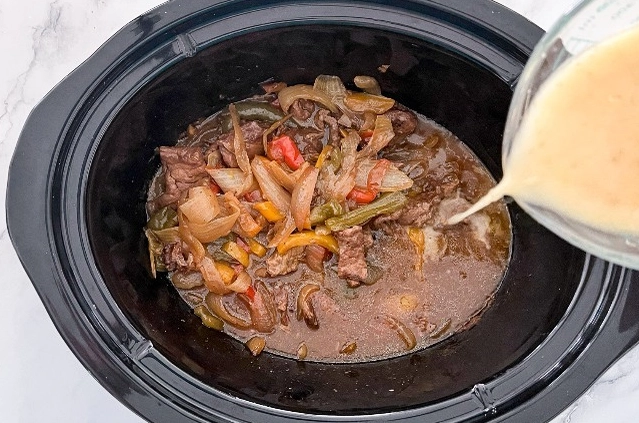
Mistake 1: Using Boiling Liquid for the Slurry. This causes instant gelatinization in the bowl, creating unbreakable globs. Always use cool liquid.
Mistake 2: Not Accounting for the Lid. A slow cooker lid traps all moisture. When you add a slurry, you're adding more liquid. To compensate, after adding the slurry, I often leave the lid cracked open with a wooden spoon handle for the final 30 minutes. This allows steam to escape and the sauce to reduce and concentrate, resulting in a thicker, more flavorful result.
Mistake 3: Giving Up Too Soon. Cornstarch doesn't thicken the moment it hits the pot. It needs to come back to a simmer and hold there for a few minutes. Don't add more slurry because it looks thin after 5 minutes. Be patient. Give it a full 20-30 minutes on the prescribed setting.
What If Cornstarch Isn't Working? Reliable Alternatives
Sometimes cornstarch isn't the right tool. Maybe you need a gluten-free option that's more freeze-thaw stable, or you want a different texture. Here are my go-to backups, ranked by ease.
- All-Purpose Flour: Make a roux or beurre manié (equal parts soft butter and flour kneaded together). Add small bits of beurre manié during the last hour, stirring to dissolve. It gives a more opaque, velvety texture than cornstarch's gloss.
- Instant Mashed Potato Flakes: A fantastic, underrated trick. Sprinkle in a tablespoon at a time during the last 15 minutes, stirring well. It thickens quickly, adds body, and is foolproof. Great for potato-based soups or stews.
- Arrowroot Powder: Used exactly like cornstarch (make a slurry, add late). It creates a clearer, glossier sauce and handles acidity better, making it ideal for sweet and sour or tomato-based dishes. A resource from the University of Nebraska-Lincoln Extension on food thickening mentions arrowroot as a clear-thickening alternative.
- Reduction (The No-Thickener Method): For the purist. If you have time, simply remove the lid for the final 45-60 minutes of cooking on High. Let the steam evaporate. This concentrates flavors like nothing else, though it takes longer.

Your Slow Cooker Thickening Questions, Answered
I'm making a creamy chicken stew with dairy. If I add a cornstarch slurry in the last 30 minutes, will the dairy curdle?
It's a risk, but you can manage it. Dairy is most likely to curdle when exposed to high heat and acidity. If your stew is already hot and has been cooking, adding a cool slurry can temporarily lower the temperature, which actually helps. Use room-temperature milk or cream for your slurry instead of water. Stir it in gently and avoid boiling vigorously afterwards. For ultimate safety, you can temper the dairy by slowly whisking a cup of the hot stew liquid into the slurry first, then pouring that mixture back into the pot.
Can I prep a cornstarch slurry ahead of time and leave it sitting on the counter until I need it?
I don't recommend it. A slurry will separate if left to sit, with the starch settling into a hard cake at the bottom. You'd have to re-whisk it vigorously, and you might not break up all the clumps. It takes 60 seconds to make a fresh slurry when you need it. That's one minute for guaranteed smoothness versus the gamble of a pre-made one.
My slow cooker recipe says to coat the meat in cornstarch before browning and adding to the pot. Is that enough to thicken the sauce later?
Not really. That initial coating is primarily for creating a nice crust during browning (the Maillard reaction). Most of that cornstarch will either stick to the pan or remain on the meat's surface. It contributes minimally to the overall sauce thickness. You will almost certainly still need to add a slurry later in the cook to get the gravy consistency you want. Treat the initial dusting as a flavor/texture step, not a thickening step.
I added the slurry an hour ago, and my stew is still thin. Can I add more now?
First, ensure your slow cooker is on High and the lid is off or cracked. Let it cook uncovered for another 20 minutes to evaporate liquid. If it's still too thin, you can make a second, smaller slurry (maybe half your original amount). Remember, it's easier to add more thickness than to fix an over-thickened, paste-like dish. The most common reason for failure is insufficient heat—make sure the pot is bubbling gently at the edges before deciding to add more.
How do I thicken a slow cooker meal that's already finished and sitting on "Warm"?
This is a common weeknight dinner scenario. The fix is straightforward. Turn the slow cooker to High. Take out 1/2 to 1 cup of the hot liquid into a bowl. Whisk in 1-2 tablespoons of cornstarch until smooth. Pour this mixture back into the main pot, stirring well. Replace the lid and let it cook on High for 15-20 minutes, or until it bubbles and thickens. The key is using hot liquid for your slurry to minimize temperature shock and speed up the process.
Reader Comments