Quick Navigation
Let's be honest. We've all been there. You find an amazing recipe for a pot roast or a cozy chicken casserole. It sounds perfect for a busy day. But it's written for the oven, and you're staring at your trusty slow cooker, wondering if you can just dump everything in and hope for the best. I've done it. The result? Sometimes great, sometimes a watery, bland mess, and once, a chicken dish so dry it could have been used as a hockey puck.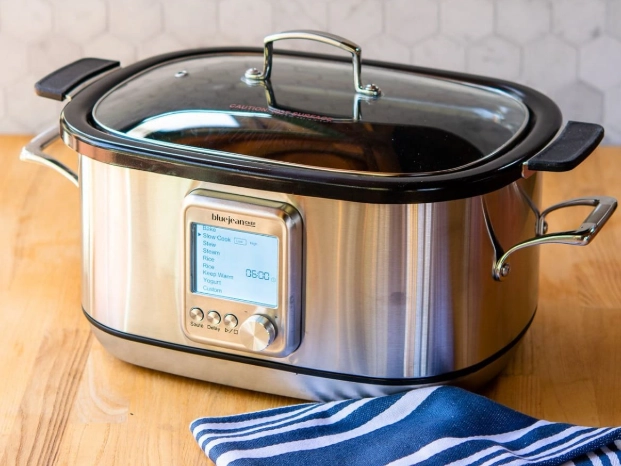
That's why I stopped guessing and started figuring out the real rules. Converting oven recipes to slow cooker meals isn't just about setting a timer and walking away. It's a bit of a science, but once you get the hang of it, it's like unlocking a superpower for your kitchen. You get those deep, developed flavors with almost none of the active work. This guide is everything I wish I'd known when I started. We're going to break down the oven to slow cooker conversion process into simple, foolproof steps.
The Core Principle: It's All About Liquid and Time
When you convert oven recipes to a slow cooker, two things change dramatically: the amount of liquid you need and the time it takes to cook. An oven's dry heat evaporates moisture quickly. A slow cooker's sealed environment traps steam, creating a humid atmosphere that cooks food gently and prevents moisture loss.
This means your beautiful oven-braised short ribs that call for two cups of broth will likely swim in a thin, flavorless soup if you use the same amount in the Crock-Pot. Conversely, that oven-roasted whole chicken that needs no added liquid? It'll dry out in a slow cooker without a little help.
The Golden Rule of Liquid Reduction
As a general starting point, you should reduce the liquid in your oven recipe by about half when adapting it for a slow cooker. If the oven recipe calls for 2 cups of broth, wine, or water, start with 1 cup. You can always add a splash more later if things look too dry (though they rarely do).
Why? Because virtually no liquid evaporates from a sealed slow cooker. Any liquid you put in at the start will still be there at the end, along with all the juices released from the meat and vegetables. I learned this the hard way with a vegetable soup that turned into a bland broth festival.
Mastering the Time Conversion Chart
This is the most critical piece of the puzzle. You cannot simply match the oven's cooking time. Slow cooking is, by nature, slower. Here’s a practical table that has never steered me wrong. It’s based on my own trials and errors, plus advice from resources like the USDA's food safety guidelines for slow cookers, which are essential for safe cooking.
| Oven Cooking Time & Temp | Slow Cooker Equivalent (LOW) | Slow Cooker Equivalent (HIGH) | Best For... |
|---|---|---|---|
| 15-30 mins at 350°F+ | 1.5 - 2.5 hours | 45 mins - 1.5 hours | Reheating, melting, simple sauces |
| 30-60 mins at 350°F | 4 - 6 hours | 2 - 3 hours | Chicken pieces, fish, tender vegetables |
| 1 - 2 hours at 325°F | 6 - 8 hours | 3 - 4 hours | Most stews, pot roasts, pork shoulder |
| 2 - 3+ hours at 300°F | 8 - 10+ hours | 4 - 6 hours | Tough cuts of meat (brisket, chuck roast), beans from dry |
See the pattern? Low heat is roughly 2-4 times longer than the oven time. High heat is about 1-2 times longer.
I almost always choose LOW. The whole point of using a slow cooker, for me, is to let time do the work. High heat can sometimes make meat a bit stringy, especially leaner cuts. Low and slow is the mantra for a reason—it breaks down connective tissue into gelatin, making tough cuts fall-apart tender. If you're trying to convert an oven recipe to a slow cooker for a chuck roast, you want that low, long cook.
Ingredient-Specific Conversion Strategies
Not all ingredients behave the same when you switch from the dry heat of an oven to the moist heat of a slow cooker. Here’s the breakdown by category.
Meat: Your Main Event
This is where the slow cooker truly shines. Tough, inexpensive cuts become luxurious.
- Browning First: I know, it's an extra step. But searing meat in a skillet before it goes into the slow cooker is the single biggest flavor upgrade you can make. That brown crust (the Maillard reaction) adds a depth of flavor the slow cooker can't create on its own. It's not strictly mandatory, but your stew will taste 50% better. I rarely skip it now.
- Fat Side Up: Place roasts and larger cuts with the fat cap on top. As it slowly renders, it bastes the meat all day long, keeping it incredibly moist.
- Size Matters: If the oven recipe calls for cutting meat into chunks, keep them on the larger side (2-inch cubes). Smaller pieces can overcook and become mushy over 8 hours.
Vegetables: The Hidden Challenge
Vegetables are the trickiest part when you learn how to convert oven recipes to slow cooker versions. Root vegetables (potatoes, carrots, turnips) take forever to soften in a slow cooker. Delicate veggies (zucchini, peas, spinach) turn to mush in minutes.
I once made a beef stew where I followed the oven recipe's large potato chunks. After 8 hours, the beef was perfect, but I was still chewing on semi-raw potatoes. Lesson learned.
Dairy & Thickeners: Add Them Late
Milk, cream, sour cream, and cheese can curdle or separate if cooked for hours on end. Stir them in during the last 30 minutes of cooking.
Similarly, flour or cornstarch used as a thickener in the oven recipe will just sit in the liquid and can create a pasty texture if added at the beginning. To thicken your slow cooker sauce:
- At the end of cooking, turn the slow cooker to HIGH.
- Mix 1-2 tablespoons of cornstarch with an equal amount of cold water to make a slurry.
- Stir the slurry into the bubbling liquid. It should thicken within 10-15 minutes.
Step-by-Step: Your Foolproof Conversion Checklist
So you have an oven recipe in front of you. Let's walk through converting it, step by step.
Step 2: Reduce the Liquid. Cut the broth, wine, water, or sauce quantity by at least half. Remember, you can add but you can't take away.
Step 3: Adjust the Cooking Time. Use the chart above. When in doubt, opt for the LOW setting and the longer end of the time range. It's very hard to overcook most slow cooker dishes on LOW.
Step 4: Re-Order the Ingredients. Place hard root vegetables at the bottom. Add the meat next. Pour over the reduced liquid. Herbs and spices can go in now. Keep a mental note of ingredients to add later (dairy, delicate veggies).
Step 5: Consider Browning. Do you have 10 extra minutes? Brown that meat and sauté any onions or garlic from the recipe. It transforms the final flavor.
Step 6: Cook and Finalize. Put the lid on and leave it alone. Every time you lift the lid, you release steam and add 15-20 minutes to the cooking time. Add your late-stage ingredients. Thicken the sauce if needed. Adjust seasoning (slow cooking can mute salt and spices, so you often need a final pinch at the end).
Common Questions When Converting Oven Recipes to Slow Cooker
Can I convert ANY oven recipe to a slow cooker?
No, and it's important to be realistic. Recipes designed for dry heat to create crispiness (pizza, roasted vegetables, baked potatoes) won't work. They'll steam and become soggy. The best candidates are "wet" dishes: braises, stews, soups, pulled meats, and some casseroles.
My slow cooker food always tastes bland. What am I doing wrong?
This is the most common complaint! The moist environment can dilute flavors. The fix is three-fold: 1) Brown your meat (I can't stress this enough). 2) Use bold seasonings. You might need slightly more herbs, spices, and salt than the oven recipe states. 3) Finish with brightness. A squeeze of lemon juice, a splash of vinegar, or a handful of fresh herbs stirred in at the end cuts through the richness and wakes up all the flavors.
Is it safe to put raw meat in the slow cooker?
Yes, absolutely, as long as you follow safe practices. The slow cooker gets hot enough to cook meat safely. According to the USDA, it's important to start with a thawed cut of meat (not frozen) to ensure it cooks evenly and reaches a safe internal temperature. Use a meat thermometer to check doneness—beef/pork should be at least 145°F (62.8°C) for roasts and 160°F (71.1°C) for ground meat, poultry should reach 165°F (73.9°C).
Can I just double a recipe?
Be careful. Your slow cooker should be between half and two-thirds full for optimal cooking. If you overfill it, food won't heat evenly and may not reach a safe temperature. If you underfill it, food can cook too quickly and burn. If you need to scale up, make sure you have a large enough cooker (6 quarts or more).
My Personal Conversion Successes (and One Failure)
Let's get concrete. Here are a few specific oven recipes I've successfully converted, and the adjustments I made.
The Big Win: Classic Beef Stew. Oven recipe: 2 lbs chuck roast, veggies, 3 cups beef broth, cook at 325°F for 2.5 hours. My conversion: Browned the chuck roast cubes. Used 1.5 cups of broth (half the amount). Cut potatoes and carrots into 1-inch pieces (smaller). Cooked on LOW for 8 hours. Added frozen peas in the last 30 minutes. Thickened with a cornstarch slurry. It was, hands down, better than the oven version.
The Pleasant Surprise: Baked Ziti. Oven recipe: Cook pasta, mix with sauce, cheese, bake at 375°F for 25 mins. My risky conversion: Used uncooked ziti pasta. Covered it with a robust, slightly thinned tomato sauce (the pasta needs extra liquid to absorb). Cooked on LOW for 3 hours. Stirred in ricotta and half the mozzarella, topped with the rest, and let it melt for another 20 minutes. It worked! The pasta cooked perfectly in the sauce.
Advanced Tips & Final Thoughts
Once you've mastered the basics of how to convert oven recipes to a slow cooker, you can play with these pro tips.
- Layer Wisely: The bottom of the pot gets hottest. Put things that take longest to cook (root veggies, tough meat) there. More delicate items go on top.
- Don't Peek: I said it before, but it's worth repeating. Trust the process. Set it and (really) forget it.
- Use the Right Size: A 6-quart slow cooker is the most versatile for family cooking. A 1-quart mini is great for dips and small portions.
- Understand Your Model: All slow cookers run at slightly different temperatures. Get to know yours. If things consistently cook faster than my charts suggest, note it down. The Crock-Pot brand's learning center has great model-specific advice, though remember they often err on the side of shorter times.
Converting recipes isn't about rigid rules, it's about understanding how heat and moisture work. Start with a simple recipe you know well—like a basic chili or chicken stew. Apply these principles. Take notes on what you changed and how it turned out. You'll build your own intuition faster than you think.
The goal isn't to abandon your oven. It's to give yourself more options. On a crazy day, the ability to convert an oven recipe to slow cooker method means a home-cooked meal is still possible. It means walking in the door to the smell of a finished dinner instead of staring at an empty kitchen. That’s the real magic.
So grab a recipe, grab your slow cooker, and give it a try. You might have a flop or two (I certainly did), but you'll also discover a whole new, incredibly convenient way to cook the foods you love.
Reader Comments