You bought the slow cooker dreaming of coming home to a perfectly tender pot roast or a rich, simmering chili. Instead, you get dry meat, mushy vegetables, or a flavor that's just... meh. I've been there. My first slow cooker stew tasted like bland, boiled water with chunks. It wasn't the appliance's fault. It was mine.
After a decade of using mine weekly—for everything from pulled pork to yogurt—I've learned that the difference between a disappointing meal and a fantastic one often comes down to avoiding a few subtle but critical errors. These aren't the obvious "don't drop it" tips. These are the mistakes that quietly ruin your food.
What's Going Wrong in Your Pot?
Mistake 1: Treating It Like a Regular Pot
The most common image of a slow cooker mistake is a pot bubbling over. But the issue is more about physics than mess.
Overfilling (or Underfilling) the Pot
Your slow cooker needs space for heat to circulate. Cram it to the brim, and the food around the edges might overcook while the center remains dangerously undercooked. The USDA emphasizes the importance of even heating for food safety. Aim to fill it between half to two-thirds full. Any more, and you risk uneven cooking; any less, and you might get scorching on the sides because the small amount of food can't absorb the heat properly.
Mistake 2: Drowning Your Food (Or Not Adding Enough)
This is where recipes fail you. They'll say "add 2 cups of broth," but if you're using a massive amount of porous vegetables like mushrooms and potatoes, they'll soak it all up, leaving you with a burn warning at the bottom.
Conversely, adding a whole quart of water to a couple of chicken breasts will steam them, not braise them, leading to that dry, stringy texture everyone complains about.
The slow cooker is a sealed, moist environment. Very little liquid evaporates. You need much less than you think for stews and braises—often just 1/2 to 1 cup of liquid is enough to create steam and sauce. The liquid should come about one-third to halfway up the sides of your main ingredients, not cover them completely.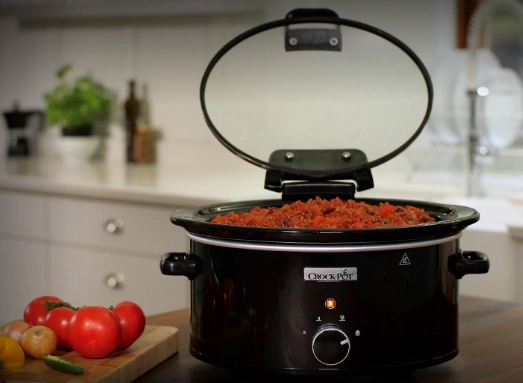
Mistake 3: Ignoring Ingredient Cooking Times
Throwing carrots, potatoes, and delicate fish fillets in together for 8 hours is a recipe for disaster. Dense root vegetables take forever to soften, while seafood or zucchini turns to paste in an hour.
- First, at the bottom and sides: Hard vegetables (carrots, potatoes, turnips), onions, and the meat you're braising.
- Last, on top: Tender vegetables (zucchini, peas, spinach), seafood, and fresh herbs. Add these in the last 30-60 minutes of cooking.
I layer mine like I'm building a flavor bomb. Meat and aromatics on the bottom to flavor the liquid as it drips down, potatoes above that, and anything green waits until the very end.
Mistake 4: Skipping the Sear (The Flavor Killer)
"Just dump and go!" the marketing says. Sure, you can. But will it taste amazing? Probably not.
That quick 5-7 minute sear on your roast or stew meat in a hot skillet isn't just for color. It creates the Maillard reaction—a complex chemical process that develops hundreds of deep, savory, umami flavor compounds. It's the difference between boiled beef and rich, caramelized beef. It's non-negotiable for me now. The fond (those browned bits) left in the pan? Deglaze it with a splash of wine or broth and pour that liquid gold into the slow cooker.
It adds one pan to wash. The payoff in flavor is immense.
Mistake 5: The Curious Peek
We've all done it. You smell it, you're curious, you lift the lid to give it a stir.
Stop.
A slow cooker works by building up a seal of heat and steam. Every time you lift that lid, you let out a massive amount of heat and moisture. It can take the appliance 20-30 minutes to recover and get back to temperature, effectively adding that much time to your cook. If you must check, do it quickly near the end of the cooking time, and try to limit it to once.
Mistake 6: The Curdled Cream Sauce
Dairy products like milk, cream, sour cream, or yogurt hate prolonged, direct heat. Add them at the beginning, and they'll almost certainly separate, becoming grainy and unpleasant.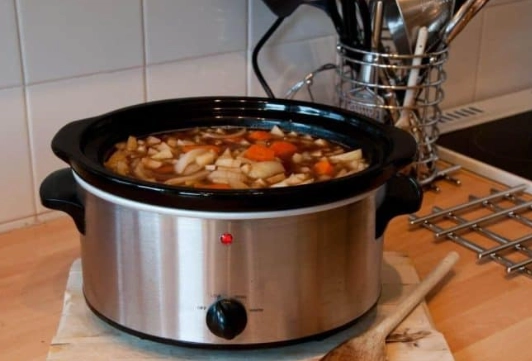
Mistake 7: Overlooking the Basics (Safety & Setup)
These seem simple but have big consequences.
Starting with Frozen Meat
This is a major food safety risk. A large frozen roast can sit in the bacterial "danger zone" (40°F to 140°F) for too long as the slow cooker slowly heats up. Always thaw meat in the refrigerator first.
Not Preheating (A Controversial One)
Most manuals say you don't need to. But for thicker cuts, I've found that adding cold meat to a cold pot extends the time it spends in that danger zone. My method? I plug in the empty cooker on "High" for 20-30 minutes while I prep and sear my ingredients. It gives everything a head start. This is a personal tweak, but it leads to more consistent results for me.
Using the Wrong Cut of Meat
Slow cookers are designed to break down tough, collagen-rich cuts. Think chuck roast, pork shoulder, chicken thighs, short ribs. Using a lean cut like pork tenderloin or chicken breast for 8 hours is a direct path to dryness. Save those for quick-cook methods.
Forgetting to Season Aggressively
Long, slow cooking can mute flavors. Don't be shy with salt, herbs, and spices at the beginning. You can always adjust at the end, but you can't build a flavor foundation later. I often add an extra pinch of salt or a splash of acid (vinegar, lemon juice) right before serving to wake everything up.
Your Slow Cooker Questions, Answered
Fixing these common slow cooker mistakes isn't about fancy techniques. It's about understanding how the appliance works—low, indirect, moist heat—and working with it, not against it. Pay attention to fill level, layer your ingredients with timing in mind, never skip the sear, and be patient with the lid. Do that, and your slow cooker will go from producing mediocre meals to becoming the most reliable tool in your kitchen.
The best part? Once you get it right, it's almost impossible to mess up. That's the real magic.
Reader Comments