Let's cut straight to the point. A great beef stew isn't about a secret ingredient or a complex technique. It's about understanding the role of each basic component and choosing them with purpose. Get this foundation right, and you'll have a pot of comfort that's deeply flavorful, tender, and soul-satisfying every single time. Forget the bland, watery stews of the past. We're building something robust here.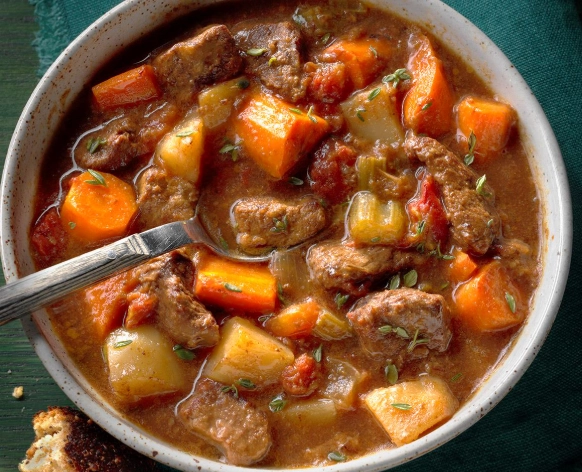
Your Quick Guide to a Classic Stew
The Beef: Choosing and Treating the Star
This is where most people go wrong, and it's the difference between melt-in-your-mouth bliss and a chewy, disappointing slog.
The Non-Negotiable Rule: Use Tough Cuts
You don't want a tender steak cut. You want a cut that's worked hard—shoulders, legs, and chests. These muscles are rich in collagen, a tough connective tissue that, when cooked low and slow, breaks down into gelatin. This gelatin is what gives the stew its luxurious mouthfeel and silky sauce, and it makes the meat incredibly tender.
Chuck roast is the undisputed king. It's marbled with fat, full of flavor, and readily available. Brisket (the flat cut) is another fantastic choice, though leaner. Round or rump roast can work, but they're leaner, so you need to be extra careful not to overcook them.
Here's a nuance most recipes won't tell you: size matters. Cut your beef into 1.5 to 2-inch chunks. Any smaller, and they'll overcook and dry out before the collagen has fully rendered. Any larger, and they become unwieldy to eat.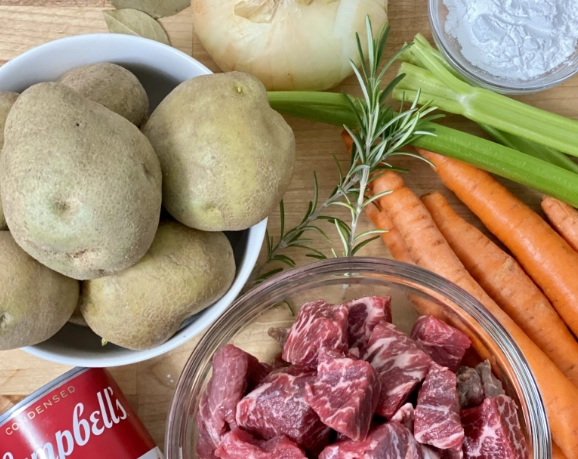
Now, the most critical step after choosing the cut: browning. Don't just grey the meat. You want a deep, dark, flavorful crust on as many sides as possible. This is the Maillard reaction—it creates hundreds of new flavor compounds. It's not just color; it's the foundation of your stew's taste.
The Crowded Pan Mistake: If you dump all your beef into the pot at once, the temperature plummets, and the meat steams in its own juice. You get grey, boiled-tasting beef. Work in batches. Give each piece space. It feels like a hassle, but it's the single biggest flavor upgrade you can make. Pat the beef dry with paper towels before seasoning—wet meat won't brown.
The Vegetables: Building Layers of Flavor and Texture
Vegetables in a stew aren't just filler. They're flavor engineers and texture providers, each added at a specific time for a specific reason.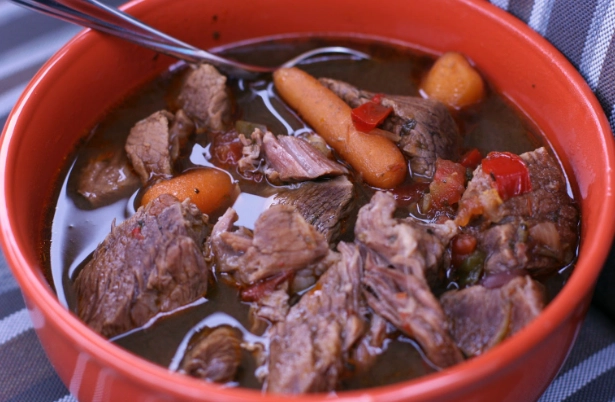
The Aromatic Base: Your Flavor Foundation
This happens after you've browned the beef and have those delicious browned bits (fond) stuck to the pot. You'll use a bit of the fat from the beef (or some oil) to sauté:
- Onions: Yellow or white, diced. Cook them until soft and translucent, maybe even a little golden. This sweetness is crucial.
- Carrots & Celery: The classic mirepoix. Dice these a bit smaller than your stew chunks. They add sweetness (carrot) and a subtle earthy depth (celery).
- Garlic: Add it last, for just 30-60 seconds until fragrant. Burnt garlic is bitter.
This step isn't just softening vegetables. You're building a flavor base that will infuse the entire cooking liquid.
The Hearty Vegetables: Added for Structure
These go in about 45-60 minutes before the stew is done. If you add them at the beginning, they'll turn to mush.
- Potatoes: Waxy potatoes like Yukon Golds or red potatoes hold their shape better than starchy Russets. Cut them slightly larger than your beef chunks.
- More Carrots: For actual bites, cut them into large chunks or coins and add them here so they retain some texture.
- Parsnips or Turnips: Excellent additions for a more complex, slightly peppery sweetness.
I made a mistake for years: I'd throw everything in at the start. The result was a homogenous, mushy texture where you couldn't distinguish the carrot from the potato. Staggering your additions is a game-changer.
The Liquid & Thickener: Creating the Rich Sauce
This is what turns boiled meat and vegetables into a cohesive stew.
The Liquid: Water is a last resort. You need flavor.
- Beef Broth/Stock: The standard. Use a good-quality, low-sodium version. You're reducing this liquid, so if it's salty to begin with, you'll end up with an overly salty stew. You can make your own, but a good store-bought one works fine.
- A Glug of Wine (or Not): Red wine (like a Cabernet or Merlot) is classic. The alcohol cooks off, leaving behind acidity and fruity depth that cuts through the richness. Don't use "cooking wine"—it's salted and poor quality. If you don't cook with alcohol, a splash of good balsamic vinegar or extra beef broth works.
- Tomato Product: A tablespoon or two of tomato paste, cooked for a minute with the aromatics, adds a savory umami depth and a touch of sweetness. Some recipes use diced tomatoes, which add more texture and acidity.
The Thickener: How do you get that gravy-like consistency?
- Flour Coating: The most common method. Tossing the dried beef chunks in flour before browning creates a roux-in-reverse as the flour cooks in the fat and thickens the liquid later. It's efficient.
- Slurry: Mixing flour or cornstarch with cold water and stirring it in during the last 15-20 minutes of cooking. This gives you more control over the final thickness.
- Natural Thickening: The rendered gelatin from the beef and the starches released from the potatoes will thicken the stew naturally, especially as it cools. This is the purist's method and results in a cleaner, more intense beef flavor.
I prefer a hybrid: I use a light flour coating on the beef for initial body, then let the natural gelatin do the rest. If it needs a final tweak, a small beurre manié (equal parts soft butter and flour kneaded together) whisked in at the end makes it silky and perfect.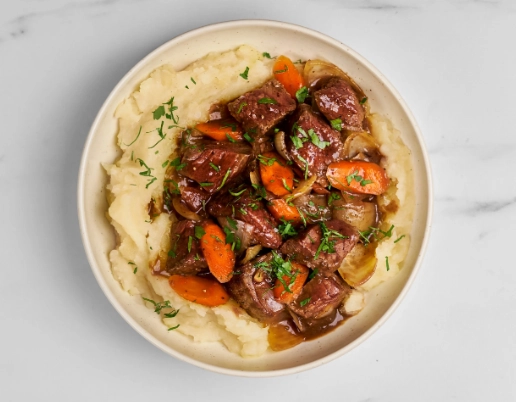
The Finishers: Herbs, Seasoning, and Common Pitfalls
You've built the structure. Now, add the personality.
Herbs: Dried herbs (thyme, rosemary, bay leaf) are great for long cooking—add them with the liquid. Tie them in a bouquet garni for easy removal. Fresh herbs like parsley or chives should be stirred in right at the end to preserve their brightness.
Seasoning: Salt in layers. Season the beef before browning. Season the vegetables lightly as they cook. But hold back on salting the liquid heavily at the start. As the stew reduces, the salt concentrates. The best practice is to season well at the end. Taste, adjust. A splash of Worcestershire sauce or a dash of soy sauce can add incredible umami depth without making it taste Asian.
Let's talk about the final, silent ingredient: time. A good stew needs at least 1.5 to 2 hours of gentle simmering after it comes to a boil. The beef should be tender enough to cut with a spoon. Rushing this with a rolling boil will only make the meat tough and the vegetables disintegrate.
And here's my last piece of hard-won advice: Let it rest. Stew, like a steak, benefits from resting. Turn off the heat, let it sit for 20-30 minutes before serving. The flavors marry, the meat reabsorbs some juices, and it becomes even more cohesive. It's also almost always better the next day.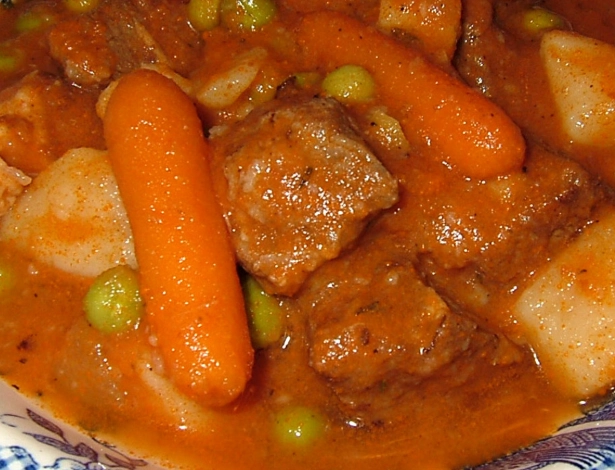
Reader Comments