The short answer is a resounding yes. The real answer is more interesting. I learned this the hard way a few winters ago when my oven died two days before a potluck. Desperate, I stared at my trusty slow cooker and wondered... could it? What followed was a sunken, slightly soggy banana bread that tasted incredible but looked pathetic. That failure sparked a curiosity. After dozens of experiments (some glorious, some doorstops), I can tell you crockpot baking isn't just a gimmick. It's a legitimate, if quirky, kitchen technique that produces some of the most moist, foolproof desserts you'll ever make. Forget everything you know about oven baking. This is a different beast.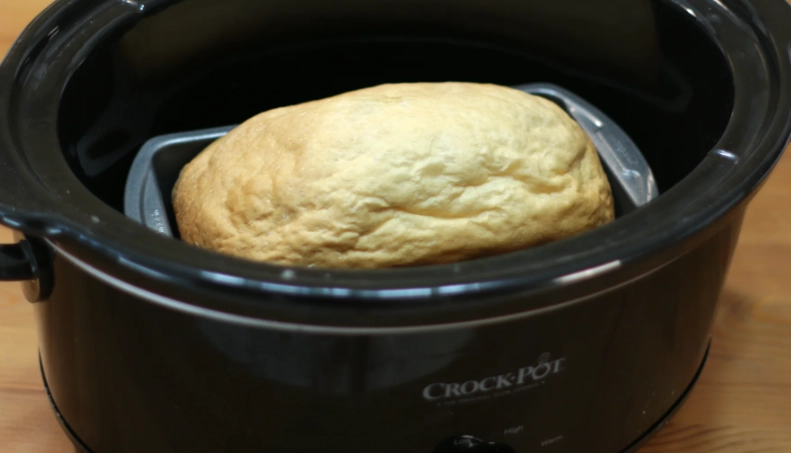
What’s Inside This Crockpot Baking Deep Dive?
How Does Crockpot Baking Actually Work?
An oven radiates dry heat from the top, bottom, or both. It's aggressive. It sets crusts and browns surfaces quickly. A slow cooker is the opposite. It surrounds food with gentle, low-intensity, moist heat. The heating element wraps around the sides of the ceramic insert, warming it evenly. The tight-fitting lid traps steam, creating a humid mini-environment.
Think of it like a tropical climate versus a desert climate for your cake.
This changes everything. Browning (the Maillard reaction) needs dry heat. So your crockpot cake won't have a golden-brown top. It will be pale. The texture is also transformed. The constant steam prevents moisture from escaping, leading to an incredibly tender, dense, and moist crumb. It's why crockpots are infamous for turning tough meat cuts tender—the same principle applies to gluten and starches in baking. They relax and soften over the long, gentle cook time.
The Good, The Bad, and The Moist: Pros and Cons
Let's be brutally honest. It's not a perfect replacement for an oven.
Where Crockpot Baking Shines
Unbeatable Moisture: This is the killer feature. Cakes come out fudgy, breads stay tender for days. Desserts prone to drying out (like brownies or gingerbread) become supremely gooey.
Hands-Off & Energy Efficient: Set it and (mostly) forget it. No peeking! It uses less energy than heating a full-sized oven, great for summer or small kitchens.
No Hot Kitchen: A major win in July. Your kitchen stays cool.
Foolproof for Certain Dishes: Cheesecake. Just trust me. The slow, even heat prevents the rapid rise and fall that causes cracks. It's virtually crack-free every time.
The Limitations You Can't Ignore
No Browning/Crust: You won't get a crispy top or golden edges. If that texture is crucial, you'll need a quick finish under a broiler or with a kitchen torch (for crème brûlée, for example).
Texture is Dense: Don't expect a light, airy sponge. The crumb is tighter, more like a pudding cake or a very moist banana bread.
Timing is Fluid: "Bake for 2-3 hours on high" is a guideline. Your model's age, size, and even how full it is affect timing. The last 30 minutes require checking.
The "Sog Zone": Condensation dripping from the lid can make the top sticky. This is the #1 problem and it has a simple fix we'll get to.
Your Crockpot Baking Toolkit (Beyond the Pot)
You don't need fancy gear, but a few items are non-negotiable.
1. A Smaller Insert or Baking Dish: Never pour batter directly into the big ceramic crock. It spreads too thin and burns. Use a smaller heatproof dish that fits inside your slow cooker. A 6-7 inch round cake pan, a small soufflé dish, or even a glass Pyrex bowl works. This creates height for proper cooking.
2. A Lifter or Rack: Placing your baking dish directly on the bottom can scorch it. Create air flow. Use the little metal trivet that came with your pot, fold up three balls of aluminum foil to act as a stand, or buy a silicone slow cooker liner with handles.
3. Kitchen Towels (Yes, Really): This is the pro secret. Fold 2-3 paper towels or a thin kitchen towel and lay it over the top of the crockpot before putting the lid on. It absorbs condensation, preventing it from raining down on your bake. Game changer.
4. A Reliable Thermometer: For breads and dense cakes, a toothpick test might lie because everything is so moist. An instant-read thermometer is your truth-teller. Quick breads are done at 200-205°F, cheesecakes at 150°F.
Top 3 Foolproof Crockpot Baking Recipes to Try First
Start with these. They're designed for the environment and almost impossible to mess up.
1. The "Mind-Blowing" Chocolate Lava Cake
This is the gateway drug. It exploits the moist heat to create a self-saucing pudding cake. You mix a simple batter, sprinkle sugar and cocoa over the top, then pour hot water over it all. As it cooks, magic happens: a tender cake forms on top, a rich, gooey sauce forms underneath. Serve it straight from the dish with ice cream. It looks humble but tastes like a $15 dessert.
Key Insight: Do not stir after adding the hot water. Just walk away. The separation is intentional.
2. The Un-killable Banana Bread
My original failure taught me the formula. Reduce the liquid in your favorite recipe by 2 tablespoons. Add an extra 1/4 teaspoon of baking soda. Grease your small baking dish well. Use the towel-on-top trick. Cook on HIGH for 1.5 to 2.5 hours. The result is a loaf so moist it borders on pudding-cake, with an intense banana flavor that doesn't bake out.
3. The Crack-Free Cheesecake
This is where the crockpot becomes a specialist tool. Mix your cheesecake filling, pour it into a small springform pan (wrapped in foil) or a dish lined with parchment. Place it on your foil-ball rack. Add 1/2 cup of water to the bottom of the crockpot (outside the dish!) to create a water bath effect. Cook on LOW for about 2 hours until just set at the edges but still jiggly in the center. Chill overnight. It will be creamy, smooth, and pristine.
The Unwritten Rules: Tips You Won't Find on the Box
After my many trials, here's what most blogs don't tell you.
Size Matters Dramatically. A recipe for a 6-quart cooker will burn in a 4-quart if you use the same dish. Less air space means hotter, faster cooking. If your slow cooker is smaller than 6 quarts, check for doneness a full 30-45 minutes earlier than a recipe suggests.
Lift the Lid, But Wisely. The old "never lift the lid" rule is for stews. For baking, you need to check. But every time you lift, you release precious heat and steam, adding 15-20 minutes to your cook time. So time your peeks. Do the first one no earlier than 30 minutes before the earliest suggested done time.
"High" vs. "Low" Isn't About Speed. On LOW, the heating element cycles on and off more. On HIGH, it stays on more consistently. For baking, I almost always use HIGH. It provides a more steady, predictable heat that mimics an oven's constancy better than the pulsing LOW setting.
My most controversial opinion? Skip the boxed mix. The preservatives and additives in cake mixes often behave weirdly in the ultra-moist environment. They can become gummy or develop an off-texture. A simple from-scratch batter with flour, sugar, eggs, baking powder, and fat adapts much more gracefully.
Your Crockpot Baking Questions, Answered
So, can you bake in your crockpot? Unequivocally, yes. It won't replace your oven for Sunday roasts or crispy cookies. But as a tool for creating decadently moist, effortless desserts that make your kitchen smell amazing for hours, it's in a league of its own. Embrace its quirks—the pale top, the dense crumb, the need for a towel on the lid—and you'll unlock a whole new world of low-and-slow sweet treats. Start with that chocolate lava cake. You'll be a believer before the ice cream melts.
Reader Comments