Quick Guide to Mastering This Recipe
- Why the Crock Pot is a Game-Changer for Thick Pork Chops
- Choosing Your Pork Chops: This Matters More Than You Think
- Building Your Flavor Foundation: The Dressing (Not Just Stuffing)
- The Step-by-Step Process: Layering for Success
- The Art of Setting Your Slow Cooker
- The Final Touch: Checking, Resting, and Saucing
- Answering Your Burning Questions (FAQs)
- My Personal Tweaks and Variations
Let’s be honest. The idea of thick pork chops can be intimidating. We’ve all been there—you sear them beautifully, only to end up with something that resembles shoe leather more than a tender, juicy dinner. It’s frustrating. But what if I told you there’s a method that almost completely eliminates that risk? A method where your main job is basically just gathering ingredients and turning a knob?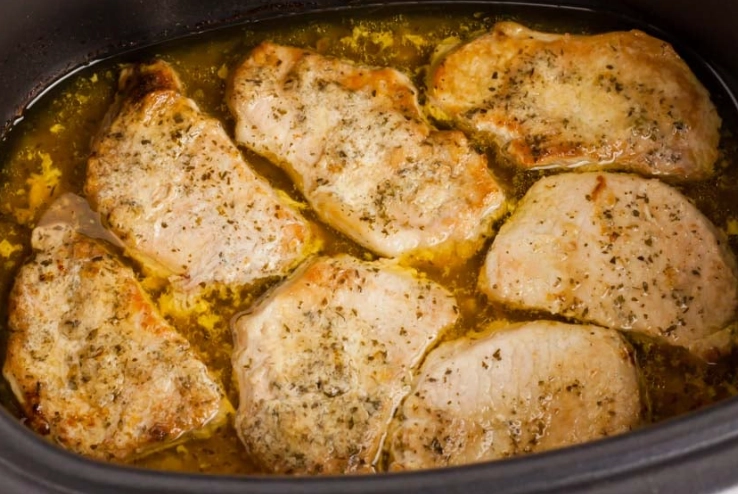
That’s the magic of making thick pork chops and dressing in a crock pot.
I stumbled onto this method a few winters ago, desperate for a hearty meal that wouldn’t tie me to the stove. I had some gorgeous, bone-in chops that were almost too pretty to risk ruining. Throwing them in the slow cooker with some stuffing felt like a gamble. But four hours later? I was a convert. The pork was fall-apart tender, and the dressing had soaked up all those incredible juices. It was the ultimate comfort food with minimal effort.
This isn’t just a recipe. It’s a reliable system for turning an affordable cut of meat into a spectacular, fuss-free centerpiece. Whether you’re feeding a busy family or just want to nail dinner without the anxiety, this guide will walk you through every single step.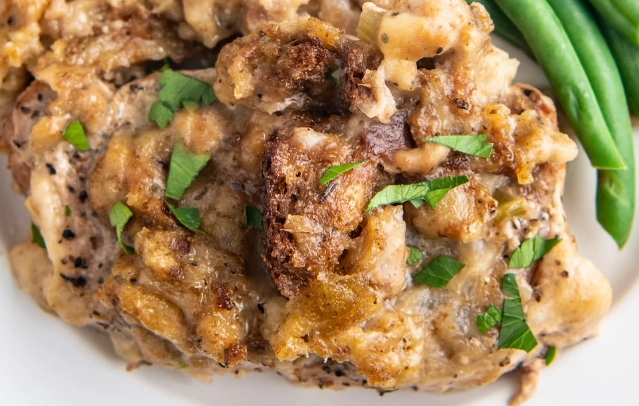
Why the Crock Pot is a Game-Changer for Thick Pork Chops
Most pork chop disasters happen because of high, dry heat. Pork loin, which chops are cut from, is lean. Cook it too fast and too hot, and the muscle fibers contract violently, squeezing all the moisture right out. The result is dry and tough.
The crock pot flips this script entirely.
It uses low, gentle, moist heat over a long period. This allows the connective tissue and fat within and around the chop to slowly melt and render, basting the meat from the inside out. The fibers relax instead of seizing up. You’re essentially braising the chop in its own juices and the steam from the dressing. The outcome is pork that is consistently tender and succulent, not just on the outside, but all the way through—even with those intimidatingly thick cuts.
And the dressing? It’s not just a side dish here; it’s a key player. It acts as a flavorful bed, absorbing the rich drippings from the pork as it cooks. Every bite of that stuffing is infused with porky goodness. It’s a symbiotic relationship where both elements make the other infinitely better.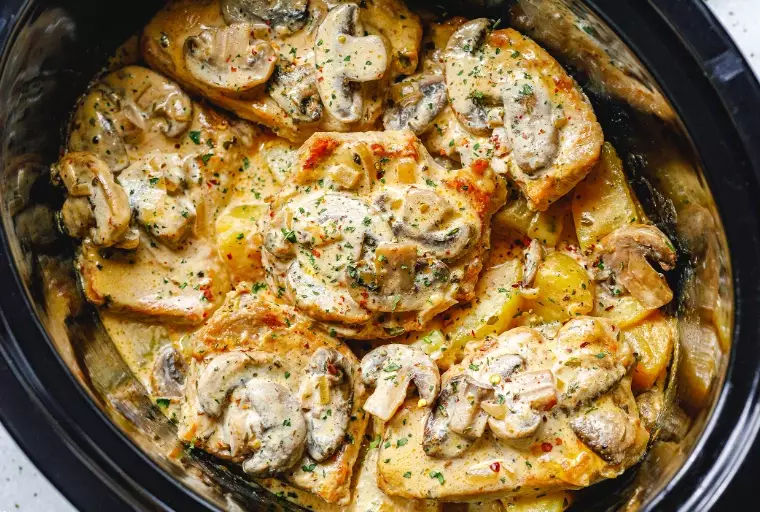
Choosing Your Pork Chops: This Matters More Than You Think
You can’t just grab any package from the cooler. For this method to shine, you need the right foundation. A thin, boneless, lean chop will overcook in a heartbeat, even in a slow cooker. We need chops with structure and flavor.
The Thickness: Go Big or Go Home
This is non-negotiable. Look for chops that are at least 1 inch thick, and 1.5 inches is even better. That mass is what allows them to withstand the long cooking time without drying out. Thin chops will be done in an hour and turn to mush by hour four.
Bone-In vs. Boneless
I’m firmly in the bone-in camp for slow cooking. The bone acts as an insulator, slowing down the heat transfer to the meat surrounding it, which helps keep it juicier. It also adds incredible flavor to the cooking liquid (which becomes your gravy!). Boneless can work, but you’ll need to be extra vigilant about not overcooking them.
Understanding the Cut: Rib Chop vs. Loin Chop
This is where a little knowledge pays off big time.
| Cut of Chop | Key Characteristics | Best For Slow Cooking? | Flavor & Texture Notes |
|---|---|---|---|
| Rib Chop (aka Center-Cut) | Has a single rib bone; a good amount of marbling (intramuscular fat) along the outer edge. | Excellent. The fat cap renders beautifully. | Rich, juicy, and forgiving. My top recommendation. |
| Loin Chop | Contains a T-shaped bone (part of the loin and part of the tenderloin). Leaner than a rib chop. | Good, but handle with care. Can dry out if overcooked. | Two textures in one—tenderloin side is very tender, loin side is firmer. |
| Boneless Loin Chop | No bone, trimmed of most fat. Very lean. | Risky. Requires precise timing. | Can be bland and dry if not managed perfectly. Not my first choice. |
| Shoulder Chop (aka Blade Chop) | Inexpensive, has more connective tissue and fat. | Fantastic. Actually shines with long, slow cooking. | Extremely flavorful and becomes pull-apart tender. A great budget option. |
See the difference? For your first attempt at thick pork chops and dressing in a crock pot, I’d bet on a bone-in, 1.5-inch thick rib chop. It’s the most forgiving and will give you that “wow” factor.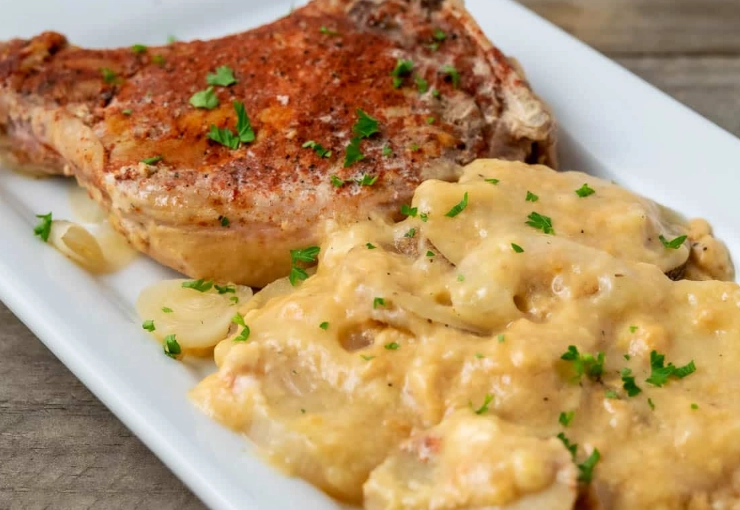
One more pro-tip: Let the chops sit out on the counter for 20-30 minutes before cooking. Taking the chill off helps them cook more evenly from the get-go.
Building Your Flavor Foundation: The Dressing (Not Just Stuffing)
“Dressing” and “stuffing” are often used interchangeably, but since we’re not stuffing it inside a bird, “dressing” feels more accurate. This is your flavor sponge. You can go super simple with a store-bought mix (no shame!), or build something from scratch. Here’s a breakdown.
The Simple Route: Doctor Up a Box Mix
This is a fantastic shortcut. Grab a 6-8 oz box of your favorite herb-seasoned stuffing mix (like Pepperidge Farm or Stove Top).
- Liquid Swap: Instead of just water, use a combination of chicken or vegetable broth and a splash of apple cider for sweetness. The amount is usually on the box.
- Add-Ins: Sauté half a diced onion and two stalks of diced celery in a little butter until soft. Mix this into the dry stuffing crumbs before adding the liquid. Maybe throw in a handful of dried cranberries or chopped apples.
This two-minute upgrade makes it taste completely homemade.
The From-Scratch Champion
If you have a little more time, this base recipe is worth it. It’s my go-to.
- 6 cups dried bread cubes (day-old French or sourdough works great)
- 1/2 cup (1 stick) unsalted butter
- 1 large onion, diced
- 3 ribs celery, diced
- 2 cloves garlic, minced
- 1 1/2 tsp dried sage (or 1 tbsp fresh, chopped)
- 1 tsp dried thyme
- 1 tsp poultry seasoning (optional)
- 1 1/4 to 1 1/2 cups chicken broth
- Salt and black pepper to taste
Melt the butter, sauté the onion and celery until soft, add the garlic and herbs for the last minute. Toss this mixture with the bread cubes in a big bowl. Gradually add broth until the mixture is moistened but not soggy. Season well.
The Step-by-Step Process: Layering for Success
Okay, you’ve got your glorious thick pork chops and your prepared dressing. Now, let’s assemble. The order of operations is simple but important.
- Prep the Pot: Give the inside of your crock a quick spray with cooking oil. This isn’t strictly necessary with all the fat, but it makes cleanup easier.
- Layer the Dressing: Spread about two-thirds of your prepared dressing evenly in the bottom of the crock. This creates a bed that will lift the chops slightly and allow heat to circulate.
- Season the Pork: Pat your thick pork chops completely dry with paper towels. This helps with browning if you sear, and helps the seasoning stick. Generously season both sides with salt, black pepper, and maybe a little garlic powder or smoked paprika. Don’t be shy.
- To Sear or Not to Sear? This is the eternal question. Searing in a hot skillet for 2-3 minutes per side creates a beautiful brown crust (the Maillard reaction) that adds deep, complex flavor. It’s an extra pan to wash, but I usually think it’s worth it for thick pork chops and dressing in a crock pot. If you’re in a huge rush, you can skip it—the dish will still be tasty and tender.
- Place the Chops: Nestle the seasoned (and optionally seared) pork chops on top of the dressing layer in the crock pot. Try not to overcrowd them; they can touch but shouldn’t be stacked.
- Top it Off: Spoon the remaining third of the dressing mixture over and around the chops. Don’t pack it down tightly.
- Add Liquid: This is critical. Pour about 1/2 cup of liquid around the edges, not directly over the chops. Use broth, apple juice, or even a dry white wine. This creates the steam environment for braising and keeps everything moist.
That’s it. Lid on. You’re done with the hard part.
The Art of Setting Your Slow Cooker
Now for the most common point of confusion: High or Low? And for how long?
It depends entirely on the thickness of your chop and your schedule.
- Low and Slow (Recommended): For 1 to 1.5-inch thick chops, cook on LOW for 4 to 5 hours. This is the ideal setting. It gives the fat and connective tissue ample time to break down gently, resulting in the most tender meat.
- High Heat: If you’re short on time, you can cook on HIGH for 2.5 to 3.5 hours. The risk here is that the outer meat can get a bit stringy before the very center is done. I only use high if I’m in a real pinch.
The dressing is your doneness indicator, too. It should be hot throughout, moist (but not wet), and have a slightly crispy top layer where it’s exposed to the steam.
What About Food Safety?
Pork is safe to eat at 145°F (62.8°C) as measured by a meat thermometer in the thickest part, followed by a 3-minute rest, according to the USDA. However, for slow-cooked, fall-apart tender chops, we’re often going well past that to around 190-200°F, which is where the connective tissue fully breaks down. Don’t fear the higher temp in this moist environment—it’s what makes them tender.
The Final Touch: Checking, Resting, and Saucing
When the time is up, don’t just dive in. A few final steps make a world of difference.
- Check for Doneness: Insert an instant-read thermometer into the thickest part of a chop, avoiding the bone. It should read at least 145°F. For ultimate tenderness, it will likely be 180°F+. The meat should offer little to no resistance when pierced with a fork.
- Let it Rest: Carefully transfer the chops to a plate or cutting board. Tent them loosely with foil. Let them rest for 10-15 minutes. This allows the juices, which have been forced to the center by the heat, to redistribute back throughout the meat. If you cut immediately, all those precious juices will run out onto the plate.
- Make a Quick Gravy (Optional but Amazing): While the chops rest, you have liquid gold in the bottom of your crock. Skim off any excess fat from the top if you want. Then, pour the remaining juices and dressing bits into a small saucepan. Bring to a simmer. Mix a tablespoon of cornstarch with two tablespoons of cold water to make a slurry. Whisk this into the simmering juices and cook for 2-3 minutes until thickened into a gorgeous gravy. Taste and season.
Serve each thick pork chop on a bed of that flavorful dressing, with gravy drizzled over everything. It’s pure comfort on a plate.
Answering Your Burning Questions (FAQs)
Can I use frozen pork chops?
I don’t recommend it. Frozen chops will release a ton of water as they thaw in the pot, making your dressing soggy and throwing off cooking times. It’s a safety gray area too, as the meat might linger in the “danger zone” (40°F - 140°F) for too long. Always thaw completely in the fridge first.
My dressing turned out mushy. What happened?
Two likely culprits: 1) You added too much liquid initially, or 2) You packed the dressing down too tightly, preventing steam from circulating. Remember, the dressing should start on the drier side and be loosely packed.
Can I add vegetables like carrots or potatoes?
Absolutely! Dense root vegetables work well. Cut carrots, potatoes, or parsnips into 1-inch chunks and place them in the bottom layer, under the dressing and chops. They’ll cook in the juices. Avoid watery veggies like zucchini—they’ll turn to complete mush.
How do I store and reheat leftovers?
Store the pork and dressing separately in airtight containers in the fridge for up to 4 days. To reheat, I strongly recommend using the oven (300°F, covered with foil, until warm) or a toaster oven. The microwave will work in a pinch but will make the dressing gummy and the pork rubbery.
Can I use a different cut of meat?
Sure! This method is brilliant for pork shoulder (butt) steaks—they’re cheaper and become incredibly tender. Chicken thighs (bone-in, skin removed) also work wonderfully. Adjust cooking time down slightly for chicken (3-4 hours on low).
My Personal Tweaks and Variations
Once you’ve mastered the basic technique, have fun with it! Here are some ways I’ve switched it up:
- Apple & Sage: Add a layer of thinly sliced apples (like Granny Smith) under the chops, and use plenty of fresh sage in the dressing. The sweet-tartness cuts the richness perfectly.
- “Everything Bagel” Pork Chops: Season the chops with everything bagel seasoning before putting them in the pot. Sounds weird, but the onion, garlic, sesame, and poppy seed flavors are incredible.
- Creamy Mushroom Version: Sauté a pound of sliced mushrooms with the onions and celery. In the last minute of cooking, stir a can of condensed cream of mushroom soup (undiluted) into the dressing mixture for an extra-rich result.
Honestly, the worst batch of thick pork chops and dressing in a crock pot I ever made was still pretty darn good. That’s the beauty of it. It’s resilient.
Give it a shot this weekend. I promise, once you experience the ease and the results, you’ll understand why it’s become a staple in so many kitchens. Just don’t be surprised if your family asks for it every week.
Reader Comments