Let's be honest—after a long day, the last thing you want is a mountain of dishes. That's where one pot vegetarian pasta in a slow cooker comes in. It's not just a trend; it's a lifesaver for busy folks who crave healthy, homemade meals without the fuss. I've been cooking vegetarian slow cooker pasta for years, and I've seen all the pitfalls, from mushy noodles to bland sauces. In this guide, I'll walk you through everything, from picking the right ingredients to nailing the texture, so you can enjoy a delicious dinner with almost zero cleanup.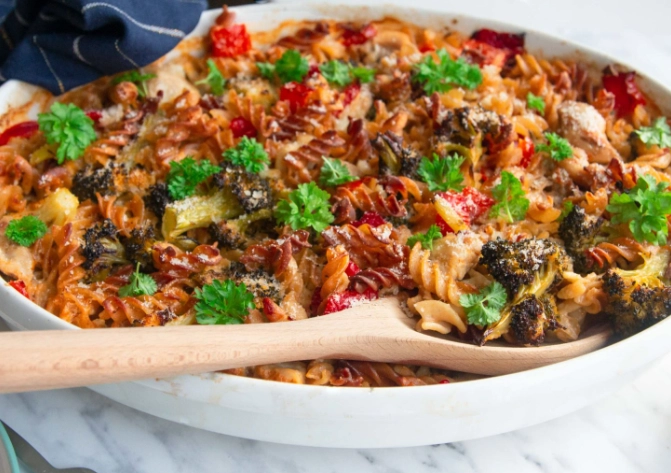
Jump to What Matters
Why Choose One Pot Pasta in a Slow Cooker?
If you're skeptical about pasta in a slow cooker, I get it. I was too, until I tried it on a hectic Tuesday. The beauty lies in simplicity—toss everything in, set it, and forget it. But it's more than convenience. Slow cooking allows flavors to meld deeply, turning basic veggies and sauce into something rich and comforting. According to resources like the USDA's dietary guidelines, incorporating more plant-based meals can boost health, and this method makes it accessible. Plus, with one pot, you're saving water and time on washing up. It's a win-win for weeknights or meal prep.
I remember my first attempt: I threw in dry pasta with too much liquid, and it turned into a gloppy mess. Lesson learned—balance is key. Now, I'll share how to get it right.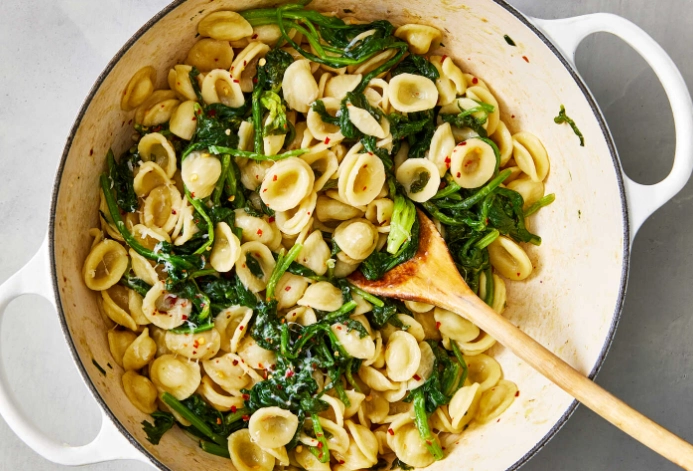
Essential Ingredients for Flavorful Vegetarian Pasta
You don't need fancy stuff. Focus on fresh, seasonal vegetables and pantry staples. Here's a breakdown of what works best, based on my trials.
| Ingredient | Why It's Important | Recommended Amount (for 4 servings) |
|---|---|---|
| Pasta (e.g., penne, fusilli) | Holds up well in slow cooking; avoid delicate types like angel hair. | 12 oz (340g) |
| Vegetable broth | Adds depth without overpowering; low-sodium options let you control salt. | 4 cups (950ml) |
| Canned diced tomatoes | Provides acidity and moisture; fire-roasted varieties add smokiness. | 1 can (14.5 oz / 410g) |
| Bell peppers, zucchini, mushrooms | Add texture and nutrients; chop evenly for consistent cooking. | 2 cups total, chopped |
| Onion and garlic | Foundation for flavor; sautéing beforehand boosts taste, but you can skip it. | 1 medium onion, 3 cloves garlic |
| Italian seasoning | Convenient blend; or use dried oregano, basil, and thyme. | 2 teaspoons |
| Olive oil | Helps distribute flavors; extra virgin adds a fruity note. | 2 tablespoons |
Don't just dump everything in. The order matters—I'll explain in the steps.
Pro tip: If you're short on time, skip sautéing the onions. But if you have 5 minutes, do it. That caramelization makes a huge difference in depth, something many recipes gloss over. I learned this from a chef friend who swears by building layers of flavor, even in slow cooker meals.
Step-by-Step Cooking Instructions
Follow this closely to avoid common pitfalls. I've timed this for a 4-quart slow cooker, but adjust as needed.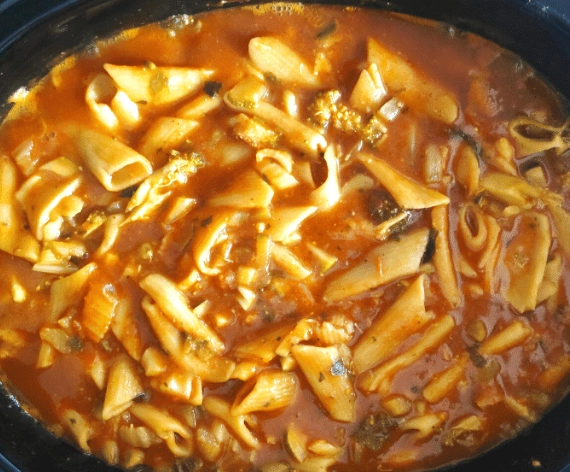
Preparing the Ingredients
Chop all vegetables into similar-sized pieces—about 1-inch chunks. This ensures even cooking. If you're using mushrooms, leave them whole or halved to retain moisture. Measure out the pasta dry; no need to pre-cook it. That's the magic of one pot pasta: the starch from the pasta thickens the sauce naturally.
I often do this prep the night before. Store chopped veggies in the fridge, and in the morning, just assemble. It cuts down morning rush.
Setting Up the Slow Cooker
Start by greasing the slow cooker insert with a bit of olive oil. This prevents sticking, especially with tomato-based sauces. Layer the ingredients: first, spread the onions and garlic at the bottom. Then add the harder vegetables like carrots or bell peppers, followed by softer ones like zucchini. Pour in the diced tomatoes and vegetable broth. Sprinkle the seasoning evenly. Finally, place the dry pasta on top—don't stir it in yet. This keeps it from absorbing too much liquid too quickly.
Cover and cook on low for 4-5 hours or high for 2-3 hours. Resist the urge to peek frequently; each lift releases heat and can extend cooking time.
Finishing Touches and Serving
About 30 minutes before serving, give everything a gentle stir. The pasta should be al dente—tender but with a bite. If it's too dry, add a splash of broth or water. Too watery? Leave the lid off for the last 20 minutes to let excess moisture evaporate.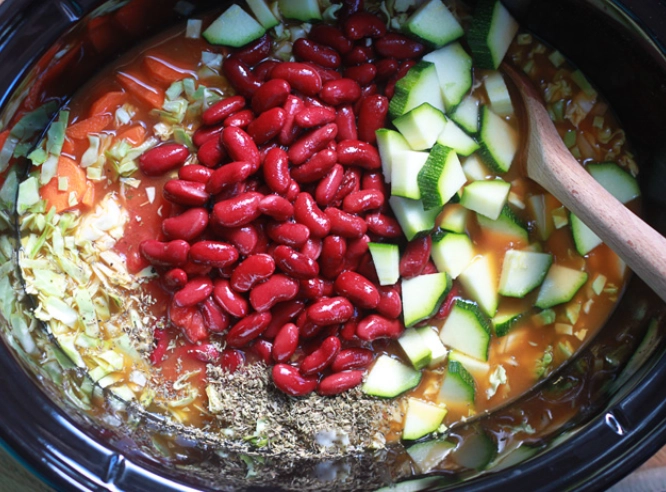
Serve hot, topped with fresh herbs like basil or parsley, and a drizzle of olive oil. Some grated Parmesan or nutritional yeast adds a cheesy touch without dairy.
I made this for a potluck once, and no one believed it came from a slow cooker. The flavors had deepened so much, it tasted like it simmered for hours on the stove.
Common Mistakes to Avoid (From My Experience)
Here's where most people go wrong, and it's rarely mentioned in generic recipes.
- Overloading the slow cooker: Fill it only 2/3 full. Too much stuff leads to uneven cooking. I learned this the hard way when my pasta on top stayed crunchy while the bottom burned.
- Using the wrong pasta shape: Stick to short, sturdy shapes like penne or rotini. Long pasta like spaghetti tends to clump. One time, I used fettuccine, and it turned into a sticky mess—never again.
- Ignoring liquid ratios: The general rule is 1:1 liquid to pasta by volume, but for slow cookers, add a bit extra—about 4 cups broth for 12 oz pasta. If your sauce includes watery veggies like tomatoes, reduce broth slightly. Refer to cooking science sources like America's Test Kitchen for precise ratios.
- Adding dairy too early: If you want creaminess, stir in milk or cream in the last 30 minutes. Adding it at the start can curdle. I ruined a batch with coconut milk by putting it in too soon; it separated and tasted off.
These tweaks might seem small, but they transform your dish from mediocre to restaurant-quality.
Customizing Your Pasta: Variations and Ideas
Don't stick to one recipe. Experiment based on what's in your fridge. Here are some favorites I've developed.
Mediterranean twist: Add olives, artichoke hearts, and a pinch of red pepper flakes. Use whole wheat pasta for extra fiber.
Creamy mushroom pasta: Swap tomatoes for a mix of cremini and shiitake mushrooms. Add a splash of white wine (optional) and stir in Greek yogurt at the end.
Southwest style: Include black beans, corn, and cumin. Top with avocado and cilantro.
For meal prep, cook a large batch and store in airtight containers. It keeps well in the fridge for 3-4 days or freezer for up to 2 months. Reheat gently on the stove with a bit of water to refresh the sauce.
Frequently Asked Questions
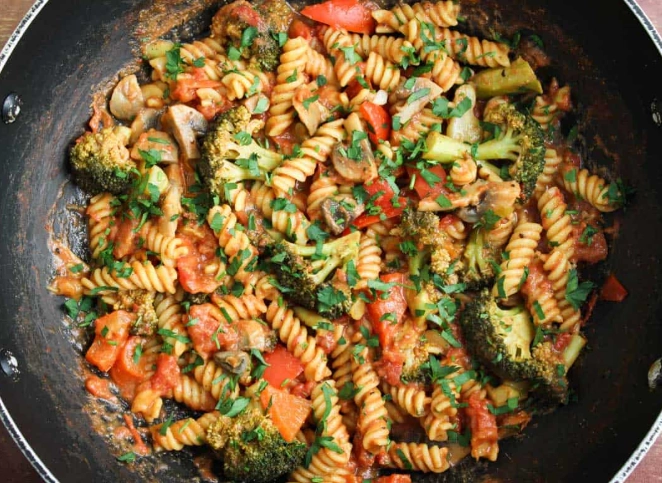
That's it—your comprehensive guide to one pot vegetarian pasta in a slow cooker. Give it a try this week. You might find it becomes a staple, just like it did for me. Happy cooking!
Reader Comments