Quick Navigation
You've seen it everywhere. Fitness influencers, bodybuilders, and even your friend who's "getting back on track" swear by it. A plate of grilled chicken breast, a scoop of plain brown or white rice, and a generous serving of steamed broccoli. It's clean, it's simple, and it feels virtuous. But let's cut through the noise and ask the real question: is it healthy to just eat chicken, rice, and broccoli, day in and day out?
I remember when I first tried it. I was prepping for a vacation and wanted to "lean out." For two weeks, my life was a cycle of tupperware containers. Lunch? Chicken, rice, broccoli. Dinner? You guessed it. By day ten, the mere sight of another pale broccoli floret made me want to order a pizza just to feel something. I lost a few pounds, sure, but I also lost my enthusiasm for food. It got me thinking beyond the scale.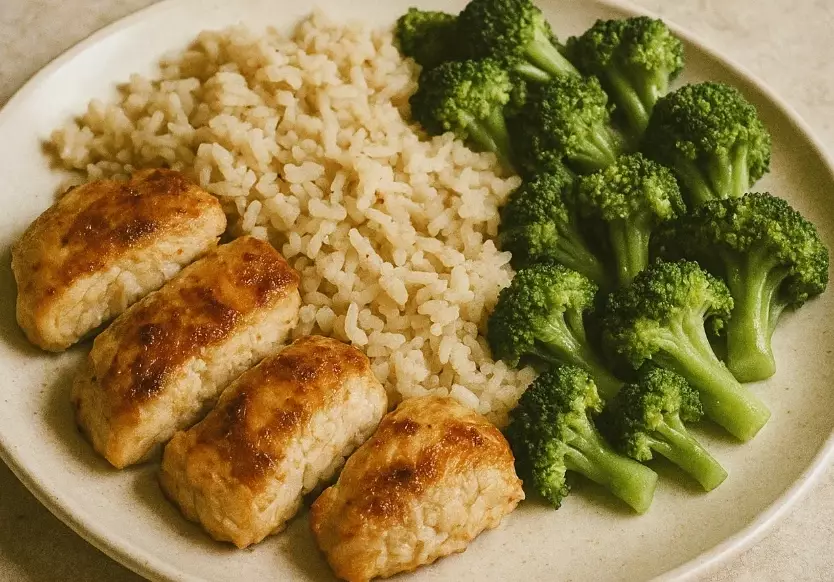
So, let's break this down not from a place of dogma, but from practicality and science. The short, honest answer? It's a fantastic template, but a terrible permanent solution. As a short-term reset or a reliable meal prep base, it has merits. As a long-term diet, it's a one-way ticket to nutritional gaps and serious food boredom.
The Core Question We're Answering: Is it healthy to just eat chicken, rice, and broccoli? We'll look at what this trio gets right, where it falls dangerously short, and most importantly, how you can use it as a springboard for a diet that's both effective and actually enjoyable to live with.
Why The Holy Trinity of Meal Prep Took Over
Let's be fair. This combination didn't become iconic by accident. It hits several key notes that people looking to improve their diet are after.
First, it's incredibly easy to track. If you're counting macros (protein, carbs, fats), these are simple, whole foods with little guesswork. A 4-oz chicken breast, a cup of cooked rice, and two cups of broccoli gives you a predictable nutritional package. For someone overwhelmed by complex diets, this simplicity is a relief.
Second, it feels safe. No mysterious sauces, no hidden sugars, no processed ingredients. It's the culinary equivalent of a blank canvas. It also caters to many common dietary preferences—it's naturally gluten-free, and can be made dairy-free, paleo-adjacent (with cauliflower rice), and is high in protein which is a universal fitness goal.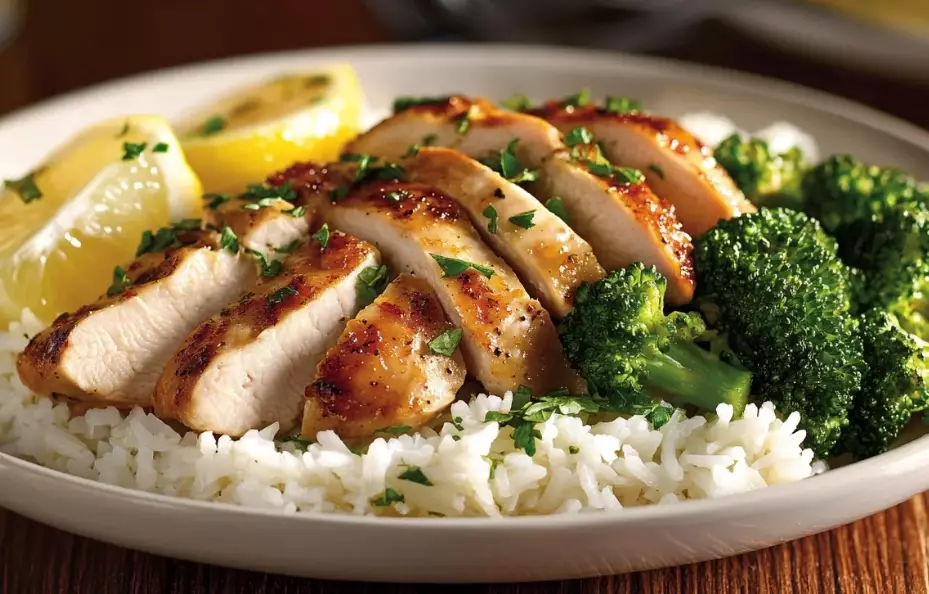
But here's the thing our social media feeds often miss: simplicity can cross over into deficiency. Just because something is easy and "clean" doesn't mean it's complete. Our bodies need a symphony of nutrients, not just a three-note tune played on repeat.
The Nutritional Breakdown: What You're Actually Getting
To understand if it's healthy to just eat chicken, rice, and broccoli, we need to look under the hood. Let's take a standard serving.
| Food | Key Nutrients Provided | The Notable Gaps in This Combo |
|---|---|---|
| Chicken Breast (4oz cooked) | High-quality complete protein (~35g), Niacin (B3), Vitamin B6, Selenium, Phosphorus. | Very low fat (especially healthy fats like Omega-3s), Zero fiber, No Vitamin C or A, Minimal iron (heme iron is present but not high). |
| Brown Rice (1 cup cooked) | Complex carbohydrates for energy, Manganese, Magnesium, Selenium (small amount), Some B vitamins, Fiber (~3.5g). | Protein is incomplete (lacks some essential amino acids on its own), Phytic acid can inhibit mineral absorption, Not a significant source of vitamins. |
| Broccoli (2 cups raw, steamed) | Fiber, Vitamin C (over 100% RDI), Vitamin K, Folate, Potassium, Sulforaphane (a beneficial antioxidant). | Very low in calories and fat, Provides minimal protein or complex carbs for energy, Lacks many trace minerals in significant amounts. |
Honestly, it's a solid foundation. You've got protein for muscle, carbs for energy, and a veggie packed with vitamins and fiber. For a single meal, it's hard to fault. The problem starts when this is 90% of what you eat, every day.
You begin to operate on a nutritional deficit. Think of it like only ever using three colors to paint—you might make a nice minimalist piece, but you'll never get a vibrant, detailed landscape.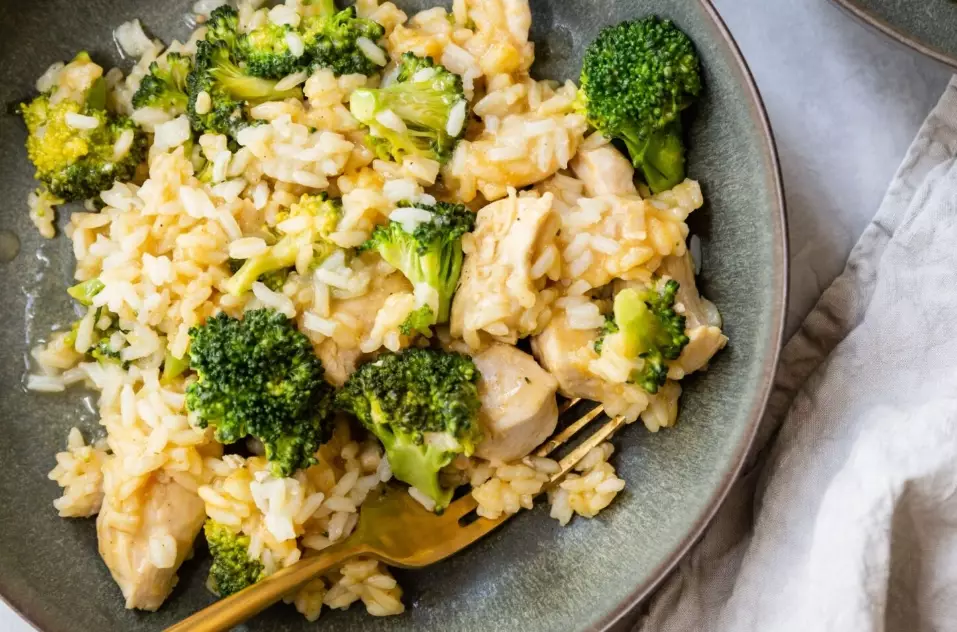
The Short-Term Perks (Why It Feels So Good at First)
When people start this diet, they often report positive changes. These aren't illusions.
Weight Loss Happens. Primarily because you're likely in a calorie deficit. This meal combo is satiating but not overly calorie-dense, especially if you're not drenching it in sauce. It also cuts out hyper-palatable, processed foods that are easy to overeat. So, is it healthy to just eat chicken, rice, and broccoli for quick weight loss? Mechanically, for a few weeks, it can work. But it's the deficit doing the work, not some magic in the broccoli.
Digestion Can Improve. Ditching processed junk and eating consistent fiber from broccoli and brown rice can regulate your digestive system. You're giving your gut a break from emulsifiers, excess sugar, and artificial ingredients.
Mental Clarity from Simplification. The decision fatigue around food vanishes. You don't think about what's for lunch. It's already in the fridge. This mental space can feel freeing initially.
My Personal Experience: The first week felt amazing. I had energy, my stomach was flat, and I felt in control. But by week two, my workouts started to suffer. I felt flat, not fueled. And the idea of eating the same thing made me procrastinate meals, which is never a good sign.
The real cracks, though, start to show when you look beyond a month. That's when we move from asking if it's effective to if it's truly healthy to just eat chicken, rice, and broccoli.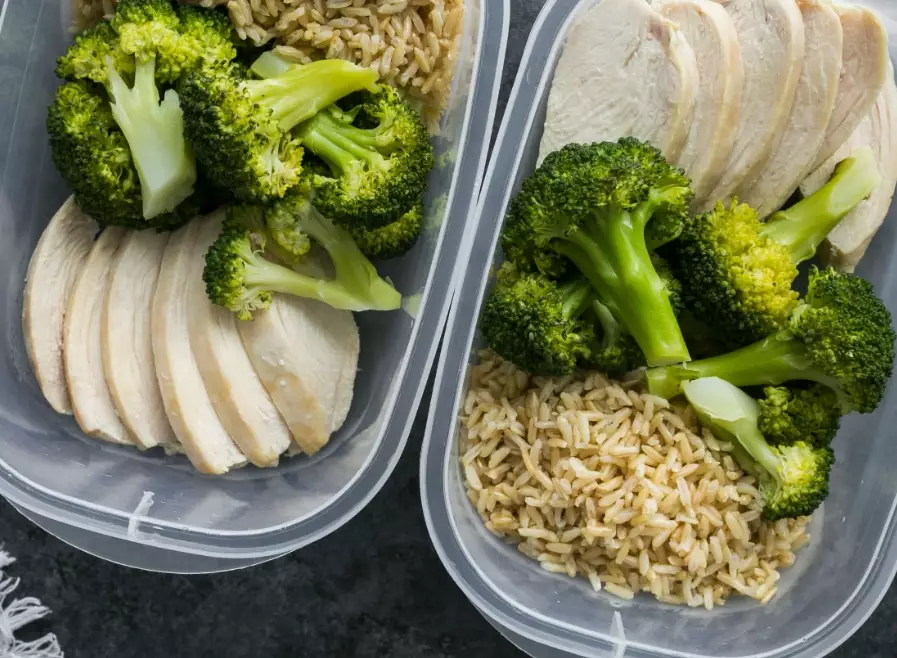
The Long-Term Risks: Where This Diet Falls Apart
This is the crucial part most quick-fix articles skip. Sustaining this as your primary diet is where you run into tangible problems.
The Nutrient Deficiencies Waiting to Happen
Your body needs about 30 different vitamins and minerals to function optimally. Our three-ingredient wonder misses a alarming number of them. Let's talk about the big ones:
- Healthy Fats: This diet is extremely low in fat, particularly essential fatty acids like Omega-3s (found in fatty fish, walnuts, flaxseeds). Fats are crucial for hormone production (including testosterone and estrogen), brain health, and absorbing fat-soluble vitamins (A, D, E, K). A chronic lack can lead to hormonal imbalances, dry skin, and poor cognitive function.
- Vitamin D & Calcium: Neither of our three foods are good sources. Vitamin D is mostly from sun and fortified foods/fish; calcium from dairy, leafy greens (other than broccoli), and fortified foods. Long-term deficiency risks bone health.
- Iron (especially for women): While chicken has some heme iron, it's not a rich source. Plant-based iron from lentils, spinach, and red meat is largely absent. This can lead to iron-deficiency anemia, causing fatigue and weakness.
- Antioxidant & Phytonutrient Diversity: Broccoli is great, but different colored fruits and vegetables contain different protective compounds. The deep purple in blueberries, the red in tomatoes (lycopene), the orange in carrots (beta-carotene) are all missing. This lack of diversity may impact long-term inflammation and disease risk.
The UK's NHS Eatwell Guide and the Harvard Healthy Eating Plate both emphasize variety for exactly this reason—to cover your nutritional bases.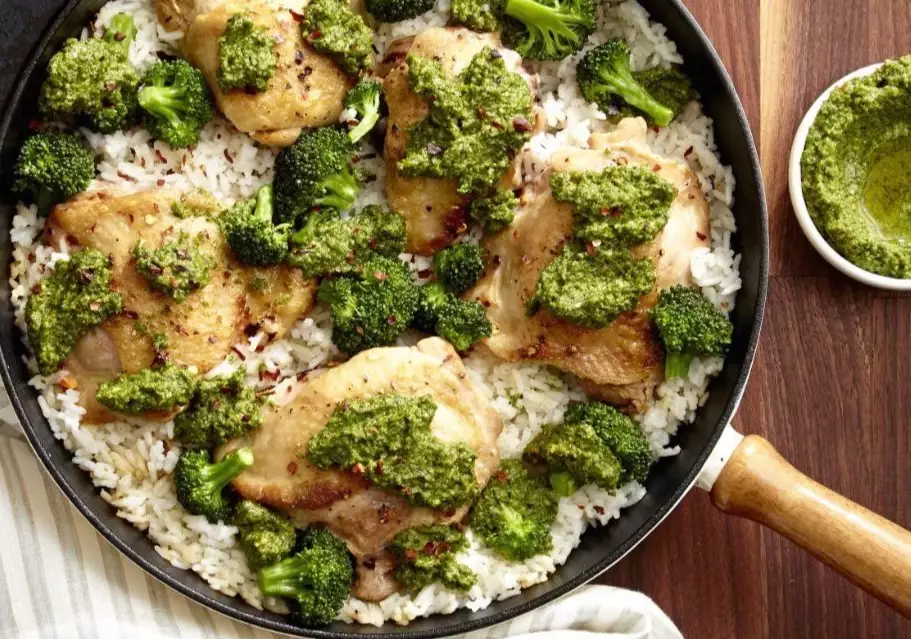
Metabolic and Psychological Downsides
Beyond missing vitamins, there are other subtle costs.
Metabolic Adaptation: Eating in a severe calorie deficit for too long can slow your metabolism as your body tries to conserve energy. This is a common plateau point for people on super-restrictive diets.
Food Relationship Damage: This is huge, and rarely discussed. When you label only three foods as "good" or "safe," you implicitly label everything else as "bad" or "off-limits." This can foster an unhealthy, anxious relationship with food. Social events become stressful. A bite of something outside the plan can feel like a failure.
Muscle Loss Risk: If your calorie deficit from this sparse diet becomes too large, your body may start breaking down muscle for energy, not just fat. This defeats the purpose for most people trying to get lean and toned.
The Burnout is Real: I've seen friends do this for months. They become irritable, obsessed with food they can't have, and eventually, they rebound hard—often gaining back more weight than they lost. The cycle is demoralizing. So, is it healthy to just eat chicken, rice, and broccoli if it leads to a binge-restrict cycle? Absolutely not. Sustainability is a key pillar of health.
How to Fix It: Building on the Template, Not Being Its Slave
Okay, so you love the simplicity. You've got the meal prep containers. Don't throw it all out. Let's upgrade the blueprint instead.
The goal is to keep the structure—a protein, a carb, a veggie—but wildly expand the ingredients within each category. Think of chicken, rice, and broccoli as your home base, not your entire world.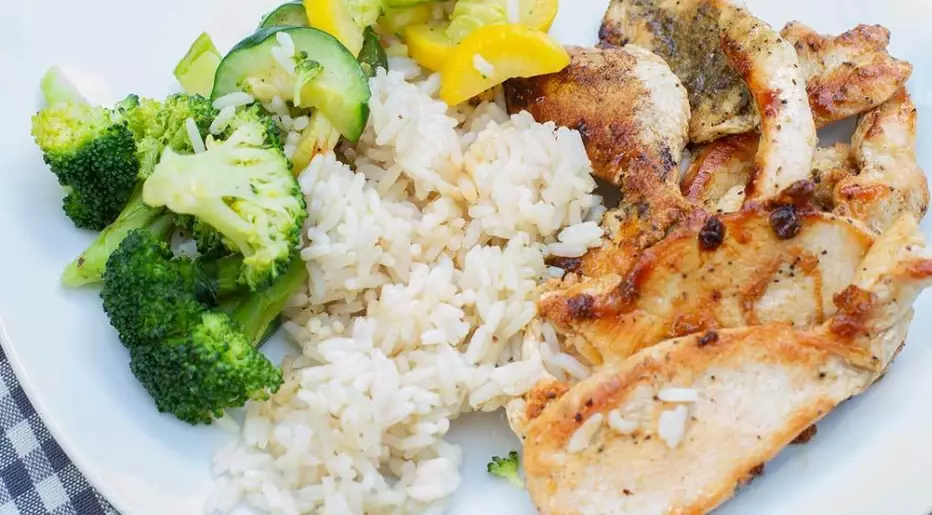
The Protein Swap-Outs
Chicken is fine, but it's not the only protein. Rotate to cover different nutrient profiles:
- For Omega-3s: Salmon, mackerel, sardines.
- For Iron & Zinc: Lean beef, lamb, or bison (once or twice a week).
- For Variety & Budget: Eggs, turkey, pork tenderloin.
- Plant-Based: Tofu, tempeh, lentils, chickpeas, black beans. (Pair grains with legumes to make a complete protein!).
The Carb Upgrade List
Rice is a cheap energy source, but other carbs bring more to the table:
- For More Fiber & Nutrients: Quinoa (a complete protein!), barley, farro, bulgur wheat.
- For Volume & Low Calories: Sweet potatoes (packed with Vitamin A), cauliflower rice (mix it with real rice!).
- Simple Swaps: Whole-wheat pasta, oats, or even a hearty piece of sourdough.
The Veggie (and Fruit!) Explosion
This is where you can have the most fun and get the biggest nutritional bang for your buck.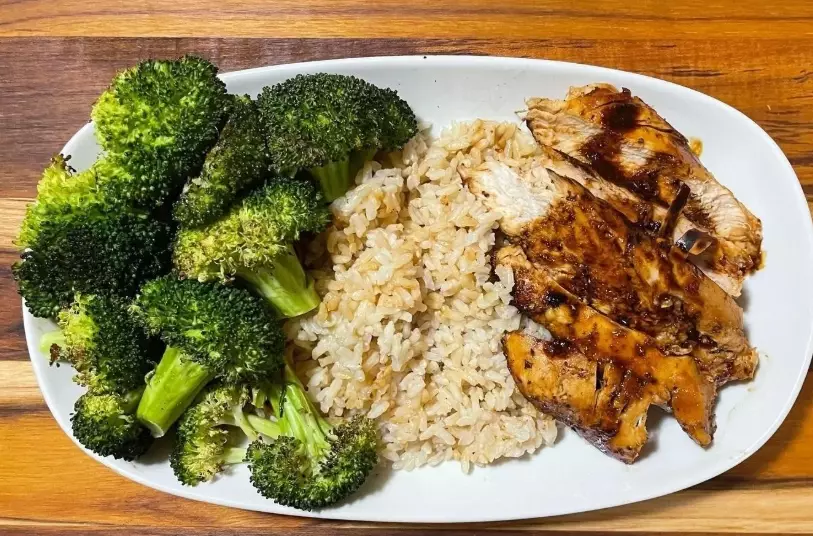
- Leafy Greens: Spinach, kale, Swiss chard (for iron and calcium).
- Colorful Veg: Bell peppers (Vitamin C), carrots (beta-carotene), purple cabbage (anthocyanins).
- Don't Forget Fruits: Add berries to your morning, an apple with lunch. They're not the enemy.
And for goodness sake, use herbs, spices, and healthy fats! A drizzle of olive oil, a squeeze of lemon, some garlic, ginger, or chili flakes. These add negligible calories but massive flavor and additional antioxidants. The USDA FoodData Central is a great resource to check the nutrient profiles of these swaps and see what you're gaining.
Answering Your Burning Questions
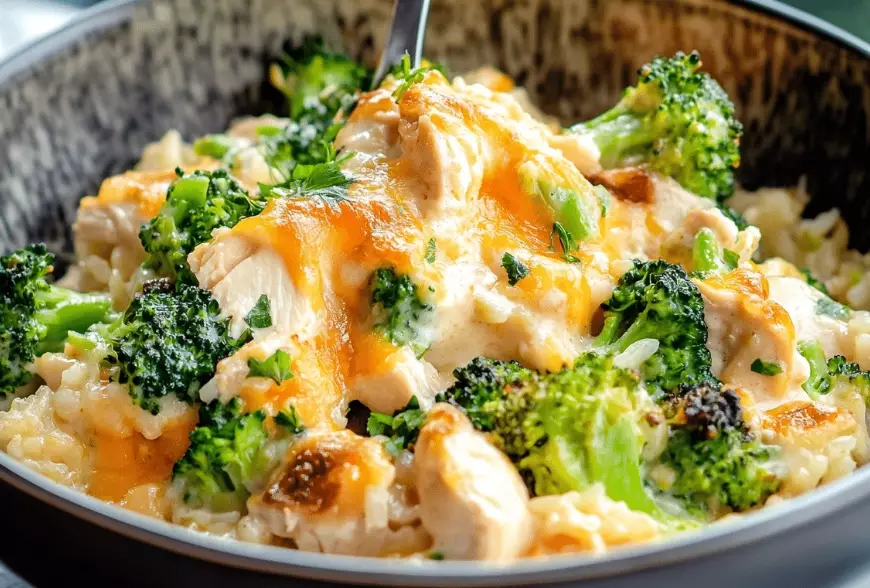
The Final Verdict: It's a Tool, Not a Lifestyle
So, after all this, what's the bottom line on whether it's healthy to just eat chicken, rice, and broccoli?
Think of it like using a screwdriver. It's the perfect tool for putting in a screw. But if you try to use it to hammer a nail, paint a wall, and fix a leaky pipe, you're going to have a bad time.
This meal is a tool for simplicity and portion control. It's useful for:
- A busy lunch when you need something reliable.
- The foundation of a meal prep where you plan to have *different* dinners.
- A short-term dietary reset of a week or two to break away from junk food.
It is not a tool for comprehensive nutrition, long-term health, or a joyful relationship with food. The deficiencies, the boredom, and the psychological restrictiveness are real costs.
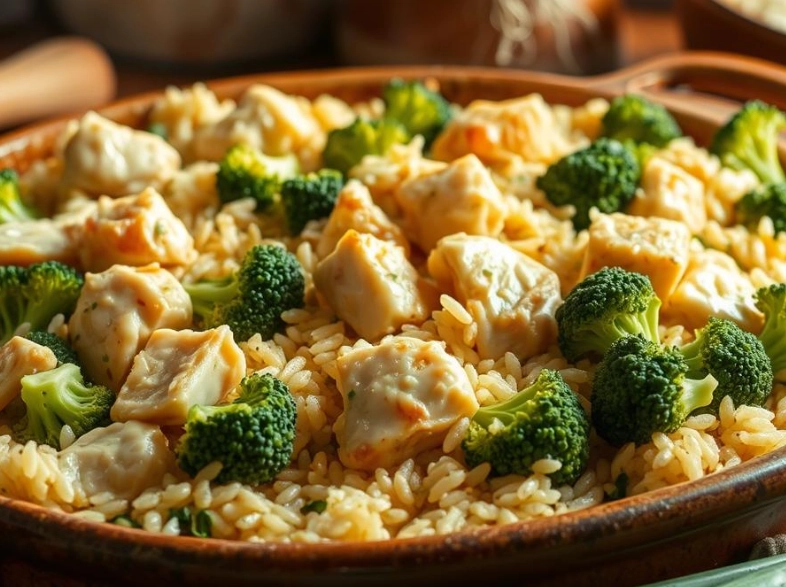 Health is about nourishment, not just punishment.
The most effective diet isn't the most restrictive one; it's the one you don't notice you're on because it's made of foods you enjoy, that make you feel good, and that you can sustain for years. Use the chicken, rice, and broccoli template as a starting point for your meal prep, then immediately start building on it. Add color, add flavor, add different textures. Your body—and your taste buds—will thank you for the upgrade.
Because at the end of the day, if you're miserable eating it, it doesn't matter how "clean" it is. It's not a healthy lifestyle. True wellness includes pleasure, sustainability, and a plate that looks a lot more interesting than beige and green.
Reader Comments