Let's cut straight to it. You can absolutely put dry noodles in a slow cooker. But doing it wrong is a fast track to a gloopy, starchy, or burnt disaster. I learned this the hard way years ago, ruining what should have been an easy beef and pasta stew. The pasta drank all the broth two hours in, leaving a cement-like mass at the bottom. Not good.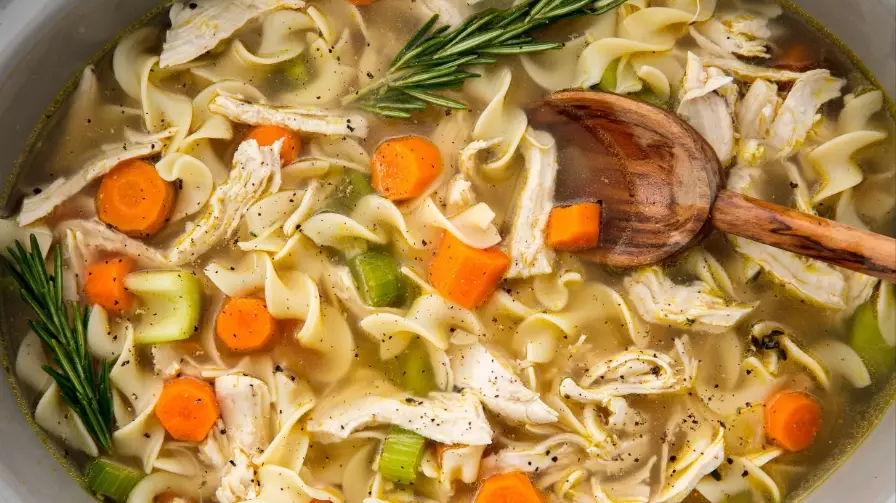
The real question isn't if you can, but how you should. It's all about timing, liquid, and choosing the right noodle. Get it right, and your slow cooker becomes a one-pot pasta powerhouse. Get it wrong, and you'll swear off the idea forever.
What You'll Learn
The Science Behind Slow Cooker Noodles
Stovetop pasta cooks in a rolling boil, around 212°F (100°C). A slow cooker on LOW operates between 170°F and 200°F (77°C-93°C). That's a gentler, more humid heat. Dry pasta needs to absorb water to soften and cook. In a slow cooker, it does this slowly and steadily over a longer period.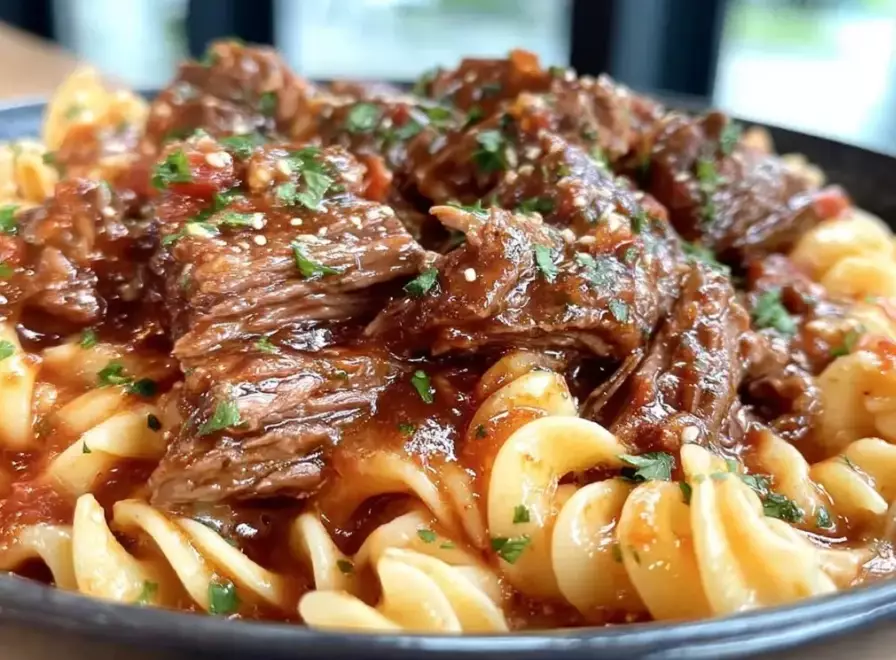
Here's the kicker most recipes don't tell you: pasta releases starch as it cooks. In a pot of boiling water, that starch dilutes in a vast amount of freely circulating liquid. In a slow cooker, that starch goes directly into your sauce or broth, which can be great for thickening—but only if timed correctly. Add the pasta too early, and the dish becomes thick, sticky, and the pasta turns to mush long before your meat is tender.
The Best (and Worst) Noodles for Your Slow Cooker
Not all dry pasta is created equal for this job. You need shapes with structural integrity.
| Pasta Type | Good for Slow Cooker? | Notes & Tips |
|---|---|---|
| Penne, Rigatoni, Ziti | Excellent | Tube shapes hold sauce beautifully and stand up to longer cooking. My top recommendation. |
| Fusilli, Rotini | Very Good | The twists catch bits of meat and veg. Cook evenly. |
| Macaroni, Ditalini | Good (with caution) | Great for soups, but watch the time closely. They can go from perfect to mushy in minutes. |
| Egg Noodles (wide) | Fair | Add in the very last 20-30 minutes on LOW. They cook incredibly fast. |
| Spaghetti, Linguine (broken) | Not Ideal | If you must, break into short lengths and add at the absolute end. Prone to clumping. |
| Angel Hair, Thin Spaghetti | Avoid | They will disintegrate almost immediately. Save these for the stovetop. |
| Lasagna Sheets (no-boil) | Special Case | Designed for this! Layer them in with plenty of sauce. They work perfectly. |
How to Cook Dry Noodles in a Slow Cooker: Step-by-Step
Follow this method. It's saved countless dinners in my kitchen.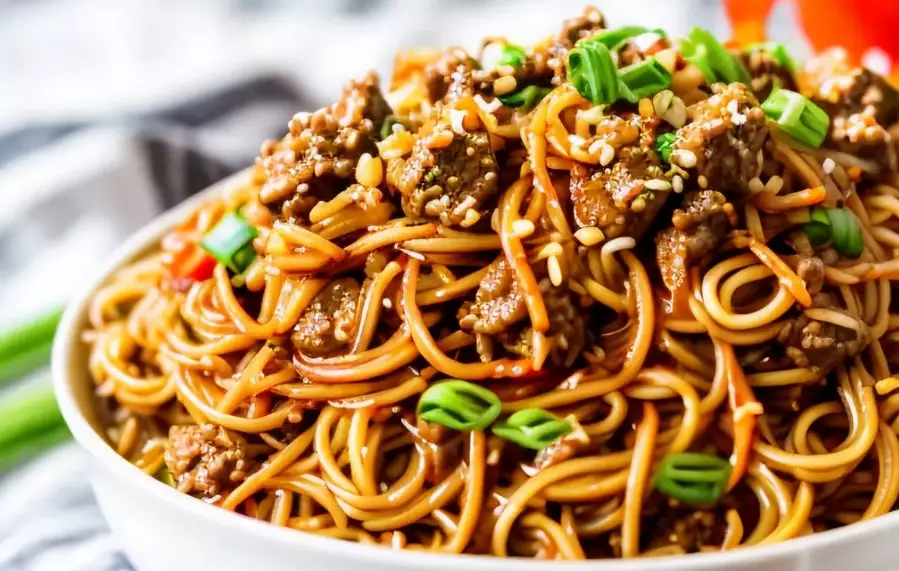
1. Build Your Base First
Cook your meat, aromatics (onions, garlic), and any hardy vegetables first. Let the flavors meld and the main ingredients get tender. This phase can take 3-6 hours on LOW. The pasta has no business being in there yet.
2. The Critical Timing Window
This is the golden rule: Add dry pasta in the last 60-90 minutes of cooking on HIGH, or the last 2 hours on LOW. I always lean towards the shorter end of that range. Turn the heat to HIGH if you're in a hurry.
Why? This gives the pasta enough time to fully hydrate and cook through without breaking down. It's the sweet spot.
3. Liquid Check & The Stir
Before adding the pasta, ensure there's enough hot liquid to submerge it by about an inch. Use broth, water, or more sauce. Stir the dry pasta in thoroughly, making sure no pieces are stuck together or dry on top.
Put the lid back on and do not stir for the first 30 minutes. Let it do its thing.
4. The Doneness Test
Start checking 15-20 minutes before your target finish time. Fish out a piece and taste it. You want it al dente—firm to the bite. Remember, it will continue to cook a bit from the residual heat even after you unplug the cooker. Better slightly firm now than mushy later.
Common Mistakes and How to Dodge Them
- Mistake #1: Dumping pasta in at the start. This is the cardinal sin. Your noodles will be flavorless mush.
- Mistake #2: Not using enough liquid. Pasta absorbs. If your chili or soup looks perfect before adding pasta, it'll be too thick after. Have extra warm broth ready.
- Mistake #3: Over-stirring once pasta is added. You'll break the noodles and encourage starch release, making everything gluey. One gentle stir halfway through is plenty.
- Mistake #4: Forgetting the salt. Season your cooking liquid well. Pasta seasoned from within tastes infinitely better.
Two Foolproof Slow Cooker Pasta Recipes to Try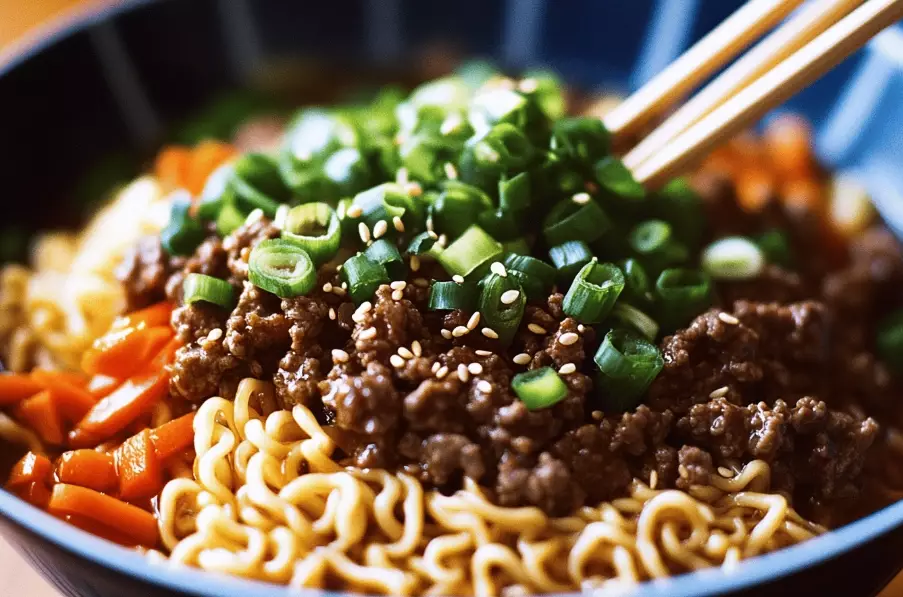
1. "Set-It" Slow Cooker Sausage and Penne
Brown 1 lb Italian sausage (casings removed) with a chopped onion. Dump it into the slow cooker with a 24-oz jar of marinara, a cup of water, and some sliced bell peppers. Cook on LOW for 5 hours. Stir in 8 oz of dry penne, making sure it's covered. Add a splash more water if needed. Cook on HIGH for 1 more hour. Stir in a handful of spinach and some grated Parmesan right before serving. The pasta will be perfect.
2. Chicken Noodle Soup That Actually Works
Put chicken thighs, chopped carrots, celery, onion, garlic, thyme, and 6 cups of chicken broth in the cooker. Cook on LOW for 6 hours. Remove chicken, shred it, and return it to the pot. Turn heat to HIGH. Stir in 6 oz of dry wide egg noodles or ditalini. Cook for 20-30 minutes, just until the pasta is tender. Season. This method keeps the noodles from dissolving into nothing.
Your Slow Cooker Pasta Questions Answered
 What's the best liquid-to-pasta ratio for a slow cooker?
So, can you put dry noodles in a slow cooker? Absolutely. It's a fantastic way to create a complete, comforting meal with minimal cleanup. Respect the timing, choose the right pasta, and don't be afraid to peek and taste. Once you get the hang of it, you'll wonder why you ever cooked pasta any other way for your stews and casseroles.
Reader Comments